Palletised Shipping: International Standards and Regulations for Air Freight Consolidation
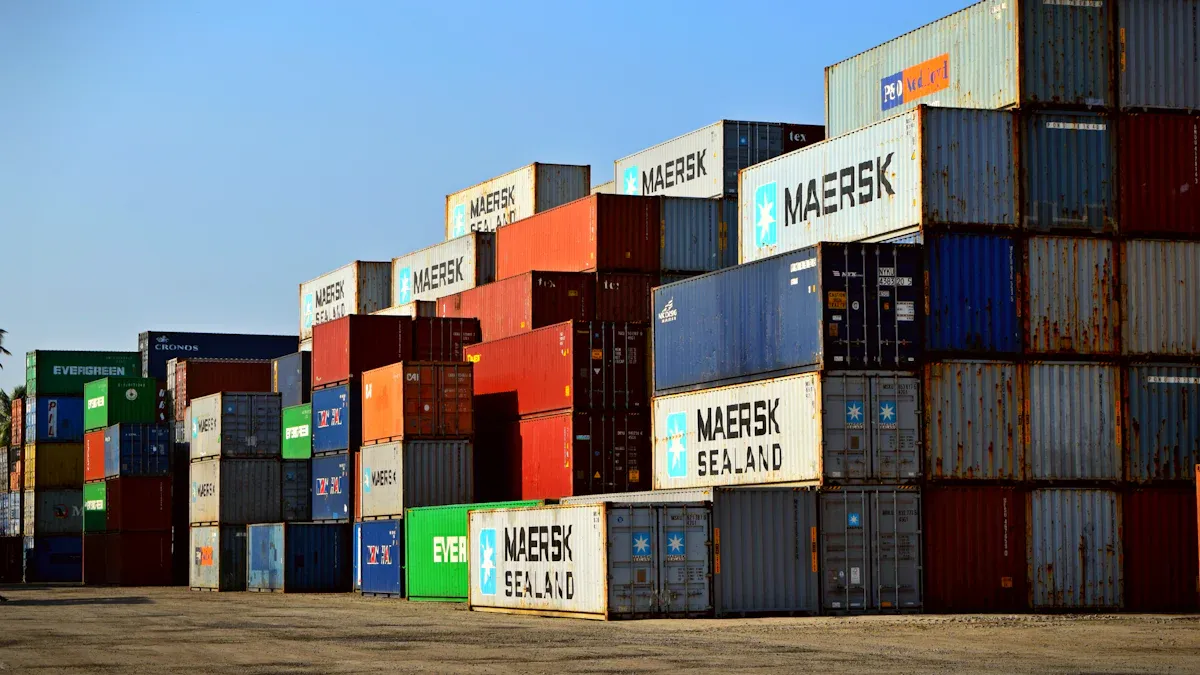
Palletised shipping plays an important role in modern air freight consolidation. By grouping multiple packages or cargo units onto a single pallet, logistics providers can simplify cargo handling, improve warehouse efficiency, reduce the risk of individual packages being misplaced, and make shipments easier to load onto aircraft.
However, palletised freight cannot simply be stacked, wrapped, and delivered to an airport. Air transportation involves strict requirements concerning dimensions, weight, packaging, cargo security, labeling, documentation, and handling. International shipments may also need to comply with customs regulations and specific rules for restricted or special cargo.
Understanding the standards that apply to palletised shipping can help shippers avoid cargo rejection, unexpected repacking charges, handling delays, and missed flights.
What Is Palletised Shipping?
Palletised shipping is a transportation method in which individual packages, cartons, crates, or other cargo units are consolidated onto a pallet and secured as one handling unit.
The pallet provides a stable base that allows warehouse personnel and ground handling operators to move the cargo using forklifts, pallet jacks, or other material-handling equipment.
For air freight consolidation, palletisation can be particularly useful because a single shipment may contain many smaller packages destined for the same airport, country, or distribution network.
Instead of handling every carton individually, logistics operators can consolidate compatible cargos into larger units.
Common palletised air freight may include:
· Commercial products
· Machinery components
· Spare parts
· Consumer electronics
· Retail inventory
· Industrial supplies
· E-commerce shipments
· Automotive components
· Packaged food products that meet applicable requirements
The exact pallet configuration depends on the type of cargo, aircraft limitations, destination requirements, and the handling procedures of the carrier or freight forwarder.
Why Palletisation Matters in Air Freight
Air freight is usually more sensitive to weight and dimensions than ocean or ground transportation. Every pallet occupies valuable aircraft capacity, so inefficient pallet construction can increase transportation costs.
A properly prepared pallet can provide several advantages.
Better Cargo Handling
A consolidated pallet allows handling teams to move multiple packages at once. This can reduce manual handling and improve warehouse throughput.
Lower Risk of Package Separation
Small cartons can become separated during transfers between warehouses, airports, and transportation providers. Consolidating them into a secured pallet can reduce this risk.
Improved Cargo Protection
Stretch wrapping, strapping, corner protection, and other securing methods can help stabilize the cargo and protect packages from shifting.
More Efficient Loading
Uniform pallet dimensions can make warehouse planning and aircraft loading more predictable.
Easier Shipment Identification
A properly labeled pallet gives handling personnel a clear reference for the consolidated cargo unit.
However, palletisation does not automatically make cargo compliant. A badly constructed pallet can create more problems than it solves.
International Standards for Air Freight Pallets
Air freight pallet requirements vary depending on the airline, aircraft type, airport, cargo category, and transportation route.
One important distinction is between standard commercial pallets and pallets or unit load devices specifically designed for aviation.
Aircraft-compatible loading equipment may include specialized air cargo pallets and containers designed to fit aircraft cargo systems. These units are often referred to as Unit Load Devices, or ULDs.
A standard warehouse pallet may not be suitable for direct aircraft loading.
Shippers therefore need to distinguish between:
1. Palletisation for warehouse and ground transportation
2. Palletisation for airline acceptance
3. Cargo assembled into an aircraft-compatible ULD
The freight forwarder or airline should confirm the acceptable pallet type before cargo is prepared.
Pallet Dimensions and Aircraft Compatibility
Dimensions are one of the most important considerations in air freight.
A pallet may be physically stable but still unacceptable because its dimensions exceed the limitations of the aircraft, airport handling equipment, or transportation route.
Before building a pallet, shippers should determine:
· Overall length
· Overall width
· Overall height
· Gross weight
· Number of packages
· Weight distribution
· Center of gravity
· Handling requirements
· Destination restrictions
The critical measurement is not simply the dimensions of the wooden or plastic pallet.
The total dimensions of the completed cargo unit matter.
For example, if cartons extend beyond the pallet edge, the actual footprint may be larger than the pallet itself. Similarly, excessive wrapping or protective materials can increase the final dimensions.
This is why measuring the finished pallet before pickup is essential.
Weight Requirements for Palletised Air Freight
Weight limits can apply at several levels.
A shipment may have a maximum allowable weight based on the airline’s operating requirements, aircraft loading configuration, airport equipment, or transportation agreement.
There can also be restrictions related to the pallet itself.
Shippers should calculate:
Total pallet weight = pallet weight + cargo weight + securing materials + packaging materials
A common mistake is to report only the cargo weight and forget the pallet and additional packaging.
Air freight pricing may also use chargeable weight rather than actual gross weight alone.
Chargeable weight is generally determined by comparing actual weight with volumetric or dimensional weight according to the applicable carrier rules.
This means that a lightweight but oversized pallet can cost significantly more to transport than its actual weight might suggest.
How to Secure Palletised Cargo
Cargo must remain stable throughout transportation.
A pallet may pass through several stages before reaching its destination, including:
· Pickup
· Warehouse receiving
· Security inspection
· Export handling
· Airport transfer
· Aircraft loading
· Transit handling
· Import processing
· Final delivery
Every additional handling stage creates an opportunity for unstable cargo to shift.
Common securing methods include stretch wrapping, strapping, shrink wrapping, edge protection, and anti-slip materials.
Heavy cartons should generally be positioned toward the bottom when appropriate, while fragile packages should not be crushed by heavier cargo.
The pallet should also be built so that the weight is distributed as evenly as practical.
Uneven weight distribution can make the pallet unstable during forklift handling and may create safety concerns.

Packaging Requirements
Palletisation does not replace individual package protection.
Every carton or cargo unit should still have packaging appropriate for its contents.
For fragile cargo, protective materials may include:
· Foam inserts
· Cushioning
· Corner protection
· Reinforced cartons
· Wooden crates
· Shock-absorbing materials
For moisture-sensitive cargo, additional protection may be necessary.
For heavy industrial cargos, ordinary corrugated cartons may not provide sufficient structural support.
Packaging decisions should therefore consider the nature of the product, transportation environment, expected handling, and destination conditions.
Labeling Requirements
Clear labeling is essential for consolidated air freight.
A pallet may contain multiple cartons, but the pallet itself should have identification that allows handling personnel to connect the physical cargo with the transportation documentation.
Depending on the shipment, labels may include:
· Shipper information
· Consignee information
· Air waybill information
· Handling instructions
· Piece count
· Gross weight
· Destination airport
· Special handling information
· Orientation markings where applicable
Labels should be securely attached and positioned where they can be easily seen.
Old shipping labels should also be removed or covered to prevent confusion during transportation.
Documentation for Palletised Air Freight
Documentation requirements depend on the shipment and destination.
Typical documents may include:
· Commercial invoice
· Packing list
· Air waybill
· Export documentation
· Customs information
· Certificates or permits when required
· Special cargo declarations when applicable
The information across these documents should be consistent.
For example, the number of packages, gross weight, cargo description, and shipper or consignee details should not conflict between the physical cargo and the paperwork.
Discrepancies can result in additional inspection or processing delays.
Dangerous Goods and Special Cargo
Some cargos require additional controls.
Dangerous goods transported by air are subject to specific international and carrier requirements. Batteries, chemicals, aerosols, flammable materials, and other regulated products may require specialized packaging, labeling, documentation, and handling.
Perishable products, temperature-sensitive shipments, live animals, oversized cargos, and high-value products may also require specialized procedures.
A pallet that appears acceptable for ordinary commercial cargo may therefore be unsuitable for a regulated shipment.
Shippers should identify special cargo requirements before palletisation begins.
Customs Considerations
Palletisation itself does not eliminate customs obligations.
For international air freight, customs authorities generally need accurate information about the shipment, including its contents, value, origin, classification, and parties involved.
A pallet may contain multiple SKUs or products with different classifications.
The packing list should therefore provide enough detail for customs processing.
Incorrect descriptions such as “parts,” “samples,” or “general merchandise” may be insufficient depending on the shipment.
Accurate cargo descriptions can help reduce questions during customs clearance.
Common Palletisation Mistakes
Several mistakes occur repeatedly in palletised air freight.
Exceeding the Agreed Dimensions
A shipper may calculate the pallet dimensions before wrapping, only to discover that the finished unit exceeds the permitted size.
Poor Weight Distribution
A pallet that is heavier on one side can become unstable during handling.
Insufficient Securing
Stretch wrap alone may not be enough for heavy or irregular cargo.
Blocking Labels
Wrapping material or stacked cartons can cover important labels.
Mixing Incompatible Cargo
Cargo requiring different handling conditions should not automatically be consolidated onto the same pallet.
Incorrect Weight Information
Incorrect weight can affect both safety calculations and freight charges.
Using an Unsuitable Pallet
Not every pallet is appropriate for air transportation.
Best Practices for International Palletised Shipping
A reliable preparation process should begin before the cargo reaches the warehouse.
First, confirm the carrier’s requirements.
Next, verify the pallet type, maximum dimensions, weight restrictions, and special handling requirements.
Then prepare the individual packages and construct the pallet with stable weight distribution.
After the pallet is completed, measure and weigh the entire unit.
Finally, verify the documentation and labels before pickup.
A useful checklist includes:
1. Confirm carrier and route requirements.
2. Verify pallet dimensions.
3. Calculate gross weight.
4. Check dimensional weight implications.
5. Inspect packaging.
6. Secure the cargo.
7. Confirm labels.
8. Prepare documentation.
9. Check special cargo requirements.
10. Photograph the completed pallet when appropriate for internal records.
Final Thoughts
Palletised shipping is one of the most practical ways to consolidate air freight, but successful palletisation requires more than stacking cartons on a wooden platform.
Dimensions, weight, packaging, securing methods, labeling, documentation, customs requirements, and special cargo regulations all influence whether a pallet can move efficiently through the air freight network.
The safest approach is to confirm requirements with the freight carrier or logistics provider before building the shipment. Air cargo networks have little patience for surprises, which is understandable considering the machinery involved is literally an aircraft.
A properly prepared pallet can improve handling efficiency, reduce cargo damage risks, and help shipments move through airports with fewer interruptions. For international air freight, preparation is not merely a packaging task. It is an important part of transportation planning.
See Also
Enhancing Global Operations Through Innovative Logistics Strategies
Key Strategies for Effective Global Logistics Management
Simplifying Supply Chain Optimization With U.S. Logistics Solutions
Connecting Warehouses and Optimizing Supply Chains With PGL
Streamlined Inventory Management Through Premier Global Logistics Warehousing

