What Is Drayage? The Complete Guide to Short-Distance Container Transportation in Logistics
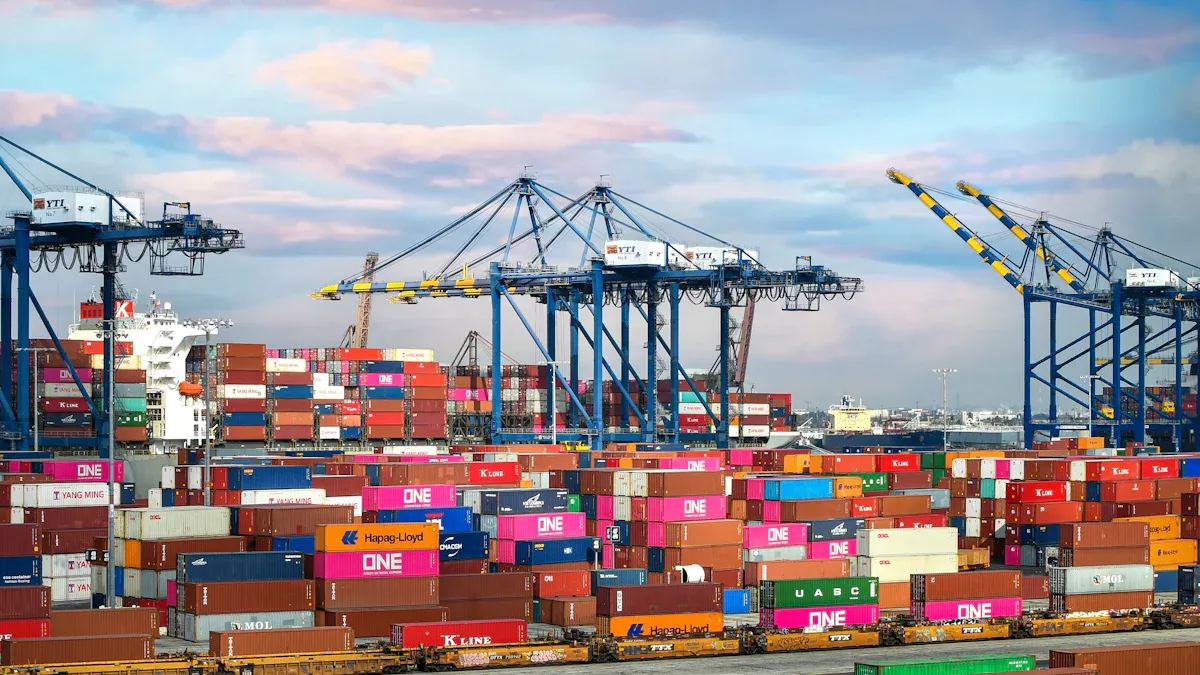
Drayage is a critical part of modern container logistics. Although drayage typically involves relatively short-distance transportation, it connects some of the most important points in the supply chain, including seaports, rail terminals, warehouses, distribution centers, and manufacturing facilities.
A container cannot complete an international journey simply by arriving at a port. After a vessel reaches its destination, the container still needs to move to the next location. In many cases, that movement is performed by a drayage truck.
Understanding drayage is essential for businesses that import or export containerized cargo because drayage operations can affect transportation costs, delivery schedules, equipment availability, and the risk of additional terminal charges.
What Is Drayage?
Drayage generally refers to the short-distance transportation of containerized cargo between nearby logistics facilities.
Typical drayage movements include:
· Port to warehouse
· Warehouse to port
· Port to rail terminal
· Rail terminal to warehouse
· Rail terminal to distribution center
· Warehouse to rail terminal
· Port to transloading facility
The distance involved is often relatively short compared with long-haul trucking. However, the operational complexity can be considerable because drayage is closely connected to terminals, container availability, appointments, chassis, and port procedures.
Why Is Drayage Important?
Drayage connects different transportation modes.
A typical international container movement may involve ocean transportation, drayage, rail, another drayage movement, and final truck delivery.
For example:
Factory → Ocean Port → Vessel → Destination Port → Drayage → Warehouse → Domestic Truck → Final Destination
Without the drayage segment, the container could not move efficiently between the major stages of the supply chain.
Common Types of Drayage
Drayage can be classified according to the type of movement being performed.
Port Drayage
Port drayage involves moving containers between marine terminals and nearby facilities.
This may include transportation from a port to a warehouse or from a warehouse to a port for export.
Port drayage is often affected by terminal operating hours, appointments, congestion, chassis availability, and container availability.
Rail Drayage
Rail drayage connects rail terminals with warehouses, distribution centers, and other facilities.
A container may travel long distances by rail and then require a truck to complete the final inland movement.
Intermodal Drayage
Intermodal transportation combines multiple transportation modes.
A container can move by vessel, rail, and truck without requiring the cargo to be unloaded between modes.
Drayage provides the short-distance connections between these transportation systems.
Transloading Drayage
Drayage may also connect ports with transloading facilities.
At a transloading facility, international containers can be unloaded and cargo transferred into domestic equipment.
This can be useful when cargo needs to be redistributed within a domestic transportation network.
Door-to-Door Drayage
Some logistics programs coordinate container movement from the terminal through intermediate facilities and eventually to the final delivery location.
The exact scope depends on the transportation arrangement.
How a Typical Drayage Shipment Works
A basic import drayage process may follow several steps.
First, the container arrives at the destination port.
The necessary shipment and customs processes must be completed before the container can be released for pickup.
The drayage provider then coordinates access to the terminal and arranges the appropriate equipment.
The driver picks up the container and transports it to the warehouse, distribution center, or other destination.
After delivery, the empty container may need to be returned to a designated location.
Each stage has deadlines and operational requirements.
What Is a Chassis?
A chassis is a specialized trailer frame used to transport intermodal containers by road.
The chassis connects the container to the truck.
Chassis availability is therefore important for drayage operations.
A container may be available at a terminal, but if the required chassis is unavailable, the truck may not be able to complete the pickup as planned.
Port Appointments
Many terminals use appointment systems to manage truck traffic.
Appointments help coordinate container pickup and delivery activity.
Missing an appointment can create delays and may require the driver to return later.
Effective drayage planning therefore involves monitoring appointment requirements and ensuring that the container, truck, chassis, and destination are all aligned.
Demurrage and Detention
Drayage is closely connected to container deadlines.
Demurrage generally applies when a container remains within a terminal beyond the permitted free period.
Detention generally relates to keeping the container outside the terminal beyond the allowed equipment period.
Because terminology and charging rules can differ, businesses should review the specific terms applicable to each shipment.
Poor coordination can result in significant additional expenses.
Drayage and Warehousing
Warehouses are often major destinations for drayage.
A container may be transported from a port to a warehouse for:
· Storage
· Unloading
· Transloading
· Order processing
· Distribution
· Inventory management
The warehouse appointment must be coordinated with the drayage schedule.
If a warehouse cannot receive the container, the truck may have to wait or return later, potentially creating additional costs.
Drayage and Transloading
Transloading is particularly important for international cargo.
A container arriving from overseas may not be the most efficient equipment for domestic distribution.
Instead, cargo can be unloaded from the international container and transferred into domestic trailers or other transportation equipment.
Drayage connects the port and transloading facility.
This creates a bridge between international transportation and domestic distribution.
Why Drayage Can Be Expensive
The distance of a drayage movement does not necessarily determine its total cost.
Several factors can affect the price, including:
· Terminal location
· Distance
· Fuel
· Chassis requirements
· Waiting time
· Appointment requirements
· Toll roads
· Congestion
· Container type
· Equipment availability
· Special handling
· Detention or demurrage exposure
A short movement through a congested port environment can sometimes require more operational effort than a longer movement on an uncongested route.
Common Drayage Challenges
Drayage operations face several recurring challenges.
Port Congestion
Heavy traffic and terminal congestion can reduce productivity and increase driver waiting time.
Equipment Shortages
A lack of chassis or suitable trucks can delay container pickup.
Appointment Problems
Limited appointment availability can affect delivery schedules.
Container Availability
A container may not be available for pickup even if the vessel has already arrived.
Warehouse Scheduling
Warehouses may have limited receiving capacity, particularly during busy periods.
Unexpected Delays
Weather, accidents, labor disruptions, terminal problems, or changes in vessel schedules can affect drayage plans.
How to Improve Drayage Efficiency
Businesses can improve drayage performance through better planning.
First, shipment information should be accurate and available early.
Second, port and terminal requirements should be monitored carefully.
Third, warehouse receiving appointments should be coordinated before the truck is dispatched.
Fourth, businesses should monitor container free time to reduce the risk of additional charges.
Finally, shipment visibility should be maintained throughout the transportation process.
Selecting a Drayage Provider
Businesses evaluating drayage providers should consider more than the quoted transportation rate.
Important factors include:
· Geographic coverage
· Terminal experience
· Equipment availability
· Appointment management
· Communication
· Tracking capability
· Service reliability
· Experience with specialized cargo
· Ability to coordinate warehouse deliveries
A provider with a slightly higher transportation rate may still produce a lower total cost if it reduces delays and accessorial expenses.
The Future of Drayage
Technology is increasingly changing drayage operations.
Digital appointment systems, electronic documents, GPS tracking, transportation management systems, and automated shipment updates can improve visibility.
Data can also help businesses identify recurring delays and optimize transportation schedules.
As supply chains become more complex, visibility and coordination will remain important elements of effective drayage management.
Final Thoughts
Drayage may involve relatively short transportation distances, but its role in logistics is substantial.
It connects ports, rail terminals, warehouses, transloading facilities, distribution centers, and other points in the supply chain.
For businesses involved in containerized international trade, understanding drayage can help improve delivery planning and reduce avoidable costs.
Effective drayage management requires coordination between terminals, trucking providers, warehouses, equipment, appointments, and shipment deadlines. When these elements are managed together, drayage becomes an efficient link between international transportation and domestic distribution.
See Also
Streamlined Supply Chain Solutions Through American Logistics Services
Top-Notch Multi-Channel Fulfillment Offered By Premier Global Logistics
Addressing Rapid Logistics Needs In Los Angeles With PGL
Reasons Southern California eCommerce Businesses Prefer PGL Warehousing

