Why choosing freight forwarder or broker matters for your shipments
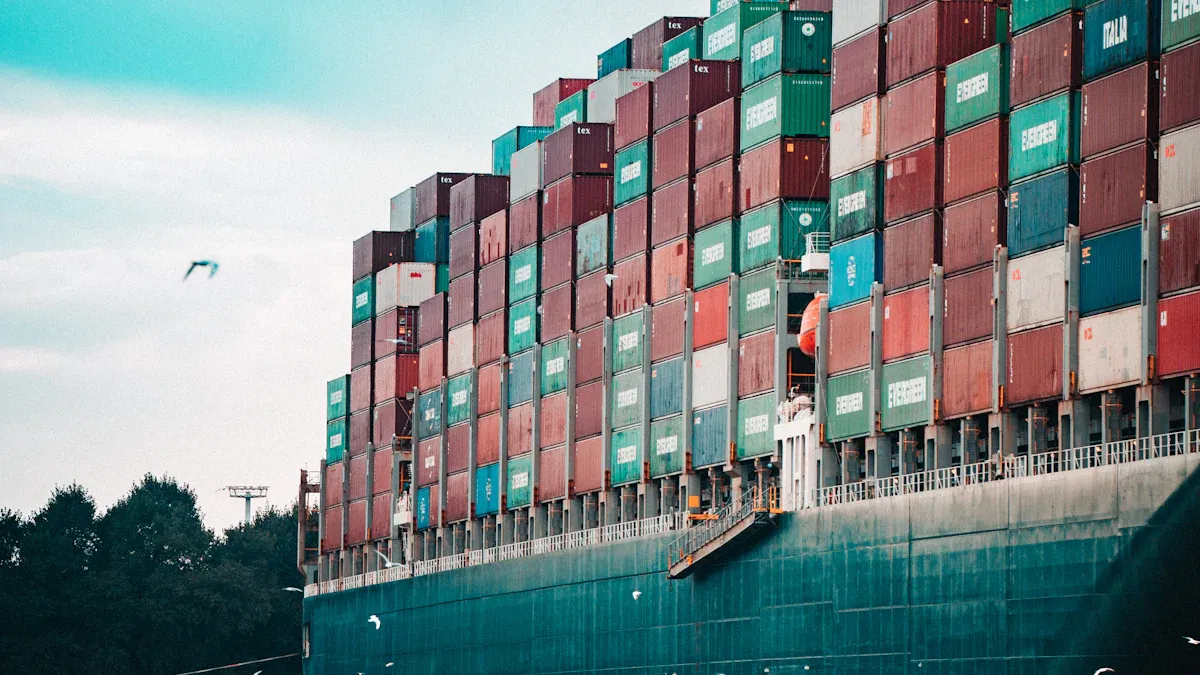
When planning your next shipment, you may wonder about choosing freight forwarder or broker for your logistics needs. Making the right decision when choosing freight forwarder or broker is crucial, as it can help you save both time and money while avoiding potential issues. Freight brokers often secure better prices by partnering with trusted carriers and leveraging their large volume of shipments for discounts. Reliable service and efficient transport ensure your shipments keep moving smoothly, which also helps reduce costs. As you consider your options, think carefully about what you are shipping, where it needs to go, and how complex your shipping requirements are.
Key Takeaways
Pick a freight forwarder if your shipment is complicated or going to another country. They handle everything and make sure rules are followed and things go smoothly.
Pick a freight broker if your shipment is simple and staying in the same country. They find drivers for you and help you spend less on shipping.
Know that their services are not the same. Freight forwarders do all the work from start to finish, but brokers just help you get the best price.
Think about what you are shipping and how much money you have. Choose the right helper so you can save money and avoid problems.
Ask important questions before you pick someone. Make sure they know about your business and can ship your items the way you need.
Choosing Freight Forwarder or Broker: Key Differences
What Is a Freight Forwarder?
A freight forwarder is your logistics expert. They manage the whole shipping process for you. You can trust them with complex shipments. They are helpful for moving goods internationally or using different transport modes. They take your freight and arrange storage. They also prepare all needed documents. Freight forwarders handle customs clearance. They make sure your shipment follows import rules. Their services include booking cargo space. They can combine shipments and offer insurance. Many e-commerce businesses use freight forwarders for global delivery.
Typical Freight Forwarder Process:
Export haulage: Move goods from your place to the forwarder’s warehouse.
Checkpoint: Inspect and check your shipment.
Export customs clearance: Prepare and send documents for shipping abroad.
International transport: Arrange ocean, air, or rail movement.
Import customs clearance: Handle customs at the destination.
Final delivery: Bring goods to the end location.
What Is a Freight Broker?
A freight broker connects you with carriers. They help move your freight quickly, usually in one country. They do not take your shipment. Instead, they use their network to find good transport options. They negotiate rates for you. Freight brokers arrange trucking services. They manage communication between you and the carrier. They help you save money by using their contacts and tools.
Freight Broker Responsibilities:
Connect shippers with qualified carriers.
Negotiate rates and arrange transportation.
Track shipments and give updates.
Manage paperwork and fix problems during transit.
How Each Affects Shipping
Choosing freight forwarder or broker changes your shipping experience. Freight forwarders give end-to-end logistics services. They handle documents, customs, and your freight. They are experts for complex or international shipments. They help reduce risk and make sure rules are followed. Freight brokers focus on cheaper, domestic transport. They help you find the right carrier fast.
Tip: Use a freight forwarder for international or multi-modal shipments. Choose a freight broker for simple, domestic moves.
Freight Broker | Freight Forwarder | |
|---|---|---|
Scope of Services | Arranges transportation and manages shipping process | Offers more services, like booking cargo space and preparing customs documents |
Relationship with Carriers | Works with many carriers for best rates | Usually works with a few carriers for reliability |
Pricing Structure | Charges a percentage of shipment’s total cost | Usually charges a flat fee for services |
Billing Practices | Bills clients after delivery | Needs payment upfront before starting work |
Experience | Usually has less experience | More specialized with greater expertise |
Physical Possession of Freight | Never takes possession of freight | Takes possession, often storing and packing freight |
Licensing | Only needs to register with FMCSA | Needs to be licensed under FMCSA for broader shipping |
When choosing freight forwarder or broker, think about your shipment type. Consider how much logistics help you need and your budget. The right choice helps you control cost, lower risk, and make sure your freight arrives safely.
Shipping Impact: Forwarder vs Broker
Cost and Efficiency
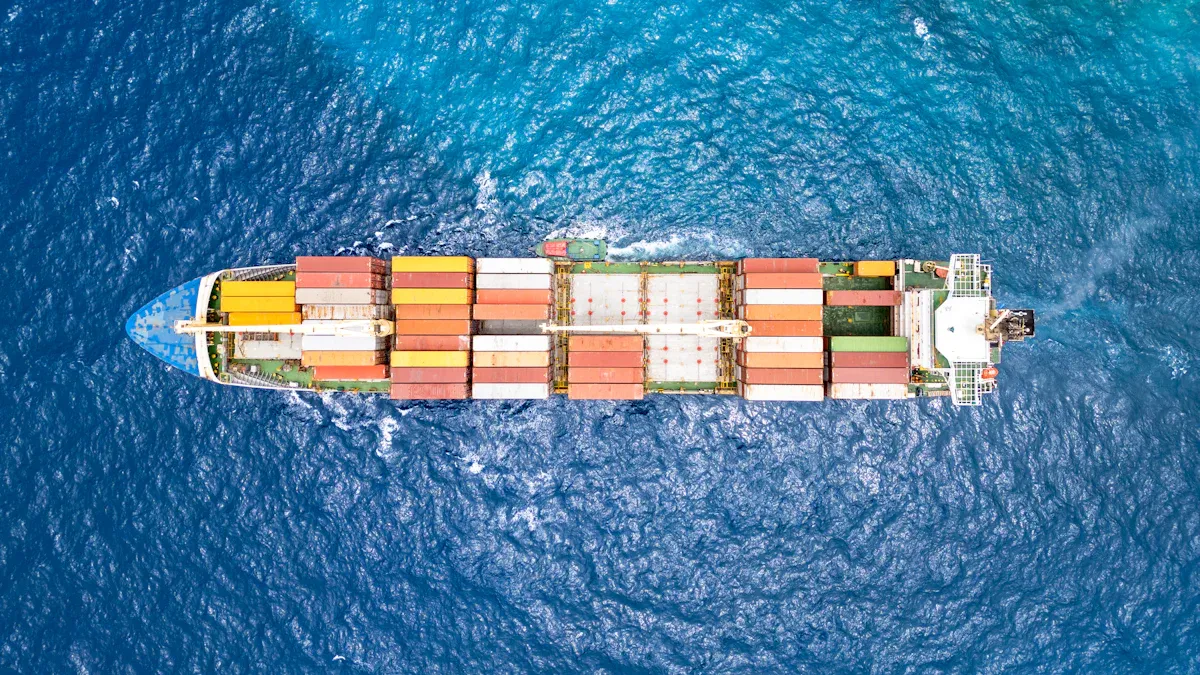
Picking a freight forwarder or broker changes your shipping cost and speed. A freight forwarder handles everything in the logistics process. This often means your shipment arrives faster and with fewer problems. You get help choosing the best routes and tracking your shipment. They can use different ways to move your goods. A freight broker connects you with carriers and finds good prices. This can save money for simple shipments. But it may not work as well for complicated or international moves.
Freight forwarders handle all parts of shipping, which makes things faster and easier.
They pick the best routes and use different transport types.
Freight brokers focus on finding good prices and carriers, which is best for simple domestic shipments.
For example, if you run an online store and ship goods overseas, a freight forwarder can make things easier and help avoid delays. If your shipment stays in one country and only needs trucking, a freight broker can help you spend less.
Compliance and Risk
Following rules and managing risk are important in shipping. Freight forwarders deal with more rules because they work with customs brokers and trucking companies. They must know about changing laws and security rules. If they do not manage this well, they can get fined.
Risk Category | Freight Forwarder Responsibility | Freight Broker Responsibility |
|---|---|---|
Operational | Handles cargo, storage, and paperwork | Finds carriers and manages paperwork |
Regulatory | Deals with customs and import/export rules | Only follows domestic rules |
Financial | Takes care of cargo and insurance | Has less legal responsibility |
Supply Chain | Works with many logistics partners | Connects shippers and carriers |
A freight forwarder helps you get the right documents for customs and makes sure you follow import laws. This lowers the chance of delays and fines. A freight broker matches you with a carrier but does not handle customs or international rules.
Customer Service
Good customer service is important for shipping. Freight forwarders take your freight and handle insurance and legal issues. They offer many services, like customs clearance and cargo handling. You only need to talk to one person for your shipping needs.
Freight forwarders handle your cargo and take on more legal responsibility.
Freight brokers do not take your freight, so their legal responsibility is less.
Freight forwarders give more complete help, while brokers connect you with transport options.
If you want someone to manage your shipment from start to finish, a freight forwarder is the best choice. For simple moves inside one country where you only need a carrier, a freight broker is enough.
Factors for Choosing Freight Forwarder or Broker
Picking the right partner for your freight is important. It can change how your whole shipping process goes. When you choose a freight forwarder or broker, you need to match your shipment with their skills. Use this guide to help you make the best choice for your business.
Shipment Type and Complexity
The kind of shipment and how hard it is matters a lot. If you ship things overseas or use more than one transport type, you need a freight forwarder. They handle the whole process, like paperwork, customs, and insurance. This is good for tricky shipments or e-commerce that crosses borders. If your shipments are simple and stay in one country, a freight broker can help. They find good carriers and get better prices for you.
Here are some common shipment types:
Air freight services: These are fast and good for expensive or perishable goods. People use them for international shipping.
Ocean freight service: This uses big containers for shipping overseas. It is cheaper for large loads.
Land or ground freight service: This is best for moving things across land borders. It includes truckload and less-than-truckload options.
Pick a freight forwarder if you want help with every step. If you just need someone to find a carrier and get good rates, a freight broker is better.
Tip: Use a freight forwarder for hard or international shipments. For easy, local moves, a freight broker saves time and money.
Destination and Regulations
Where your freight goes and the rules you must follow are important. Shipping to other countries means you must follow strict rules. Freight forwarders help move freight from one country to another. They know the laws in each place.
If you ship to other countries, you may need both a freight forwarder and a customs broker. The freight forwarder plans the trip and transport. The customs broker helps your goods get through customs.
Remember these points:
Pick a partner who knows your industry.
Make sure they know the rules for your destination.
Check if they understand problems in your target area.
Some common rule problems are:
Safety and security rules (like SOLAS and ISPS Code)
Customs and trade rules (right paperwork and tariffs)
Geopolitical and sanctions rules (changing routes and legal limits)
Digital rules (data privacy and cybersecurity)
Always check if your partner knows your industry and region. Knowing trade deals and local rules helps you avoid delays.
Budget and Service Needs
Your budget and what services you want will help you decide. Freight forwarders give you one price for many services. This makes bills simple but you may not see all costs. Customs brokers charge by each entry, so you know what you pay.
When you pick a freight forwarder or broker, think about what you need:
Do you want strong technology?
Do you need a partner with a good network?
Do you want flexible service choices?
Do you need customs brokerage?
Is a good relationship with carriers important?
A freight forwarder handles your shipment and works with suppliers, carriers, and logistics experts. They use different transport types and get good prices. A broker just finds you a carrier and does not handle your cargo.
Decision-Making Checklist
Use this checklist to help you choose:
Decision Factor | Freight Forwarder | Freight Broker |
|---|---|---|
Shipment Type | International, complex | Domestic, simple |
Documentation Needed | Yes | No |
Customs Clearance | Yes | No |
Multiple Transport Modes | Yes | No |
Budget Transparency | Bundled rates | Carrier-based rates |
Service Level | End-to-end management | Carrier connection |
Common Mistakes to Avoid
⚠️ Watch out for these mistakes when picking your logistics partner:
Using a freight broker for hard or international shipments
Thinking a freight forwarder only gets good prices
Paying too much for things you do not need
Forgetting about licenses and rules
Choosing the right partner for your freight helps your shipment go smoothly. It also helps you save money and follow import rules. Take time to look at your shipment, where it is going, and what services you need before you decide.
Freight Forwarder vs Customs Broker: What to Know
Role of a Customs Broker
You might wonder about the difference between a freight forwarder and a customs broker. A customs broker helps you follow import laws and customs rules. This licensed expert makes sure your freight clears customs without delays. Customs brokers work between your business and government agencies. They handle paperwork, pay duties, and send information to authorities. This helps your goods move across borders without problems.
To become a customs broker, a person must do three things:
Pass the Customs Broker License Examination.
Send in a broker license application with the right fees.
Get approval from U.S. Customs and Border Protection (CBP).
The Customs Broker License Examination covers the Harmonized Tariff Schedule, federal rules, and customs directives. You must be a U.S. citizen, at least 21 years old, and not a federal worker.
Customs brokers focus on following rules. They make sure your freight meets all import laws, tariffs, and taxes. They do not arrange transportation or manage the whole shipping process.
When to Use Each
You need to know when to use a freight forwarder or a customs broker. A freight forwarder manages the whole shipping process. They book space, arrange storage, and keep your freight safe. They help with customs paperwork, but their main job is moving your goods from start to finish.
A customs broker is an expert at clearing your freight through customs. You need a customs broker when your shipment faces tough import rules or high tariffs. For example, if you import electronics or food, a customs broker helps you avoid mistakes.
Who to Use? | When to Use | Example |
|---|---|---|
Freight Forwarder | You need full logistics, door-to-door service, or shipping to many countries | An e-commerce company ships bulk orders from China to the U.S. and Europe, needing tracking and customs support |
Customs Broker | You need help with import laws, tariffs, or customs clearance | You import machinery and want to avoid delays at the border |
Sometimes, you need both. Using a freight forwarder and a customs broker together makes shipping easier. The freight forwarder handles transportation, while the customs broker makes sure you follow rules. This teamwork lowers risk, saves money, and keeps your shipment on time.
Tip: For hard international shipments, using both services can make your shipping easier and protect your business.
Hybrid Approaches and Questions to Ask
Using Both Forwarder and Broker
Some businesses use both a freight forwarder and a broker. This is called a hybrid approach. It gives you more control over your shipments. You can use the best parts of each partner. This helps make your shipping plan stronger.
You can save money by using ocean freight for long trips. Then, you use road transport for the last part.
Hybrid logistics helps you change plans fast if there are problems.
You can get faster delivery by mixing cheap and quick transport.
Using more than one freight option helps you avoid delays.
You can help the planet by picking routes with less pollution.
Hybrid shipping lets you grow your shipping as your business gets bigger.
You can meet different customer needs by picking the right service.
When you use both a freight forwarder and a broker, you get many benefits. The freight forwarder handles hard and international shipments. They also make sure you follow rules. The broker finds good carriers and prices for shipments in your country. This plan helps you ship anything, anywhere.
Essential Questions for Partners
Picking the right freight partner keeps your shipment safe. It also protects your business. You should ask good questions to make sure they fit your needs.
Is your company full-service, and how long have you worked in shipping?
Do you know about my industry or special shipping ways?
Have you shipped cargo like mine, even if it is dangerous or easy to break?
Are you licensed and bonded by U.S. Customs & Border Protection for imports?
Do you have a Compliance Department, and are you ISO 9001 or CTPAT certified?
How do you keep up with new trade rules?
Can you explain all costs, extra fees, and refunds?
Do you have digital tracking, reports, and safe document storage?
What types of freight do you handle: air, ocean, rail, drayage, or consulting?
Can you show case studies where you saved money or followed rules well?
You should also check their technology, customer service, and how they fix mistakes. A good partner will answer these questions clearly and show proof. This helps you pick a freight forwarder or broker who will keep your shipment safe and help your business.
You should pick the right partner for your shipping plan. This choice changes how your whole shipping process works. A good freight forwarder or broker helps you handle freight, transport, and service needs. You can feel sure about your decisions. Use the checklist and questions in this guide to help you choose. Picking the right partner makes your work easier and helps your business reach its goals.
FAQ
Why should you choose a freight forwarder for international shipping?
Pick a freight forwarder if you ship things overseas. They help with customs and paperwork. They also arrange transport for your goods. This help stops mistakes and keeps your shipment moving.
Why do e-commerce companies often use freight forwarding companies?
E-commerce companies use freight forwarders for tricky shipments. You get help with tracking and customs. They also help with delivery. This makes shipping easier and helps you reach more customers.
Why is a freight broker not always the best choice for freight shipping?
A freight broker is good for simple shipments in one country. If your shipment has many steps or goes to other countries, you need more help. Pick someone who can handle everything for you.
Why does your shipping experience improve with the right partner?
The right partner gives you updates and fixes problems. They handle paperwork for you. You avoid delays and confusion. Shipping becomes easier and more dependable.
Why do regulations matter when picking a logistics partner?
Rules change how you move goods. If you ignore rules, you might get fined or delayed. You need a partner who knows the laws and keeps your shipment safe.
See Also
Selecting LTL, FTL, Or Drayage Services With PGL
Reasons To Select Premier Global Logistics For Exports
Top Reasons To Choose PGL For Panama LCL Shipping
PGL Enhances West Coast Freight With Flexible Trucking Solutions
Transport Large Shipments Economically With PGL's FTL Services
