Cross Border Logistics Guide for Beginners
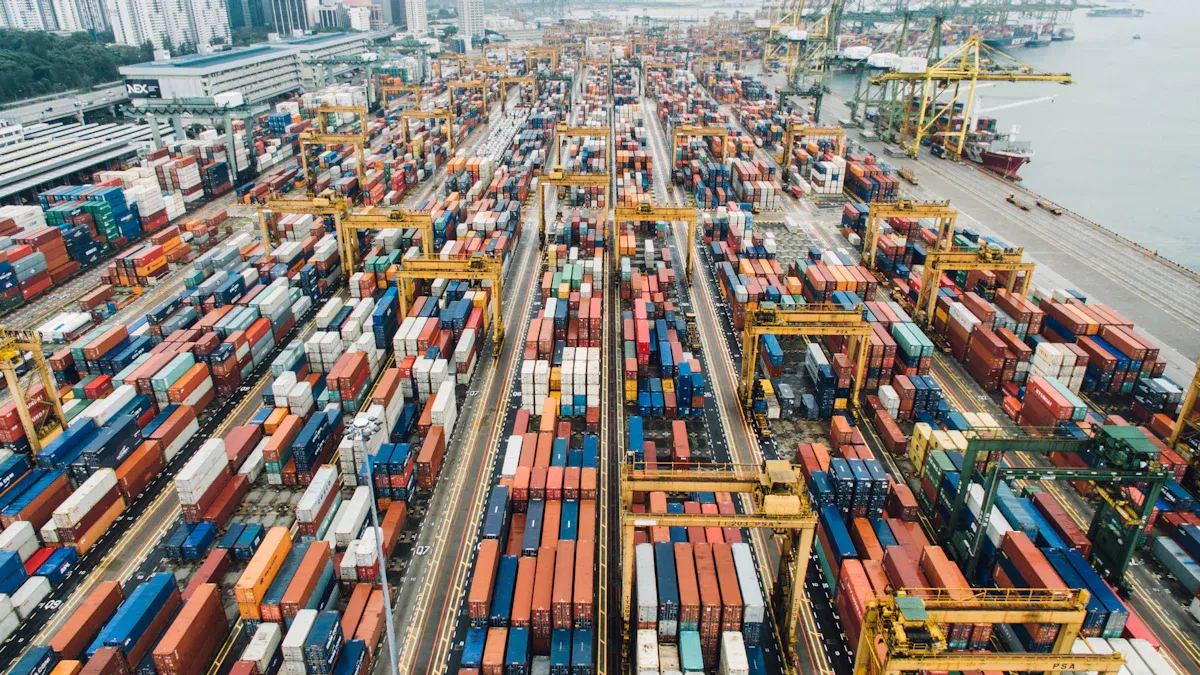
You may wonder what cross-border logistics means and why it matters for you. Cross-border logistics connects businesses and customers across different countries. This field has seen rapid growth in recent years:
The global cross-border e-commerce logistics market reached about USD 97.85 billion in 2023.
Experts expect it to grow to USD 119.29 billion in 2024.
By 2030, the market could reach USD 463.68 billion, with a 25.4% annual growth rate from 2025 to 2030.
Many beginners feel unsure because cross-border logistics can seem complex. The table below shows some common challenges you might face:
Challenge | Description |
|---|---|
Language barriers | Communication difficulties can arise due to different languages spoken in various regions. |
Pricing complexity | Understanding the total cost including shipping, customs, and taxes can be challenging. |
Compliance with regulations | Navigating the legal paperwork and regulations for different countries can be complex. |
Logistics management | Coordinating shipping and handling across borders requires careful planning and execution. |
Fraud without borders | International ecommerce is susceptible to fraud, requiring robust verification processes. |
Returns | Managing returns across borders adds complexity due to duties and taxes involved. |
You can use this cross border logistics guide to learn how to handle these issues. With the right knowledge, you can unlock new business opportunities and join the growing world of global trade.
Key Takeaways
Understand cross-border logistics to connect with international customers and expand your business.
Choose the right transportation mode based on your shipment's urgency and cost-effectiveness.
Prepare accurate documentation to avoid customs delays and ensure smooth shipping.
Select reliable logistics partners with industry experience to enhance your shipping efficiency.
Stay informed about customs regulations and market trends to make better shipping decisions.
Cross Border Logistics Guide: Essentials
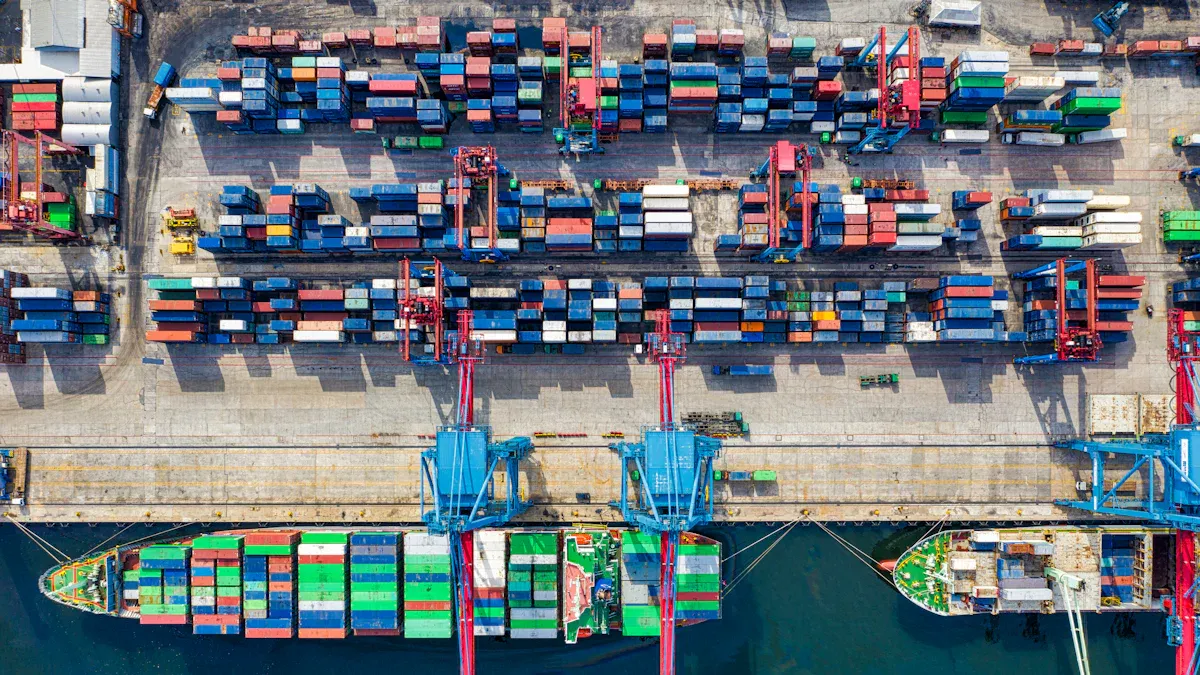
What Is Cross-Border Logistics?
You may hear the term "cross-border logistics" often in global trade. This process means moving goods from one country to another. You must follow customs rules and meet each country's regulations. Cross-border logistics also includes managing shipments for customs clearance and making sure you follow international shipping standards.
You need to transport goods across borders.
You must handle customs paperwork and follow the law.
You work with shipping companies to move products safely and quickly.
As global trade grows, cross-border logistics becomes more important. You can deliver products to customers in different countries with fewer problems. This cross border logistics guide will help you understand each step.
Why It Matters for Beginners
You may wonder why you should learn about cross-border logistics. If you want to sell products outside your country, you need to know how to move goods across borders. This knowledge helps you avoid mistakes and save money.
Here are some main benefits for beginners:
Benefit | Description |
|---|---|
LTL allows businesses to share shipping costs with other shippers. | |
Flexibility | Businesses can ship smaller quantities more frequently. |
Reduced risk of border delays | Logistics providers with cross border expertise can expedite shipments. |
Seamless coordination | Freight forwarders handle the complexities of international shipping. |
Customs expertise | Freight forwarders ensure compliance with regulations, avoiding delays. |
You also gain these advantages:
Diversification of your supply chain
Expansion of your reach and customer base
You can use this cross border logistics guide to open new doors for your business. You will learn how to ship products, reach new customers, and grow your company.
Key Components of Cross-Border Logistics
Transportation Modes
You need to choose the right transportation mode for your shipments. This decision affects your delivery speed, costs, and reliability. Most cross-border shipments use freight transport, which makes up over 75% of the market share. Full Truckload (FTL) is the most popular choice for high-volume and high-value goods. Road transport continues to grow, showing its importance in cross-border logistics.
You can also use other transportation modes:
Air Freight: Delivers goods quickly, usually within 1 to 7 days. Air freight works best for time-sensitive products, but it costs more than other options.
Sea Freight: Moves large shipments at a lower cost. Sea freight takes longer, often 3 to 6 weeks for shipments from Asia to North America.
Rail Freight: Offers a balance between speed and cost, especially for land-connected countries.
Road Freight: Provides flexibility and direct delivery to many locations. Road transport is ideal for regional shipments.
Tip: If you want fast delivery, choose air freight. If you want to save money on large shipments, sea freight is a better option.
Storage & Warehousing
You must manage your storage and warehousing to keep your supply chain running smoothly. Warehousing solutions help you store, sort, and prepare goods for delivery. You can select from several options based on your needs:
Warehousing Solution | Description |
|---|---|
Customs Bonded Warehousing | Lets you manage customs inspections and release processes efficiently for imported freight. |
Foreign Trade Zone (FTZ) | Allows you to repackage, modify, and re-export goods without customs duties until you transfer them out. |
Cross Docking | Sends items directly from supplier to delivery truck, skipping warehouse storage for faster delivery. |
Pick and Pack | Offers customizable order fulfillment and specialized services to improve supply chain efficiency. |
You should also consider these factors:
Customs compliance helps you avoid delays and fines. Always prepare accurate shipment declarations and documentation.
Cargo security protects your goods. Use seal verification, 24/7 monitoring, and tamper-evident systems.
Advanced technology in warehouses lets you track inventory in real time and supports services like repackaging and quality control.
Note: Flexible warehousing options can help you manage seasonal demand and special projects. Many companies offer short- and long-term solutions for different industries.
Customs Clearance
Customs clearance is a critical step in the cross border logistics guide. You must follow each country's rules and prepare the right documents. Customs agents inspect your paperwork, assess duties and taxes, and release your shipment once payments are complete.
Here are the main steps in customs clearance:
Document inspection: Customs agents check your commercial invoices and packing lists for accuracy.
Assessment of duties and taxes: Customs uses HS codes and declared values to determine what you owe.
Payment of duties and taxes: You or your customer must pay these fees before your goods can move forward.
Final release of the shipment: Customs releases your goods for delivery after confirming payment.
Most shipments clear customs in 1 to 3 days. Routine imports often finish in a single day. If your shipment faces delays longer than 3 or 4 days, you should investigate the cause.
Reminder: Working with customs brokers can help you avoid mistakes and speed up the clearance process. Staying informed about trade regulations and agreements is essential for compliance.
You can use this cross border logistics guide to understand each component and make better decisions for your business. When you know how transportation, warehousing, and customs clearance work together, you can build a stronger supply chain and reach more customers worldwide.
Product & Market Choice
Selecting Products
You need to choose products that work well for international shipping. Some categories perform better in cross-border e-commerce. You can focus on these profitable areas:
Personal Care & Beauty: Many customers want global brands and unique products.
Fashion and Apparel: Fast fashion trends drive high demand across borders.
Health & Nutrition: Wellness products attract buyers from many countries.
Entertainment & Education: Digital content and learning tools grow in popularity.
Food & Beverages: People enjoy trying new foods from other cultures.
Consumer Electronics: Competitive prices and global brands make this category the fastest-growing.
When you select products, you should also consider important criteria for cross-border logistics. Here is a simple checklist:
Prioritize strategic geography. Choose partners with locations that reduce transit times.
Look for experience in cross-border logistics. Partners who know customs rules and delays help you avoid problems.
Check the quality of services offered. Make sure your logistics provider meets your needs for shipping, tracking, and support.
Tip: Products that ship easily, have high demand, and fit your budget work best for beginners.
Researching Target Markets
You must understand your target market before you start shipping. Each country has unique consumer habits and preferences. You should research these factors:
Local market trends and buying behaviors
Compliance with regulations to avoid legal issues
Political risks, such as unstable governments or sanctions
The Asia Pacific region leads in cross-border logistics growth. China, Japan, and India show strong demand for international products. Latin America and the Middle East also grow, but not as quickly.
Region | Fastest-Growing Countries |
|---|---|
Asia Pacific | China, Japan, India |
Latin America | Brazil, Mexico |
Middle East | UAE, Saudi Arabia |
You can use this cross border logistics guide to match your products with the right markets. Careful research helps you avoid mistakes and find new customers.
Shipping Prep
Documentation Basics
You need to prepare the right documents before you ship goods across borders. Each country and region has its own requirements. Missing or incorrect paperwork can cause delays and extra costs. Here are some of the most common documents you will need:
Commercial Invoice
Packing List
Bill of Lading (Inland, Ocean, or Air Waybill)
USMCA Certificate of Origin (for North America)
Import permits or export licenses (for certain countries)
EPR certification (India), NOM compliance (Mexico), waiver certificates (Angola)
One of the most important details is the country of origin. This is not always the same as the country you ship from. If you leave out this information or make mistakes, you can face delays and fines.
Common Documentation Errors | Description |
|---|---|
Mismatching product descriptions | Differences between documents can cause delays. |
Incorrect HS codes | Wrong codes can lead to customs problems. |
Missing country of origin | Customs may hold your shipment. |
Inaccurate value or quantity | Can trigger inspections and extra fees. |
Missing required documents | Some countries need special forms, like the carta porte in Mexico. |
Tip: Double-check all your documents for accuracy before you ship.
Customs Compliance
You must follow customs rules for each country. The United States and the European Union have strict requirements. For the EU, you need an EORI number to file customs declarations. You can also apply for AEO certification, which gives you faster customs clearance and security benefits. U.S. exporters must follow rules for hazardous substances and use the right labels and packaging. The Union Customs Code sets the main rules for the EU.
Requirement | Description |
|---|---|
AEO Certification | Lets you use customs simplifications and get security benefits in the EU. |
EORI Number | Needed for customs declarations in the EU. |
Hazardous Substances Rules | U.S. exporters must label and package these goods correctly for the EU. |
Union Customs Code | Sets the main customs rules for the EU. |
You should always check the latest rules for your target country. Customs brokers can help you stay compliant and avoid delays.
Packaging & Labeling
You need to package your goods safely for long journeys. Good packaging protects your products from damage and theft. Use strong boxes, bubble wrap, and tamper-evident seals. Label each package with clear shipping and handling instructions. For some products, you must add special labels, such as hazardous material warnings or country of origin.
Use waterproof and sturdy materials.
Add clear labels in the language of the destination country.
Include all required symbols and handling instructions.
Note: Proper packaging and labeling help you avoid customs problems and keep your goods safe.
You can use this cross border logistics guide to make sure you prepare your shipments the right way. Careful planning helps you avoid delays and keeps your business running smoothly.
Choosing Transportation & Partners
Freight Options
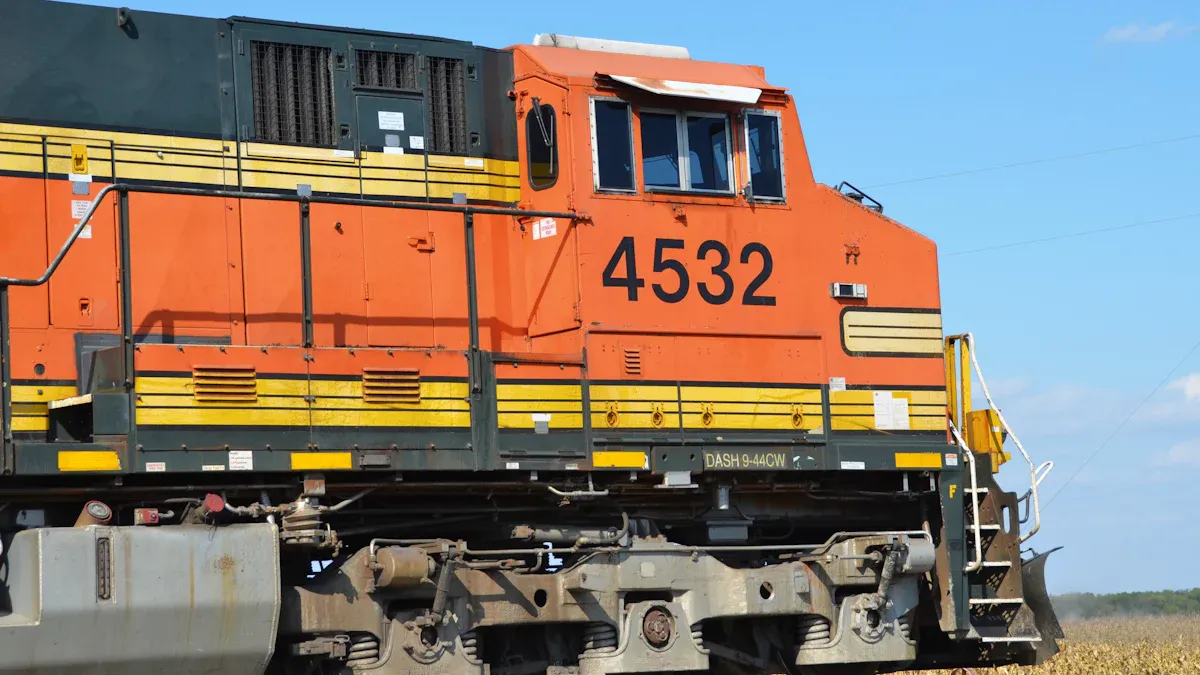
You have several freight options when shipping goods internationally. Each method has its own strengths. Ocean freight is the most common choice for global trade. It handles about 90% of all goods shipped worldwide. Ocean freight works best for large shipments and offers the lowest cost per unit. Air freight moves goods much faster. You can use it for urgent or high-value items, but it costs more than other options. Road freight gives you flexibility for regional deliveries. Rail freight provides a balance between speed and cost, especially for land-connected countries.
When you compare freight options, you need to understand the different cost components. Here is a table that breaks down the main charges you may see:
Cost Component | Description |
|---|---|
Base freight rate | The basic cost of shipping goods from the port of origin to the port of destination. |
Bunker Adjustment Factor (BAF) | A surcharge that accounts for fluctuations in fuel prices. |
Currency Adjustment Factor (CAF) | A surcharge that compensates for exchange rate fluctuations. |
Terminal Handling Charges (THC) | Fees charged by port authorities for handling containers at the origin and destination ports. |
Surcharges | Additional fees that may apply, such as for hazardous materials, peak season, or port congestion. |
Tip: Choose ocean freight for large, non-urgent shipments. Use air freight when speed matters most.
Logistics Partner Selection
Selecting the right logistics partner is a key step in your cross border logistics guide. You want a partner who understands your industry and can handle your shipping needs. Look for companies with strong technology, so you can track your shipments in real time. Make sure your partner can scale with your business and handle busy seasons. Check their service history to see if they deliver on time. A good partner has a wide network and clear pricing. Customer service matters, too. You need a team that communicates well and helps you solve problems.
Here are important criteria to consider:
Criteria | Description |
|---|---|
Industry Experience and Expertise | Experience in your industry and ability to handle logistics challenges. |
Technology Capabilities | Real-time tracking, reporting, and system integration. |
Scalability and Flexibility | Ability to grow with your business and adapt to changing needs. |
Reliability and Performance | Consistent service and strong performance metrics. |
Network and Infrastructure | Wide geographic coverage and strong transportation resources. |
Cost Structure and Pricing | Transparent pricing with no hidden fees. |
Customer Service and Communication | Responsive support and clear communication. |
Note: Always ask for references and check reviews before you choose a logistics partner.
Managing Costs & Avoiding Mistakes
Cost Factors
You need to understand the main cost factors in cross-border logistics. These costs can change your profit and affect your business decisions. The table below shows the most important cost factors and how they impact your bottom line:
Cost Factor | Impact on Profitability |
|---|---|
Transportation Costs | Directly affects operational efficiency and overall shipping expenses. |
Last-Mile Delivery | Accounts for over 53% of total shipping costs, influencing customer satisfaction. |
Customs Compliance | Prevents costly penalties and enhances profit through efficient management. |
Risk Management | Mitigates financial losses from operational challenges, protecting profit margins. |
Transportation costs often make up the largest part of your budget. Last-mile delivery can surprise you with high expenses, especially when you ship to remote areas. Customs compliance helps you avoid fines and delays. Good risk management protects your profits from unexpected problems. You should review these costs often to keep your business healthy.
Tip: Track your shipping expenses and compare them with your sales. This helps you spot areas where you can save money.
Common Pitfalls
Many beginners make mistakes that lead to extra costs and delays. You can avoid these problems by learning from others. Here are the most common pitfalls in cross-border logistics:
Waiting too long to establish a customs broker.
The information in the bill of lading and commercial invoice does not match exactly.
Shipping before you’re in 100% alignment with the customs broker.
Not confirming after-hours contact information.
Underestimating transit time.
You should set up a relationship with a customs broker early. Always check that your documents match. Make sure you and your broker agree on every detail before shipping. Confirm contact information for emergencies. Plan for realistic transit times to avoid disappointing customers.
Note: Use this cross border logistics guide to help you avoid these mistakes. Careful planning and attention to detail will keep your shipments moving smoothly.
Technology for Efficiency
Software & Tools
You can make your logistics process smoother by using the right software and digital tools. These tools help you manage shipments, track orders, and keep your team connected. Many companies use logistics management platforms to handle sales, financial reports, and electronic paperwork. You can also find tools that let you track parcels and documents in real time. Some platforms bring together orders, shipments, and contracts, so you see everything in one place. Collaboration tools help your team work better together. Supply chain control features let you organize every step, from warehouse to delivery.
Here is a table showing the most important features to look for:
Feature | Description |
|---|---|
Logistics Management | Manage logistics operations efficiently with sales/financial reports and electronic paperwork. |
Real-time Tracking | Organize and track parcels, assets, and documents in real time. |
Cross-Border Shipping | Execute complex shipping operations with a federated system for all departments. |
Integration | Deep integration of orders, shipments, documents, and contracts into the platform. |
Collaboration Tools | Provide teams with tools to work collaboratively and enhance productivity. |
Supply Chain Control | Organize the entire supply chain for better management. |
Tip: Choose software that matches your business size and needs. Good tools save you time and reduce mistakes.
Shipment Tracking
You need strong shipment tracking to keep your customers happy and your business running well. Tracking solutions give you updates on where your goods are at every step. This builds trust and helps you spot problems early. You can act fast if there are delays or issues. Tracking also helps you follow rules and keep your shipments safe.
Key features to look for include:
Live location monitoring with frequent updates
IoT sensor integration to check shipment conditions
Automated alerts for delays or arrival times
Data synchronization with carriers for real-time status
Predictive analytics to estimate delivery and suggest new routes
The table below shows more features that help with cross-border shipments:
Feature | Description |
|---|---|
Regulations compliance tools | Helps comply with safety, vehicle inspection, and fuel regulations. |
Real-time location tracking | Monitors vehicle locations in real time, providing visibility over fleet movements. |
Geofencing and automated alerts | Sets virtual boundaries and sends notifications for customs compliance and unauthorized stops. |
Multi-network SIM connectivity | Ensures uninterrupted tracking as vehicles cross into different countries. |
Customizable reporting tools | Generates region-specific reports for audits and regulatory compliance. |
Route planning | Plans efficient routes using real-time traffic data to reduce delays and costs. |
Driver behavior monitoring | Tracks driving habits to improve safety and compliance with road safety standards. |
Remote diagnostics alerts | Sends notifications for vehicle maintenance to prevent breakdowns. |
Secure data storage and access | Stores trip data in the cloud for easy retrieval during inspections or audits. |
Note: Using technology from this cross border logistics guide helps you stay ahead and keep your shipments on track.
Success Tips & Troubleshooting
Best Practices
You can make your cross-border logistics smoother by following some key best practices. These steps help you avoid common problems and keep your shipments moving.
Make sure your products meet all customs regulations before you ship.
Build strong relationships with trusted logistics partners.
Adjust your logistics plan for each type of cargo you send.
You should also:
Learn customs rules for every country you ship to. This helps you avoid penalties.
Use technology like automated customs software to speed up your work.
Work closely with reliable logistics providers for better results.
“One of the primary complexities when you look at Mexico and USA trade is really understanding the commodities you’re handling and how they play into those free trade agreements.” — Carlos Gonzalez-Compte, Managing Director, LATAM, at Pegasus Logistics Group
You can use these best practices from this cross border logistics guide to keep your supply chain strong and efficient.
Handling Issues
Problems can happen in cross-border logistics. You need to know how to handle them quickly. Here are some common issues and what you can do:
Issue | What You Can Do |
|---|---|
Customs Delays | Check your documents for errors and fix them fast. |
Lost Shipments | Use tracking tools to find your goods. |
Damaged Goods | Use strong packaging and take photos before shipping. |
Communication Gaps | Keep in touch with your partners often. |
Unexpected Costs | Review all charges and ask for clear invoices. |
Tip: Stay calm when problems happen. Take action right away and talk to your partners for help.
You can solve most issues by staying organized and using the right tools. Good planning and quick action help you keep your business running smoothly.
You can succeed in cross-border logistics by following a few important steps:
Learn about transportation routes and shipping methods.
Study customs rules to avoid problems.
Prepare accurate documents for every shipment.
Pick markets with strong demand.
Check country-specific rules before you ship.
You can keep learning by using expert resources like guides, webinars, and case studies. Explore updates, advisories, and videos from trusted networks such as C.H. Robinson. These tools help you stay informed and improve your shipping process. 🚚
FAQ
What documents do you need for cross-border shipping?
You need a commercial invoice, packing list, and bill of lading. Some countries ask for special forms, like certificates of origin or import permits. Always check the rules for your destination.
How can you avoid customs delays?
Double-check your paperwork for errors. Work with a customs broker. Use clear product descriptions and correct codes. Stay updated on local regulations.
Which transportation mode is best for beginners?
Road freight works well for short distances. Ocean freight saves money for large shipments. Air freight moves goods quickly but costs more. Choose based on your budget and delivery needs.
What should you look for in a logistics partner?
Pick a partner with experience in your industry. Look for real-time tracking, strong customer service, and clear pricing. Ask for references and read reviews.
How do you track your shipment?
Use tracking software from your logistics provider. You get updates on your shipment’s location and delivery status. Some tools send alerts for delays or arrival times.
See Also
Simplifying Cross-Border Freight on the West Coast
Effortless North American Trucking with Premier Global Logistics
Key LCL Shipping Steps for Exporting from Panama
Crucial Strategies for Effective Global Logistics Management
Enhancing International Operations Through Innovative Logistics Solutions
