DDU vs DDP Comparison Made Simple for Everyone
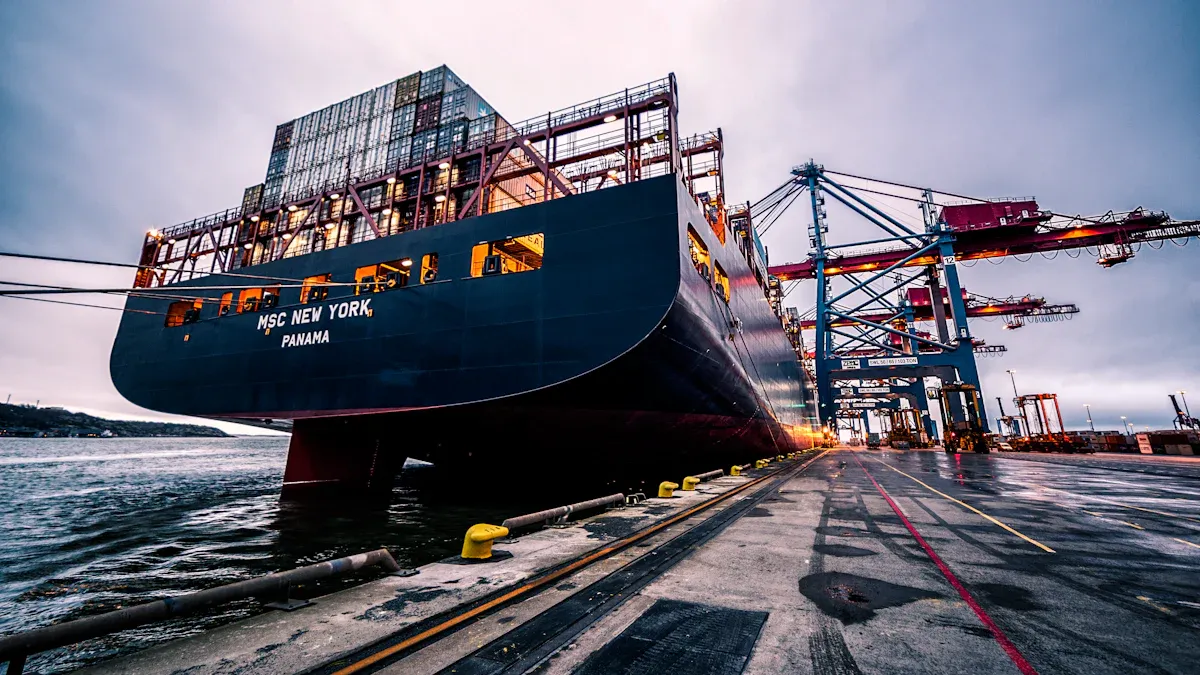
When you look at ddu vs ddp comparison, you see the main difference in who pays duties and taxes for your shipment.
If you choose DDU (Delivery Duty Unpaid), you pay all taxes, duties, and customs fees when your package arrives.
If you pick DDP (Delivery Duty Paid), the seller handles all duties and taxes for you before shipping.
This post helps you decide which option fits your shipping needs best.
Key Takeaways
DDU means you pay duties and taxes upon delivery. Be prepared for potential surprise fees and customs delays.
DDP allows the seller to handle all duties and taxes upfront. This option offers a hassle-free experience with no unexpected costs.
Choose DDU if you want more control over shipping costs and are familiar with customs processes. It works well for low-value items.
Opt for DDP when shipping high-value goods or if customer satisfaction is a priority. It ensures a smooth delivery without extra paperwork.
Use the decision checklist to evaluate your shipping needs. Consider responsibilities, costs, and product types before choosing DDU or DDP.
Quick Definitions
What is DDU?
When you see DDU, it stands for Delivered Duty Unpaid. This shipping term means the seller sends your goods to your country but does not pay any import duties or taxes. You become responsible for paying these extra costs when your package arrives. The seller covers the cost and risk of getting your goods to the agreed place, but you must handle customs clearance and pay any fees before you can receive your shipment.
Tip: If you choose DDU, make sure you know how much duties and taxes will cost in your country. Surprises at customs can delay your delivery.
Here is a simple table to help you understand the official definitions:
Term | Definition |
|---|---|
The seller delivers goods to a specified destination without paying import duties. The seller bears all costs and risks until delivery, while the buyer is responsible for customs clearance and payment of duties. | |
Delivered Duty Paid (DDP) | The seller is responsible for delivering goods to the buyer, including all customs duties and taxes. The seller assumes all costs and risks, and the buyer has no responsibilities in the import process. |
What is DDP?
DDP stands for Delivered Duty Paid. When you pick DDP, the seller takes care of everything. The seller pays all duties, taxes, and handles customs clearance before your goods arrive. You do not need to worry about extra charges or paperwork at the border. Your package comes straight to you, ready to use or sell.
You might notice that in a ddu vs ddp comparison, DDP gives you less hassle. You get a smoother shipping experience because the seller manages all the steps. This option works well if you want a simple process and no surprise costs.
DDU vs DDP Comparison

Who Pays Duties and Taxes
When you look at a ddu vs ddp comparison, you notice the biggest difference in who pays duties and taxes.
With DDU, you pay all import duties, taxes, and customs fees when your shipment arrives.
With DDP, the seller pays these costs before shipping, so you do not face extra charges at delivery.
If you want to avoid surprise fees, DDP gives you a clear cost upfront. DDU can work if you know how to handle customs and want more control over costs.
Customs Clearance Responsibility
Customs clearance is another key point in the ddu vs ddp comparison.
Under DDU, you must manage customs clearance yourself. This means you fill out paperwork, pay duties, and handle any issues at the border.
Under DDP, the seller takes care of customs clearance. You receive your goods without dealing with customs or extra paperwork.
Note: If you lack experience with customs, DDP can save you time and stress. DDU may cause delays if you are not prepared for the process.
Risk and Responsibility Transfer
You need to know when risk and responsibility move from seller to buyer. The ddu vs ddp comparison shows different transfer points.
Agreement | Risk Transfer Point |
|---|---|
DDU | Risk transfers when goods arrive at your destination, ready for unloading. |
DDP | Risk transfers only after goods clear import and reach your location. |
With DDU, you take on risk as soon as the shipment arrives. With DDP, the seller handles risk until you receive the goods.
Cost Impact for Buyers and Sellers
The ddu vs ddp comparison also affects costs for both buyers and sellers.
DDU puts the cost of duties and customs clearance on you. You may face surprise fees and delays if you do not know local rules.
DDP means the seller pays all duties and taxes upfront. You get a seamless experience, but the seller takes on more risk and cost.
Here are some common cost advantages:
DDU works well if you know customs rules and want to save money. You can avoid extra fees and find better shipping rates.
DDP helps if you lack customs experience or ship high-value goods. The seller controls the process and reduces risks for you.
Service Type | Customs Delays | Clearance Time Reduction | Customer Complaints | On-time Delivery Rate |
|---|---|---|---|---|
DDP | Minimal | 92% reduction | 0 | 100% |
DDU | Significant | N/A | N/A | N/A |
DDP usually leads to faster customs clearance and higher customer satisfaction. DDU can cause delays and unexpected costs, which may hurt your experience.
DDP offers a smooth process for buyers, but sellers must handle more paperwork and pay all fees upfront. DDU lets sellers control shipping costs, but buyers face more responsibility and risk.
Pros and Cons

DDU Pros and Cons
When you choose DDU, you take control of customs and delivery. This option gives you several advantages:
You reduce the seller’s responsibility at the final destination. This helps in countries with unpredictable customs.
You can pick your own customs broker. This often leads to faster clearance and fewer delays.
You manage final-mile delivery using your own network. This can improve reliability and lower costs.
You avoid unexpected charges for the seller. You know your expenses before the shipment arrives.
You build trust and better communication with your trading partner.
You handle customs directly in developing markets, which can be easier for you.
However, DDU also brings some challenges. You may face unexpected costs and delays if you are not ready for customs. The table below shows common drawbacks for both buyers and sellers:
For Sellers | For Buyers |
|---|---|
Limited control over customs clearance | Unexpected costs due to import duties and taxes |
Potential delays in delivery timeline | Need for knowledge of customs regulations |
Communication issues regarding shipment | Potential delays if unprepared for customs |
You might also run into problems like miscommunication or missing documents. Customs delays can happen if you do not know the process.
DDP Pros and Cons
DDP makes shipping simple for you. The seller handles all duties, taxes, and paperwork. You get these benefits:
You enjoy a smooth importing process. The seller manages customs clearance for you.
You avoid paperwork and extra tasks. The process feels easy.
You know the total cost before you buy. There are no surprise fees.
You trust your international supplier more. The seller takes on the risk.
You feel confident about your shipment. The seller ensures everything arrives safely.
Still, DDP has some downsides:
Sellers must follow local laws. Mistakes can lead to penalties.
Sellers face cost changes if duties or tariffs go up.
Unique customs rules in each country can cause delays.
You may pay higher prices for this convenience. You also lose some control over how your goods ship. Errors can happen if the seller does not know local customs rules.
The ddu vs ddp comparison shows that DDU gives you more control, while DDP offers less hassle but higher costs.
Choosing the Right Option
When to Use DDU
You might choose DDU if you want to keep shipping costs low or if your products have a lower value. DDU works well in countries with simple customs rules or minimal import duties. If you feel comfortable handling customs paperwork and prefer to control the final delivery, DDU gives you flexibility. Many small and medium-sized businesses use DDU to enter new markets and offer competitive prices. You can also benefit from DDU if you work with consolidators or have access to advanced tracking systems.
Common scenarios for DDU:
You ship low-value items.
Your destination country has low import taxes.
You want to avoid paying duties upfront.
Your buyer agrees to handle customs clearance.
Tip: Always communicate clearly with your customers about possible customs charges and pickup procedures.
When to Use DDP
DDP is a smart choice when you want a smooth, hassle-free shipping experience. You should use DDP for high-value products, strict customs destinations, or when customer satisfaction matters most. E-commerce brands, luxury goods sellers, and companies shipping to the EU, UK, or China often prefer DDP. You avoid surprise fees, and your customers receive their orders without delays.
Industries that often use DDP:
Automotive and heavy machinery
Luxury goods and fashion
Pharmaceuticals and medical equipment
You may also pick DDP if you want to build trust with buyers and offer a transparent, all-inclusive price.
Decision Checklist
Use this checklist to help you decide between DDU and DDP for your next shipment:
Checklist Item | Description |
|---|---|
Responsibilities of Seller and Buyer | Who pays duties and handles customs? |
Customer Communication | Have you explained possible extra fees to your customers? |
Cost Analysis | Have you compared total costs, including hidden fees? |
International Trade Agreements | Do trade agreements affect your shipping terms? |
Product Types | Does your product value or type influence your choice? |
Business Model Considerations | Does your shipping method match your business goals? |
Do your research on import/export rules for each country. Be transparent with customers about charges and duties. Aim for a smooth experience by clarifying responsibilities.
You see clear differences between DDU and DDP. DDP gives you a smoother delivery because the seller pays all duties and taxes upfront. DDU asks you to handle customs fees, which can cause delays. If you run a small business or import for the first time, pick DDP when the seller can manage taxes. Always check the total cost before you choose. Remember, understanding your shipping needs helps you avoid surprises and makes international shipping easier for you.
FAQ
What happens if you do not pay duties under DDU?
Customs will hold your package until you pay all required duties and taxes. If you do not pay, you may lose your shipment or face extra storage fees.
Can you switch from DDU to DDP after placing an order?
You cannot usually change shipping terms after the order ships. Contact your seller quickly if you want to switch. Some sellers may help before they send your goods.
Does DDP always mean faster delivery?
DDP often speeds up delivery because the seller handles customs. You avoid delays at the border. However, delivery time can still depend on shipping carriers and local customs rules.
Who should choose DDU?
You know your country’s customs process.
You want to control final delivery.
You ship low-value items.
You want to save on upfront costs.
Tip: Always check local import rules before choosing DDU.
See Also
Deciding on LTL, FTL, or Drayage Solutions with PGL
The Impact of Point-to-Point Logistics on Global Efficiency
Connecting Warehouses to Optimize Supply Chains with PGL
PGL’s Efficient Drayage and Trucking Services Save Time
PGL Provides Quick and Flexible Point-to-Point Freight Solutions
