What Happens When Products Are Received in Warehouse: Step-by-Step Breakdown
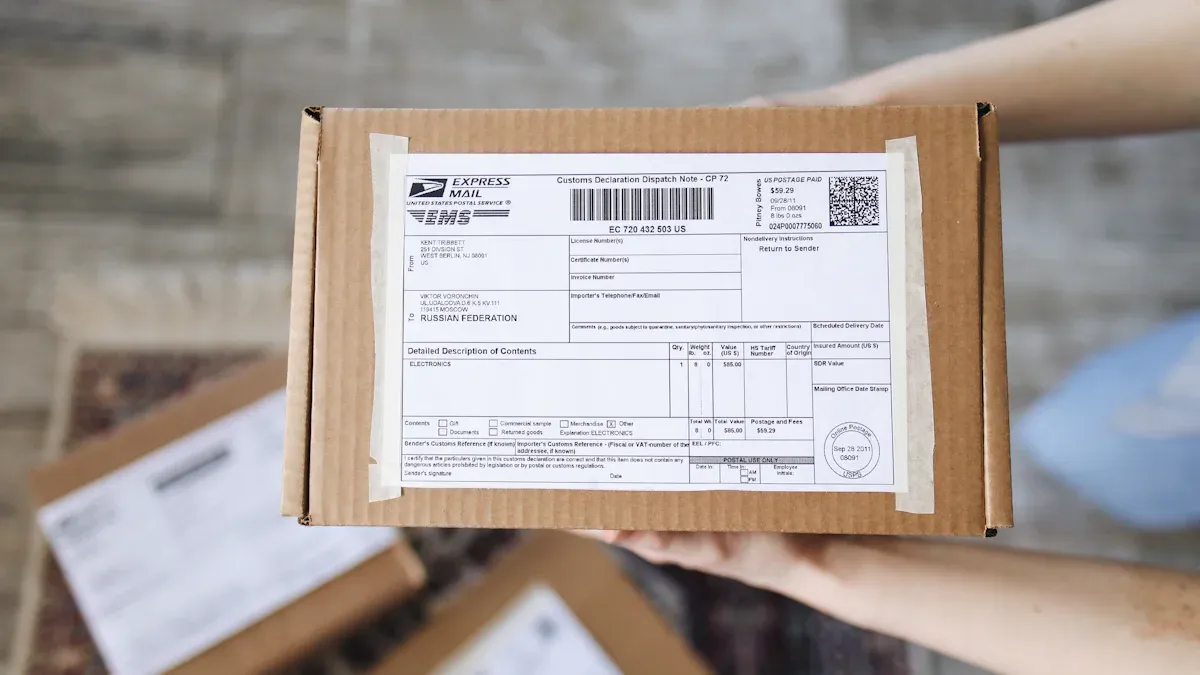
When products arrive at a warehouse, they do not simply move from a truck to a storage shelf.
The receiving process involves checking shipment information, unloading cargo, inspecting products, verifying quantities, updating inventory records, assigning storage locations, and resolving discrepancies.
Understanding what happens after products are received helps businesses identify delays, improve warehouse efficiency, and maintain accurate inventory.
What Happens When Products Arrive at a Warehouse?
The basic process is:
Arrival → Check-In → Unloading → Inspection → Counting → System Receipt → Put-Away → Inventory Available
Each stage serves a different purpose.
1. The Shipment Arrives
The process begins when the carrier arrives at the warehouse.
Warehouse personnel may verify:
· Carrier
· Trailer
· Shipment reference
· Purchase order
· Scheduled appointment
· Number of pallets
The receiving team needs enough information to identify the incoming cargo correctly.
2. The Truck Is Checked In
The driver provides shipment documentation or reference information.
The warehouse records the arrival and assigns a receiving dock when appropriate.
Appointment-based receiving can reduce congestion by spreading arrivals throughout the day.
3. Cargo Is Unloaded
The warehouse unloads the shipment using suitable equipment.
Palletized freight may be unloaded with forklifts or pallet jacks.
Floor-loaded cargo may require manual unloading or specialized equipment.
The unloading method affects labor requirements and processing time.
4. Products Are Inspected
Warehouse employees check the condition of the shipment.
They may identify:
· Damaged cartons
· Broken pallets
· Missing labels
· Water damage
· Visible product damage
Problems should be documented before goods are placed into regular inventory.
5. Quantities Are Verified
The warehouse compares physical quantities against expected quantities.
For example:
Expected: 500 units
Received: 490 units
The 10-unit difference becomes a receiving exception.
The inventory system should not blindly assume that the expected quantity is the actual quantity.
6. Products Are Scanned
Barcode or other identification technology may be used to confirm:
· SKU
· Quantity
· Product identity
· Lot information
· Serial numbers
Scanning improves speed and reduces manual entry.
7. Inventory Is Recorded
Once the products are verified, the warehouse system records the receipt.
The system may update:
· Available quantity
· Received quantity
· Storage location
· Receipt date
· Lot information
· Inventory status
This step makes the products visible to downstream operations.
8. Products Are Assigned to Locations
Warehouse staff determine where the goods should be stored.
Location assignment can depend on:
· Product size
· Weight
· Demand
· Storage requirements
· SKU velocity
· Available capacity
High-volume products may be stored in locations that minimize picking travel.
9. Products Are Put Away
The inventory is physically moved to its assigned location.
Put-away can involve:
· Pallet storage
· Shelf storage
· Bin storage
· Temperature-controlled storage
· Specialized storage
The location should match the warehouse system record.
10. Inventory Becomes Available
After receiving and put-away are complete, the inventory can become available for fulfillment or other downstream use.
Some businesses may place received products on hold until quality inspection or other requirements are completed.
What Happens When There Is a Receiving Problem?
Not every shipment arrives exactly as expected.
Common problems include:
· Short shipment
· Over shipment
· Wrong product
· Damaged product
· Missing documentation
· Incorrect labeling
The warehouse should record the discrepancy and determine the appropriate action.

Why Receiving Speed Matters
Slow receiving can create downstream problems.
If products remain unprocessed at the receiving dock:
· Warehouse space becomes occupied
· Inventory may remain unavailable
· Customer orders may be delayed
· Labor productivity may decline
This is why dock-to-stock time is an important warehouse KPI.
Why Receiving Accuracy Matters More Than Speed Alone
A warehouse that receives products quickly but records them incorrectly has not actually improved its operation.
Incorrect inventory records can lead to:
· False stock availability
· Picking failures
· Order cancellations
· Emergency replenishment
· Customer complaints
The goal should therefore be:
Fast + Accurate + Traceable Receiving
How Imported Containers Are Received
Imported cargo may follow a different process.
A typical sequence is:
Port → Drayage → Warehouse → Container Unloading → Cargo Verification → Inventory Receiving → Put-Away
If transloading is used, products may be transferred directly from an import container into domestic trailers.
This can reduce unnecessary storage but requires careful scheduling.
Frequently Asked Questions
What happens first when products arrive at a warehouse?
The shipment is generally checked in and matched against expected shipment information before unloading and receiving activities begin.
When does inventory become available?
Inventory generally becomes available after the warehouse verifies the shipment and updates the inventory system, although some goods may remain on hold for inspection or other requirements.
What is dock-to-stock time?
It is the time from shipment arrival at the receiving dock until the goods are available in their designated inventory location.
What happens if the quantity received is different from the purchase order?
The discrepancy should be recorded and investigated before inventory records are finalized.

Final Takeaway
When products are received in a warehouse, they pass through a structured sequence of physical and digital processes.
The warehouse must confirm what arrived, inspect its condition, verify quantities, record the receipt, assign storage locations, and move the products into inventory.
An efficient receiving operation improves inventory accuracy, reduces warehouse congestion, and creates a stronger foundation for fulfillment and distribution.
See Also
Key LCL Shipping Steps for Panama Exports with PGL
Concerned About Shipping Delays? PGL Ensures Timely Delivery
Comprehensive LCL Shipping Solutions to Puerto Rico by PGL
Simplified LCL Shipping for Retailers to Puerto Rico with PGL
Choosing the Right U.S. Warehousing and Fulfillment Solution

