Why drayage move process and equipment matter for safe shipping
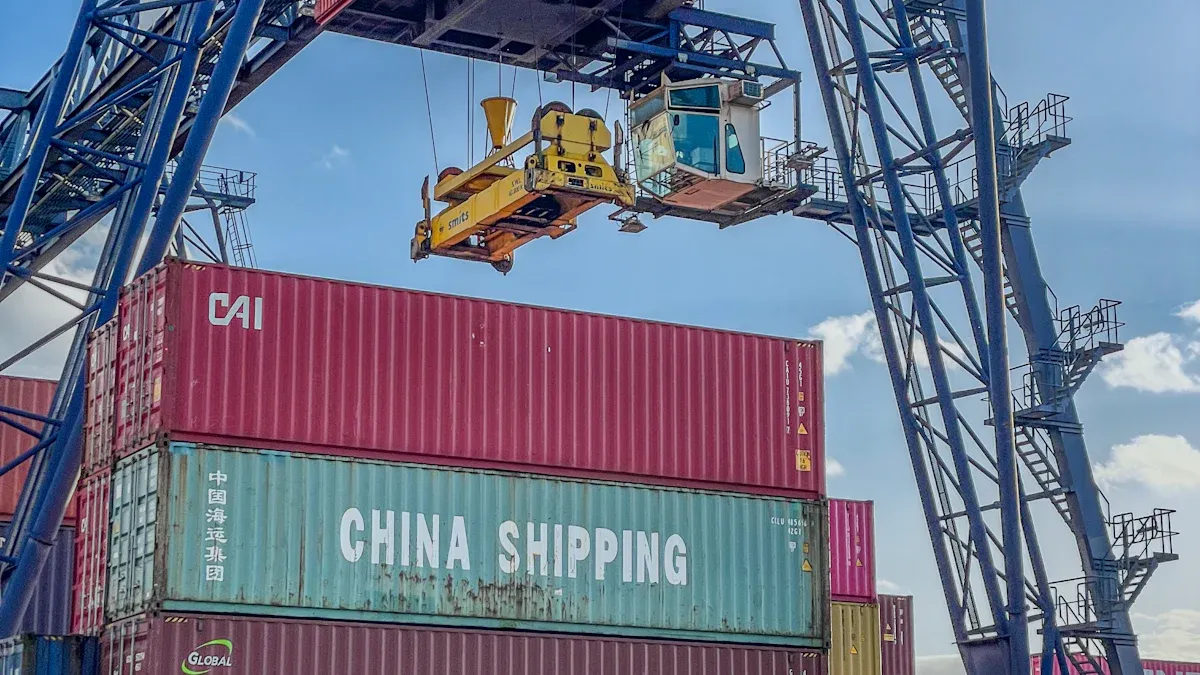
You count on the drayage move process and equipment to keep your shipments safe. When you use new drayage equipment, you lower the chance of damage, delays, and losses during short trips. Good trucks and safe handling tools help protect containers from bumps and shaking. Carriers with big networks and smart technology cut down on transfers, so there are fewer chances for freight damage. Look at the table below to see how good drayage helps:
Factor | Impact on Shipping Safety |
|---|---|
Frequent handling | Raises risk of damage at each touchpoint |
Equipment quality | Air-ride suspension cuts vibration, preventing losses |
Secure load placement | Load bars and strategic stacking keep mixed loads safe |
Network coverage | Fewer transfers lead to safer drayage |
Financial impact | Average LTL damage claims reach $1,796 per shipment |
You can trust the drayage move process and equipment to help you avoid expensive mistakes and keep your cargo safe.
Key Takeaways
New drayage equipment helps stop damage and delays. It makes shipping safer and faster. Check containers when you pick them up. This helps find problems early. It also stops bigger problems later. Pick the best drayage service for your needs. This helps keep deliveries safe and on time. Use real-time tracking to watch shipments. You can fix delays fast this way. Always follow safety and compliance rules. This keeps cargo safe and avoids legal trouble.
What is drayage in logistics
Drayage definition and role
Drayage is very important in logistics. It means moving freight a short way, usually in shipping containers. You often see drayage when cargo goes from a port to a warehouse or rail yard. These short trips connect parts of the supply chain.
Drayage helps move goods fast between ships, trucks, and trains. Without drayage, cargo could stay stuck at the port. This causes delays and extra costs. Drayage services keep shipments on time and help avoid bottlenecks. Using the right drayage makes sure containers move safely and smoothly.
Here are the main points about drayage:
Drayage moves freight short distances, often by truck.
It connects ports, warehouses, and rail yards.
Drayage is a key step in intermodal logistics.
Efficient drayage reduces delays and keeps supply chains running.
Types of drayage services
There are many types of drayage services. Each one fits different needs. The right service helps move cargo safely and quickly. Here is a table with common types of drayage and what they do:
Type of Drayage | Description |
|---|---|
Pier drayage | Moves cargo between ships and warehouses at marine ports. |
Inter-carrier drayage | Transfers goods between different carriers, like from ship to rail. |
Intra-carrier drayage | Moves goods within the same carrier system, often between transport types. |
Expedited drayage | Offers faster transit, often for perishable or urgent goods. |
Shuttle drayage | Moves containers short distances within a terminal or between nearby sites. |
Door-to-door drayage | Delivers containers directly from the port or terminal to the final address. |
You might use shuttle drayage to move containers inside a busy port. Expedited drayage helps deliver urgent shipments fast. Door-to-door drayage brings cargo from the port right to your customer. Picking the right drayage service protects shipments and keeps logistics smooth.
Tip: Choosing the best drayage service can help you avoid traffic, lower risks, and make deliveries faster.
Drayage move process steps
The drayage process has important steps that keep your cargo safe. Each step helps lower risks and makes sure your goods arrive safely.
Pickup and inspection
The first step is pickup and inspection. When your container gets to the terminal, a driver checks in. The driver picks the right chassis for safe travel. Before moving the container, you or your carrier must check it for damage or missing items. You look at the seals, count the pieces, and check papers like the bill of lading. If you see problems, write them on the delivery receipt. This helps you make a claim if something is lost or broken later. Careful checks now stop bigger problems later.
Tip: Always write down how your cargo looks at pickup. Notes like "corners bent" or "missing items" help fix problems fast.
Short-haul transport
After inspection, the next step is short-haul transport. Your container moves a short way, usually from the port to a warehouse or rail yard. There are risks like busy ports, not enough chassis, or broken equipment. To keep cargo safe, drivers use tools like cargo bars, friction mats, and dunnage bags. These tools stop freight from moving or sliding. Good planning and working equipment also help avoid delays and damage.
Securement Technique | Description |
|---|---|
Cargo bars | Hold freight in place and give strap points. |
Friction mats | Stop sliding by adding grip under cargo. |
Dunnage bags | Fill empty spaces to stop load movement. |
Delivery and documentation
The last step is delivery and documentation. When your shipment arrives, the driver checks in and unloads the container. You must count and check all items again. Good records are important for rules and tracking. Main papers are proof of delivery, packing list, and sometimes a dangerous goods declaration. These papers show you got the right cargo and help stop theft or mistakes. Good paperwork also protects you from problems and delays.
Proof of delivery shows you got your shipment and lowers theft risk.
Packing lists help you check what is in the shipment.
Dangerous goods declarations make sure hazardous materials are handled safely.
Good records at every step help you avoid delays, extra costs, and rule problems. By following these steps, you make shipping safer and more dependable.
Drayage move process and equipment
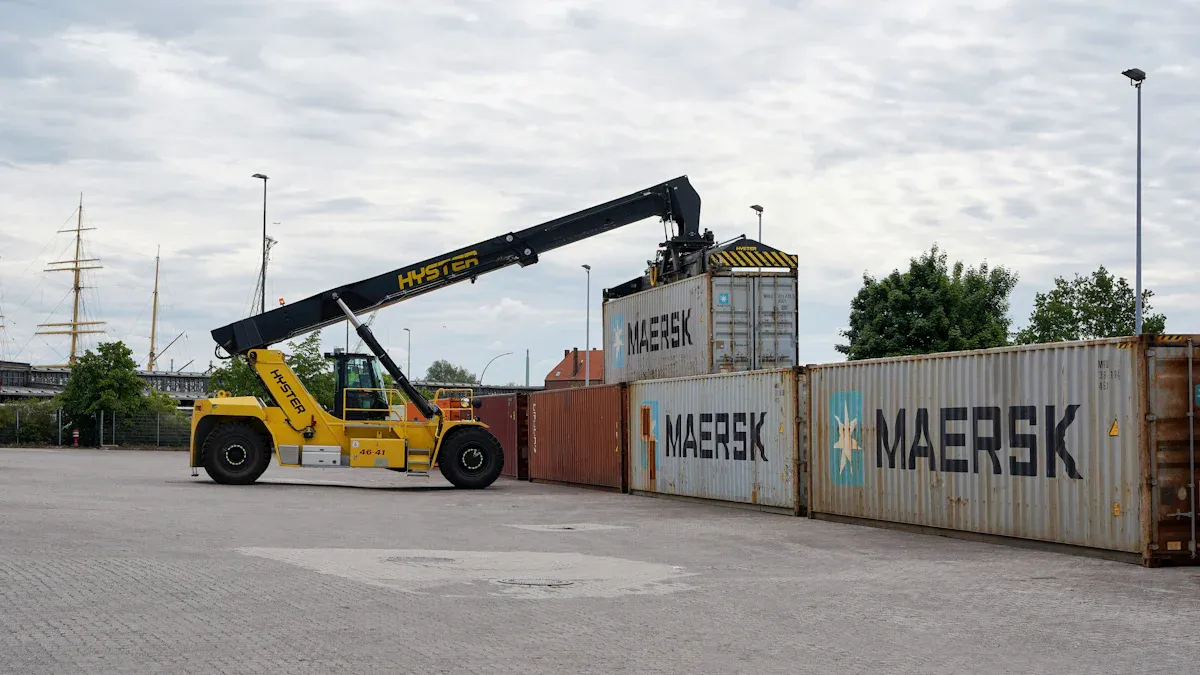
The drayage move process and equipment are very important for safe shipping. You need the right tools and vehicles to keep your cargo safe. Good equipment also helps your work go smoothly. Every piece of equipment in drayage helps with safety, speed, and accuracy.
Trucks and chassis
You need trucks and chassis for every drayage move. These vehicles move containers between ports, rail yards, and warehouses. The right truck and chassis make shipping safer and faster.
Drayage trucks are big semi-trailers that move shipping containers or bulk freight. You can use them for dry containers, high cube containers, or refrigerated containers.
Chassis are special trailers that hold containers during transport. You must pick the right chassis for the size and weight of each container.
Choosing the right truck and chassis helps stop accidents and cargo damage. A good chassis keeps containers steady, even on bumpy roads. This lowers the chance of tipping or shifting. Trucks that follow industry rules help you avoid legal trouble and save fuel. Good drayage services also cut labor and fuel costs by stopping delays.
Note: Always check your truck and chassis before you start a trip. A quick check can stop breakdowns and keep your cargo safe.
Handling equipment
Handling equipment is needed to move containers safely at every step. You use these machines to lift, stack, and move containers without damage.
Some common handling equipment includes:
Container cranes and gantry cranes: These machines lift containers on and off ships or railcars.
Forklifts and reach stackers: You use these to move containers in warehouses or yards.
Straddle carriers: These vehicles help you stack and move containers in busy terminals.
Each type of handling equipment makes logistics safer by lowering manual work and accident risks. Using the right machine for the job protects workers and cargo. Well-kept equipment also makes loading and unloading faster, so your schedule stays on track.
Technology tools
Technology tools have changed the drayage move process and equipment a lot. Now you can track shipments in real time and handle paperwork easily. These tools help you make smart choices and fix problems fast.
Some important technology tools are:
Transportation Management Systems (TMS): These help you plan routes, set up pickups, and manage documents.
GPS tracking: You can see where your trucks and containers are anytime. This helps keep things safe and organized.
Real-time visibility platforms: These let you and your customers follow shipments from start to finish. You can spot delays early and change your plans.
EDI and client-facing APIs: These give you instant access to important documents and shipment data.
With real-time tracking, you can stop theft, avoid accidents, and keep customers updated. Technology also helps you find slow spots and work better. When you use data from these tools, you can pick better routes and measure emissions. This makes your logistics more earth-friendly.
Tip: Use technology to talk with your partners and share information. Good communication makes drayage moves safer and faster.
The right drayage move process and equipment keep shipments safe, lower costs, and help you meet customer needs. By picking the best trucks, machines, and technology, you build a strong base for your logistics and transportation work.
Safety and compliance in drayage
Safety procedures
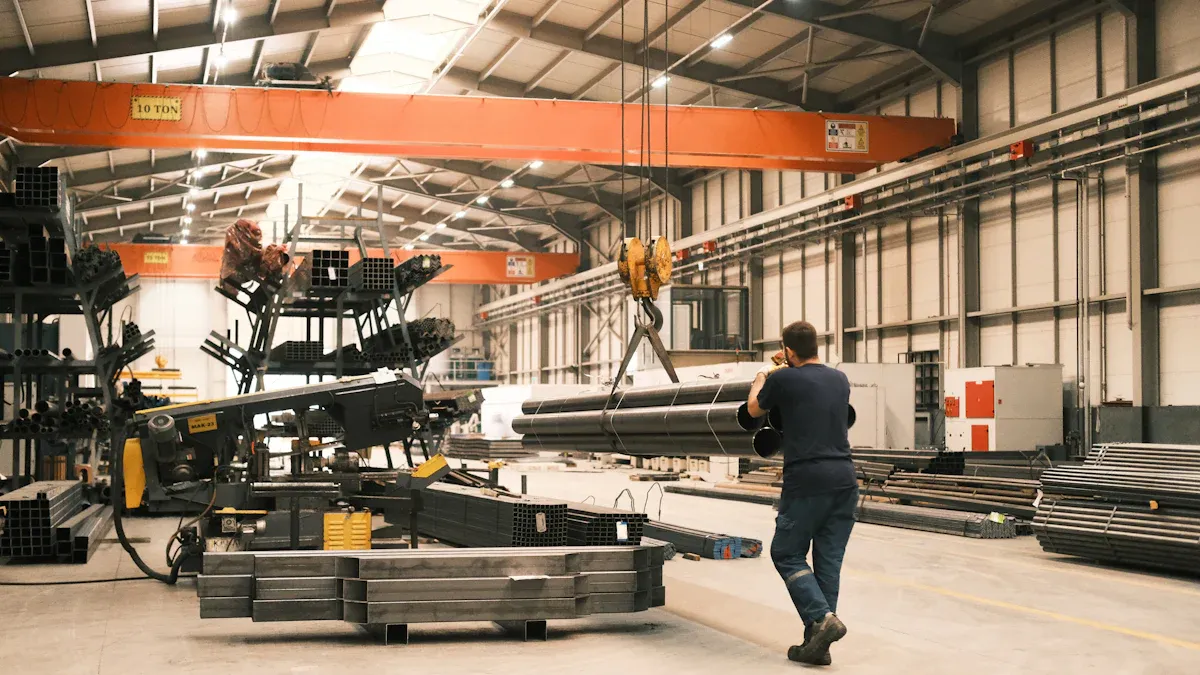
Strong safety steps are needed in drayage. Every part of the job can affect your cargo and team. Drayage happens in busy places like ports and rail yards. These areas have many dangers. You must follow clear rules to keep people and goods safe.
Here are the main safety steps for drayage:
Secure each load with chains, straps, or locks. Check them often so cargo does not move.
Watch weight limits and spread loads evenly. This stops tipping and brake trouble.
Check trucks and equipment before every trip. Look at brakes, tires, and other parts to avoid problems.
Use skilled drivers who know how to load, unload, and drive with heavy containers.
Use technology like GPS and weight sensors. These tools help you watch routes and find problems early.
Keep talking with port staff, drivers, and dispatchers. Good teamwork helps stop accidents.
Make sure everyone wears safety gear and follows signs in all work areas.
Drayage safety is special because you work in crowded places with strict rules. You must watch every detail to stop accidents and delays.
Compliance standards
You must follow strict rules in drayage, especially with hazardous goods. These rules protect people, nature, and your business. If you break them, you can get fines or cause big accidents.
Here is a table that shows key rules for moving hazardous materials in drayage:
Compliance Requirement | Description |
|---|---|
Stricter Compliance Requirements | You must follow rules like 49 CFR, the IMDG Code, and IATA guidelines. |
Specialized Equipment | Use safe packaging, strong tankers, or temperature-controlled containers. |
Highly Trained Personnel | Only hazmat-trained drivers and handlers can move dangerous goods. |
Robust Risk Management | Plan for spills and emergencies. Every detail matters for safety. |
Check all equipment and papers before each move. Make sure drivers have the right training and papers. Always use the correct containers and labels for hazardous cargo. These steps help you avoid legal trouble and keep shipping safe.
Tip: Check your safety and rule plans often. Small changes can make drayage much safer.
Optimizing the drayage process
You can make drayage safer and more reliable by focusing on important steps. When you improve each part, you lower risks and keep things running well. Here are some best ways to manage drayage.
Route planning and scheduling
You need good route planning and scheduling to keep shipments safe and on time. Planning well helps you avoid delays and save money. Here are some ways to do this:
Use planning tools to make sure you have enough trucks and drivers.
Use technology for real-time updates. This helps you see where your shipments are.
Build good relationships with port workers and unions. Good teamwork helps you fix problems fast.
Use different entry and exit points. This helps when roads close or traffic changes.
Make your schedule flexible. Change your plans if there are delays.
These ideas help you work better and safer. AI and GPS can change routes if there is traffic or bad weather. This means your cargo gets there faster and with less risk. Changing plans quickly helps you deal with surprises like road work or accidents.
Partner and equipment selection
Picking the right partners and equipment is important for moving cargo safely and fast. You should think about a few things before you choose.
Criteria | Description |
|---|---|
Understand Your Drayage Needs | Know what containers, how much, and what services you need. |
Evaluate Safety and Compliance | Check if drivers have the right papers and follow safety rules. |
Assess Experience and Reputation | Pick partners who are known for being on time and reliable. |
Inspect Fleet Quality | Make sure trucks and equipment are new and in good shape. |
Prioritize Technology Integration | Choose partners who use tracking and good communication tools. |
Consider Network Reach | Pick those with a big network for better support. |
Compare Costs | Get prices and see which partner gives you the best value. |
Good partners and equipment help you avoid delays and extra costs. Having enough trucks and the right tools lets you move all kinds of cargo. Talking clearly helps you solve problems fast, which keeps shipping safe.
Monitoring and exception handling
You need to watch shipments and fix problems to keep things safe and smooth. Real-time tracking tools show you where containers and drivers are. This helps you find problems early and fix them fast.
Use digital tools to handle rates, orders, and dispatching. This cuts mistakes and makes work faster.
Give drivers mobile apps for better talking.
Use automatic tracking to cut down on waiting and arguments.
Make rules for handling common problems. Set timers to catch issues early and fix them in your main system.
Watching shipments live and following rules helps you avoid missed deadlines and keeps things reliable. Fixing problems quickly protects your cargo and keeps customers happy.
Tip: Check your problem reports often. This helps you spot trends and fix small issues before they get big.
By working on these areas, you make drayage safer, faster, and more reliable. This helps cargo move well and gives you better results in logistics.
You help keep shipping safe by paying attention to the drayage move process and equipment. When you use the right tools and follow good steps, your cargo stays safe. This also helps your work go smoothly.
Remember: Plan carefully and check things often to avoid expensive mistakes. Always put safety and working well first in every drayage move.
FAQ
Why does drayage equipment matter for shipment safety?
Drayage equipment keeps cargo safe from harm. Trucks, chassis, and cranes help containers stay steady. Using tools that work well lowers risks. Safe equipment stops accidents and delays.
Why should you inspect containers during pickup?
You find problems early by checking containers. Looking at seals and papers shows damage or missing things. You can fix issues before moving starts.
Why is real-time tracking important in drayage?
Real-time tracking shows where your shipment is. You can act fast if there are delays or route changes. This keeps cargo safe and tells customers what is happening.
Why do you need trained drivers for drayage moves?
Trained drivers know how to move heavy containers. They follow safety rules and use securement tools. Skilled drivers help stop accidents and keep cargo safe.
Why must you follow compliance standards in drayage?
Compliance standards keep shipments legal and safe. You avoid fines and protect people by following rules for hazardous goods and equipment checks.
See Also
Deciding on LTL, FTL, or Drayage Services with PGL
PGL Offers Efficient Drayage and Trucking from LA and Oakland
Rely on PGL for Safe Delivery of HAZMAT Freight
PGL Provides Miami Warehouse Solutions for Quick East Coast Shipping
