Why Drayage Services Matter for Modern Supply Chains
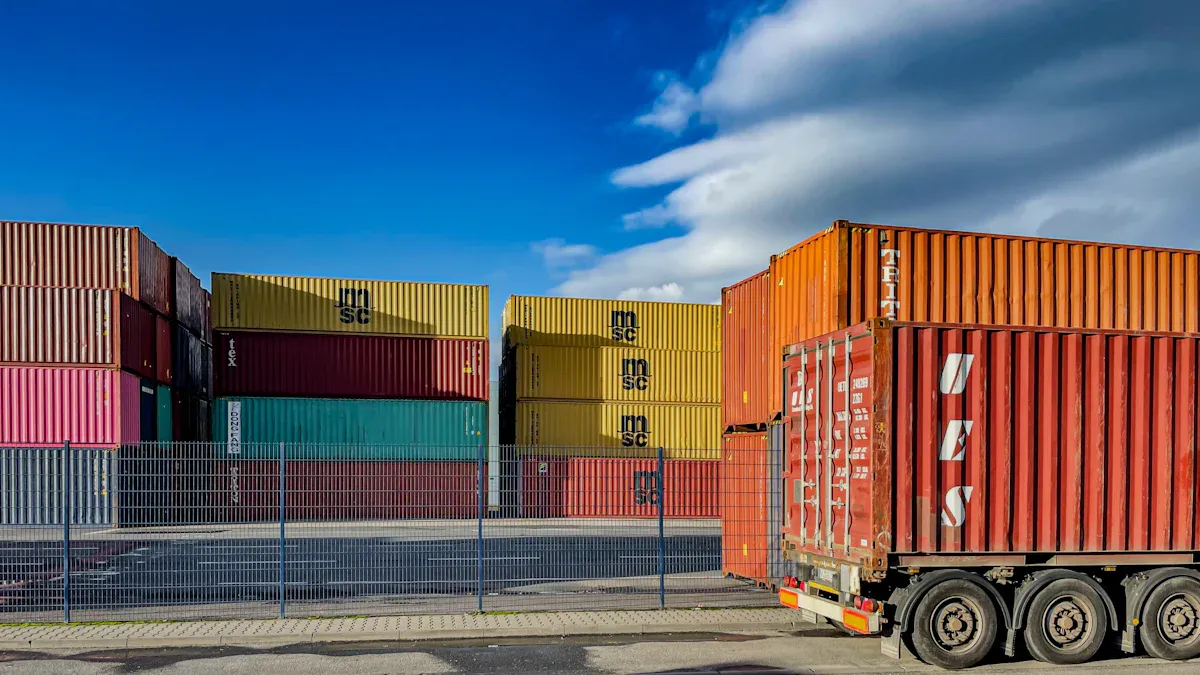
Drayage services explained are essential for linking different methods of transporting goods. These services help your supply chain operate efficiently. Studies indicate that effective drayage can significantly reduce truck waiting times. Additionally, it saves fuel, which lowers costs and increases your profits. By optimizing drayage, you can reduce pollution and expedite container movements. Drayage manages the majority of container transfers in the U.S. Utilizing direct routes can lead to substantial savings in both time and money. By concentrating on drayage, you gain greater trust and control over your costs.
Key Takeaways
Drayage services link different ways to move goods. This helps goods move easily in your supply chain. Good drayage means less waiting and lower costs. This makes your business work better and earn more money. Knowing the types of drayage helps you pick the right one. This is important for your shipping needs. Planning and booking drayage early stops delays and extra charges. This keeps your supply chain working well. Using technology helps track goods and find better routes. This makes drayage faster and more reliable.
Drayage Services Explained
What Is Drayage
You might wonder what drayage means in logistics. Drayage is when containers or cargo move a short distance. This usually happens between ports, rail yards, and warehouses nearby. It is the first step for your goods in the supply chain. People call this the "first mile." When a ship gets to a port, drayage services explained help move containers fast. They go from the dock to a storage place or a rail terminal. This keeps your supply chain working well and stops delays.
The word "drayage" comes from "dray." A dray was a cart pulled by horses in the 1800s. People used it to carry heavy things for short trips. Now, trucks do this job instead of horses. The goal is still the same. Drayage services explained are important because they link parts of the supply chain. Without drayage, containers would stack up at ports. This would cause traffic jams and make costs go up for everyone.
You need drayage for intermodal shipping. Intermodal shipping uses more than one way to move goods. This can be ships, trains, and trucks. Drayage services explained help connect these ways of moving things. They fill the gap between each type of transport. When you use drayage, containers move easily from ships to trains or trucks. This keeps your supply chain smooth and dependable.
Tip: Drayage is not just about moving containers. It also makes sure your goods get to the next stop on time.
How Drayage Differs From Other Logistics
You may ask how drayage is different from other logistics. The main difference is in how far things travel and what they do. Drayage is for short trips, usually less than 50 miles from a port or terminal. Long-haul trucking goes much farther. It can cross states or even countries.
Here is a simple table to show the difference:
Feature | Drayage Trucks | Long-Haul Trucks |
|---|---|---|
Typical Distance | Within 50 miles of port | Hundreds or thousands of miles |
Focus | City roads, terminals | Highways, long distances |
Drayage services explained have strict time rules. You must make appointments and work in small time windows. This helps you avoid extra fees. These rules help you save money and lower risks. Long-haul trucking has more flexible schedules. The main goal there is to travel long distances well.
Drayage services explained have a special job in intermodal shipping. They connect ships, trains, and trucks. This makes sure containers move from one type of transport to another quickly. Other logistics services do not focus on this. They usually use only one way to move things over long distances.
Costs are different in drayage. Things like getting an appointment or finding a chassis can change your costs. The distance is not always the biggest cost. Rules can also change based on where you are or what you ship. You need to know these rules to avoid delays or fines.
Key differences between drayage and other logistics:
Drayage covers short trips and links transport types.
Long-haul trucking is for long trips on highways.
Drayage needs strict schedules and appointments.
Costs in drayage depend on things like appointments, not just miles.
When you use drayage services explained, you get more control over your goods. Your supply chain stays flexible and can change if needed. By knowing these differences, you can pick the best logistics for each part of your supply chain.
Types Of Drayage Services
You should know the main types of drayage services. This helps your supply chain work well. Each type has a special job in moving containers. They also connect different ways to move things. Here is a table that shows the most common types in North America:
Type of Drayage Service | Description |
|---|---|
Local Drayage | Moves cargo over short distances in a city. It often goes between ports, rail yards, and warehouses. |
Drayage, Transloading, and Trucking to Final Delivery | Transfers cargo from one mode to another. Then trucks take it to the last stop. |
Long-haul Expedited Drayage | Handles urgent shipments that need fast delivery. Sometimes it goes over longer distances. |
Domestic vs. International | Uses containers for domestic or international shipping. Each has its own rules. |
Port Drayage
Port drayage moves containers from the port to a nearby warehouse or rail terminal. Drayage trucks pick up containers right after ships unload them. This keeps ports clear and stops traffic jams. Using port drayage speeds up the first mile of your supply chain. It also helps you avoid delays and extra fees.
Tip: Book your port drayage early. This helps you get a spot and wait less.
Rail Drayage
Rail drayage connects rail yards to warehouses or distribution centers. Drayage trucks move containers between trains and local places. This service gives you flexibility. Trucks can reach many locations. Rail drayage links rail, which is good for long trips, with trucks for short moves. You save money and make your supply chain greener.
Trucks do the short moves.
Rail handles the long journey.
Intermodal Drayage
Intermodal drayage uses several ways to move things, like ships, trains, and trucks. You use this service to move containers across cities, states, or countries. Intermodal drayage covers the whole trip, not just the start or end. You get the best transport for each part of the journey. Here is a quick comparison:
Feature | Drayage | Intermodal |
|---|---|---|
Distance | Short (local) | Long (cross-country/international) |
Purpose | Connects transport modes | Combines multiple modes |
Scope | First and last mile | Entire journey |
Equipment | Mainly drayage trucks | Trains, trucks, ships, planes |
Dedicated Drayage
Dedicated drayage gives you a custom plan for regular routes or special customers. You get the same drayage trucks and drivers each time. This service is good if you ship often and need reliable timing. Dedicated drayage helps you control costs and deliver on time. You can trust your containers will arrive when needed.
Choosing the right drayage service makes your supply chain work better. You also get more control over container drayage and avoid delays.
How Drayage Works In Supply Chains
When you know how drayage fits in your supply chain, you see why it is important. The drayage process moves goods from a port or rail yard to the next place, like a warehouse or center. You need drayage to keep cargo moving fast and avoid delays that cost money. Let’s look at the steps, see why first and last mile jobs matter, and learn how container handling and paperwork work.
Drayage Process Steps
Think of the drayage process as a list of simple steps. Each step helps your supply chain stay quick and dependable. Here is how a normal drayage job goes:
Container Arrival: Your cargo gets to a port or rail terminal. Workers unload containers and put them in the yard for pickup.
Drayage Pickup: A drayage truck with a chassis comes to the terminal. The driver checks all papers and goes through the gate before picking up the container.
Transport to Next Hub: The truck takes the container to the next stop. This could be a warehouse, rail ramp, or customer building. The route is planned to save time and fuel.
Delivery and Unloading: At the stop, workers unload the cargo. The drayage process is not done yet. The empty container often goes back to the port or depot.
Return or Storage: The driver brings the empty container back for reuse or storage. Sometimes, the truck picks up another container on the same trip to save time.
You can see why every step in the drayage process is important. Fast moves keep your supply chain working well. Delays at any step can slow down everything.
Tip: Plan each drayage step well. Good planning helps you avoid slowdowns and extra costs.
First And Last Mile Operations
First and last mile drayage jobs affect how fast and steady your supply chain is. The first mile starts when your cargo leaves the port or rail yard. The last mile ends when your goods get to the final warehouse or customer. These two parts set the speed for the rest of the trip.
If you have delays in the first mile, your whole supply chain can slow down. Factories may stop if parts come late. You might pay more for fast shipping to catch up. Customers may lose trust if things are late. Careful planning in the drayage process helps you avoid these problems.
First and last mile drayage also let you see where your containers are. You can track them and fix problems before they get big. This control helps you keep delivery promises and save money.
Delays in drayage can make costs go up.
Late arrivals can stop production.
Missed deadlines can make customers unhappy.
You must focus on first and last mile drayage to keep your supply chain strong.
Container Handling And Documentation
Container handling and paperwork are key parts of the drayage process. You must make sure every container is loaded, moved, and unloaded safely. Good handling stops damage and keeps your cargo safe.
Before a drayage truck picks up a container, the driver checks all papers. These include customs forms, freight bills, and other needed documents. Missing or wrong papers can cause delays and extra fees. You need to stay organized and follow all rules to keep drayage smooth.
At each step, workers use special machines to lift and move containers. Drivers must follow safety rules and handle containers with care. After delivery, the empty container goes back to the port or depot for reuse. This keeps containers ready for the next shipment and helps your supply chain keep moving.
Note: Good paperwork and careful handling help you avoid delays, fines, and broken goods.
You can see that drayage is more than just moving containers. The drayage process links every part of your supply chain, from the first mile to the last. When you manage each step well, you get speed, trust, and cost savings.
Key Benefits Of Drayage Services
Supply Chain Efficiency
You want your supply chain to work fast and easy. Drayage helps make this happen. It connects different ways to move goods with no waiting. This keeps containers moving and stops them from sitting too long. Drayage helps you skip traffic at busy ports and rail yards. You also get more trucks when you need them most, like during busy times.
Here is a table that shows how drayage makes supply chains better:
Improvement Type | Description |
|---|---|
Optimized Container Flow | Drayage and intermodal work together to keep containers moving and cut wait time. |
Reduced Idle Time at Terminals | Drayage plans help containers spend less time waiting at terminals. |
Cost Savings | Using rail for long trips and drayage for short ones saves money. |
Congestion Prevention | Drayage stops traffic jams at terminals. |
Flexible Capacity | Drayage companies can send more trucks when things get busy. |
You can see that drayage gives your supply chain speed and lets you change plans when needed.
Cost Optimization
Drayage helps you save money at every step. It makes the first and last parts of your trip better. This lowers your total costs. Drayage helps your goods move well, which cuts shipping costs.
You can pay less by using drayage for short trips and rail for long ones. Many companies use other partners and technology to make drayage even better. These ideas help your business save real money.
Drayage makes short trips cheaper.
Technology and teamwork make drayage cost less.
Reliability And Speed
You want your shipments to be on time. Drayage gives you service that is fast and you can count on. When you set up drayage, you get clear times for pickup and drop-off. This helps you skip delays and extra charges. Drayage keeps your containers moving so your supply chain stays on track.
You can trust drayage for rush shipments and when things change. Fast drayage means your goods get to the next stop quickly. This keeps your customers happy. Good drayage builds trust and helps you keep your promises.
Tip: Pick drayage partners who always deliver on time. This keeps your supply chain working well.
Drayage Cost Factors And Challenges
Port Congestion
Port congestion happens when many containers arrive together. This slows drayage and makes costs go up. If you miss pickup times, you pay extra fees. Trucks and drivers wait longer, which costs more money. Delays mess up warehouse plans and hurt customer service. Ocean carriers charged $15.4 billion in fees from April 2020 to March 2025. Crowded ports raise freight rates and make carriers change routes. This adds days or weeks to delivery times.
Tip: Watch port conditions and book drayage early to save money.
Container Types And Fees
Different containers have their own fees in drayage. You pay demurrage if containers stay too long at the port. Detention fees happen when you use equipment past free time. Waiting costs more if loading or unloading is slow. Chassis split fees come when you move a chassis by itself. Heavy containers mean extra charges. Storage, terminal, and fuel surcharges also add to your bill. The table below shows common fees:
Fee Type | Description |
|---|---|
Demurrage | Fee for containers staying too long at port. |
Detention/Per Diem | Charge for using equipment past free time. |
Driver detention/waiting time | Cost for delays during loading or unloading. |
Chassis Split Fees | Fee for moving chassis alone. |
Overweight fees | Extra charges for heavy containers. |
Storage | Fees for keeping shipments in storage. |
Terminal Charges | Fees from ports for moving containers. |
Fuel Surcharge | Extra charge for fuel. |
Route Complexity
Route complexity makes drayage harder and less efficient. Complicated roads make planning tough and cause delays. Automated Electric Container Trucks need more help on tricky routes. Good routing can lower these problems. You can save up to 29% by avoiding busy and hard roads. Simple routes make drayage quicker and safer.
Managing Costs And Choosing Providers
You manage drayage costs by picking good providers. Look for steady rates and early risk alerts. Protect your free time and use technology to help. Pick providers with reliable service and nationwide coverage. Real-time tracking and good communication stop surprises. Knowing port access and customs is important. Fast support and solving problems quickly make service better. Treat customer service as a main job.
Steady rates even when busy
Early risk alerts
Reliable trucks during busy times
Real-time tracking of containers
Full insurance coverage
You control drayage costs by planning ahead and working with skilled partners.
Drayage Vs Long-Haul Trucking
Distance And Function
Drayage and long-haul trucking do different jobs in your supply chain. Drayage handles short trips in one city or close by. These trucks move containers from ports to warehouses or rail yards nearby. Most drayage trips are less than 100 miles. This makes drayage important for linking ships, trains, and storage places.
Long-haul trucking is for much longer trips. These trucks carry goods across states or even countries. Their routes can be hundreds or thousands of miles long. You use long-haul trucking for big shipments that need to go far. It is good for moving lots of freight and saving fuel.
Here is a quick list to show the difference:
Drayage works in one city or up to 100 miles from ports or rail yards.
Long-haul trucking goes far, often crossing state lines or borders.
Drayage moves containers between ships, trains, and local warehouses.
Long-haul trucking uses highways for long trips.
Knowing these differences helps you pick the right service for each part of your supply chain.
Cost And Time Sensitivity
Drayage is more time-sensitive than long-haul trucking. Drayage trips are short, usually under 150 miles. Every minute matters because delays can cause problems at ports or rail yards. If your drayage truck misses its pickup time, you might pay extra fees. Delays can slow down your whole supply chain.
Drayage costs depend on how fast containers move through busy places. You have to watch appointment times, waiting fees, and equipment use. This makes drayage very focused on time and schedules.
Long-haul trucking is different. These trips take longer, but timing is not as strict. You plan for days or weeks on the road. The cost depends on distance and fuel, not just speed. On-time delivery is still important, but a small delay does not stop your whole operation.
Note: Drayage keeps your supply chain moving at key points. Fast and reliable drayage stops costly delays and helps you meet tight deadlines.
By knowing why drayage is more time-sensitive and how its costs work, you can manage your logistics better and avoid problems.
Best Practices For Drayage Operations
Booking And Scheduling
You can stop delays by planning ahead. Booking early helps you get space for your containers. This lowers the chance of paying extra fees. Real-time tools show when containers are ready. You can match truck arrivals with container release times. This keeps trucks moving and cuts waiting at ports. Flexible scheduling lets you change plans if ports get busy. You can use off-peak hours to save time. Digitize your documents and clear customs before pickup. This stops paperwork mistakes from slowing down your drayage.
Book drayage early to get space.
Use real-time tools to match schedules and avoid waiting.
Plan for extra time in case ports are crowded.
Digitize documents and clear customs to speed things up.
Tip: Bundle drayage with other freight modes. This gives you better cargo insight and helps you plan routes.
Carrier Selection
Picking the right drayage carrier makes your supply chain stronger. Start by knowing what you need, like container types and how many. Local carriers know the best routes and port rules. Choose a provider with good reviews and a strong history. Make sure the carrier follows safety rules and has insurance. Compare prices from different carriers to find the best deal. Good communication and service show you can trust your partner.
Know your drayage needs and services.
Pick carriers with local knowledge and reliability.
Check safety and insurance.
Compare prices and look at customer service.
Route Optimization
Optimizing routes saves time and money. Advanced tools and real-time data help you find the best paths. Route optimization cuts travel distance and fuel use. It also helps you avoid traffic and busy ports. Data-driven planning lets you react fast to changes. This keeps your drayage running smoothly.
Feature | Benefit |
|---|---|
Find the best drayage routes | |
Real-Time Data | Cut travel time and skip traffic |
Fuel Reduction | Lower costs and help the environment |
Technology And Tracking
Modern technology makes drayage better. Real-time tracking lets you see where your cargo is. IoT devices help you check cargo safety. AI looks at driver behavior to improve safety and efficiency. Predictive analytics help you guess demand and use resources well. Automation does simple tasks and stops mistakes. Using new technology gives you more control and makes drayage dependable.
Note: Old technology can slow drayage and cost more. Using modern solutions keeps your supply chain fast and efficient.
Drayage helps your supply chain work by moving goods fast. You need drayage for the first and last mile. It also helps stop traffic jams and keeps things on time. Look at the table below for the main points:
Key Takeaway | Explanation |
|---|---|
First and Last Mile | Connects transport types and starts or ends shipments. |
Congestion Prevention | Moves containers fast to stop port delays. |
Timely Transfers | Keeps shipments on time and avoids slowdowns. |
You can make drayage better by using market info. Work with good carriers and talk clearly with them. Use technology to plan the best routes. Stay up to date, plan early, and pick the right partners. Check your drayage often to keep your supply chain running well.
FAQ
Why do you need drayage services in your supply chain?
Drayage services help move containers fast between ports, rail yards, and warehouses. This keeps your supply chain working well. It also helps you avoid delays that cost money.
Why does drayage impact shipping costs?
Drayage changes shipping costs because of port fees, waiting, and route choices. Good drayage means fewer extra charges. This helps you manage your shipping budget.
Why is drayage time-sensitive?
Drayage is time-sensitive since ports and rail yards have tight schedules. If you miss your pickup time, you might pay more. Delays can slow down your whole supply chain.
Why should you choose a specialized drayage provider?
A specialized drayage provider knows the best local routes and port rules. They also know what equipment you need. This helps you avoid mistakes, save time, and keep cargo safe.
Why does technology matter in drayage operations?
Technology lets you track containers in real time and plan better. You can see where your containers are and fix problems quickly. This keeps your shipments on time.
See Also
Deciding on LTL, FTL, or Drayage Solutions with PGL
PGL’s Efficient Drayage and Trucking Services Save Time
PGL Enhances West Coast Trucking for Supply Chain Efficiency
Key Strategies for Effective Global Logistics Management
Innovative Logistics Strategies Enhance Efficiency in Global Operations
