Drayage Shipping: First and Last Mile Explained
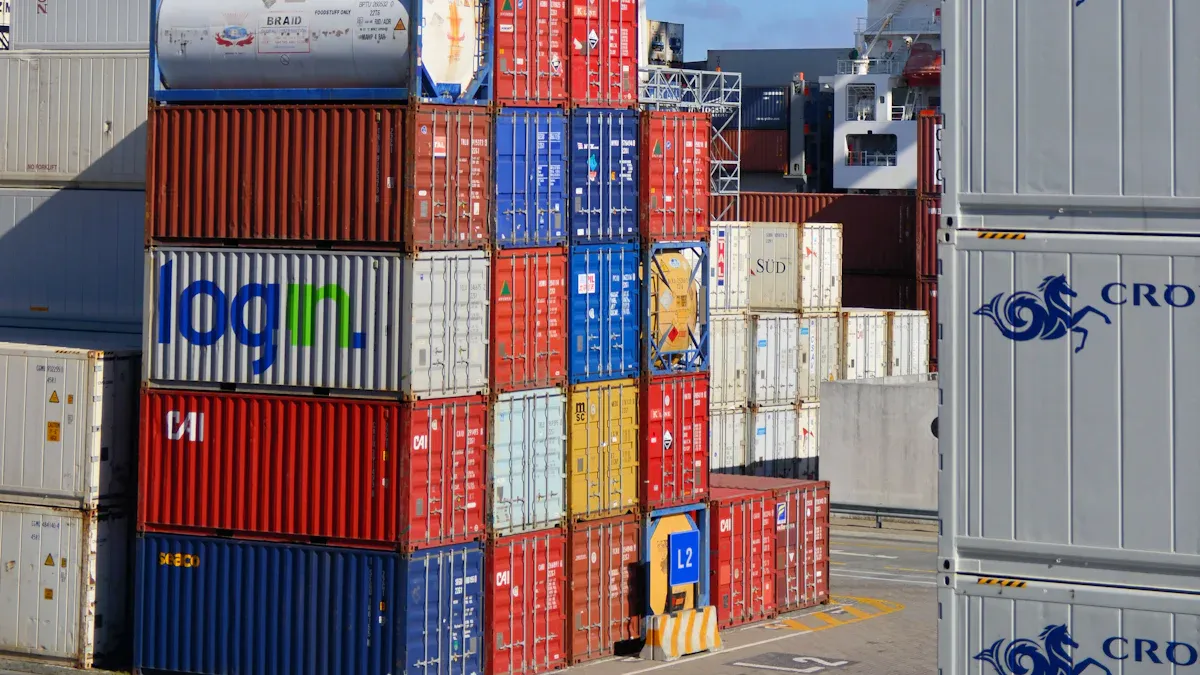
You use drayage shipping to link important parts of your supply chain. Drayage moves containers a short way, often between ports, rail yards, and distribution centers. This process is the main part of first and last mile delivery. If you know about drayage shipping first last mile, you can better control time and costs.
Drayage helps stop delays and keeps logistics running smoothly.
Good drayage shipping means trucks wait less and use less fuel.
Easy port transfers move containers fast and keep freight on time.
Key Takeaways
Drayage shipping links parts of your supply chain. It helps move freight between ports, rail yards, and centers.
Good drayage stops delays and saves fuel. It keeps things on time and helps lower shipping costs.
Knowing about the first and last mile in drayage helps you plan. It lets you avoid traffic and get faster deliveries.
Picking the right drayage partner is important. They should have good technology and lots of experience. This can make your logistics better and lower risks.
Using technology like GPS tracking and TMS helps you watch shipments live. It also helps you stop expensive delays.
What Is Drayage Shipping?
Drayage Definition in Logistics
Drayage happens when a truck moves a container a short way. This service links ports, rail yards, warehouses, and distribution centers. Drayage helps move freight fast between these places. Most companies use local carriers for these short trips.
Drayage means moving shipping containers, bulk goods, or other cargo. Local carriers do these short-distance jobs. Drayage carriers take goods out of the port first. They are the first to handle the goods. That is why drayage is called the 'first mile' of the supply chain.
Drayage acts like glue for your supply chain. It connects ships, trains, and trucks. Using drayage shipping keeps freight from getting stuck at ports or terminals.
Drayage is short-distance transport of goods in shipping and logistics. It usually moves freight containers from a port to a nearby warehouse, rail terminal, or distribution center.
There are different types of drayage in the industry. Each type has its own job. Here is a table showing the main types:
Type of Drayage | Description |
|---|---|
Local Drayage | Moves cargo short distances in a city, including ports and rail yards. |
Drayage, Transloading, and Trucking to Final Delivery | Moves cargo from one transport mode to another for quick delivery. |
Long-haul Expedited Drayage | Used for urgent cargo needing fast delivery over long distances. |
Domestic vs. International | Shows if cargo stays in the U.S. or needs international shipping rules. |
Drayage logistics help your supply chain stay flexible and quick. This service helps you avoid delays and control costs.
Drayage Shipping First and Last Mile
Drayage shipping first last mile covers the important steps at the start and end of your freight’s trip. The first mile starts when goods move from the factory or supplier to the port or rail yard. The last mile ends when freight goes from the port or terminal to the final customer or distribution center.
The first mile is the first step of moving freight from its starting place to the end user.
Drayage is about moving imported cargo from the port to its first road trip.
Knowing drayage's role helps shippers handle rising costs.
Drayage shipping first last mile connects long-haul shipping with local delivery. This process makes sure cargo moves smoothly from start to finish. Efficient drayage stops congestion at ports and terminals. This keeps logistics on schedule.
Drayage shipping moves freight short distances, usually in containers, between ports, rail yards, and distribution centers.
It links long-haul parts of intermodal shipping, making cargo move well from start to finish.
Drayage stops congestion at ports and terminals, keeping supply chains smooth.
Drayage picks up and delivers products from factories, warehouses, and distribution centers. Drayage shipping first last mile covers both the beginning and end of shipping.
Drayage trucking links the start and end of intermodal containers.
It picks up and delivers products from places like factories and distribution centers.
Drayage does the first mile and last mile jobs in shipping.
Drayage shipping first last mile supports your whole logistics operation. When you know these steps, you can plan better, save money, and speed up deliveries.
Role of Drayage in Supply Chains
Connecting Multi-Modal Transport
Drayage helps connect different parts of your supply chain. It links ocean, rail, and road transport. This lets you move freight from ships to trains or trucks fast. You can see how drayage fits into multimodal logistics in the table below:
Aspect | Drayage | Intermodal |
|---|---|---|
Function | Short-distance transport between hubs | Integrates multiple transport systems |
Connection | Links rail yards, ports, and distribution centers | Manages long-haul trucking over distances |
Example | Bridges freight trains with trucking | Ensures containers reach final destinations |
Drayage acts as a bridge between each mode. When a container comes by ship, drayage moves it to a rail yard or warehouse. If you need to send freight by train, drayage trucks pick up the container and take it to the rail terminal. This keeps your supply chain moving. You avoid bottlenecks at ports and make sure freight does not sit idle.
Drayage helps your logistics stay flexible. When you use drayage, you can switch between ocean, rail, and road transport quickly. This flexibility helps you respond to changes in demand or problems in your supply chain. Drayage makes sure your freight moves smoothly from one mode to another.
Impact on Efficiency and Delivery
Drayage is important for your supply chain’s efficiency. Timely first and last mile moves keep production and orders on track. If drayage works well, you deliver freight on time and avoid extra costs. When drayage faces delays, your whole supply chain can slow down.
Common causes of drayage delays include:
Port congestion makes trucks wait for hours or days.
Chassis shortages cause trucks to sit idle and stall shipments.
Appointment bottlenecks can add days to drayage moves.
Customs holds and paperwork issues can delay containers.
Weather and traffic can create unexpected road closures.
Labor shortages and strikes can stop container movement.
When these problems happen, you may miss delivery appointments. You might pay more for demurrage and detention fees if containers are not picked up on time. Storage and handling costs can rise when freight misses scheduled pickups. Late deliveries can lead to missed sales and unhappy customers.
Delays in drayage can cause missed delivery appointments, higher costs, and unhappy customers. These problems can grow and affect your whole supply chain.
You need to manage drayage carefully to avoid these risks. Fast and reliable drayage keeps your freight moving. It helps you meet customer expectations and keeps your supply chain strong. Drayage supports every link in your logistics network, from the first mile to the last mile.
By understanding drayage’s role, you can plan better and react faster. You can reduce costs, improve delivery times, and keep your supply chain competitive.
First-Mile and Last-Mile Drayage Services
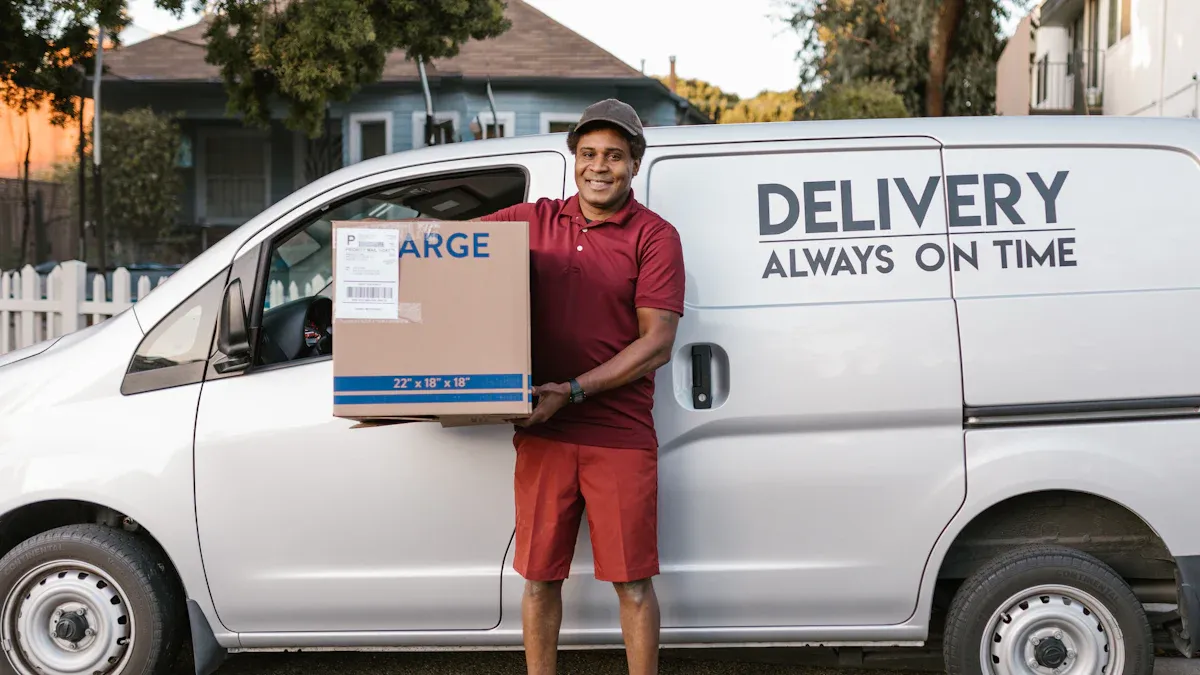
First-Mile Drayage Tasks
The first mile starts when freight leaves the factory or supplier. It goes to the port or rail yard. This step sets how fast your supply chain moves. You must do some important jobs to keep drayage working well. First, you set pickup times and check if cargo is ready. You make sure all papers, like bills of lading and customs forms, are correct. You book port appointments to stop delays and traffic jams.
Port appointment systems help first-mile drayage work better. These systems make things organized. They help you know when things will happen and cut down waiting. When ports use these systems, drayage gets more dependable. Your logistics become steady and you avoid slowdowns. This helps you move freight fast and keeps your supply chain strong.
You also need to lock containers and load them safely. You check the cargo’s condition and make sure it follows all rules. Doing these jobs well stops delays and keeps drayage moving.
Tip: Always check your paperwork before sending freight to the port. If you miss documents, you can face expensive delays in drayage.
Last-Mile Drayage Operations
The last mile ends when freight goes from the port or terminal to the customer or distribution center. This step needs careful planning and focus. Drayage must handle special cargo, avoid delays, and deliver on time.
Here are the main steps in last-mile drayage:
Cargo pickup: You get an order to pick up freight from the port or terminal.
Documentation and compliance: You check all papers before pickup to stop delays.
Cargo handling: You load freight safely, sometimes using special tools for fragile or big items.
Transportation and coordination: You take cargo to its destination and work with other logistics teams.
Delivery and unloading: You unload freight at the final place and finish the drayage job.
You must watch the clock and avoid detention fees. You handle special cargo, like cold goods or dangerous materials, with extra care. By doing these steps, you keep drayage fast and dependable.
Note: On-time last mile delivery makes customers happy and lowers risks in logistics.
Cost Factors in Drayage Shipping
Common Fees and Influences
Drayage has many costs you need to watch. Each fee can add up fast, so it is important to know what affects your total price. Here are the most common charges you might see:
Accessorial costs
Detention and demurrage fees
Per diem charges
Pre-pull fees
Chassis rental fees
Storage fees
Port congestion surcharges
Overweight fees
Fuel surcharges
Line haul rates
Drop fees
Congestion fees
Yard pull fees
Special handling charges
Distance and route difficulty matter a lot for drayage costs. If your freight goes far or must cross busy or tricky routes, you pay more. Hard routes, like those through mountains or faraway places, use more fuel and take more time. Busy or risky areas can raise insurance and cause delays. These things make intermodal shipping cost more.
Container type is important too. Moving a 40-foot refrigerated container costs more than a regular dry box. For example, a normal drayage trip for a 40-foot container from the Port of Houston to a place 20 miles away costs about $590. If you move lots of cargo as a beneficial cargo owner, you might get lower rates.
Reducing Drayage Costs
You can do things to keep drayage costs down. Start by talking clearly with everyone involved. Good timelines and updates help you avoid extra fees. Pick customer-friendly steamship lines to work faster and lower costs later. Try to get better free time deals to avoid demurrage and per diem charges.
Work with integrated landside 3PLs for more help and skill. These partners help you handle tough intermodal shipping and keep costs low. Use technology to help you. A Transportation Management System (TMS) and GPS tracking let you see your freight in real time. You can plan better, track costs, and spot delays early.
Technology gives drayage carriers tools to see shipments, make work easier, plan well, and manage their business better.
Companies that use GPS tracking and telematics often save up to 20% on operating costs. Real-time tracking helps you avoid idle time, cut maintenance, and stop penalties. These ideas make drayage work better and keep your freight moving on time.
If you want to learn more about types of drayage services or how to improve intermodal shipping, you can check out resources from the Intermodal Association of North America (IANA) or visit our freight management services page.
Best Practices for Drayage Shipping First and Last Mile
Efficient Operations
You can make drayage work better by using smart strategies. Start by planning ahead and guessing what you will need. This helps you have enough trucks when you need them. Book your carriers early to avoid last-minute problems. Early booking gives you more control and fewer surprises. You can see where your containers are and keep a tight schedule.
Use technology like TMS and GPS to track containers. These tools give you updates and help stop delays. Keep all your documents in one place and connect your systems. This way, everyone knows what is happening. Watch the earliest return dates so you do not have to rush at the end.
Make friends with port workers and unions. Good relationships help you fix problems fast. If you use different entry and exit points, you can change plans if something goes wrong. This helps if a port closes or there is a traffic jam.
Flexible schedules help you avoid waiting and save money. Try to put cargo together when you can. This means fewer trips and makes drayage faster. For special cargo, use clear steps to keep things safe and on time.
Tip: Getting updates right away and having flexible plans help you react quickly to changes in drayage and keep your supply chain strong.
Choosing a Drayage Partner
Picking the right drayage partner is very important for first and last mile. First, know what you need, like container types and how much you ship. Check if your partner is safe and has the right papers. Make sure they have worked with cargo like yours and know the local area.
A good partner uses new technology to track and talk in real time. Their trucks should be new and work well. Good customer service and working in many places help you handle changes and keep things moving.
Here is a table to help you compare drayage partners:
Criteria | Description |
|---|---|
Safety | Follows rules and has a good safety record. |
Experience | Has handled similar cargo and knows the area. |
Technology | Gives real-time tracking and manages data. |
Customer Service | Answers fast and communicates clearly. |
Fleet Quality | Uses new, reliable trucks and equipment. |
Geographic Coverage | Works in all the places you need for on-time drayage. |
Set clear agreements about what services you want. These agreements say what each side must do and how well. They also have rules for rewards and penalties to keep your partner responsible.
Note: The right drayage partner helps you stop delays, save money, and keep your supply chain working well.
You are important for making drayage work well for your company. If you make drayage better in the first and last mile, you can save money, deliver faster, and keep your supply chain strong. The table below explains how drayage helps your business for a long time:
Benefit | Description |
|---|---|
Lower Long-Haul Costs | Uses less fuel and lowers costs for each mile. |
Enhanced Cargo Security | Fewer stops mean less chance of losing or breaking cargo. |
Environmental Efficiency | Makes less pollution and helps the environment. |
Operational Efficiency | Moves freight quicker with good tracking and planning. |
Look at your drayage plan often. Pick partners who use new technology and care about working well.
FAQ
Why does drayage matter in first and last mile logistics?
Drayage links your cargo to big transport systems. It moves containers between ports, rail yards, and warehouses. Without drayage, your supply chain can slow down and cost more.
Why do drayage costs change so much?
Many things make drayage prices go up or down. Port congestion, fuel prices, container type, and route difficulty all matter. You need to watch these things to keep shipping costs under control.
Why should you choose a specialized drayage provider?
A specialized provider understands local rules and how ports work. You get quicker service, fewer delays, and better care for special cargo. Picking the right provider helps you avoid mistakes in first and last mile moves.
Why is technology important for drayage shipping?
Technology lets you track containers in real time and plan better. You know where your containers are and can stop problems early. Using TMS or GPS saves you time and money.
See Also
Selecting LTL, FTL, Or Drayage Options With PGL
PGL’s Efficient Drayage And Trucking Services Save You Time
Premier Global Logistics Offers Final Mile Solutions For East Coast
PGL Provides Quick And Flexible Point-to-Point Freight In Northeast
