Warehouse Employment: How Lawrenceville Positions Compare to National Opportunities

Warehouse employment provides a range of career opportunities for people interested in inventory management, distribution, order fulfillment, transportation, and supply chain operations. For job seekers in Lawrenceville, Georgia, understanding how local warehouse positions compare with opportunities across the United States can help them make better decisions about compensation, working conditions, career development, and potential relocation.
Warehouse jobs are available in many types of facilities, including retail distribution centers, e-commerce fulfillment operations, wholesale warehouses, manufacturing facilities, and third-party logistics providers. Although these workplaces share some basic responsibilities, their hiring requirements, schedules, compensation structures, and advancement opportunities can differ considerably.
Lawrenceville is part of the Atlanta metropolitan region, which provides access to a broad commercial and logistics employment market. However, a local position is not automatically better than a job in another state, and a national job advertisement does not necessarily represent a superior opportunity. The most useful comparison considers the actual job, location, employer, and total employment package.
This guide examines warehouse employment in Lawrenceville and across the United States, explains the major differences between local and national opportunities, and provides practical strategies for choosing a position that supports both immediate income needs and long-term career goals.
Understanding Warehouse Employment in Lawrenceville
Lawrenceville, located in Gwinnett County, is part of the broader Atlanta-area economy. Warehousing and distribution activities in the surrounding region support retail businesses, wholesalers, e-commerce operations, and transportation networks.
Warehouse workers may handle incoming merchandise, organize inventory, prepare orders, inspect products, maintain records, and coordinate shipments. The precise responsibilities depend on the facility and the position.
Common warehouse roles in and around Lawrenceville include:
Warehouse associate
Order picker and packer
Shipping and receiving associate
Inventory control specialist
Forklift and material handling operator
Quality control associate
Warehouse administrative assistant
Team lead or shift supervisor
Warehouse operations manager
Logistics coordinator
Entry-level positions may provide training for applicants without direct warehouse experience. Specialized roles may require familiarity with inventory systems, shipping documentation, material handling equipment, or distribution procedures.
Job seekers should also distinguish between positions located within Lawrenceville and those in neighboring communities. An advertisement that uses Lawrenceville as a general location may refer to a facility elsewhere in Gwinnett County or the wider Atlanta metropolitan area.
The exact worksite matters because commuting distance, transportation costs, and shift accessibility can substantially affect the practical value of a job.
Understanding Warehouse Opportunities Across the United States
National warehouse employment includes a wide variety of facilities and operating models. Distribution centers may support regional retailers, online shopping platforms, wholesalers, manufacturers, grocery supply chains, healthcare supply operations, and freight forwarding companies.
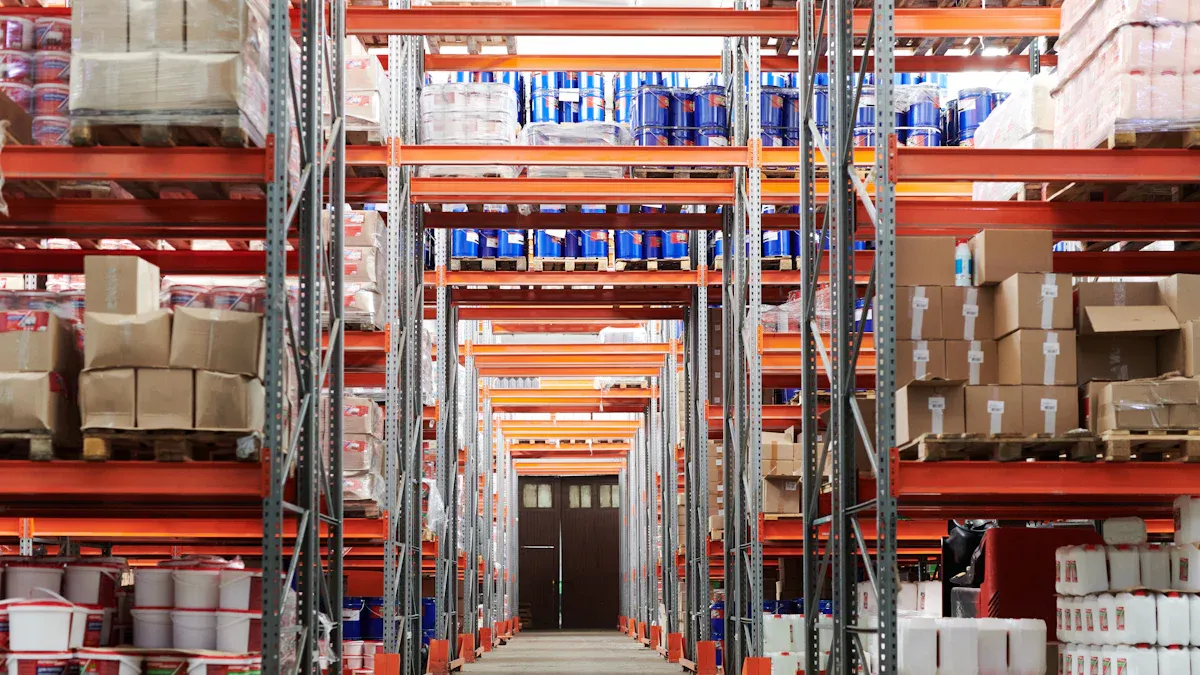
Some facilities focus on storing large quantities of inventory and shipping full pallets. Others process individual customer orders, requiring frequent picking, packing, labeling, and parcel preparation.
Common warehouse job categories nationwide include:
General Warehouse Associate
General warehouse associates support everyday distribution activities. Their duties may include sorting products, moving cartons, replenishing inventory, organizing storage areas, and preparing shipments.
These positions often serve as entry points into logistics employment. Employers may value reliability, physical readiness for the stated duties, attention to detail, and the ability to follow safety procedures.
Order Fulfillment Associate
Order fulfillment employees retrieve products, verify quantities, prepare packages, and help ensure orders are shipped accurately.
The work may involve handheld scanners, warehouse management software, conveyor systems, carts, or automated equipment.
Facilities handling high order volumes may establish productivity targets, but workers must also maintain accuracy and follow safety rules.
Shipping and Receiving Associate
Shipping and receiving employees verify incoming deliveries, inspect merchandise, record inventory movements, prepare shipping documentation, and coordinate outbound loads.
These roles require attention to detail because incorrect records or incomplete shipments can create problems throughout the supply chain.
Inventory Control Specialist
Inventory control specialists investigate stock discrepancies, perform cycle counts, maintain inventory records, and help ensure that physical inventory matches the information recorded in warehouse systems.
Some positions require spreadsheet skills, data entry experience, or familiarity with a warehouse management system.
Equipment Operator
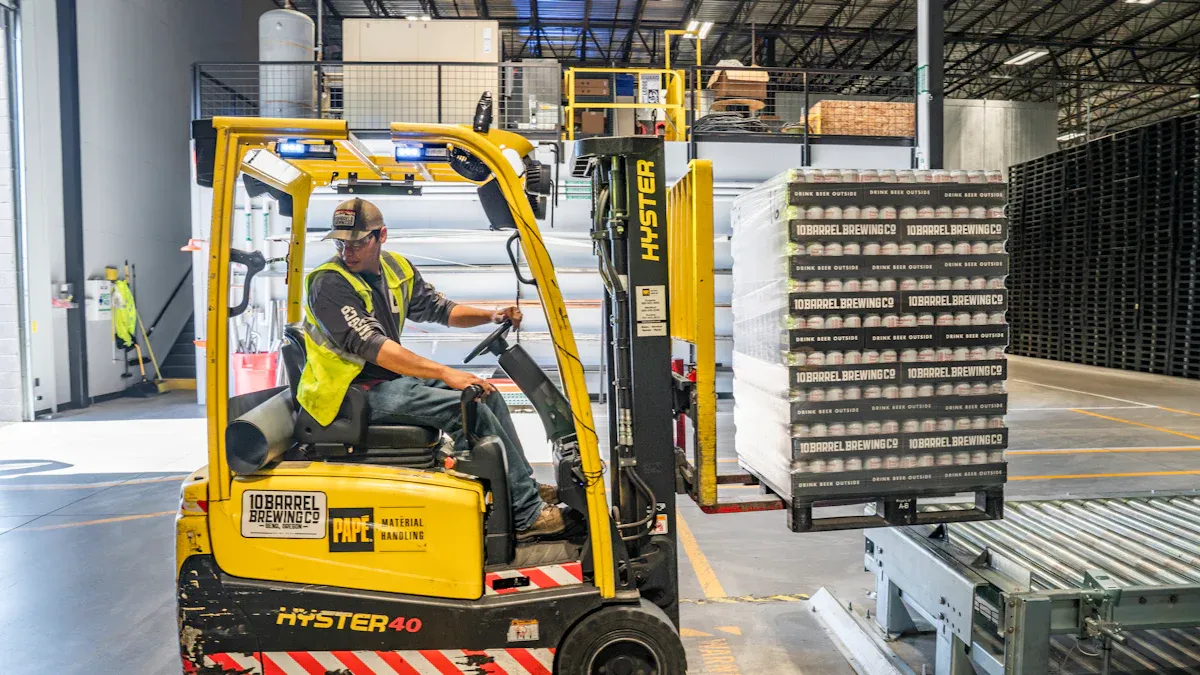
Material handling operators move pallets and other loads using approved equipment. Depending on the facility, equipment may include forklifts, reach trucks, and powered pallet jacks.
Employers must ensure that operators receive appropriate training and evaluation for the equipment they use. Experience with one machine should not be treated as automatic qualification for every type of powered industrial truck.
Warehouse Supervisor and Manager
Supervisors coordinate employees, assign tasks, monitor productivity, maintain safety standards, and help resolve operational problems.
Warehouse managers may oversee multiple departments, staffing plans, inventory performance, labor costs, service levels, and continuous improvement initiatives.
These positions generally require more experience and stronger communication, organizational, and problem-solving skills than entry-level roles.
Lawrenceville vs. National Warehouse Job Markets
The main difference between searching locally and searching nationwide is the range of opportunities available, not a guaranteed difference in job quality.
1. Number and Variety of Employers
A local search focused on Lawrenceville limits the geographic area but may simplify commuting and allow applicants to remain near existing housing and personal support networks.
A nationwide search expands the range of potential employers and locations. Candidates may discover opportunities in other metropolitan areas, industrial regions, transportation hubs, and manufacturing centers.
However, a broader search also introduces additional variables, including relocation costs, housing availability, unfamiliar commuting patterns, and different state employment requirements.
A national search is most useful when the applicant has a clear reason to consider relocation, such as pursuing a specialized role, seeking management experience, or targeting a specific career path.
2. Industry Specialization
Lawrenceville-area positions may involve retail distribution, consumer products, commercial warehousing, and e-commerce fulfillment, depending on the employer.
Across the country, job seekers can also explore specialized facilities supporting food distribution, industrial manufacturing, automotive supply chains, temperature-controlled storage, medical supplies, and other industries.
Specialized environments may require additional training, safety knowledge, or product-handling procedures.
For example, a temperature-controlled warehouse may involve working in refrigerated environments, while a manufacturing warehouse may require experience with production materials and component inventory.
Candidates should investigate the working conditions and qualifications associated with each industry rather than assuming that all warehouse jobs are interchangeable.
3. Entry-Level Hiring
Entry-level warehouse positions exist in many markets, but hiring volume changes according to business demand, seasonality, turnover, and facility staffing needs.
Lawrenceville applicants may benefit from concentrating on local employers and applying to several suitable openings. Nationwide applicants may have more geographic options but must account for the time and cost involved in moving.
Neither strategy guarantees faster hiring.
The strongest approach is to identify positions that match the applicant's availability, qualifications, and compensation requirements, then confirm that each vacancy is current.
4. Specialized and Leadership Opportunities
Experienced warehouse workers may find opportunities in inventory control, equipment operation, shipping coordination, quality assurance, and supervision in both local and national markets.
A nationwide search may reveal roles that are less common in a particular local area. For example, an applicant with extensive warehouse systems experience might find a specialized implementation or operations position in another state.
However, relocation should be based on the actual job requirements and employment package. A specialized title does not automatically mean better compensation or a stronger career path.
Comparing Warehouse Compensation
Compensation is often a major reason job seekers consider opportunities outside their local area. However, comparing advertised wages without considering other factors can produce misleading conclusions.
Warehouse compensation varies by occupation, experience, employer, geographic market, shift, schedule, and current labor demand.
Entry-Level Pay
General warehouse associates may receive hourly compensation for picking, packing, sorting, receiving, and other operational tasks.
An advertised hourly rate should be evaluated alongside expected weekly hours, employment duration, and any conditions attached to additional compensation.
A higher hourly rate may not translate into higher annual earnings if the position provides fewer hours or is limited to a short seasonal period.
Specialized Roles
Forklift operators, inventory specialists, shipping coordinators, and employees experienced with warehouse management systems may qualify for different compensation levels from general warehouse associates.
The value of these skills depends on the specific employer and the responsibilities of the position.
Candidates should compare job descriptions carefully. A role requiring equipment qualifications, inventory reporting, and independent problem-solving may differ substantially from a position involving basic material handling.
Supervisory Positions
Warehouse team leads, supervisors, and managers may earn more because they oversee workflow, employee performance, safety, and operational results.
However, leadership roles can also involve greater accountability, schedule flexibility, and responsibility for resolving staffing or inventory problems.
When comparing management positions, applicants should examine the actual scope of responsibility, not simply the job title.
Overtime and Shift Differentials
Some employers provide overtime opportunities or additional compensation for specific shifts. These arrangements vary by employer, position, schedule, and applicable law.
Applicants should separate guaranteed pay from potential earnings.
For example, an advertisement may promote a high annual earning figure that assumes substantial overtime. If those extra hours are not guaranteed, the figure should not be used as the foundation of a household budget.
A reliable comparison begins with the regular wage and expected schedule, then considers any additional compensation separately.
Why Local Wages Do Not Tell the Whole Story
The value of warehouse compensation depends partly on the cost of living in the area where the employee works.
A position offering a higher hourly rate may not provide greater financial flexibility if housing, transportation, insurance, and other recurring expenses are also higher.
Housing Costs
Applicants should compare the cost of suitable housing near the actual workplace rather than relying only on citywide averages.
Relevant expenses include rent, utilities, deposits, parking, renter's insurance, and other housing-related costs.
A warehouse position in another state may appear financially attractive until the employee calculates the cost of obtaining housing near the facility.
Transportation Costs
Warehouse facilities may be located in industrial areas with limited public transportation access. Workers may need a personal vehicle, ridesharing arrangements, or a reliable carpool.
Transportation expenses can include fuel, insurance, maintenance, parking, and depreciation.
The commute should be evaluated at the time the employee would actually travel. A route that looks manageable during the middle of the day may be less practical during rush hour or for an overnight shift.
Taxes and Payroll Deductions
Workers considering relocation should understand that take-home pay depends on more than the gross hourly rate.
Federal income tax, payroll taxes, applicable state and local taxes, insurance premiums, and retirement contributions can affect the amount received in each paycheck.
Tax outcomes depend on individual circumstances, so candidates should compare realistic estimates rather than assuming that a higher gross wage automatically means more disposable income.
Comparing Benefits and Employment Conditions
Benefits can be an important differentiator between two warehouse positions with similar wages.
Depending on the employer and eligibility requirements, benefits may include medical insurance, dental and vision coverage, paid time off, retirement savings plans, employee assistance resources, and training programs.
Health Insurance
Review employee premiums, deductibles, coverage options, dependent eligibility, and the date benefits begin.
For workers moving between employers, the timing of existing and new coverage should be considered before leaving the current position.
Paid Leave
Paid vacation, sick leave, and other forms of leave vary by employer and employment classification.
Applicants should confirm how leave accrues, when it becomes available, and whether temporary or part-time workers qualify.
Schedule stability also matters. Predictable hours may be more valuable than a small wage increase for workers with significant family, transportation, or financial commitments.
Retirement Plans
Some employers offer retirement savings plans, potentially including matching contributions for eligible employees.
Applicants should review eligibility rules, vesting requirements, and waiting periods before assigning a financial value to these benefits.
Training and Career Development
Training can help warehouse workers build skills in inventory systems, equipment operation, quality control, safety, and team coordination.
Some employers may offer internal development programs or opportunities to move into more advanced positions.
When comparing local and national opportunities, consider whether the employer provides a realistic pathway to the next stage of your career.
When a National Warehouse Job Search Makes Sense
A nationwide search can be useful for candidates who have specialized skills, limited local opportunities, or a clear goal that requires geographic flexibility.
Experienced Workers Seeking Advancement
A worker with experience in inventory control, warehouse systems, quality assurance, or distribution supervision may find that some local positions do not offer the desired level of responsibility.
Expanding the search can reveal opportunities with broader duties or specialized operations.
However, candidates should verify the position's actual authority, compensation, and advancement potential before deciding to relocate.
Workers Targeting Specialized Industries
Certain warehouse environments are concentrated in particular industrial regions. Job seekers interested in food distribution, manufacturing logistics, temperature-controlled storage, or specialized fulfillment may benefit from considering a wider range of locations.
Additional qualifications may be necessary, depending on the industry.
Candidates Seeking Management Experience
Workers aiming for warehouse management may consider positions that offer experience with multiple departments, workforce planning, inventory accuracy, safety compliance, and operational performance.
A role that provides meaningful leadership experience may support long-term career development, even if the initial pay increase is modest.
Workers With Flexible Living Arrangements
Applicants who can relocate without significant housing or family disruption may find it easier to pursue opportunities across state lines.
Even so, they should calculate moving costs, establish a realistic budget, and obtain clear employment terms before committing to a move.
When Staying in Lawrenceville May Be the Better Choice
A local job search can be the more practical option for workers who already live near Lawrenceville and have established housing, transportation, or family responsibilities.
Lower Relocation Risk
Remaining in the same area avoids many moving expenses, including travel, deposits, temporary accommodation, and the cost of establishing a new household.
It can also reduce the risk associated with leaving a current job before a new position is secured.
More Predictable Personal Arrangements
Workers may already understand local commuting patterns, housing costs, and available transportation options.
These factors can make it easier to compare offers and maintain a consistent routine.
Access to Multiple Local Employers
A focused local search does not require applying to only one company. Candidates can compare positions across Lawrenceville and nearby communities without committing to an interstate move.
This strategy can help applicants identify improved opportunities while preserving their existing living arrangements.
Local Career Development
A local warehouse job may provide opportunities to build experience, learn inventory systems, develop equipment skills, and pursue internal advancement.
Changing states is not a prerequisite for career growth. Sometimes the most effective move is a change of position rather than a change of address.
How to Search for Warehouse Jobs Effectively
Whether searching in Lawrenceville or elsewhere in the United States, applicants should use a structured approach.
Step 1: Define Your Requirements
Identify the minimum acceptable hourly wage, preferred shift, expected weekly hours, commuting limit, and required benefits.
Decide whether relocation is genuinely necessary or whether a local position could meet the same objectives.
Step 2: Search Official Employer Websites
Search using specific job titles and locations, such as:
Warehouse associate Lawrenceville GA
Distribution center jobs near Atlanta
Inventory control specialist warehouse jobs
Shipping and receiving warehouse careers
Forklift operator jobs
Warehouse supervisor openings
Distribution operations manager jobs
Warehouse management system specialist positions
For national searches, add the desired state or metropolitan area to each search.
Verify the worksite and posting status because search results may include expired listings or positions outside the intended location.
Step 3: Tailor Your Resume
Highlight relevant experience such as order picking, shipping and receiving, inventory counting, barcode scanning, equipment operation, and warehouse software.
For supervisory roles, include examples of training employees, coordinating workflow, monitoring performance, or resolving operational problems.
Describe skills accurately and avoid claiming qualifications that you do not hold.
Step 4: Track Applications
Maintain a record of the employer, position, location, pay, shift, benefits, application date, and recruitment contact.
This makes it easier to compare offers consistently and follow up without losing track of application details.
Step 5: Verify Employment Terms
Before accepting an offer, confirm the wage, work location, expected schedule, employment classification, benefits eligibility, and start date.
For positions requiring relocation, obtain written confirmation of the offer and investigate housing and transportation costs before making major commitments.
Building a Long-Term Warehouse Career
Warehouse employment can serve as an entry point into a broader logistics and supply chain career.
Workers may progress from general warehouse tasks into inventory control, equipment operation, shipping coordination, quality assurance, team leadership, or operations management.
Developing technical skills can improve career flexibility. Warehouse management systems, inventory records, barcode scanning, spreadsheets, and basic reporting tools are relevant to many distribution operations.
Safety knowledge is equally important. Employees who understand proper equipment procedures, workplace hazards, and safe material handling contribute to more reliable warehouse operations.
Communication and problem-solving skills also become increasingly valuable as workers move into leadership roles.
Employees seeking advancement should ask about internal vacancies, training programs, performance expectations, and the qualifications required for promotion.
A long-term career plan should consider both compensation and the skills gained from each position. The most useful job is not always the one that pays the most immediately; it may be the one that creates better opportunities for the next several years.
Avoiding Common Warehouse Job Search Mistakes
Several mistakes can make a local or national job search less effective.
Relying on outdated job advertisements. Always verify that a vacancy is active before investing time in an application or travel arrangements.
Comparing wages without considering expenses. Housing, transportation, benefits, and taxes can materially affect the financial outcome.
Assuming all warehouse jobs are similar. Picking, inventory control, equipment operation, and supervision involve different skills and responsibilities.
Overestimating overtime earnings. Build a budget around regular expected income unless additional hours are explicitly guaranteed.
Relocating without a clear plan. Moving before confirming employment can create financial pressure and unnecessary uncertainty.
Ignoring career development. A position's training opportunities and advancement potential may matter as much as its starting wage.
A disciplined search helps applicants evaluate opportunities based on reliable information rather than optimistic assumptions.
Conclusion
Warehouse employment in Lawrenceville provides access to the broader Atlanta-area distribution and logistics market, while a nationwide search can reveal additional opportunities in different industries and geographic regions.
National opportunities may be attractive to workers seeking specialized positions, management experience, or a wider range of employers. Local opportunities may be more practical for people who want to avoid relocation expenses, preserve existing living arrangements, and develop their careers close to home.
Neither approach is automatically superior. The right decision depends on the specific job, compensation, benefits, commuting requirements, living costs, and long-term career objectives.
Job seekers should compare current vacancies, verify employment terms, and calculate the complete financial impact of each opportunity. By focusing on the overall employment package and the skills a position can provide, warehouse workers can make better decisions about where to work and how to build a sustainable career in logistics.
See Also
Trusted East Coast Storage And Distribution Across Multiple States
Premier Global Logistics Ensures On-Time Warehousing Always
Top Reasons To Select Premier Global Logistics For Export
Strategic PGL Warehousing Hubs Boost U.S. Supply Chains
Effective PGL Strategies For Efficient Warehousing In Key Hubs

