What Does “Customs Clearance Completed” Mean? Understanding the Status and Next Steps for Your Package
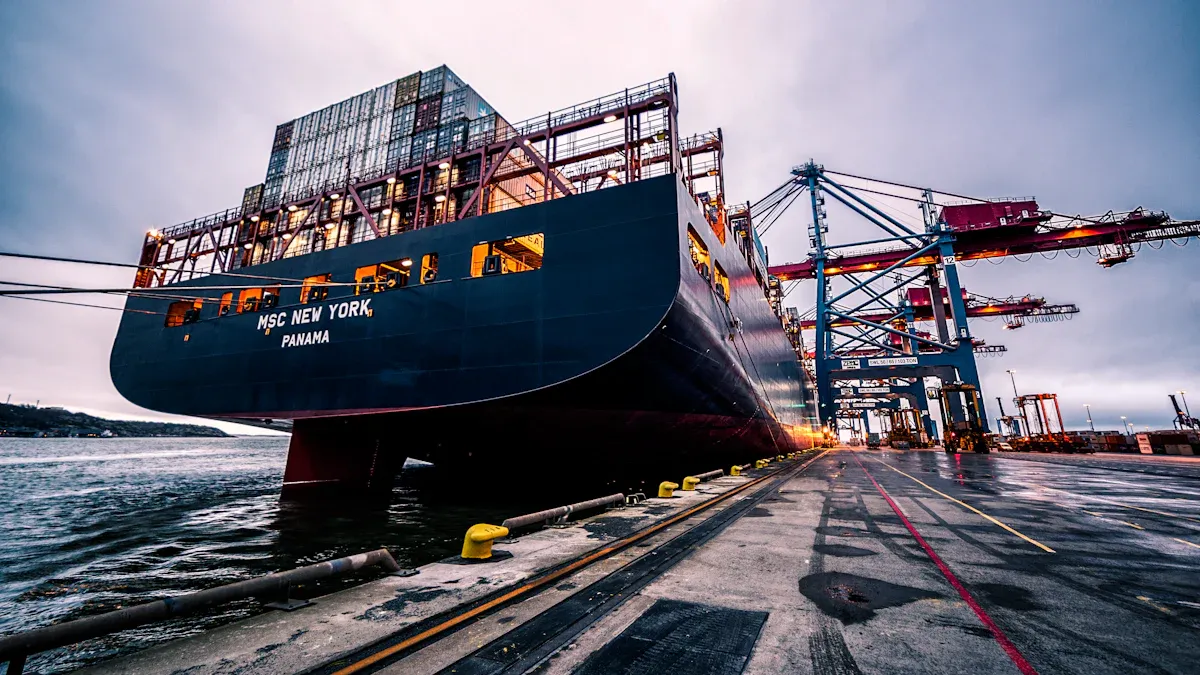
If you are tracking an international package and see the status “customs clearance completed,” that is generally good news. It means the shipment has finished the applicable customs processing stage and can normally move forward to the next part of its journey.
However, “customs clearance completed” does not necessarily mean the package is already on a delivery truck or will arrive at your door immediately.
International shipments pass through several stages, and customs is only one of them. After clearance, the package may still need to be released by the carrier, processed at a local facility, transferred to domestic transportation, or scheduled for final delivery.
Understanding what the status means can make international package tracking much less confusing.
What Does “Customs Clearance Completed” Mean?
“Customs clearance completed” generally means that the customs authority has completed its required processing for the shipment.
During customs clearance, authorities may review information such as:
· Package contents
· Product descriptions
· Declared value
· Country of origin
· Importer or consignee information
· Product classification
· Required permits
· Duties and taxes
· Import restrictions
If the shipment satisfies the applicable requirements, customs processing can be completed and the cargo can proceed.
The exact wording varies between carriers and countries. Some tracking systems may use terms such as “customs released,” “import clearance complete,” or “clearance completed.”
Although the wording differs, these statuses generally indicate that the shipment has passed an important customs checkpoint.

Does Customs Clearance Completed Mean My Package Is Released?
Not always.
Customs clearance and carrier release can be separate steps.
A customs authority may complete its review, while the carrier or terminal still needs to perform internal processing before the shipment leaves the facility.
For example, a package could remain at an airport facility while the carrier:
· Updates its internal records
· Processes release instructions
· Arranges domestic transportation
· Sorts the package
· Transfers it to another facility
Therefore, it is normal for the next tracking update to appear some time after customs clearance.
What Happens After Customs Clearance?
The exact sequence depends on the shipping method.
A typical international parcel may follow this process:
International Arrival → Customs Processing → Customs Clearance Completed → Carrier Release → Domestic Sorting → Local Transportation → Out for Delivery → Delivered
For express shipments, these stages can happen relatively quickly.
For standard international shipping, the package may take longer because transportation is less frequent or because it must pass through additional distribution facilities.
Why Has My Package Not Moved After Clearance?
Seeing “customs clearance completed” followed by several hours or even a period without movement does not automatically mean there is a problem.
Several operational steps may occur without a visible tracking update.
Carrier Processing
The carrier may need to process the customs release internally.
Facility Sorting
The package may be waiting to be sorted with other shipments.
Transportation Scheduling
The next truck, aircraft, or local delivery route may not have departed yet.
Weekend or Holiday
Transportation networks may operate on reduced schedules.
High Shipment Volume
Large facilities can experience temporary congestion.
Tracking systems are also not necessarily real-time. A package may move before the next scan appears.
Does Customs Clearance Completed Mean Duties Have Been Paid?
Not necessarily.
The tracking status alone does not always show whether all duties, taxes, brokerage charges, or other fees have been paid.
Depending on the shipping arrangement, charges may be:
· Paid by the sender
· Collected from the recipient
· Billed separately
· Included in the shipping price
· Collected before delivery
If you are expecting import charges, check the carrier’s payment instructions or customs documentation.
What Are Customs Clearance Charges?
Customs-related costs can include several different categories.
These may include:
· Import duties
· Taxes
· Customs processing fees
· Brokerage fees
· Handling charges
· Storage charges
· Inspection-related costs
Not every shipment incurs every type of charge.
The amount depends on the destination country, product classification, declared value, origin, shipping terms, and other factors.
How Long Does Delivery Take After Customs Clearance?
There is no universal timeframe.
Some packages may enter the domestic delivery network shortly after clearance.
Others may require additional processing and take several days.
The remaining time depends on:
· Shipping service
· Destination
· Carrier
· Customs facility
· Domestic distance
· Weekend or holiday schedules
· Delivery type
· Package size
· Local facility workload
A package destined for a major metropolitan area may move differently from one going to a remote location.
What If Tracking Shows “Customs Clearance Completed” for Several Days?
If there are no new tracking updates for an unusually long period, contact the carrier.
Before doing so, check whether the tracking page provides another expected delivery date.
When contacting customer service, provide:
· Tracking number
· Latest tracking status
· Clearance date
· Destination
· Sender information
· Any customs reference information available
The carrier may be able to determine whether the shipment is waiting for transportation, processing, payment, or another action.
What If the Status Changes Back to Customs Processing?
Tracking systems do not always display statuses in a perfectly linear way.
A shipment may receive additional customs review after an earlier update.
This can happen if:
· Additional documentation is required
· A regulatory issue appears
· The shipment is selected for inspection
· The carrier needs clarification
· Information must be corrected
A later customs-related update does not necessarily mean the original clearance was fraudulent or invalid.
It may simply indicate another stage of processing.
What Should the Recipient Do?
In most cases, the recipient does not need to take action after a normal customs clearance.
Continue monitoring the tracking information.
However, respond promptly if the carrier or customs broker requests information.
Possible requests may involve:
· Product information
· Proof of purchase
· Invoice
· Identification of the importer
· Import permits
· Payment of duties or taxes
Ignoring a request can create additional delays.
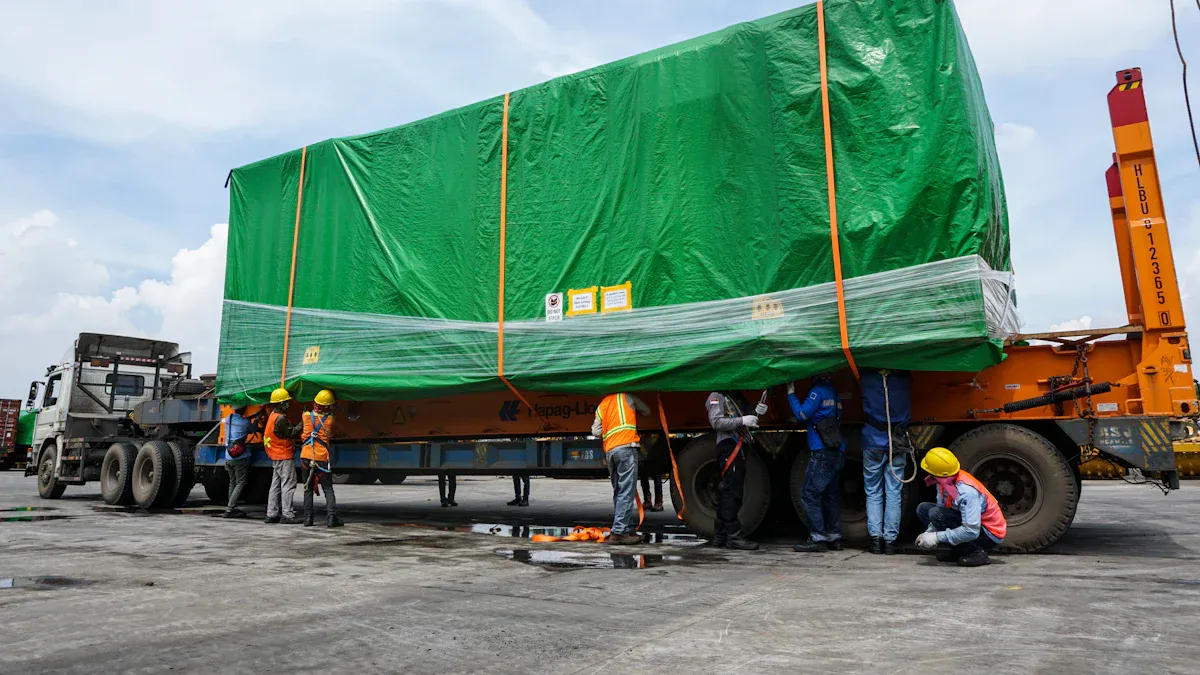
Large Freight Is Different From Small Packages
The phrase “customs clearance completed” can also appear in commercial freight tracking.
For large shipments, clearance may be followed by additional stages such as:
Customs Clearance → Terminal Release → Drayage or Trucking → Warehouse → Final Delivery
For ocean containers, the cargo may still need to leave the port after customs clearance.
For air freight, cargo may need to move from an airport handling facility to a freight forwarder or domestic carrier.
For furniture and appliances, final delivery may also require a liftgate or appointment.
Customs Clearance Versus Final Delivery
It is useful to separate the customs process from transportation.
Consider the following simplified timeline:
Step 1: Package leaves the origin country.
Step 2: Package arrives in the destination country.
Step 3: Customs reviews the shipment.
Step 4: Customs clearance is completed.
Step 5: Carrier processes the release.
Step 6: Package enters domestic transportation.
Step 7: Package reaches a local facility.
Step 8: Package goes out for delivery.
Step 9: Package is delivered.
This distinction explains why a shipment can be customs-cleared but still several steps away from the recipient.
How to Avoid Customs Problems in the Future
The best way to reduce customs delays is to provide accurate information before shipping.
Make sure the shipment has:
· Accurate product descriptions
· Correct declared value
· Appropriate classification
· Complete documentation
· Correct recipient information
· Required permits when applicable
· Proper packaging and labeling
For commercial shipments, professional customs assistance may be useful.
Common Misunderstandings
“Customs Clearance Completed” Means Delivered
It does not.
It means the customs stage has been completed.
The Package Must Move Immediately
Not necessarily.
Carrier processing and transportation scheduling may still be required.
Customs Status Shows All Fees Are Paid
Not necessarily.
Payment arrangements vary.
No Tracking Update Means the Package Is Lost
A short tracking gap is common.
An extended unexplained delay is a reason to contact the carrier.
Final Thoughts
“Customs clearance completed” is generally a positive tracking status.
It means the shipment has passed the applicable customs processing stage and can proceed toward its destination.
The next steps may include carrier release, sorting, domestic transportation, and final delivery.
If the package remains stationary for a reasonable period, continue monitoring the tracking information. If the delay becomes unusually long or the carrier requests additional information, contact the carrier or customs representative.
The important thing to remember is that customs clearance is a checkpoint, not the finish line. International shipping has apparently decided that one journey should contain several smaller journeys, because apparently one tracking status would have been too merciful.
See Also
Simplifying Supply Chain Management With American Logistics Solutions
Connecting Warehouses For Efficient Supply Chain Management
Key Strategies For Effective Global Logistics Operations
The Role Of Point-to-Point Systems In Global Logistics
PGL’s Knowledge Ensures Smooth Operations In U.S. Supply Chains

