FCL vs LCL Cross Border Shipping: Key Differences and Best Practices
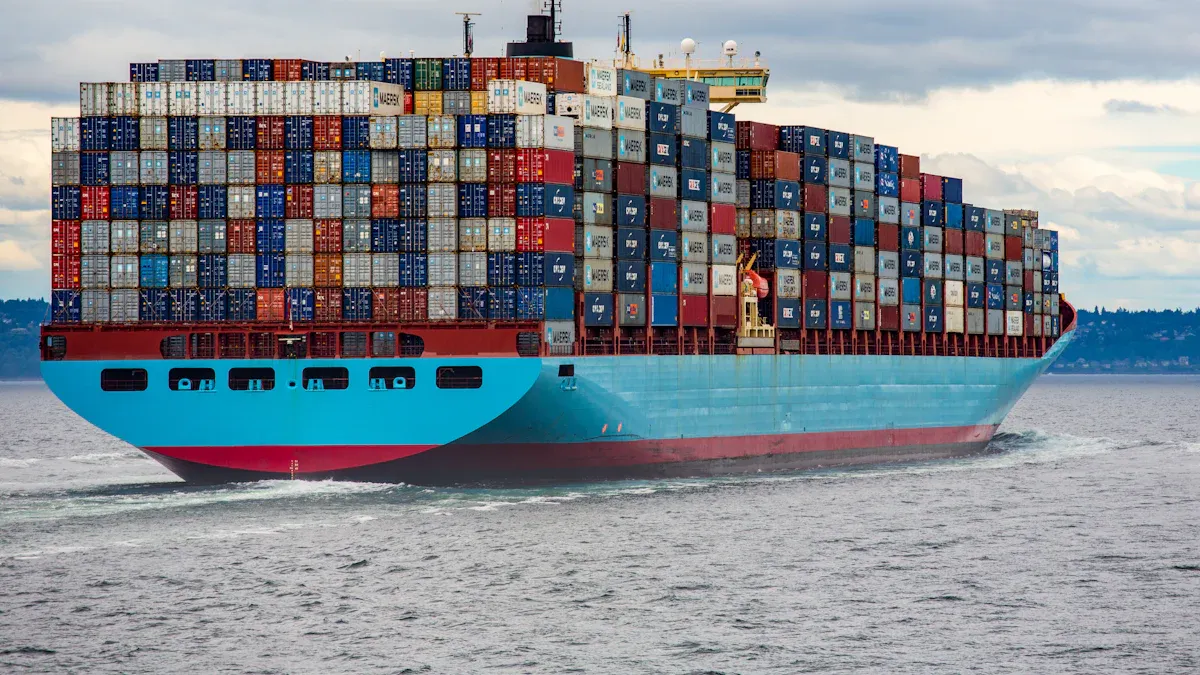
When you look at fcl vs lcl cross border shipping, you make a choice that changes your costs, delivery times, and risks. Your decision changes how fast goods move and what you pay. Many companies use freight forwarders for LCL shipments. These helpers let small and medium businesses give better service to customers. The table below shows how this choice changes your business and how happy your customers are:
Impact Area | FCL & LCL Shipping Effect |
|---|---|
Logistics Efficiency | Using both FCL and LCL saves money |
Customer Experience | |
Business Flexibility | Both ways help with supply chain needs |
Key Takeaways
FCL works well for big shipments that fill a container. It costs less for each item and delivers faster.
LCL is good for small shipments. You pay only for the space you use. This helps you save money.
Think about how big your shipment is and how fast you need it. This helps you pick FCL or LCL to save money and get your shipment on time.
Use tracking tools and keep your paperwork neat. This helps customs go smoothly and stops shipping delays.
Work with smart freight forwarders. They help you follow shipping rules and make shipping easier.
FCL vs LCL Cross Border Shipping Overview
What Is FCL Shipping?
FCL shipping is for when you have a lot of cargo. You get your own 20-foot or 40-foot container. You put your goods inside and seal the container at your place. The container stays closed until it gets to the person getting it. FCL shipping is good for big loads, breakable things, or expensive items. You pay one price for the whole container. This can make each item cheaper if you ship a lot. Most shipping companies use FCL for loads over 15 cubic meters.
Container Type | Length | Width | Height | Cubic Capacity | Payload Capacity |
|---|---|---|---|---|---|
20' Foot Container | 20 ft | 8 ft | 8 ft 6 in | 33.2 CBM | 21,850 KG - 28,160 KG |
40' Foot Container | 40 ft | 8 ft | 8 ft 6 in | 67.7 CBM | 26,760 KG - 28,760 KG |
40' Foot HQ Container | 40 ft | 8 ft | 9 ft 6 in | 76.4 CBM | 26,750 KG - 28,550 KG |
What Is LCL Shipping?
LCL shipping means you share a container with other people. You only pay for the space your stuff takes up. This is best for small or medium shipments. You can send just one pallet or up to twelve pallets. Most shipping companies say LCL is good for less than 15 cubic meters or under 10,000 pounds.
LCL shipping is when your goods travel in a container with other people's cargo. You do not pay for the whole container, just your part. This is great for smaller shipments.
Common LCL shipment sizes:
1 to 12 pallets
Under 15 cubic meters
Less than 10,000 lbs
How Cross Border Shipping Works
First, you book your shipment and plan for pickup. For FCL, you load your goods into your own container. For LCL, you bring your cargo to a warehouse. Workers put many shipments together in one container. The container goes by ship to the port in the other country. When it arrives, workers take out and sort the cargo. Customs officers check the goods. You get your shipment after it is cleared.
Step | FCL Shipping | LCL Shipping |
|---|---|---|
Container usage | Exclusive | Shared |
Cost model | Fixed rate per container | Pay by volume (CBM) |
Transit time | Faster, direct routing | Slower, consolidation needed |
Security and handling | Lower risk, sealed | More handling, higher risk |
Flexibility | Limited, one destination | High, multi-location delivery |
Ideal for | Large, fragile, high-value | Small, cost-sensitive, low-risk |
You need to get papers like a commercial invoice, bill of lading, and packing list. These documents help customs check and clear your shipment. You must fill out the paperwork correctly for easy cross border shipping.
Key Differences Between FCL and LCL
When you look at fcl vs lcl cross border shipping, you see they are not the same. It is important to know these differences before you choose. Let’s look at what makes full container load and less than container load different.
Container Usage and Volume
You pick full-container load if your shipment fills most or all of a container. This way, you get the whole container for your goods. You close the container at your warehouse, and it stays shut until it arrives. Less-than-container load means you share space with other people. You only pay for the space your cargo uses. This is good for small shipments and helps use space better.
LCL saves money for small shipments and uses space well.
FCL is better for big shipments and is usually faster.
LCL can help the environment by putting more cargo together.
Volume (CBM) | Shipping Option | Cost Efficiency |
|---|---|---|
Under 10 | LCL | 30-45% more cost-effective |
10-15 | LCL/FCL | Requires detailed cost comparison |
15+ | FCL | 40% lower per-unit costs |
20+ | FCL | 50% cost reductions vs LCL |
You should use less-than-container load for shipments under 10 CBM. If your shipment is between 10 and 15 CBM, compare the prices. Full-container load is best for shipments of 15 CBM or more.
Cost Structure and Pricing
Cost is a big reason people pick full-container load or less-than-container load. FCL gives you one price for the whole container. You pay this price even if you do not fill it up. LCL charges you for each cubic meter. The price per CBM is higher, but you only pay for what you use.
Shipping Type | Cost Structure Description | Break-Even Point |
|---|---|---|
FCL | Flat rate for entire container, predictable pricing | 13-15 CBM for 20-foot, 26-30 CBM for 40-foot |
LCL | Pricing by CBM, higher per-CBM rate | Below 13 CBM is cheaper with LCL, above 15 CBM favors FCL |
LCL shipping usually costs $25 to $140 for each CBM. Short trips cost $30–50 per CBM. Long trips cost $60–100 per CBM. FCL rates for a 20-foot container are $1,500 to $3,000. LCL rates for the same cargo are $100 to $200 per CBM. You save money with full-container load if your shipment is big.
Transit Time and Speed
How long it takes to ship is another big difference. FCL shipments are faster because you put your goods right into the container. The container goes straight to the ship and then to the destination. LCL shipping takes longer. Your cargo must be packed with other shipments, sorted, and unpacked at the end.
Factor | FCL Shipment | LCL Shipment |
|---|---|---|
Consolidation/Deconsolidation | No extra steps | Requires arrangement and deconsolidation |
Handling and Sorting | Minimal handling | Multiple handling and sorting |
Customs Clearance | Streamlined process | More complex, multiple shippers |
Transportation Routing | Direct loading onto vessel | May involve intermediate stops |
Delivery Prioritization | Priority treatment | Lower priority |
FCL is faster because it goes straight and has less handling.
LCL takes more time because of packing and extra stops.
FCL shipments skip many stops, so customs is quicker.
Pick full-container load if you need your shipment fast. Less-than-container load is good if you can wait.
Risk and Security
Risk and safety are important for valuable or breakable goods. FCL is safer because you close the container and it stays closed. Less-than-container load has more risk. Your cargo is with other shipments, handled more, and could get damaged or stolen.
Shipment Type | Risk of Damage and Loss |
|---|---|
FCL | Lower risk due to less handling |
LCL | Higher risk due to multiple handling points |
LCL shipping can cost more for insurance. Expensive or sensitive products may need full-container load for safety. If customs checks one shipment in an LCL container, the whole container is delayed. FCL shipments do not have this problem.
Documentation and Handling
You need the right papers for both full-container load and less-than-container load. The paperwork includes:
Bill of Lading: Contract between shipper and carrier.
Commercial Invoice: Details the sale transaction.
Packing List: Lists the contents for customs.
Certificate of Origin: Shows where the product comes from.
Insurance Certificate: Proof of insurance for valuable cargo.
FCL shipments need less paperwork. You only handle one shipment per container. LCL shipping needs more paperwork for packing and unpacking. Handling is harder. LCL shipments can take at least four days longer than FCL because of sorting and unpacking. FCL shipments go straight to the final place.
Tip: Always check your documents to make sure they are correct. Mistakes can slow down customs.
Now you know the main differences between full-container load and less-than-container load. Use this information to pick the best shipping method for your business.
Pros and Cons of FCL and LCL Shipping
FCL Shipping Advantages
There are many good things about using FCL for cross border shipping. Experts say these are the main benefits:
FCL saves money when you ship a lot at once. It is cheaper for big shipments.
Your goods stay in one container the whole time. Workers do not move your cargo much.
There is less chance your items get broken. The container keeps your things safe during the trip.
FCL keeps your shipment away from other people’s cargo. This lowers the risk of damage.
FCL is faster because you do not wait for other shipments to be packed together.
Tip: FCL is best if you ship full containers often and want less risk.
FCL Shipping Disadvantages
FCL can be hard for businesses that ship small amounts:
You pay for the whole container, even if it is not full.
You need a lot of space to store the container at both ends.
FCL is not good for small or many quick shipments.
You must plan ahead and have room for big deliveries.
Challenge | Impact on Business |
|---|---|
Unused container space | Higher shipping costs |
Storage requirements | Increased warehousing needs |
Less flexibility | Difficult for small shipments |
LCL Shipping Advantages
LCL is helpful for businesses with smaller shipments:
You can send small shipments more often and avoid too much stock.
LCL costs less than air freight for heavy items.
It is easier to find a container during busy times.
You only pay for the space you use, so you save money.
LCL helps you control your stock and not order too much.
If something goes wrong, only some of your goods are affected.
Note: LCL is good if you want to save money and do not have enough for a full container.
LCL Shipping Disadvantages
There are some problems with LCL shipping you should know:
Shipments can be late because of bad weather or busy ports.
Extra fees like handling and customs can make it cost more.
Your cargo is moved many times, so it can get damaged, especially if it is fragile.
You need to fill out a lot of paperwork for each shipment.
Sometimes it is hard to talk to everyone involved in shipping.
Disadvantage | Effect on Shipment |
|---|---|
Delays | Longer transit times |
Hidden fees | Higher total shipping costs |
Damage risk | Increased insurance needs |
Documentation | More administrative work |
Tip: Always check your papers and pack your goods well to lower risks with LCL shipping.
How to Choose Between FCL and LCL
Selecting between fcl and lcl for cross border shipping can shape your supply chain, costs, and customer satisfaction. You need to look at your shipment size, budget, delivery needs, and the type of products you ship. Here is how you can make the right choice for your business.
Shipment Size and Frequency
Start by looking at your shipment volume. The size and frequency of your shipments will guide your decision.
If you ship large loads that fill most of a container, fcl is usually the best choice.
For low-volume shipments or when you send smaller loads often, lcl works better.
Regular high-volume shipments make fcl more cost-effective over time.
If your demand changes or you test new markets, lcl gives you flexibility.
When your shipment size grows and becomes stable, you can switch from lcl to fcl.
Tip: Always check your cargo’s cubic meter (CBM) measurement. If your shipment approaches the full container size, fcl will save you money and time.
Budget and Cost Impact
Your budget plays a big role in the fcl vs lcl cross border shipping decision. You want to balance shipping costs with your cash flow and storage needs.
Lcl is often more cost-effective for smaller shipments because you pay only for the space you use.
Fcl offers better rates for high-volume shipments, even if the upfront cost is higher.
Lcl may include extra handling fees, so check the total cost before booking.
You can ask for competitive freight bids to lower costs for both fcl and lcl.
Optimizing your lcl shipments can help you save money in your supply chain.
Note: If you ship small loads, lcl helps you avoid paying for unused space. For large, steady shipments, fcl gives you the best value per unit.
Urgency and Delivery Needs
Think about how quickly you need your goods to arrive. The speed of delivery can affect your choice.
Fcl shipping is faster because your container goes straight to the destination. There are no delays from packing or unpacking with other shipments. If you have urgent orders or tight deadlines, fcl is the better option. Lcl takes longer because your cargo gets combined with others and sorted at both ends. If you can wait and want to save money, lcl is a good fit.
If your business depends on fast restocking or just-in-time inventory, choose fcl. For less urgent shipments, lcl offers flexibility and cost savings.
Product Type and Risk Tolerance
The type of goods you ship and your risk tolerance matter when choosing between fcl and lcl. Some products need extra care and security.
Product Type | Recommended Shipping Method | Reason for Recommendation |
|---|---|---|
FCL | Better security and less handling reduce the risk of damage. | |
High-Value Merchandise | FCL | Dedicated container protects against loss and theft. |
Sensitive Electronics | FCL | Fewer handling points lower the chance of breakage. |
Smaller, Less Sensitive | LCL | Robust packaging makes lcl suitable for regular, low-risk shipments. |
If you ship fragile, high-value, or sensitive products, fcl keeps your goods safe and under your control. For general goods or when you use strong packaging, lcl is a smart choice for low-volume shipments.
Always match your shipping method to your product’s needs. This reduces risk and keeps your customers happy.
By looking at your shipment size, budget, urgency, and product type, you can choose the best method for your business. Use fcl for high-volume shipments, urgent deliveries, and sensitive goods. Pick lcl for flexible, smaller, or less urgent shipments. This approach helps you control costs, manage risk, and keep your supply chain running smoothly.
Best Practices for FCL and LCL Cross Border Shipping
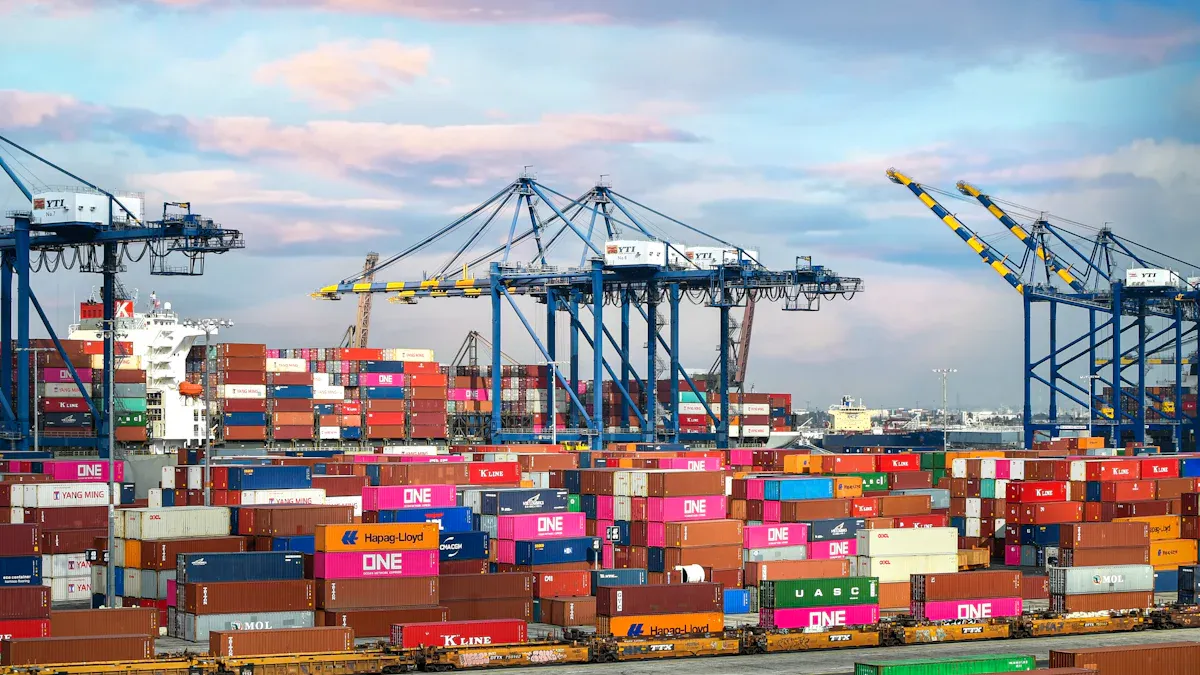
Planning and Volume Forecasting
You should plan your fcl and lcl shipments ahead of time. Use tracking tools to see where your cargo is right now. These tools help you keep track of your stock. Watch out for busy seasons when demand and prices change. Change your plans to save money and avoid late shipments. Make friends with your shipping companies. They can give you deals and help when you need it. Always check your paperwork. Good paperwork helps your shipment clear customs faster, especially for lcl.
Use tracking tools to plan better.
Change your plans for busy seasons.
Work with your shipping companies for deals.
Check your paperwork for quick customs clearance.
Negotiating Freight Contracts
You can save money by putting small shipments together. This works well for lcl because you get better prices. Freight forwarders can help lower costs and handling fees. Know how much and how often you ship. This helps you talk to carriers and get good deals. Look at your contracts often. Use old data and market news to get better prices. Technology can help you find cheaper ways to ship.
Check how much and how often you ship.
Make a list of what you ship.
Look at your contracts and talk about prices often.
Optimizing Documentation
You need to be careful with your paperwork for fcl and lcl. Good paperwork helps your shipment move fast and not get stuck. Use the right HS codes, bills of lading, and packing lists. For lcl, make sure your group shipping papers are correct. Mistakes can slow down your shipment and cost more money. Get all your papers ready before you ship for smooth customs clearance.
Tip: Always check your papers to make customs faster and safer.
Working with Forwarders
Pick freight forwarders who know about fcl and lcl. They know how to put shipments together and follow the rules. Forwarders help you with hard shipping laws and keep your cargo moving. Ask them how they clear customs from start to finish. Good forwarders give you tracking, help, and flexible choices.
Pick forwarders who know fcl and lcl.
Ask how they clear customs.
Use their tracking tools to see your shipment.
Tracking and Risk Management
You should watch your fcl and lcl shipments closely. Tracking in real time helps you find problems early and lower risk. For lcl, tracking is extra important because your cargo is handled more. Get insurance to protect your shipment from loss or damage. Watch your customs status so your shipment is not late.
Note: Tracking and risk checks keep your fcl and lcl shipments safe and on time.
Now you know the main ways fcl and lcl are different in fcl vs lcl cross border shipping. Fcl is fast, safe, and saves money if you ship a lot at once. Lcl is good for smaller shipments and helps you control your budget. Look at the table below to help you pick:
Factor | Description |
|---|---|
Size Suitability | Think about if you need a whole container or can share. |
Cost Analysis | Look at all costs and any extra fees. |
Processing Speed | See how shipping time changes your supply chain. |
Integrity Assurance | Check if your goods need more security or have risks from handling. |
Plan ahead, fill out your papers right, and track your shipments. Pick lcl if you ship small loads often or want to pay for just your space. Choose fcl for expensive, breakable, or urgent goods. Ask shipping experts for help with hard shipments.
Lcl is great for sending goods to many places and managing stock.
Fcl is best for big, steady shipments.
Making smart choices helps you save money, lower risk, and ship better.
FAQ
What is the main difference between FCL and LCL shipping?
You use FCL when your goods fill a whole container. You choose LCL when your shipment is smaller and shares space with other shippers. FCL gives you more control. LCL offers flexibility for small loads.
When should you choose LCL shipping?
Pick LCL if you ship small quantities or test new markets. LCL works well when you do not need a full container. You save money by paying only for the space you use.
How can you reduce risk in LCL shipments?
You can pack your goods carefully and use strong packaging. Label each box clearly. Work with a trusted freight forwarder. Buy insurance for extra protection. Track your shipment online for updates.
Does FCL shipping clear customs faster than LCL?
Yes. FCL usually clears customs faster. Your container stays sealed and contains only your goods. LCL takes longer because customs checks cargo from many shippers in one container.
What documents do you need for cross border shipping?
You need a bill of lading, commercial invoice, packing list, and certificate of origin. For some products, you may need extra permits. Always check with your freight forwarder or customs broker.
See Also
Comprehensive Ocean Export Solutions for FCL and LCL Shipments
Key LCL Shipping Steps for Exporting to Panama
Effortless Cross-Border Freight Solutions on the West Coast
