How to Use Freight on Board Meaning International Trade in 3 Steps
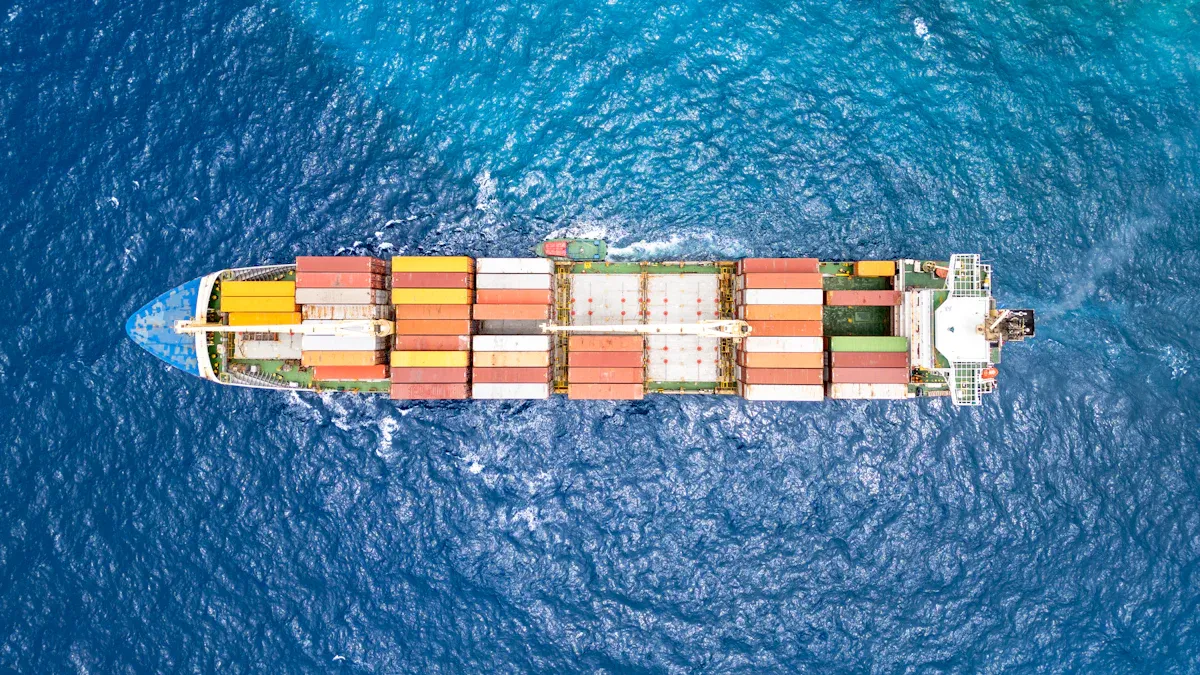
If you work in international trade, understanding the freight on board meaning international trade is essential. Also known as FOB, this term sets clear guidelines for when responsibility shifts between the seller and the buyer. The freight on board meaning international trade defines who assumes risk and who covers costs at each stage of the shipping process. Including freight on board terms in your contracts helps prevent confusion by specifying who pays for shipping and who handles any issues that arise during transport. Many contract disputes occur because parties misunderstand the freight on board meaning international trade, which can lead to unexpected freight charges, unforeseen problems, or customs complications if these terms are not applied correctly.
Key Takeaways
Learn about FOB to see when the seller stops being responsible and the buyer starts. This helps stop arguments.
Pick FOB Shipping Point or FOB Destination based on how much control you want. Shipping Point gives you more control. Destination means you have less risk.
Write clear FOB rules in contracts so people do not get confused. Say where the shipping starts, who does what, and who pays for things.
Use the right papers for FOB shipments, like the bill of lading and commercial invoice. These papers help with customs and show who owns the goods.
Talk clearly with your partners about FOB rules. Good talking helps stop mistakes and delays.
Freight on Board Meaning International Trade
FOB Definition and Key Points
It is important to know what freight on board means before shipping anything. The International Chamber of Commerce says freight on board is a trade term. It shows the exact moment when costs and responsibility move from seller to buyer. This moment matters in every contract. Using fob sets clear rules about who pays and who is responsible for the goods.
FOB is different from other incoterms because it is only for goods shipped by sea or rivers. You must name the place where goods are loaded. This affects how shipping is planned and when it happens. Here are the main things that make fob special in incoterms 2020:
The seller puts goods on the ship picked by the buyer.
The seller pays and takes risks until goods are loaded.
Risk and responsibility change after goods cross the ship’s rail at the port.
FOB is not used for air or land shipping.
The loading place is always written in the contract.
You can look at the table below to see how fob is different from other incoterms:
Feature | FOB (Free On Board) | CIF (Cost, Insurance and Freight) |
|---|---|---|
Main Transport Paid By | Buyer | Seller |
Insurance Required | No | Yes – minimum coverage |
Risk Transfers | At port of shipment | At port of shipment |
Unloading at Destination | Buyer | Buyer |
Best Used For | Sea shipments | Sea shipments with seller arranging insurance |
Control Over Carrier & Costs | Buyer | Seller |
Importance of FOB in International Trade
Freight on board helps you manage risk and cost in a clear way. When you use fob, you know exactly when ownership and responsibility change. This helps stop fights and confusion. In fob origin deals, you control costs and risks once goods are loaded. You can pick your carrier and handle local costs, so you avoid extra fees.
In fob destination deals, the seller keeps control and pays until goods reach you. The seller handles shipping and paperwork at the start, which is good for new importers. You get updates about your shipment and can choose rates that work for you. Freight on board makes shipping cheaper and gives you more control.
FOB helps you because it:
Shows when risk and responsibility change.
Lets you pick carriers and manage costs.
Helps you avoid extra fees.
Gives you updates about your shipment.
Makes contracts easier to understand and stops fights.
You need to use fob and other incoterms 2020 the right way to protect yourself in trade. Freight on board is always important in contracts and deals.
FOB Types: Shipping Point vs Destination
FOB Shipping Point Explained
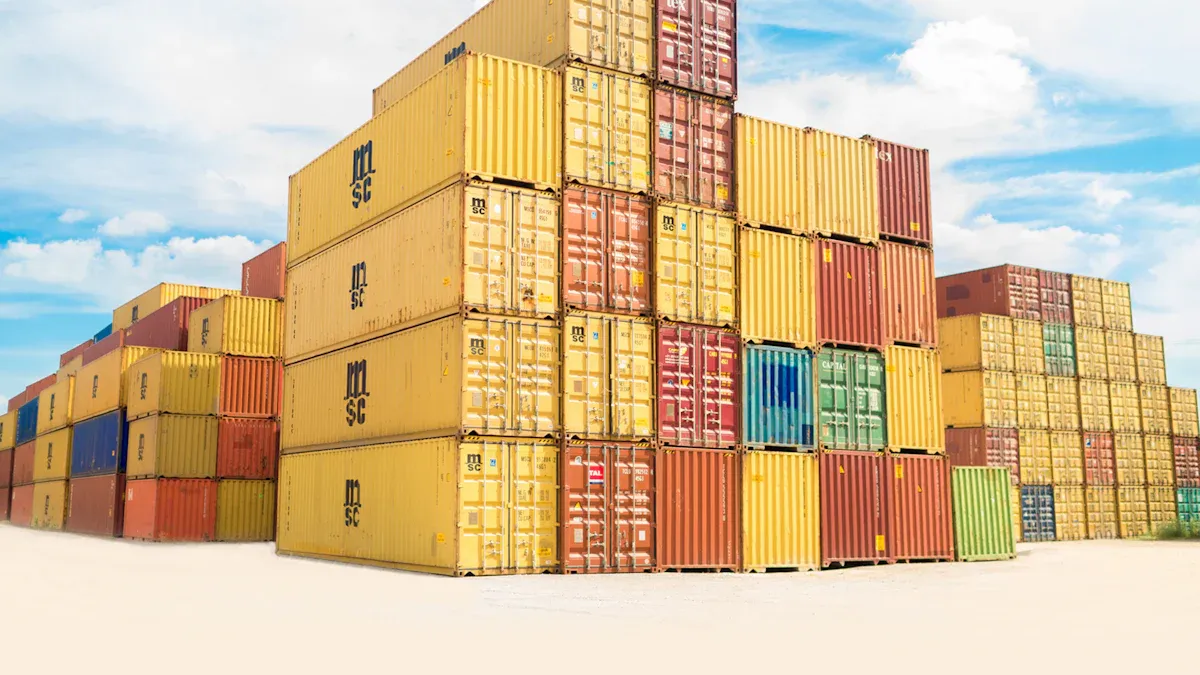
You may see fob shipping point in many international trade contracts. This type means you take ownership and risk as soon as the goods are loaded onto the ship at the seller’s port. The seller handles export clearance and loads your goods onto the vessel you choose. Once the freight hauler signs for the shipment, you become responsible for the goods. You must pay for shipping, insurance, and any risks during transit.
Here is how the process works:
The seller clears the goods for export.
The freight hauler picks up and signs for the shipment, which transfers ownership to you.
You take on all risks and insurance costs from this point.
Many experienced importers prefer fob shipping point. You can manage your own logistics and choose your carrier. This method works well if you have a strong shipping network or want to control costs and responsibilities.
FOB Destination Explained
With fob destination, the seller keeps responsibility for the goods until they reach your location. The seller pays for shipping and handles all risks until the goods arrive at your warehouse or port. You only take ownership and risk when you receive the goods.
This type is helpful if you want the seller to manage the shipping process. New importers often choose fob destination because it reduces their risk and paperwork.
Let’s compare the two types:
Aspect | FOB Shipping Point | FOB Destination |
|---|---|---|
Buyer assumes risk once goods are on ship | Seller retains risk until goods reach buyer | |
Responsibility for Costs | Seller pays shipping until delivery | |
Ownership Transfer | At shipping point | At destination |
You should choose the fob type that matches your experience and needs. If you want more control, fob shipping point is best. If you want less risk, fob destination is better.
FOB Responsibilities and Costs
Seller vs Buyer Responsibilities
When you use fob in trade, you must know each person’s job. The seller and buyer have different jobs with fob shipping point and fob destination. This choice changes who looks after the goods, who pays for shipping, and who fixes problems.
Here is a table that shows how jobs change with each term:
Term | Buyer Responsibilities | Seller Responsibilities |
|---|---|---|
FOB Shipping Point | Takes over when goods are shipped | Handles goods until they are shipped |
FOB Destination | Gets goods and takes over at arrival | Handles goods until they reach the buyer |
If you pick fob shipping point, you take charge when goods are loaded. You must get insurance, pay for shipping, and fix any problems on the way. The seller’s job ends when goods are on the ship. If you pick fob destination, the seller stays in charge until goods reach you. The seller pays for shipping and handles risks until you get the goods.
Tip: Always read your contract to see the exact fob term. This helps you know who is in charge at each step.
Cost Allocation and Risk Transfer
It is important to know how costs and risks move between you and the seller. The time when risk and ownership change depends on the fob type. This is called risk transfer.
The table below shows when you take on costs and risks:
FOB Type | Ownership Transfer Point | Responsibility for Damage/Loss |
|---|---|---|
FOB Origin | When goods are shipped | Buyer is in charge if something happens in transit |
FOB Destination | When goods arrive at the buyer’s place | Seller is in charge if something happens in transit |
If you use fob origin, you pay for shipping and insurance once goods are loaded. You also take the risk if something happens during shipping. If you use fob destination, the seller pays for shipping and insurance until goods reach you. The seller is in charge if something goes wrong on the way.
Insurance is also important for costs. With fob shipping point, you must get insurance when goods are on the ship. With fob destination, the seller gets insurance until goods reach you.
Party | Insurance Responsibility | Risk Transfer Timing |
|---|---|---|
Buyer | Must get insurance for the trip. | Risk moves to buyer when goods are loaded. |
Seller | Gets insurance until goods reach the buyer’s port. | Risk stays with seller until goods are delivered. |
Note: Always check who gets insurance in your contract. This keeps you safe from surprise costs.
Typical Documents Required
You need the right papers to show who owns the goods and who is in charge. These papers help with customs and payment in trade. Here is a list of common papers you need for fob shipments:
Commercial Invoice: Lists what you are selling, how much, and the price.
Packing List: Shows all items, sizes, weights, and how they are packed.
Bill of Lading (B/L): Proves goods are loaded and acts as a receipt.
Export License: Needed for some goods, based on country rules.
Certificate of Origin: Shows where goods are from for tariffs.
Insurance Certificate: Proves goods are insured while shipping.
Export Declaration: Some countries need this to track exports.
Other Customs Documentation: Extra forms may be needed for some goods or places.
You should get and check these papers before you ship. This helps you avoid delays and problems at customs. Using the right papers also proves when risk and cost move under incoterms 2020.
Tip: Keep copies of all your papers. This helps you fix problems or answer questions later.
By knowing fob jobs, cost sharing, and needed papers, you can ship goods with confidence. Always use clear incoterms in your contracts and follow incoterms 2020 rules to keep your business safe.
Applying FOB in Trade Agreements
Including FOB Terms in Contracts
You need to include clear fob terms in every international trade contract. This helps you avoid confusion and costly mistakes. Start by understanding the legal meaning of fob under incoterms 2020. You should always check if your goods ship by sea, since fob only works for ocean or inland waterway transport.
Follow these steps to add fob terms to your contract:
Learn the legal rules for fob in your country and your partner’s country.
Work with your shipping partners to set clear roles and duties.
Choose the best shipping route for cost and speed.
Use a tracking system to watch your shipment in real time.
Teach your team and clients about fob and what it means for their shipments.
Get ready for customs checks by preparing all needed documents.
Plan for risks, like damage or loss, by getting insurance.
When you write your contract, use clear language. The table below shows what you should include:
Description | |
|---|---|
Specification of the shipping point | State if you use FOB Origin or FOB Destination. |
Responsibility for freight charges | Say who pays for shipping costs. |
Ownership transfer of goods | Show when the buyer owns the goods. |
Liability for loss or damage | Explain who pays if goods are lost or damaged during shipping. |
Selection of the carrier | Decide who picks the shipping company. |
You should always name the exact port or place, like “FOB Shanghai Port,” to avoid confusion. This makes your contract strong and clear.
Communicating FOB with Partners
Good communication helps you and your partners understand fob terms. You need to make sure everyone knows their job and when their job ends. Here is how you can do this:
Write the fob terms in your sales contract.
Name the exact port where the goods will be loaded.
Make sure both you and your partner know when the seller’s job ends and yours begins.
Add details about how the goods will be loaded.
State the exact point when the goods are given to the carrier.
By stating these details in your documents, you lower the risk of confusion, delays, or fights about who is responsible.
You should also talk often with your logistics team and your buyer or seller. Clear communication helps everyone follow the rules of incoterms 2020. You can use emails, calls, or meetings to check that everyone understands the plan.
Best practices for using fob in international trade include:
Keep all talks and agreements in writing.
Stay flexible during talks to find the best deal for both sides.
Write down every detail about fob in your contract.
Avoiding Common Mistakes
Many people make mistakes when using fob in international trade. You can avoid these problems by learning what to watch for.
Mistake Description | Implication |
|---|---|
Using FOB for containerized shipments | FOB is not for containers. Use FCA for containers to avoid disputes and extra costs. |
Not naming the port can cause confusion. Always use a clear place, like “FOB CNSHA.” |
You should also make sure you use the right incoterms for your shipment. Incoterms 2020 gives you the latest rules. Always check if fob fits your shipment type.
The table below shows how you can avoid disputes:
Aspect | Explanation |
|---|---|
Make sure both sides know when the risk moves from seller to buyer. | |
Cost Management | Write down who pays for shipping and insurance to stop surprise fees. |
Legal Clarity | Use clear words in your contract to solve problems faster if something goes wrong. |
Avoiding Disputes | Clear terms help you avoid fights and legal trouble. |
You should always review your contract before signing. Ask a trade expert if you have questions about fob or incoterms. This keeps your business safe and your shipments on track.
You can use fob in three clear steps: understand the meaning, choose the right type, and apply it in your contracts. When you use fob, you gain control over shipping costs and risk. You decide when responsibility moves from seller to buyer. With fob, you can select your own freight forwarder and manage expenses. Always review your contract for fob details:
State the fob point and location.
List each party’s duties and costs.
Stay updated on shipping rules.
For complex shipments, ask an expert for advice.
FAQ
What does fob mean in international trade?
You use fob to show when the seller’s responsibility for goods ends and yours begins. This term helps you know who pays for shipping and who handles risks during transport.
When should you use fob shipping point?
You should use fob shipping point if you want to control shipping and costs after the goods leave the seller’s port. This works best when you have experience with logistics and want to choose your own carrier.
What documents do you need for fob shipments?
You need a bill of lading, commercial invoice, packing list, and insurance certificate. These documents help you clear customs and prove ownership during the shipping process.
Who pays for insurance under fob terms?
You pay for insurance once the goods are loaded onto the ship at the port. The seller covers risks only until the goods are on board.
Can you use fob for air or land shipments?
No, you cannot use fob for air or land shipments. This term only applies to goods shipped by sea or inland waterway.
See Also
Maximize Savings With Premier Global Logistics' FTL Services
Key LCL Shipping Steps for Exporting From Panama
Enhancing Efficiency In Global Operations Through Innovative Logistics
Crucial Strategies For Effective Global Logistics Management
