How to understand freight on board meaning in international trade
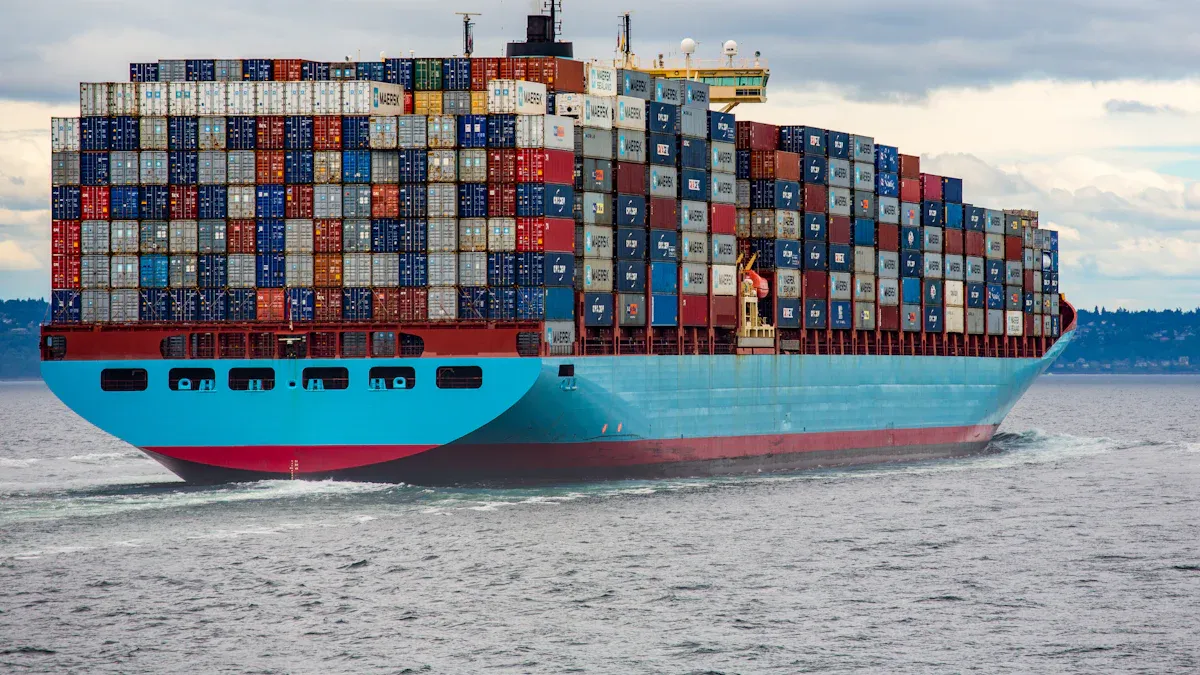
Understanding freight on board meaning international trade is essential if you want to manage costs and risks in global shipping. The freight on board meaning international trade clearly defines the exact point when the seller’s responsibility ends and yours begins. This clarity helps prevent disputes, allows you to plan your finances, and makes shipping management easier. In international trade, FOB terms specify who pays for each part of the process, who handles the shipment, and when the risk transfers. By knowing and applying freight on board meaning international trade, you can make smarter decisions and protect your business.
Key Takeaways
FOB means you take responsibility for goods once they are loaded onto the ship.
The seller handles costs and risks until the goods are on the ship.
You pay for shipping, insurance, and import duties after loading.
FOB gives you control over shipping choices and costs.
Always check your contract to know when risk and costs transfer.
Freight On Board Meaning In International Trade
What Is Freight On Board?
It is important to know freight on board meaning international trade. This helps you manage shipping better. Freight on board tells you when the seller stops being responsible. You become responsible after the goods are put on the ship. The seller must bring the goods to the port. The seller also loads them onto the vessel you pick. You take charge once the goods are on the ship. This moment matters because you start paying costs. You also handle risks and plan how to move the goods.
Freight on board began to show who was in charge of goods during sea shipping. In the last ten years, the meaning has changed. Now, people use freight on board for air and rail shipping too. This change helps you work with new supply chains and many ways to ship.
To avoid problems, always agree on the port and vessel. This makes sure everyone knows when responsibility changes.
FOB As An Incoterm
Incoterms are rules that help you and your trading partners know what to do. Freight on board is a common incoterm. When you use FOB, you follow clear steps. The seller must:
Move the goods to the port.
Put the goods on the vessel you choose.
Finish export paperwork.
You must:
Tell the seller which vessel and spot to use.
Pay for the main transport.
Handle import customs and final delivery.
FOB as an incoterm makes your job clear. You know when to pay for shipping. You also know when to get insurance. This helps you plan costs and avoid surprises.
Freight on board meaning international trade first meant sea shipments. In 2010, incoterms changed and removed "pass over the rails." Now, FOB works for more types of transport.
New trade trends make FOB even more useful. Government rules, money changes, and green goals affect how you use FOB. The newest incoterms help you know your duties and improve shipping.
When Risk And Ownership Transfer
You need to know when risk and ownership move from the seller to you. With freight on board, this happens when goods are loaded onto the vessel at the port. Before this, the seller handles any problems. After loading, you take all risks and costs.
Aspect | Description |
|---|---|
Incoterm | FOB (Free on Board) |
Transfer Point | When goods are loaded onto the vessel at the port of departure |
Responsibility of Seller | |
Responsibility of Buyer | Buyer takes responsibility for costs and risks once goods are loaded |
The seller brings the goods to the port and loads them onto the vessel.
You pay for transport, insurance, and import duties after loading.
Many legal problems happen because people do not know when risk moves. Some buyers think risk moves when the carrier gets the goods, but that is wrong. You only get risk after the goods are loaded onto the vessel. If you do not get insurance after loading, you could lose money.
Tip: Always check your contract and know the exact point when risk moves. This helps you avoid mistakes and keeps your shipment safe.
New rules can also change your FOB shipment. Customs changes, new laws, and trade fights may raise costs or need more paperwork. You should keep up with these changes to avoid delays.
By knowing freight on board meaning international trade, you can control shipping, manage risks, and make better choices for your business.
FOB Responsibilities And Costs
Seller’s Duties Under FOB
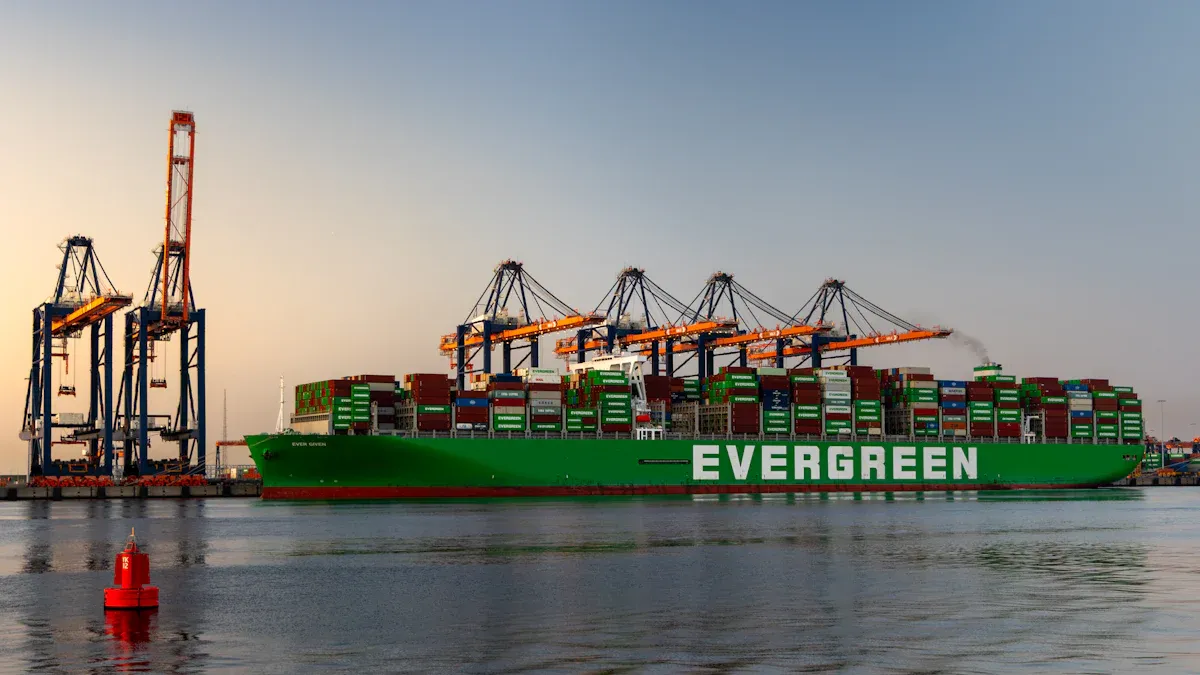
You need to know what the seller must do under freight on board terms. The seller handles all steps until the goods are loaded onto the vessel at the port you choose. Here are the main duties:
Package and label the goods for export.
Arrange safe export packaging for sea freight.
Pay for loading charges at the warehouse.
Deliver the goods to the port of shipment.
Cover trucking fees from the warehouse to the port.
Handle export customs clearance, taxes, and provide all documents.
Pay origin terminal handling charges (OTHC).
Load the goods onto your nominated vessel.
Give you proof of loading, such as a bill of lading.
The seller carries all risks and costs until the goods are loaded on the ship. You should always check that the seller gives you the right documents.
Buyer’s Duties Under FOB
Your responsibilities start once the goods are on the vessel. You must:
Arrange and pay for the main transport from the port to your location.
Handle import customs clearance and pay any duties.
Cover all freight costs after loading.
Get insurance for the goods during transit.
Make sure you have all the documents for import.
Here is a table to help you see your main duties:
Responsibility | Description |
|---|---|
Arrange transportation | Book and pay for shipping from the port to your destination. |
Customs clearance | Complete import paperwork and pay duties. |
Cover freight costs | Pay for all shipping after loading at the port. |
Obtain insurance | Protect your goods from loss or damage during transit. |
Cost Allocation And Risk Transfer
In freight on board meaning international trade, the seller pays all costs and takes all risks until the goods are loaded onto the ship. After that, you pay all costs and take all risks. For example, if you buy electronics from Beijing Traders in China under fob shipping point Shanghai Port, the seller delivers and loads the goods at Shanghai. Once loaded, you become responsible. If anything happens during shipping, you must handle it.
Many people mix up fob shipping point and FOB destination. FOB shipping point means you take responsibility once the goods are loaded at the port. FOB destination means the seller is responsible until the goods reach you. Always check your contract to avoid confusion.
Many people think the seller always pays for shipping under FOB. This is only true for FOB destination, not FOB shipping point. Make sure you use the correct term and understand who pays for what.
You should never use freight on board for air freight. It is only for ocean or inland waterway transport. Always get marine insurance after the goods are loaded. This protects your shipment and your business.
Control And Logistics In FOB Shipping
Buyer’s Control Over Shipping
When you use freight on board, you get more control. You pick the carrier that moves your goods. You choose the route for your shipment. You also pick your own insurance company. This control helps you save money. You can avoid hidden fees that may come with other shipping terms.
Here are some ways this control helps you:
You can pick your favorite freight forwarder. This lets you compare prices and services.
You get updates about your cargo often. This helps you plan for delays.
You handle local costs at the destination. This helps you avoid extra charges.
You can change delivery times to fit your needs.
You can choose extra services, like special insurance or faster shipping.
For example, if you buy goods under fob shipping point, you can talk to carriers for better rates. You do not pay the higher fees sellers may add under CIF terms. This makes freight on board a good choice for many businesses.
Tip: Always read your contract to find the exact fob shipping point. This helps you know when your control and responsibility start.
Role Of Freight Forwarders
Freight forwarders help make your FOB shipments easy and smooth. They help you understand what you need to do. They make sure you follow all rules. Here is how they help you:
They arrange moving your cargo and book space on ships.
They handle customs paperwork and check your documents.
They give advice about insurance and following rules.
They help you know who pays for what and when risk moves.
They guide you through supply chains and keep you updated.
A good freight forwarder helps you avoid mistakes and delays. Your goods arrive safely and on time.
Note: Pick a freight forwarder who knows about freight on board shipments. This helps you follow the rules and keeps shipping simple.
Comparing Freight On Board With Other Terms
FOB vs CIF And CFR
You often see freight on board compared with CIF and CFR in international shipping terms. Each option changes how you handle costs, risks, and control. You need to know these differences to pick the best incoterms for your business.
Here is a table that shows how FOB, CIF, and CFR compare:
Aspect | FOB (Free on Board) | CIF (Cost, Insurance, and Freight) | CFR (Cost and Freight) |
|---|---|---|---|
Cost Responsibility | Buyer pays after loading at fob shipping point. | Seller pays freight and insurance until arrival. | Seller pays freight until arrival. |
Risk Transfer | Risk moves to buyer when goods are loaded. | Risk moves at vessel’s railing, seller pays until destination. | Risk moves at vessel’s railing. |
Logistics Control | Buyer chooses carrier and route. | Seller manages shipping and insurance. | Seller manages shipping. |
Insurance Coverage | Buyer arranges insurance after loading. | Seller provides insurance. | Buyer arranges insurance. |
You should choose freight on board if you want more control over shipping rates and logistics. FOB lets you negotiate with freight forwarders and avoid hidden costs. CIF and CFR work better if you want the seller to handle most shipping steps.
Tip: Choosing FOB can help you save money and avoid surprises. You get clear control over costs and can track your shipment closely.
FOB vs EXW
EXW and FOB are two common incoterms, but they give you very different responsibilities. With EXW, the seller only packs the goods and makes them ready for pickup. You must pick up, load, and handle all shipping steps from the seller’s door. With FOB, the seller delivers the goods to the port and loads them onto the vessel at the fob shipping point. You take over once the goods are on the ship.
EXW: Seller’s job ends after making goods available. You handle everything else.
FOB: Seller delivers to port and loads onto vessel. You take responsibility after loading.
If you choose EXW, you face more risk and must manage all logistics. This can be hard if you do not have experience. FOB gives you a balanced split of duties and costs. You get predictable expenses and less risk before the goods reach the ship.
Note: Pick EXW only if you have a strong logistics team. Most importers prefer FOB for safer and easier shipping.
Knowing freight on board meaning international trade helps you handle risk, cost, and control in global trade. You should say exactly when ownership and responsibility change. Write clear contracts and agree on costs before shipping starts.
Tip: Always say where risk moves and who pays terminal fees.
Common Mistake | Solution |
|---|---|
Name the port or terminal | |
Not listing all costs | Write every charge in your contract |
Pick FOB terms that work for you and ask experts for help to avoid problems.
FAQ
What does FOB mean in international trade?
FOB stands for "Free on Board." You take responsibility for goods once they are loaded onto the ship at the agreed port. The seller handles costs and risks until that point.
Who pays for shipping under FOB terms?
You pay for shipping, insurance, and import duties after the goods are loaded onto the vessel. The seller covers costs up to the loading point at the port.
When does risk transfer from seller to buyer in FOB?
Risk transfers to you when the goods are loaded onto the ship at the port of origin. Any damage or loss after loading becomes your responsibility.
Can you use FOB for air freight shipments?
No, you should only use FOB for ocean or inland waterway transport. For air freight, use other Incoterms like FCA (Free Carrier).
Why do buyers prefer FOB in international trade?
You get more control over shipping choices, carriers, and costs. This helps you negotiate better rates and manage logistics more effectively.
See Also
PGL Delivers FBA Solutions Across the West Coast
Maximize Savings with Premier Global Logistics' FTL Services
Enhancing Efficiency in Global Operations with Innovative Logistics
