Understanding Freight On Board Meaning and Application in Global Shipping
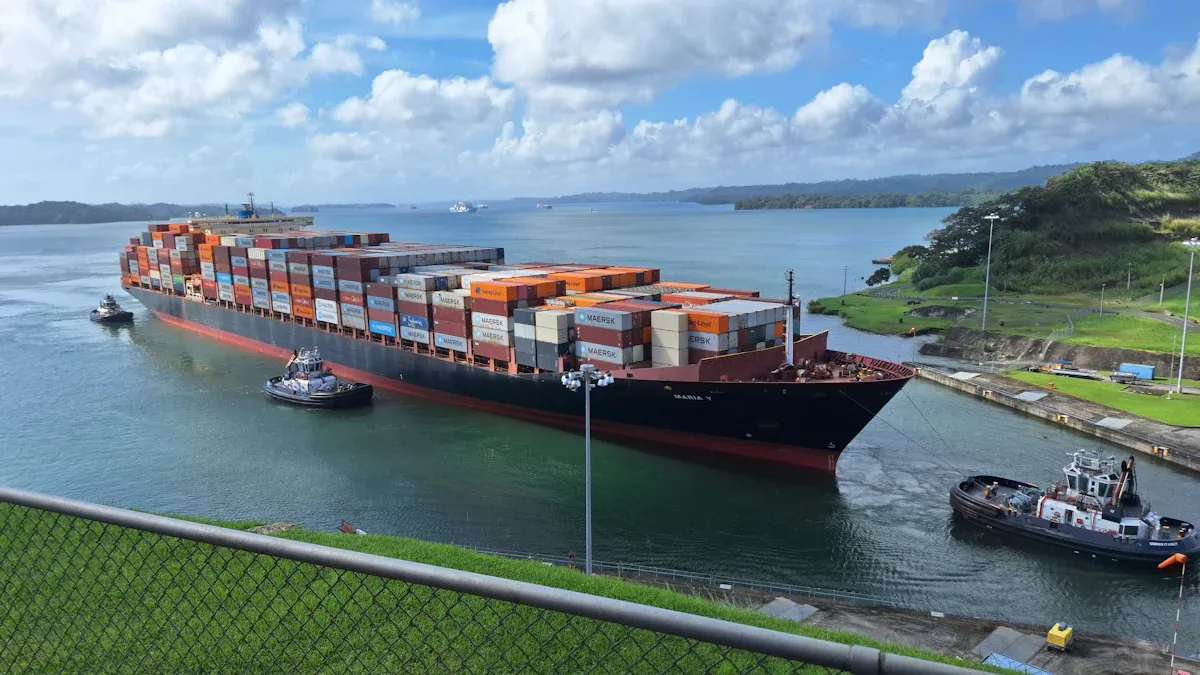
Before shipping goods globally, it's important to understand the freight on board meaning international trade. FOB clearly defines when you begin paying for and taking responsibility for your shipment. By using FOB, you know the exact point at which your obligations start. As a buyer, you need to arrange insurance and monitor the goods once they are loaded onto the vessel. Sellers are responsible for choosing reliable carriers and properly packing the goods. Understanding the freight on board meaning international trade helps prevent confusion, gives you control over your finances, and protects your business from unexpected losses. With a solid grasp of FOB, you can make smarter decisions and reduce disputes in your international transactions.
Key Takeaways
Learn what FOB terms mean so you know when you start being responsible for shipping. This helps you control costs better.
Pick either FOB Origin or FOB Destination depending on how much risk you want and what you need for shipping. Each choice changes who pays and when the risk moves to you.
Always write down the port in your contract so there is no confusion about when responsibility changes. This stops arguments and keeps you safe.
Get insurance for your goods right after they are put on the ship. This protects your shipment from getting lost or damaged.
Check your shipping steps and contracts often to make sure you follow FOB rules. Doing this helps you make fewer mistakes and work better.
Freight On Board Meaning in International Trade
What Is FOB?
You need to know what FOB means to trade worldwide. Freight on Board is also called Free on Board. It is a rule used in global business. This rule shows when the seller stops paying for the goods. It also shows when you, the buyer, start paying. The International Chamber of Commerce made this rule. When you see FOB in a contract, you know who pays for shipping. You also know who takes care of the goods and when that changes. This makes things clear and helps you avoid mistakes.
To really understand freight on board meaning international trade, look at when risk and cost move from seller to buyer. With FOB, the seller pays and takes risks until the goods are put on the ship. After the goods are on the ship, you pay and take the risks. This rule draws a clear line between what the seller does and what you do. You can plan your money and shipping better.
How FOB Works Globally
FOB rules can change based on where you ship. In global trade, people use rules from the International Chamber of Commerce. In the United States, local shipping uses the Uniform Commercial Code. You should always check which rules your contract uses. This helps you avoid problems and legal issues.
There are two main types of FOB in global shipping:
FOB Origin (FOB Shipping Point): You are in charge as soon as the goods leave the seller’s place. You pay for shipping and take the risk during the trip.
FOB Destination: The seller is in charge until the goods reach you. The seller pays for shipping and takes the risk until you get the goods.
FOB terms make it clear when you must pay and take care of the goods. You know when you need to start watching for risks and costs. If your company knows the rules well, you can use FOB to handle risk and responsibility. If you want less risk, you can pick FOB Destination, but it may cost more.
Tip: Always write down the law and the exact FOB point in your contract. This keeps you safe from arguments and confusion.
Why FOB Matters
You should know why freight on board meaning international trade is important. FOB gives you many good things in global shipping. The table below shows why many companies like FOB in their deals:
Benefit | Description |
|---|---|
You know when you start paying for shipping, so you can plan your money. | |
Control Over Transportation | You pick how to ship and which company to use, which helps your shipping. |
Flexibility in Carrier Options | You can choose from many shipping companies, so you have more options. |
Risk Mitigation | You know exactly when risk moves to you, so there are fewer fights. |
Simplified Logistics Planning | You know the transfer point, so planning is easier. |
Cost-Efficiency | You can save money by picking cheaper ways to ship. |
Negotiable Terms | You can change the rules by talking with the seller. |
Sustainability for Certain Industries | FOB works well if buyers know shipping, so it is good for some businesses. |
You also need to know the exact time when risk and cost move. The table below shows this important detail:
Aspect | Details |
|---|---|
On the ship at the port where it leaves | |
Risk transfer | When the goods are put on the ship |
Costs division | Seller pays until loading; you pay after |
When you know freight on board meaning international trade, you can keep your business safe, control your shipping, and avoid big problems. You make better choices and have stronger deals.
FOB Responsibilities and Risk Transfer
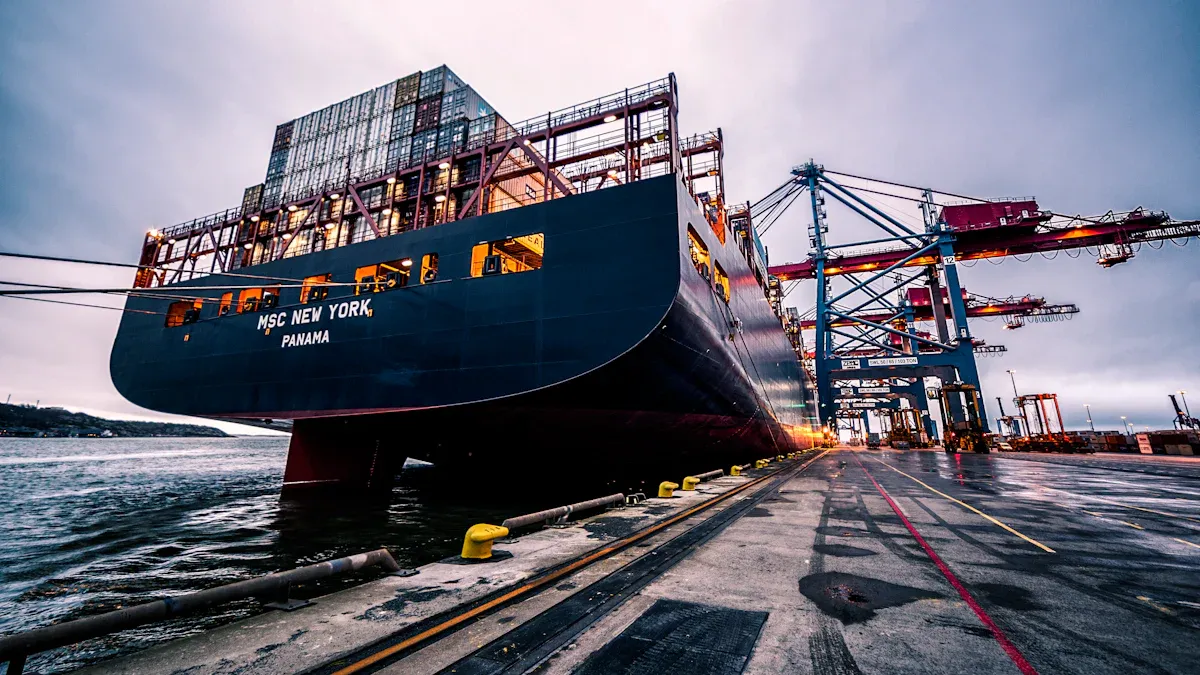
Seller’s Duties Under FOB
When you use fob terms in your shipping contract, you need to know what the seller must do. The seller has clear duties that protect your interests and help the shipment move smoothly. Here is what you can expect from the seller:
Arrange and pay for transport to the port.
Handle export customs clearance and pay any export duties.
Load the goods onto the vessel safely.
Cover all costs related to loading the goods on board.
Provide you with documents that confirm the goods have been loaded.
Package and label the goods properly for international shipping.
Inform you when the goods are on board and ready for the next step.
You should always check that the seller completes these steps. If the seller misses any part, your shipment could face delays or extra costs.
Buyer’s Duties Under FOB
As the buyer, you take on important responsibilities once the goods are loaded onto the ship. You need to stay organized and act quickly to avoid problems. Here is a step-by-step guide to your duties under fob:
Pay for the goods as stated in your sales contract.
Choose the vessel and tell the seller your choice.
Pay for the main carriage (ocean freight) from the port onward.
Arrange insurance for your goods after they are loaded (this is optional, but highly recommended).
Handle all customs clearance at the destination country.
Pay import taxes and any final delivery costs.
Unload the goods at the destination port and arrange inland transportation.
If you do not follow these steps, you may face delays, fines, or even lose your goods. Always double-check your documents and make sure you meet all import rules.
You also control transportation and insurance after the goods are on the vessel. You should secure ocean cargo insurance to protect your shipment from the moment it passes the ship’s rail at the port of shipment. Some buyers also choose extra coverage, like contingency insurance, for added peace of mind.
When Risk and Ownership Shift
You need to know exactly when risk and ownership move from the seller to you. This point is the heart of fob shipping. The transfer happens when the goods cross the ship’s rail at the port of loading. From that moment, you are responsible for any loss or damage.
Here is a table to help you see when ownership changes hands:
FOB Type | Ownership Transfer Description |
|---|---|
FOB Origin | You take ownership and liability once the goods are shipped from the port of origin. |
FOB Destination | The seller keeps ownership and liability until the goods reach your location. |
Once the goods have crossed the ship's rail at the specified port of loading, the risk and responsibility shift from the seller to you.
Common disputes in fob contracts often involve damage and loss, financial liability, and legal ownership. You can avoid these problems by making sure your contract clearly states the fob point and by keeping good records of each step.
If you understand your responsibilities and the exact moment risk transfers, you can protect your business and keep your shipments safe.
FOB Variants and Key Terms
FOB Origin vs. Destination
It is important to know the difference between fob origin and fob destination before you pick fob terms for your shipping contract. These two choices change who pays for moving the goods and who takes the risk while shipping. The table below shows how each choice changes what you must do:
Aspect | FOB Origin | FOB Destination |
|---|---|---|
Seller's Responsibility | Ends when goods are with the carrier | Ends when goods reach the specified destination |
Risk of Loss | Transfers to buyer once with carrier | Remains with seller until delivery is complete |
Transportation Costs | Not included in the price | Included in the price (delivered price) |
If you pick fob origin, you are in charge as soon as the goods leave the seller’s place. You pay for shipping and take care of any risks while the goods travel. If you pick fob destination, the seller stays in charge until the goods get to you. You pay only after you get the goods. Always check which fob terms your contract uses, because this choice changes your costs and risk.
Tip: Always make sure your contract says where the transfer happens. This helps you avoid confusion and fights about who pays for damage or loss.
Add-On Terms and Port Location
You will see extra terms with fob in global shipping. These extra words change who pays for shipping and when responsibility moves. Here are some common add-on terms you may see:
Freight collect: You pay for shipping when the goods arrive.
Freight prepaid: The seller pays for shipping, so you do not pay for it.
Freight collect and allowed: You take freight charges off your invoice.
Freight prepaid and charged back: The seller adds shipping costs to your invoice, and you pay them.
FOB destination, freight prepaid: The seller pays all costs and takes all risks until delivery.
FOB origin, freight collect: You are responsible at the starting point.
Port location is also very important in fob terms. The port named in your contract is the exact place where costs and risks change. If your contract says fob shipping point, you are responsible when the goods leave the seller’s place. If it says fob destination, you are responsible only when you get the goods. Always write the port location in your contract so you do not have problems.
Note: Fob terms are mostly used for sea or waterway shipments. The bill of lading shows who owns the goods while they travel, not fob terms.
When you know these fob choices and extra terms, you can pick the best one for your business. You control your costs, handle your risks, and keep your shipping easy.
FOB vs. Other Shipping Terms
FOB vs. CIF
When you look at fob and CIF, you see big differences. These differences are about who takes the risk and who pays for what. It is important to know this before you choose a shipping term.
With fob, you take the risk once the goods are on the ship. If something goes wrong during the trip, you must handle it.
With CIF, the seller keeps the risk until the goods reach the port. This means you are safer while the goods travel.
With fob, you pay for shipping and insurance after loading. With CIF, these costs are in the price, so you pay more but have less to do.
If you want to save money and have more control, fob might be better. If you want things to be easier and safer, CIF could be best for you.
Picking the right Incoterm is like steering a ship. It helps you decide who does what and who is responsible.
Many companies use fob to save money and control shipping. Some pick CIF because it is easier, especially if they are new to global trade.
FOB vs. Other Incoterms
You will see other Incoterms like EXW and DDP when you ship worldwide. Each one changes who does what and when.
Seller's Responsibility | Buyer's Responsibility | |
|---|---|---|
EXW | Goods ready at seller's place | Pays for and arranges shipping and safety |
FOB | Gets goods to the port and protects them | Handles import steps and takes care of goods after |
DDP | Does everything, even paying taxes and duties | Has very little to do, depends on the seller |
If you want to do most of the work, fob lets you do that. If you want the seller to do almost everything, DDP is best. EXW means you do almost all the work from the start.
Many businesses pick fob to save money and stay in charge.
CIF is good for people who want less work.
DDP is great if you want the seller to handle it all.
If you want things easy and are new to shipping, try CIF.
If you want to control your shipping, pick fob.
You should always pick the Incoterm that fits your needs and skills. This helps you avoid problems and keeps your goods safe.
Common Mistakes and Practical Tips
Avoiding FOB Errors
You can stop many problems in free on board shipping if you know what mistakes to watch for. Many companies do not understand when risk moves under fob. They sometimes give cargo at the terminal, not when it is loaded onto the ship. This mistake makes you responsible for damage before loading. You should always check the exact time risk moves.
Some shippers use fob for container shipments. This can be confusing because free on board works best for cargo that is not in containers. If you use fob for containers, you may have risks at the starting port. You should pick the right shipping term for your cargo.
Many contracts do not say the port location. If you do not name the port, you may have fights about where responsibility changes. For example, using "fob destination" without knowing Incoterms can leave your goods at the wrong dock. This mistake can waste your time and money.
Here are the most common mistakes in fob deals:
Not knowing risk moves at the loading point.
Using fob for container cargo.
Not naming the port in the contract.
Thinking fob works for all shipments.
Mixing up fob shipping point and fob destination.
Tip: Always check your contract for the right port and cargo type.
Best Practices for FOB Contracts
You can keep your business safe by following these best steps for free on board deals:
Write clear contract rules. Say who pays for shipping, insurance, and who takes the risk.
Use short, clear words for your goods. This helps everyone know the shipment.
Set up your shipping system to spot unclear terms and warn you about mistakes.
Teach your team about fob rules and how to describe goods. This lowers errors.
Check your shipping papers often. Find mistakes and fix them fast.
Match legal rules for delivery and ownership with your tracking system. This stops legal trouble.
Share updates between your shipping and money teams. This helps with correct bills and stops fights.
Note: Always use the right Incoterms in your free on board deals. This makes it clear who handles shipping, insurance, and risk.
If you follow these steps, you can use fob well. You will avoid expensive mistakes and keep your shipments safe.
You should know about freight on board to keep your business safe in global shipping. If you use clear FOB terms and write the port name, you will not get confused or have fights. When you follow good steps, you work faster and have less risk.
FOB terms show when the seller stops being responsible and when you start.
Good contracts tell who pays for shipping, insurance, and problems.
Naming the port in your contract makes things legal and stops mistakes.
Checking your process often and making sure teams work together helps you make better choices.
Benefit | How It Helps You |
|---|---|
Cost Transparency | Makes it easy to see which supplier is best |
Process Efficiency | Makes shipping and paperwork go faster |
Risk Management | Helps stop losses and shipping trouble |
Use these tips to keep your shipments safe and help your business work well. 🚢
FAQ
What does FOB mean in shipping?
FOB stands for "Free on Board." You take responsibility for the goods once they are loaded onto the ship at the named port. The seller handles everything before that point.
Who pays for shipping under FOB terms?
You pay for shipping from the port of origin to your destination. The seller covers costs only until the goods are loaded onto the vessel.
When should you arrange insurance for FOB shipments?
You should arrange insurance as soon as the goods are loaded onto the ship. This protects your shipment from loss or damage during transit.
Can you use FOB for air freight?
No, you should not use FOB for air freight. FOB works best for sea or inland waterway shipments. For air shipments, use terms like FCA (Free Carrier).
What happens if the contract does not specify the FOB port?
If your contract does not name the FOB port, you may face confusion about where risk and cost transfer. Always write the exact port in your contract to avoid disputes.
See Also
Maximize Savings with Premier Global Logistics' Cross-Country FTL
Key Strategies for Effective Management of Global Logistics
Simplifying Cross-Border Freight on the West Coast with PGL
PGL Offers Comprehensive Ocean Freight Services Across the Nation
