What Does a Freight Manager Do? Key Responsibilities in Ocean FCL and LCL Shipping
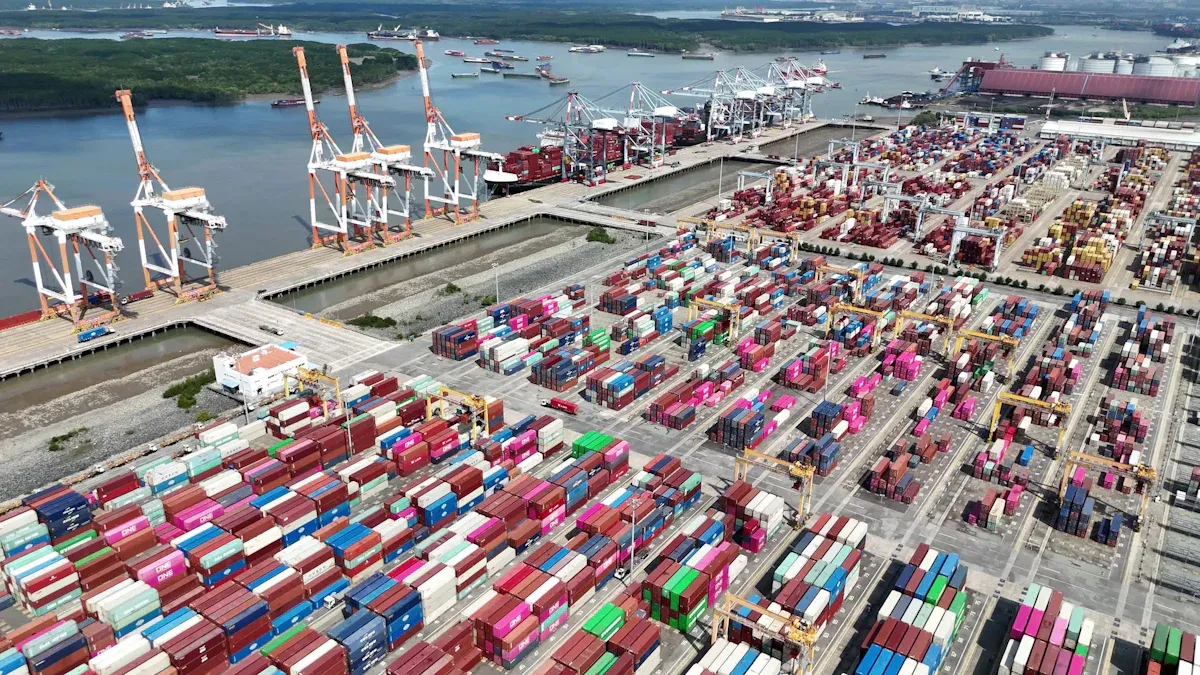
A freight manager is responsible for coordinating the movement of cargo through a transportation network. In international logistics, the role can involve everything from transportation planning and carrier coordination to documentation, container management, delivery scheduling, and freight cost control.
Ocean freight makes this role particularly complex because international shipments often involve several organizations and transportation stages. A single container may move from a factory to an origin terminal, travel by vessel, arrive at a destination port, move through customs-related procedures, and then continue by truck or rail to its final destination.
For FCL and LCL shipments, freight managers must also understand the operational differences between dedicated container transportation and consolidated cargo.
What Is a Freight Manager?
A freight manager oversees transportation activities to ensure cargo moves according to operational requirements.
The exact responsibilities vary between companies and industries, but the position generally involves three major objectives:
1. Coordinate transportation.
2. Control logistics costs.
3. Maintain reliable shipment performance.
A freight manager may work with carriers, freight forwarders, customs professionals, warehouses, trucking providers, terminals, suppliers, and internal purchasing or sales teams.
The role requires both logistical knowledge and strong organizational skills.
Freight Planning and Transportation Strategy
One of the first responsibilities of a freight manager is determining how cargo should move.
This includes selecting appropriate transportation modes and planning the overall route.
For international cargo, options may include:
· Ocean freight
· Air freight
· Rail
· Trucking
· Intermodal transportation
The choice depends on cargo volume, urgency, destination, budget, and product characteristics.
A freight manager must balance transportation speed against cost.
Managing FCL Shipments
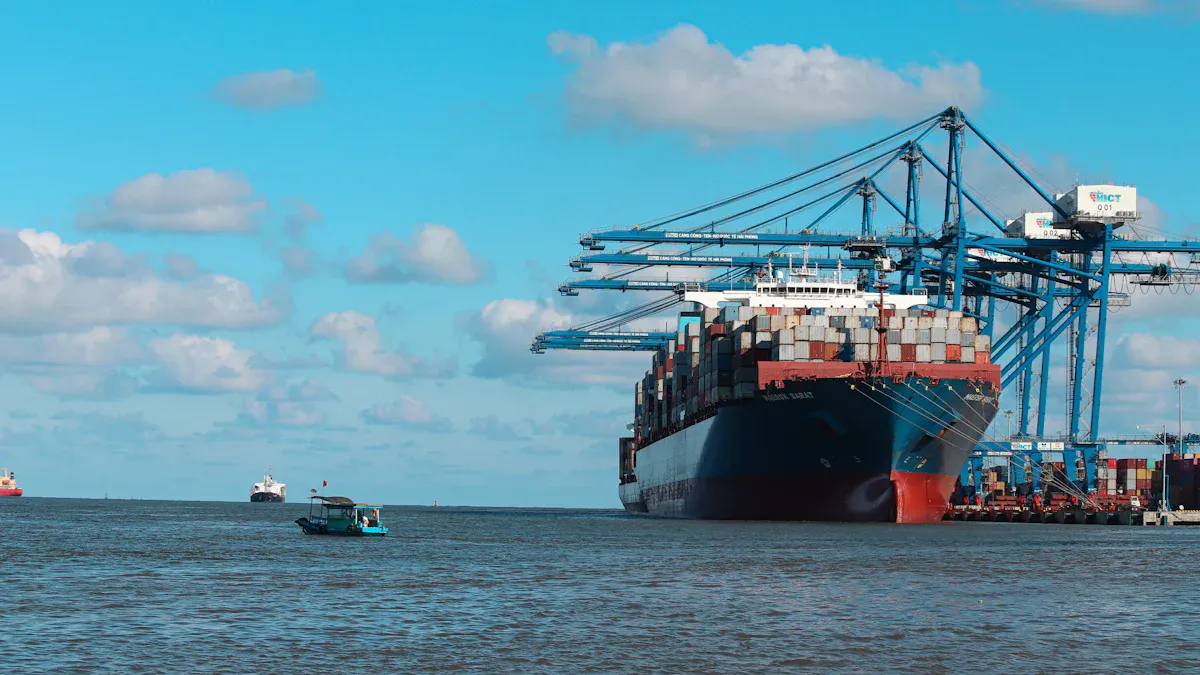
FCL management involves coordinating full-container shipments.
A freight manager may need to determine whether cargo should move in a 20-foot container, 40-foot container, or another equipment type.
Container planning includes consideration of:
· Cargo dimensions
· Cargo weight
· Packaging
· Loading configuration
· Weight distribution
· Cargo readiness
Poor planning can lead to unused container capacity or operational complications.
Managing LCL Shipments
LCL management requires a different approach.
Because multiple shipments share container space, freight managers must coordinate consolidation and deconsolidation processes.
Accurate shipment dimensions and weights are particularly important.
A freight manager must also monitor the relationship between LCL transportation cost and shipment volume.
If a company consistently ships large LCL volumes, it may be necessary to compare the economics of FCL transportation.
Carrier and Service Provider Coordination
Freight managers rarely control the entire transportation network directly.
Instead, they coordinate multiple service providers.
These may include:
· Ocean carriers
· Trucking providers
· Rail operators
· Warehouses
· Terminal operators
· Consolidation facilities
· Customs service providers
Communication is therefore a major part of the job.
A freight manager must ensure that each party understands the shipment requirements and critical deadlines.
Freight Rate Management
Cost management is another major responsibility.
Freight managers may compare transportation rates across different services and routes.
However, the lowest quoted transportation rate is not always the cheapest overall solution.
A proper cost comparison should consider:
· Base freight
· Fuel-related charges
· Terminal charges
· Handling
· Drayage
· Storage
· Documentation
· Delivery
· Accessorial charges
This broader approach provides a more realistic view of logistics cost.
Booking Ocean Freight
Freight managers often coordinate ocean freight bookings based on cargo readiness and vessel schedules.
They must pay attention to important deadlines, including:
· Cargo ready dates
· Booking deadlines
· Documentation cutoffs
· Terminal receiving deadlines
· Vessel departure schedules
A booking that looks suitable on paper may not work if cargo cannot meet the required cutoff.
Container Availability
Container availability can affect shipping schedules.
Freight managers may need to coordinate equipment pickup and ensure that the required container type is available at the appropriate location.
During periods of tight capacity or equipment imbalance, advance planning becomes even more important.
Documentation and Compliance Coordination
International freight involves significant documentation.
A freight manager may coordinate information associated with:
· Commercial invoices
· Packing lists
· Bills of lading
· Certificates of origin
· Customs documentation
· Shipping instructions
The freight manager may not personally prepare every document, but ensuring that the correct information reaches the appropriate parties is an important responsibility.
Drayage Coordination
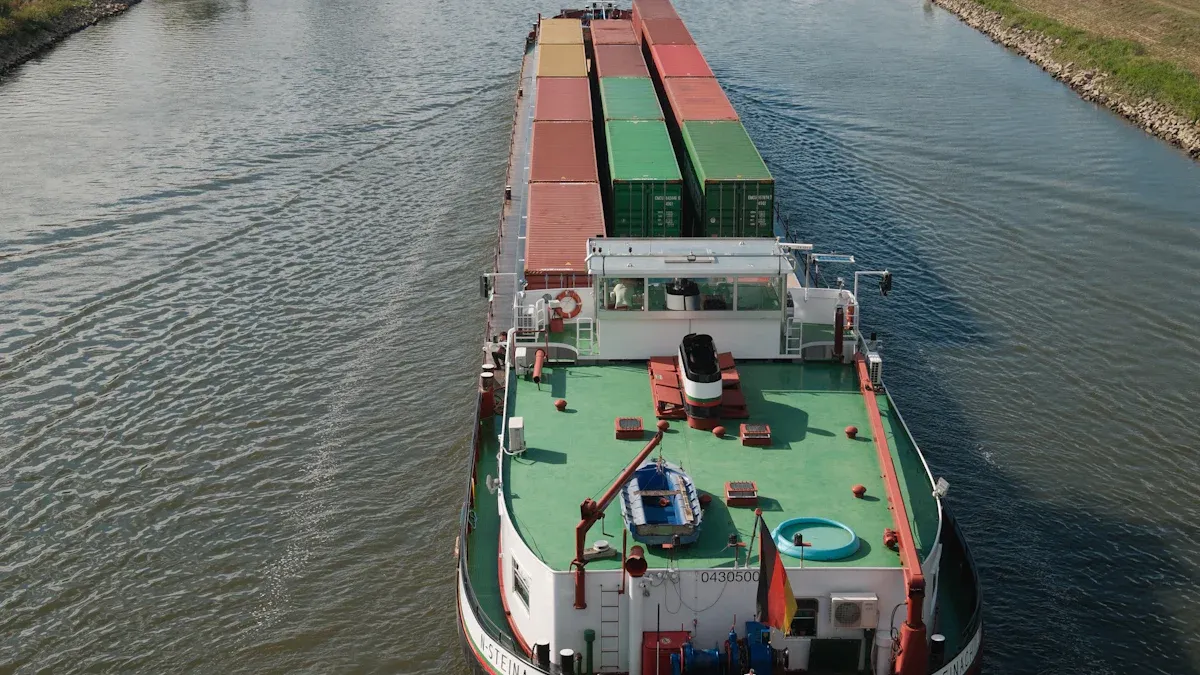
After an ocean container reaches a port, it must often be transported to another facility.
Drayage coordination can include:
· Port pickup
· Terminal appointments
· Chassis availability
· Warehouse delivery
· Empty container return
· Delivery scheduling
Freight managers must monitor these activities because port and terminal delays can create additional transportation expenses.
Detention and Demurrage Management
Freight managers also need to monitor container deadlines.
If a container remains at a terminal too long, demurrage may apply. If equipment is kept outside the terminal beyond the permitted period, detention may apply.
The exact rules vary according to carrier, terminal, location, and service agreement.
Freight managers therefore need reliable information about free time and equipment return requirements.
Shipment Tracking
Tracking is an important operational function.
A freight manager may monitor shipment milestones such as:
· Booking confirmation
· Container pickup
· Cargo receipt
· Vessel departure
· Transshipment
· Vessel arrival
· Customs release
· Port pickup
· Warehouse delivery
· Final delivery
The objective is not simply to know where a shipment is. The information should help the freight manager identify potential problems before they become serious disruptions.
Problem Solving
Unexpected problems are unavoidable in logistics.
A vessel may be delayed. A container may not be available. A terminal may experience congestion. Cargo may not be ready on time.
A freight manager must respond by evaluating available alternatives.
Potential solutions may include changing transportation schedules, adjusting inland transportation, using another service option, or modifying delivery plans.
Good freight management is therefore partly an exercise in risk management.
Freight Data and Performance Analysis
Modern freight management increasingly relies on data.
A freight manager may analyze:
· Average transit time
· Transportation cost
· On-time performance
· Shipment volume
· Container utilization
· Accessorial charges
· Detention and demurrage
· Damage rates
This information can reveal patterns that are difficult to identify from individual shipments.
FCL and LCL Decision Making
One of the practical decisions freight managers face is determining when FCL or LCL makes sense.
FCL may be more appropriate when cargo volume is high enough to efficiently use a container.
LCL may be more suitable for smaller shipments.
However, the decision should also account for:
· Shipment frequency
· Handling requirements
· Inventory urgency
· Destination charges
· Consolidation schedules
· Cargo characteristics
The correct decision can change as shipment volume changes.
Communication Skills
Freight management involves constant communication.
A freight manager may need to communicate with suppliers about cargo readiness, carriers about bookings, warehouses about delivery appointments, and internal teams about shipment status.
Clear communication reduces misunderstandings and helps maintain accurate shipment information.
Technology Skills
Technology has become an important part of freight management.
Transportation management systems, warehouse systems, tracking platforms, spreadsheets, analytics tools, and electronic documentation can all support daily operations.
A freight manager does not necessarily need to be a software specialist. However, the ability to use logistics technology effectively can significantly improve productivity.
The Role of a Freight Manager in Supply Chain Performance
The freight manager sits at an important point between transportation and supply chain planning.
Transportation decisions can influence inventory levels, customer service, production schedules, and overall operating costs.
For example, a delayed ocean shipment may affect manufacturing schedules if critical components are involved.
Therefore, freight management is not simply about moving containers. It is about maintaining the flow of products through the broader supply chain.
Final Thoughts
A freight manager’s responsibilities extend far beyond booking transportation.
The role involves planning, carrier coordination, cost control, documentation management, container planning, shipment tracking, drayage coordination, problem solving, and performance analysis.
In ocean FCL and LCL shipping, understanding the operational differences between dedicated containers and consolidated cargo is particularly important.
Effective freight managers combine transportation knowledge with careful planning, accurate data, strong communication, and practical problem solving. Their work helps businesses move cargo more reliably while maintaining control over logistics costs.
See Also
Streamlined Freight Solutions for the Southeastern United States
PGL's Miami Warehousing Offers Quick Delivery Across the East Coast
Accelerate Your Orders with PGL Warehousing in NJ and FL
Enhancing Global Operations Through Innovative Logistics Strategies
Boosting Global Efficiency with Point-to-Point Logistics Systems

