The Complete Guide to Drayage Freight Brokers: Services, Benefits, and Strategic Partnerships
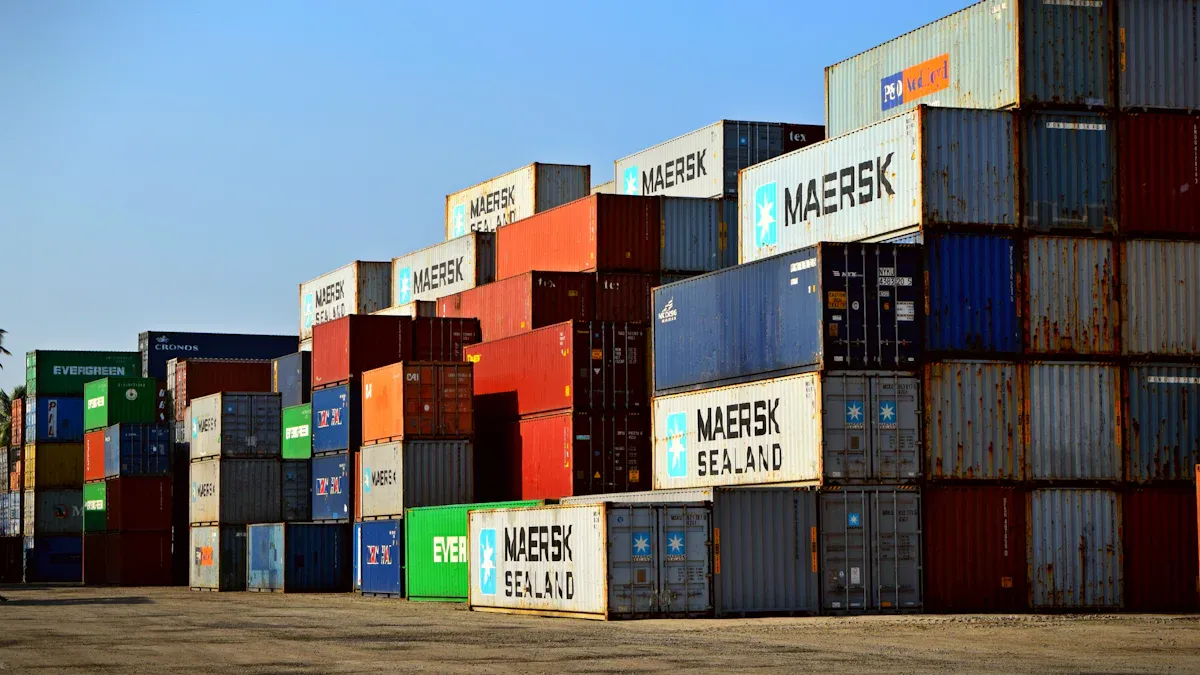
Drayage freight brokers play an important role in coordinating short-distance container transportation. They help connect shippers with transportation providers and can coordinate movements between ports, rail terminals, warehouses, distribution centers, and transloading facilities.
For businesses handling international containers, drayage can involve numerous operational details. Finding available trucks, coordinating chassis, scheduling terminal appointments, arranging warehouse deliveries, and monitoring container deadlines can require significant time and expertise.
A drayage freight broker can help simplify these activities while providing access to transportation capacity and operational knowledge.
What Is a Drayage Freight Broker?
A drayage freight broker is an intermediary that arranges container transportation between shippers and drayage providers.
The broker typically does not operate the trucks itself.
Instead, the broker coordinates transportation requirements with qualified providers.
The services may include:
· Drayage sourcing
· Rate comparison
· Carrier coordination
· Port pickup
· Rail drayage
· Warehouse delivery
· Appointment coordination
· Tracking
· Accessorial management
Why Use a Drayage Broker?
Managing drayage independently can become difficult when shipment volumes increase.
A business may need transportation at multiple ports, terminals, warehouses, and rail facilities.
A broker can centralize some of this coordination.
Access to Transportation Capacity
One potential advantage is access to multiple transportation providers.
Instead of contacting individual trucking companies for every shipment, a broker may coordinate available capacity according to the shipment requirements.
This can be especially useful during periods of tight transportation capacity.
Rate Management
Brokers may compare rates among available providers.
However, businesses should avoid judging a broker solely on the lowest quoted number.
A proper comparison should consider:
· Base transportation
· Fuel
· Chassis
· Waiting
· Additional stops
· Terminal requirements
· Other accessorial charges
Port Drayage Coordination
Port drayage requires detailed scheduling.
The broker may coordinate:
· Container availability
· Terminal appointments
· Truck assignment
· Chassis
· Delivery appointments
· Empty returns
The objective is to keep the container moving through the system.
Rail Drayage Coordination
A drayage broker may also support rail transportation.
Containers moving by rail usually require truck transportation between rail terminals and local facilities.
This makes drayage brokerage useful for intermodal transportation.

Tracking and Visibility
Shipment visibility helps businesses manage expectations.
A broker may provide updates concerning:
· Pickup
· Terminal arrival
· Delivery
· Empty return
· Delays
The exact level of visibility depends on the provider’s technology and operating process.
Managing Exceptions
Unexpected events are common in logistics.
A container may become available later than expected.
A terminal may experience congestion.
A warehouse may change its receiving schedule.
A truck may encounter mechanical or traffic problems.
A broker can act as a coordination point when these situations occur.
Strategic Partnership vs. Transactional Brokerage
Not every broker relationship needs to be purely transactional.
For businesses with recurring container volumes, a strategic relationship may provide greater value.
A strategic drayage partner can learn:
· Typical shipment volumes
· Preferred terminals
· Warehouse schedules
· Cargo characteristics
· Seasonal patterns
· Common problem areas
This knowledge can improve planning over time.
Choosing a Drayage Freight Broker
Consider several factors.
Geographic Coverage
Does the broker serve the relevant ports and inland markets?
Provider Network
Does the broker have access to appropriate transportation capacity?
Operational Knowledge
Does the broker understand terminal procedures?
Communication
Can the broker provide timely updates?
Technology
Does the broker provide useful shipment visibility?
Pricing
Is the pricing structure clear?
Questions About Accessorial Charges
Businesses should understand how additional charges are handled.
Potential charges may include:
· Waiting time
· Detention
· Storage
· Redelivery
· Additional stops
· Chassis-related charges
Clear pricing policies can reduce disputes later.
Drayage Brokers and Supply Chain Efficiency
A broker can contribute to supply chain efficiency by coordinating multiple logistics activities.
However, the broker’s value depends on how effectively it manages the entire process.
Simply forwarding a trucking rate does not create much strategic value.
Useful brokerage involves communication, scheduling, problem solving, and transportation coordination.
Final Thoughts
Drayage freight brokers can help businesses simplify container transportation by connecting shippers with transportation providers and coordinating the operational details of short-distance container movements.
Their services can include port drayage, rail drayage, warehouse delivery, appointment coordination, tracking, rate management, and exception handling.
For businesses with recurring container volumes, a strong brokerage relationship can become more than a source of transportation rates. It can become a practical logistics resource that improves visibility, coordination, and transportation reliability.
See Also
Key Strategies for Effective Global Logistics Operations
The Role of Direct Logistics in Enhancing Global Efficiency
Transforming International Operations with Creative Logistics Solutions
Streamlining Supply Chains in the USA with Global Logistics
PGL's Proficiency in Global Logistics and Supply Chain Solutions

