How to File a Freight Claim for Ocean Shipping in 2025

You can file freight claims ocean shipping in 2025 by following a clear process. First, inspect your cargo for damage or loss. Next, notify your Transportation Service Provider in writing. Gather all needed documents. Use the online claims application to submit your claim. Track your claim and follow up for updates. Acting quickly and providing complete information helps you get a faster resolution.
Key Takeaways
Inspect your cargo immediately upon arrival. Document any damage with photos and detailed notes to strengthen your claim.
Notify your Transportation Service Provider in writing within five days of discovering damage or loss. Timely notification is crucial to keep your claim valid.
Use online claims applications to streamline the process. These tools help you submit claims, track progress, and reduce paperwork errors.
Gather all required documents before filing your claim. Missing paperwork can lead to delays or denials, so ensure everything is complete and accurate.
Stay informed about new regulations and technology in shipping. Understanding these changes can help you file claims more effectively and avoid common mistakes.
Freight Claims Ocean Shipping: What & Why
Definition and Purpose
You use freight claims ocean shipping to protect your interests when something goes wrong during transport. A freight claim is a formal request for compensation when your cargo arrives damaged, lost, or short. This process helps you recover losses and holds carriers accountable.
Tip: Always file your claim with clear details and supporting documents to speed up the process.
Here are the most common reasons for filing a claim:
Claim Type | Description |
|---|---|
Damage Claims | You file these when goods arrive damaged because of poor packaging or mishandling. |
Loss Claims | You submit these if your goods do not reach their destination, often due to theft or errors. |
Shortage Claims | You use these when you receive fewer goods than ordered, usually because of paperwork mistakes. |
Freight claims ocean shipping give you a way to seek compensation, require proper documentation, and help establish accountability. You need to understand legal rules like COGSA to handle claims correctly.
Relevance in 2025
You face new challenges in 2025. Regulations now focus on reducing greenhouse gas emissions. The FuelEU Maritime Regulation requires ships to lower emissions, which changes how shipping companies operate. You must stay aware of these rules because they affect shipping costs and procedures.
Note: The IMO’s Net-Zero Framework starts in October 2025. Ships must follow global fuel standards and pay for greenhouse gases. These changes impact how you file claims and what you need to prove.
Industry Changes
You see more digital tools in freight claims ocean shipping. The logistics sector now uses automation and artificial intelligence to process claims faster and with fewer errors. You benefit from real-time updates and easier document sharing.
Digital claims processing helps you settle claims quickly, even if you work remotely.
Claims technology improves communication and task management.
Back-office automation lets you share documents securely and reduces mistakes.
New regulations also affect your claims. Ships must meet stricter energy standards and follow new customs codes. Carriers must file export strategies with authorities. These changes mean you need to keep up with new requirements to file successful claims.
Filing Freight Claims Ocean Shipping: Step-by-Step
Inspect and Document Cargo
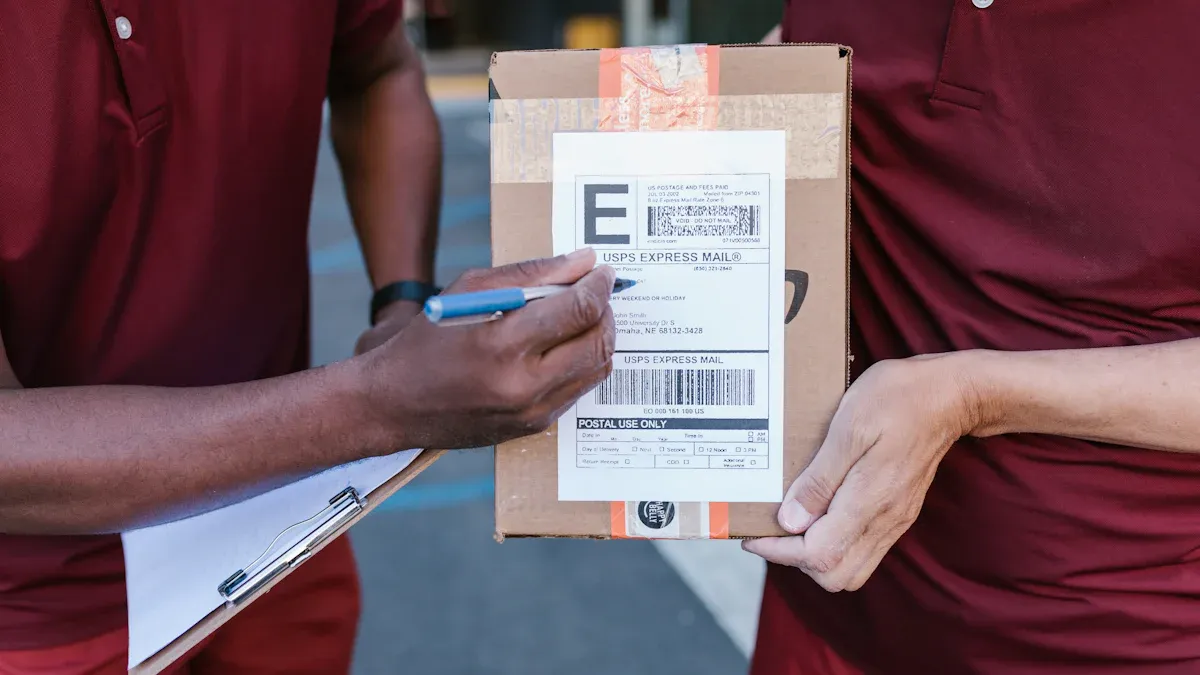
When your shipment arrives, you should inspect the cargo right away. Look for any visible damage, count the items, and check for missing goods. Take clear photos and videos of any damage. Write down what you see, including the type and extent of the problem. Keep damaged items and packaging for further inspection. You need to collect important paperwork, such as inspection reports, surveyor’s damage reports, and chain of custody logs. These documents help prove your case and show when and how the damage happened.
Tip: Prompt inspection helps you establish a timeline and strengthens your claim.
Surveyor’s Damage Report shows inspection findings and repair estimates.
Photographic evidence provides timestamped visuals of damage.
Chain of custody logs track handling from loading to delivery.
Inspection reports give an unbiased assessment of the damage.
Notify TSP in Writing
You must notify your Transportation Service Provider (TSP) in writing as soon as you discover damage or loss. Send your notification within five days if the damage is concealed. Include all important details in your written claim:
State the amount you are claiming.
Explain the reason for your claim, such as loss or damage.
Add the pro number and date.
Provide your name and address.
You should file your claim within nine months from the delivery date. You can send your notification by fax, registered mail, express courier, or electronic data interchange (EDI). Fast notification helps you meet deadlines and keeps your claim valid.
Note: Timely notification is crucial for freight claims ocean shipping. Delays can lead to denied claims.
Use Online Claims Application
Many companies now use online claims applications for freight claims ocean shipping. These platforms make the process faster and easier. You can submit your claim, upload documents, and track progress in one place.
Advantage | Description |
|---|---|
The application simplifies the claims process. | |
Automation | Automated systems reduce manual data entry and save time. |
Centralized tracking | You can track all claims in one dashboard. |
Enhanced communication | The platform improves communication between you and the carrier. |
Real-time updates | You receive immediate updates on your claim status. |
Advanced analytics | Tools help you analyze claims data and make better decisions. |
Tip: Using online tools helps you avoid paperwork errors and speeds up your claim.
Attach Required Documents
You need to attach all required documents to support your claim. Missing paperwork can delay or even deny your claim. Gather these documents before you submit:
Paid Freight Bill
Proof of value for lost or damaged goods
Delivery Receipt or Inland Bill of Lading
Inspection Reports
Commercial Invoice
Packing List
Certificate of Origin
Shipper’s Letter of Instruction
Colour photos and surveyor’s report (if needed)
Correspondence logs and customs documents
Check that all information matches across your documents. Use accurate product descriptions and double-check for consistency. Early claim initiation and thorough documentation help you get faster results.
Alert: Incomplete or inconsistent documents can cause delays in freight claims ocean shipping.
Track and Follow Up
After you submit your claim, you should track its progress. Most carriers acknowledge your claim within 30 days. Claim resolution usually takes up to 120 days. If your claim is not resolved, ask for a status update every 60 days after the first 120 days.
Action | Timeframe |
|---|---|
Carrier Acknowledgment | Within 30 days |
Claim Resolution | Within 120 days |
Status Update (if unresolved) | Every 60 days after 120 days |
Keep all communication records with your TSP. Use the online claims application to check updates and send messages. Clear communication and regular follow-up help you avoid misunderstandings and keep your claim moving forward.
Tip: Assign responsibility quickly and use a single platform for all communication to avoid confusion.
By following these steps, you can file freight claims ocean shipping with confidence and improve your chances of a successful outcome.
Freight Claims Ocean Shipping: Required Documents
When you file freight claims ocean shipping, you need to gather several important documents. Each one helps prove your case and speeds up the settlement process. If you miss any paperwork or make mistakes, your claim can get rejected or delayed. Here are the key documents you should prepare:
Bill of Lading
The Bill of Lading shows who owns the cargo and lists shipment details. You use it to prove that you shipped the goods and that you have the right to file a claim. This document is the most critical for your claim.
Paid Freight Bill
You must include a paid freight bill to show that you paid for the shipping service.
A paid freight bill proves that the shipping company earned its charges only after delivering your cargo. This supports your claim and shows you met your payment obligations.
Proof of Value
Proof of value shows how much your goods are worth. You can use commercial invoices, receipts, or contracts. Make sure the descriptions, quantities, and values match across all documents. Inaccurate information can cause customs checks and slow down your claim.
Delivery Receipt
A delivery receipt records what happened when your cargo arrived.
Evidence Type | Description |
|---|---|
Damage Noted | Write down any visible damage on the receipt. |
Inspection Requirement | Check the contents as soon as you receive them. |
Prima Facie Evidence | A signed receipt with no damage means the carrier did its job. |
Always check each package for damage and record any problems right away.
Photos of Damage
Take clear, time-stamped photos of any damaged cargo and packaging.
Photos give strong visual proof of damage.
They show the condition of your goods and help decide your claim.
Good photos can make your case stronger.
Insurance Details
Include your insurance policy and any related documents. These papers show your coverage and help decide who pays for the loss or damage.
Correspondence Records
Keep all emails, letters, and messages with the carrier.
These records support your claim.
They help figure out who is responsible.
Good records can save you time and money if there is a dispute.
If you submit incomplete or inaccurate documents, your claim may get rejected, you could face shipping fines, and your shipment might be delayed. Always double-check your paperwork for accuracy and completeness.
Common Mistakes & How to Avoid Them
When you file freight claims ocean shipping, you can avoid many problems by learning from common mistakes. Here are the most frequent errors and how you can prevent them.
Late Notification
You must notify your carrier or insurance company about any damage or loss as soon as possible. Carriers often set strict deadlines for notification. If you miss these deadlines, your claim may get rejected.
Tip: Set reminders to notify your carrier right after you inspect your cargo. Quick action protects your rights.
Missing Documents
Missing key documents is a top reason for claim denial. You need to keep all paperwork organized and complete.
Here is a simple timeline to help you avoid missing documents:
Timeframe | What You Should Do |
|---|---|
T-7 to T-5 days | Finalize commercial documents and share master data with your broker. |
T-5 to T-3 days | Confirm classification and valuation; check permit pack and pre-declare. |
T-2 days | File pre-declaration and lock any corrections. |
T-1 day | Review carrier arrival notice and prepare release instructions. |
T-0 (Arrival) | Submit arrival notices and respond to any holds quickly. |
Continuous | Keep all shipment documents in one place and check for completeness. |
Always double-check your documents before you submit your claim.
Not Using Online Tools
Many shippers still use paper forms or email for claims. Online claims applications help you submit, track, and manage your claim faster. These tools reduce errors and keep all your information in one place.
Using online tools saves time and helps you avoid lost paperwork.
Misreading Carrier Terms
You need to read the terms and conditions in your bill of lading carefully. Many claims get denied because shippers do not follow carrier requirements or misunderstand exclusions.
Here are some common mistakes:
Using the wrong commodity description or piece count.
Not listing the service contract number.
Failing to identify hazardous materials.
Ignoring special instructions from the carrier or bank.
Note: Always review the carrier’s terms before you file your claim. If you have questions, ask your carrier or a logistics expert.
By avoiding these mistakes, you improve your chances of a successful claim and a faster settlement.
Tips for Successful Freight Claims Ocean Shipping
Leverage Technology
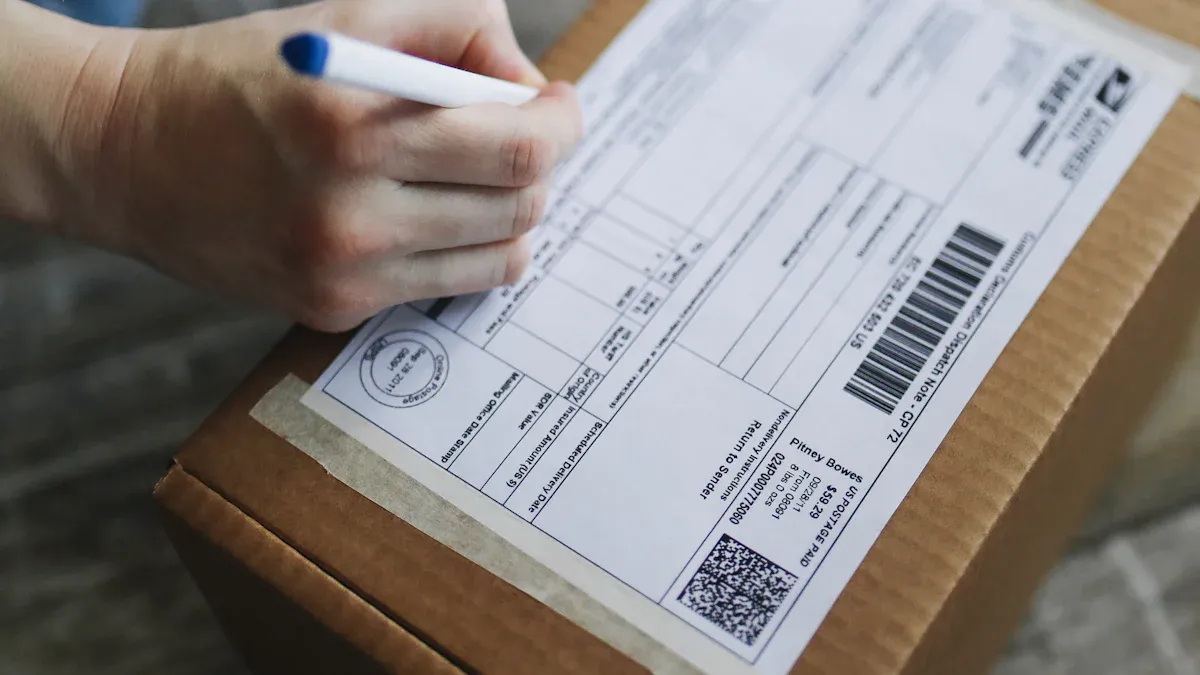
You can use technology to make your freight claims process smoother and more reliable. Digital tools help you avoid mistakes and save time. Here are some ways technology improves your results:
Digital platforms reduce manual work and speed up claims.
Automated systems help you track cargo, organize documents, and talk with your carrier.
Real-time monitoring devices show the condition of your cargo during the journey.
Artificial intelligence can predict problems and suggest better shipping routes.
Blockchain keeps your documents safe and helps prevent disputes.
Using the right technology gives you more control and helps you resolve claims faster.
Understand Insurance
You should know your insurance policy before you file a claim. Read all the terms and conditions. Look for any exclusions that might affect your coverage. When you find damage or loss, start documenting right away. Take photos and keep all paperwork together. Notify your insurer as soon as possible. Send clear documents and keep records of your conversations.
Good insurance knowledge helps you avoid surprises and makes your claim stronger.
Communicate Clearly
Clear communication helps you avoid delays and confusion. Use simple language when you talk to your carrier or insurer. Share all important details about your claim. Ask questions if you do not understand something. Keep a record of every message and phone call.
Good communication builds trust.
Quick responses help your claim move forward.
Keep Records
You need to keep all your documents in one place. Store bills of lading, receipts, photos, and emails. Check that your records match the details in your claim. Organized records help you answer questions and prove your case if there is a dispute.
Careful record-keeping is key to successful freight claims ocean shipping.
You can handle freight claims ocean shipping by following a clear process. First, inspect and document your cargo when it arrives. Next, gather all required documents, such as the bill of lading and proof of delivery. File your claim quickly and track its progress. If your claim gets denied, ask for a written reason and consider negotiating. Always keep records of the outcome. Using online tools and knowing your insurance coverage will help you get better results. For more support, check resources from your carrier or industry groups.
FAQ
What is the deadline to file a freight claim for ocean shipping?
You must file your claim within nine months from the delivery date. Quick action helps you meet this deadline and improves your chances of a successful claim.
Can you file a freight claim online in 2025?
Yes, most carriers offer online claims applications. You can upload documents, track your claim, and communicate with your carrier using these digital tools.
What happens if you miss a required document?
Missing documents can delay or deny your claim. Always double-check your paperwork before submitting.
Tip: Use a checklist to keep your documents organized.
Who pays if your cargo is damaged during ocean shipping?
Responsibility depends on your contract, insurance, and the carrier’s terms. Your insurance may cover some losses. The carrier may pay if they are at fault.
See Also
Transport Any Goods Globally With Premier Global Logistics
Transport Large Loads Economically Across The Country
Reliable And Prompt Ocean Freight Services From Major U.S. Ports
PGL Offers Comprehensive Freight Solutions Across The West Coast
Effortless Cross-Border Shipping Solutions For The West Coast
