How to Solve the Mystery of What is Drayage in Logistics
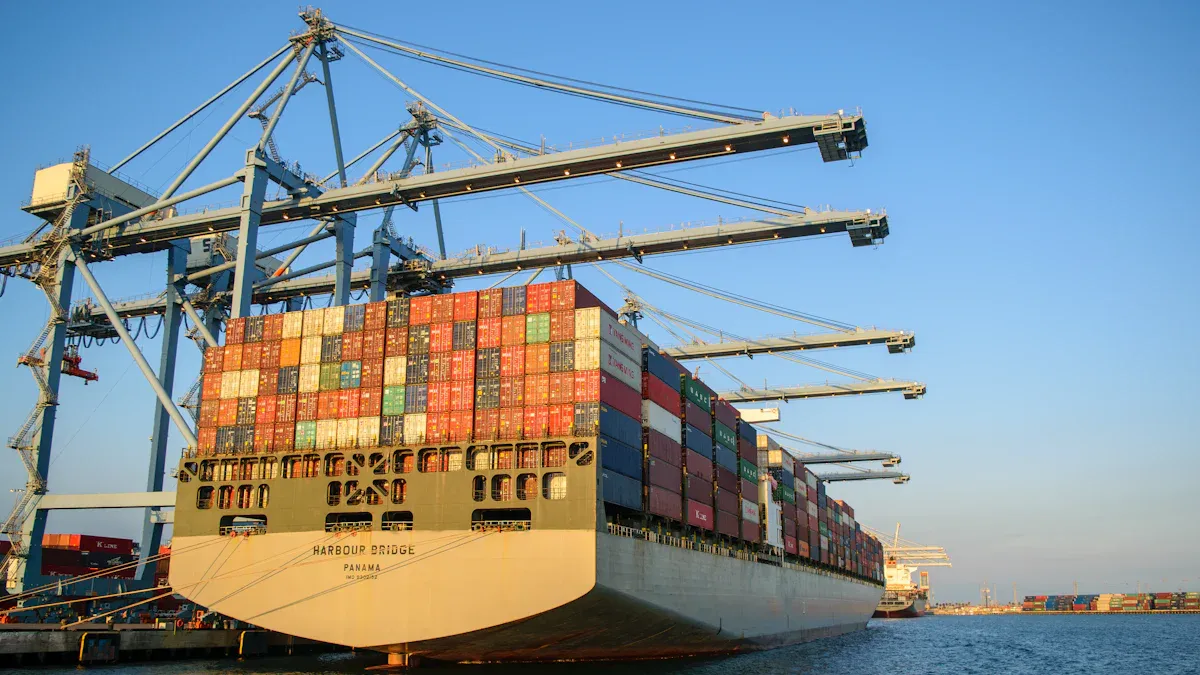
You may ask, "What is drayage in logistics?" and why it is important. Drayage refers to the movement of freight for short trips, typically occurring between ports, rail yards, and warehouses. This service is crucial for ensuring that your supply chain operates efficiently. Drayage helps reduce port congestion, enhances safety, and accelerates deliveries. With real-time tracking, you gain more control over your shipments.
Drayage facilitates quicker and more reliable logistics.
Specialized teams handle your goods with care.
Without drayage, your shipments could be delayed and incur higher costs.
Key Takeaways
Drayage is important for moving freight short distances. It connects ports, rail yards, and warehouses quickly. Using drayage can help stop delays and traffic jams. This makes sure your shipments get there on time and cost less. Real-time tracking technology gives you more control over shipments. It helps you plan better and fix problems faster. Picking good drayage partners is important. Knowing the types of drayage can make your logistics work better. Planning early and talking clearly with your drayage provider saves money. It also makes the service better.
What Is Drayage in Logistics?
Drayage Definition
When you ask what is drayage in logistics, you are learning about a big part of the supply chain. Drayage means moving freight for a short trip, usually less than 150 miles. This service links ports, rail yards, and warehouses. You often see drayage as the first or last step in moving goods.
To help you understand what is drayage in logistics, here is how top groups explain it:
Source | Definition |
|---|---|
Heavyweight Transport | Drayage is a special logistics service that moves freight over a short distance. It is important for intermodal shipping. It uses trucks to move cargo, often from ports, to receivers. |
Intek Logistics | Drayage means moving goods over a short distance. It is the movement of a container or trailer to or from the railroad intermodal terminal or a port to a customer's facility. |
PortPro | Drayage includes moving shipping containers, bulk goods, or other cargo. Local carriers do these short-distance moves. It is often called the 'first mile' of the supply chain. |
You see that drayage always means short trips. Most drayage stays in the same city or area. Many drayage jobs cover less than 50 miles, but some can go up to 150 miles. Long-haul trucking goes much farther, often between cities or countries.
Tip: When you plan your supply chain, remember that drayage keeps your cargo moving between big hubs. Without it, goods can get stuck at ports or rail yards.
Drayage in Freight Transportation
You find drayage at the center of freight transportation. The word "dray" comes from when horses pulled carts for short trips. Today, trucks do this job, but the goal is the same—move goods quickly for short distances.
Here is how drayage works in modern transportation:
Drayage connects different ways of moving goods, like ships, trains, and trucks.
You use drayage to move containers from a port to a rail terminal or from a rail yard to a warehouse.
Drayage helps your cargo switch between long-haul and local delivery.
It keeps goods moving in intermodal transportation, so nothing gets delayed.
When you think about what is drayage in logistics, you see it as the link between global and local shipping. Drayage helps you avoid slowdowns at busy ports. It also keeps your supply chain fast and dependable.
You count on drayage for the first mile when your goods arrive by ship or train. You also need drayage for the last mile, getting products to their final stop. This short-distance transportation is key for keeping your business running well.
If you want your logistics to work smoothly, you must know what is drayage in logistics and how it fits in your transportation plan. Drayage may look like a small step, but it makes a big difference in the speed and reliability of your shipments.
How Drayage Works
Drayage Process Steps
It is important to know each step in the drayage process. This helps your supply chain work well. Here is how you handle drayage from start to finish:
Booking and Pickup Order: First, you book drayage services. The shipper or freight forwarder sends a pickup order to the drayage provider.
Container Retrieval: The drayage truck picks up the container from the port, rail terminal, or airport. You check that the container is ready and cleared for pickup.
Customs Clearance: Customs officers look at the cargo before it leaves the terminal. You make sure all documents are finished and correct.
Transport to Destination: The driver takes the container to the warehouse, distribution center, or another place. This short trip connects different parts of your logistics network.
Delivery and Unloading: At the destination, workers unload the container. You get the goods ready for the next step or for storage.
Return of Empty Containers: After unloading, you send the empty container back to the port or depot. This keeps the drayage process smooth and avoids extra fees.
Tip: You can stop delays by planning each step. Keep talking with your drayage provider to help things go faster.
Key Players in Drayage
You work with several important groups during the drayage process. Each group has a special job to help transportation and logistics run well.
Stakeholder | Role Description |
|---|---|
Container Drayage Operators | Use resources wisely and help meet your needs. |
Container Port Operators | Run terminal operations and help reduce congestion at gates and yards. |
E-commerce Platform Operators | Match trucks with drayage jobs to improve service and abilities. |
Customers/Shippers | Create demand for drayage but do not decide daily operations. |
You must work with these key players to keep drayage and transportation on track. Good teamwork helps you avoid delays and keeps your logistics moving.
Types of Drayage
There are different types of drayage in logistics. Each type helps with a certain part of moving goods. Knowing these types helps you pick the best service for your needs.
Port Drayage
Port drayage connects ports with trains, warehouses, and customers. You use port drayage to move containers from a port to a nearby place. Port drayage must follow strict port rules. It faces special challenges at ports. There are extra rules for timing and compliance. These rules make port drayage unique from other types.
Rail Drayage
Rail drayage links rail yards with other parts of the supply chain. You use rail drayage to move containers between rail terminals, ports, and warehouses. Rail drayage is important in intermodal systems. Carriers pick up and deliver containers. They keep containers sealed during the trip. This lowers handling costs and keeps cargo safe. Good teamwork with rail drayage stops delays and keeps containers moving.
Intermodal Drayage
Intermodal drayage moves containers between trucks and trains. You do not unload cargo during these moves. Here are some features of intermodal drayage:
It mixes long-haul shipping with short-haul trucking.
It makes transfers between transport modes easy.
You can trust intermodal drayage to keep cargo safe and logistics smooth.
Dedicated Drayage
Dedicated drayage is for one customer or shipment. You use it when you need special care or have unique needs. Dedicated drayage uses one mode for the whole trip. It does not switch between transport modes. You pick dedicated drayage for urgent deliveries or temporary storage. The table below shows common uses:
Scenario | Description |
|---|---|
Transportation from ports to warehouses | Dedicated drayage is needed to move goods from ports to warehouses quickly. |
Handling time-sensitive cargo | It helps deliver time-sensitive cargo fast to meet deadlines. |
Managing temporary storage issues | Dedicated drayage helps when you need temporary storage because of space problems. |
Tip: When you choose a drayage service, think about your cargo, timing, and route. Picking the right type saves time and keeps your goods safe.
Drayage vs Long-Haul Trucking
Main Differences
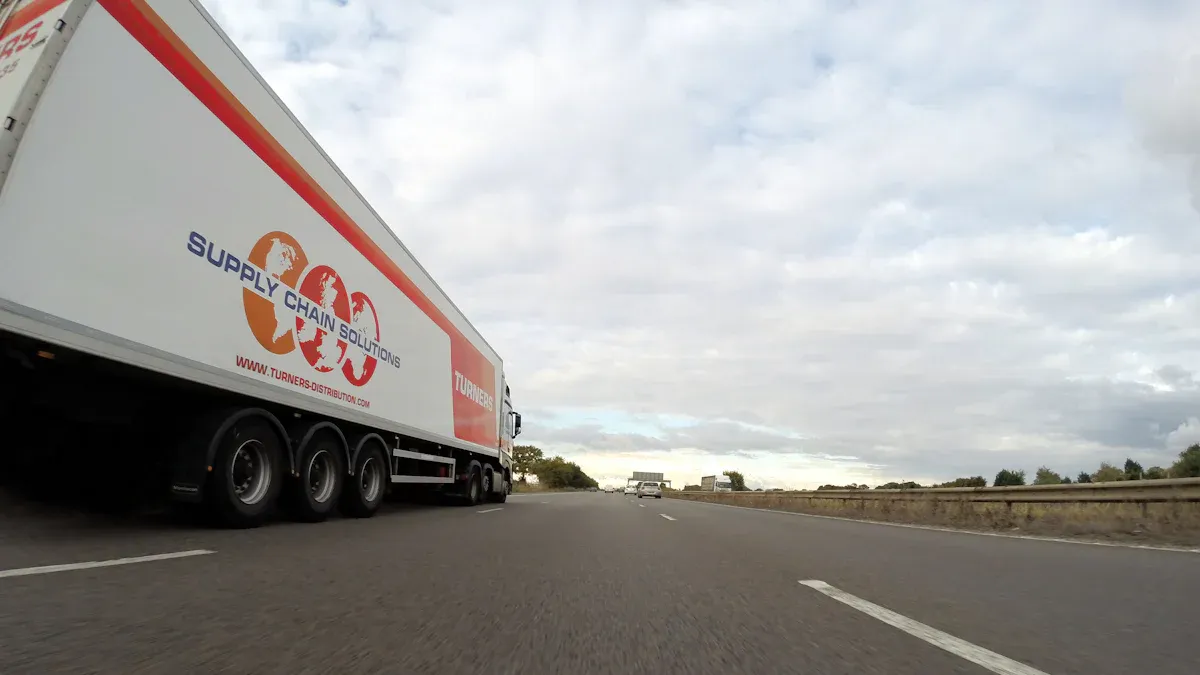
Sometimes you have to pick between drayage and long-haul trucking. Each one helps move freight in a different way. Drayage is for short trips, like inside a city or near a port. Long-haul trucking goes much farther, even to other states or countries.
Here is a table that shows how they are different:
Feature | Drayage Trucks | Long-Haul Trucks |
|---|---|---|
Typical Distance | Operate within a 50-mile radius | Cover hundreds or thousands of miles |
Focus | Navigate local city streets and terminals | Travel on highways for long distances |
Cargo Types | Primarily containerized goods | A variety of cargo types |
Delivery Time | Short, with quick turnaround | Longer, emphasizing speed and efficiency |
Truck Size and Type | Smaller, more maneuverable trucks | Larger tractors and trailers |
Drayage trucks move containers fast between ports, rail yards, and warehouses. They handle the first or last part of a trip. Long-haul trucks carry goods far away, linking cities and regions. You need both types to keep your supply chain working well.
Note: Drayage is for local trips and quick moves. Long-haul trucking is better for long trips and bigger loads.
When to Use Each
You have to choose which service is right for you. Drayage is best for short trips. You use it to move containers from ports to warehouses or rail yards. It is important for taking containers from ships to rail terminals or storage.
Pick drayage for moves inside a city or close by.
Use drayage when you need to move containers fast between different transport types.
Choose drayage for the first or last part of your supply chain.
Long-haul trucking is good for trips that go far. You use it to send goods across states or countries. It can move many kinds of cargo and helps with big shipments.
Tip: Always pick the right service for your cargo and delivery time. Drayage helps your local moves go well. Long-haul trucking gets your goods to faraway places.
Drayage Costs and Factors
Cost Drivers
You should know what makes drayage cost more. Many things can change the price for this short trip. Here are the main reasons costs go up:
Distance: If your container goes farther, it costs more. Short trips in a city cost less. Longer trips need more fuel and time, so they cost more.
Time and Delays: Waiting at ports or rail yards adds to the cost. If your truck gets stuck in traffic, you might pay extra fees for waiting.
Equipment and Labor: Special equipment, like refrigerated containers, costs more. Paying workers, like drivers and loaders, also makes the bill higher.
Busy ports can make moving goods more expensive. Trucks waiting longer means higher fees. Slow unloading causes more delays and extra charges. When ports get crowded, drayage rates can go up because trucks lose time and have less chance to pick up loads. Missed appointments and fewer jobs can change rates and make shipping cost more.
Tip: Watch port schedules and plan early to skip busy times.
How to Optimize Drayage Costs
You can do things to spend less on drayage and make your shipping better. Try these easy ideas:
Use the same carriers often. This helps you get better prices.
Make strong partnerships to get your freight moved first when it’s busy.
Teach your team to clear cargo on time. This stops extra fees and keeps things running well.
Give carriers correct shipment details. Clear info stops mistakes and avoids extra charges.
Use market facts to get good deals with carriers.
You can control your shipping costs by planning and working with your drayage partners. Good information and teamwork help you skip delays and keep your supply chain working well.
Note: Saving money on drayage needs teamwork and careful planning. Small changes can help you save a lot.
Common Drayage Challenges
Delays and Congestion
Drayage operations often face delays and congestion. Ports and terminals get very busy during peak seasons. Trucks sometimes wait for hours or days. Equipment shortages, like missing chassis, stop containers from moving. Appointment bottlenecks make scheduling pickups hard. Customs holds or incomplete paperwork keep containers at the port. Bad weather and traffic accidents close roads and cause congestion. Labor shortages or strikes can stop container movement.
Here is a table showing common challenges:
Challenge | Description |
|---|---|
Terminals get crowded during busy seasons. Trucks must wait a long time. | |
Chassis Shortages | Trucks cannot move without chassis, so shipments are delayed. |
Appointment Bottlenecks | Few scheduled slots can add days to drayage moves. |
Customs Holds and Paperwork | Inspections or missing documents keep containers at the port. |
Weather and Traffic Conditions | Storms and accidents close roads or cause congestion. |
Labor Shortages and Strikes | Not enough drivers or strikes can stop container movement. |
You can cut delays by planning ahead and checking port schedules. Try to book appointments early and keep your paperwork ready. Work with reliable carriers to avoid equipment shortages. Teach your team to watch for weather alerts and traffic updates.
Tip: Use real-time tracking tools to watch your shipments and spot delays fast.
Regulatory Issues
Regulatory changes can affect drayage operations. You must follow rules about driver qualifications and billing. Sometimes, court rulings make billing for demurrage and detention unclear. Stricter driver rules may lower the number of available drivers. Infrastructure changes, like terminal dredging or upgrades, can slow throughput and change your schedule.
Here is a table showing how regulations impact drayage:
Evidence Type | Description |
|---|---|
Court rulings on demurrage and detention make billing unclear. | |
Capacity Pressures | Stricter driver rules lower driver capacity over time. |
Infrastructure Constraints | Terminal dredging delays and facility changes slow throughput and affect schedules. |
You need to stay updated on local and federal regulations. Check for changes in port rules and driver requirements. Talk with your drayage partners to adjust plans when new regulations appear.
Note: Keeping up with regulatory changes helps you avoid delays and extra costs.
Drayage Solutions and Best Practices
Choosing Reliable Partners
You need a good drayage partner to keep things running well. A reliable partner helps you avoid delays and gets your cargo there on time. Good partners talk clearly and follow all the rules. They also help you control costs and make sure your shipments follow local laws. Strong ties with local service providers and leaders make it easier to handle surprises or new rules. When you pick a partner, choose one with a good history and strong local links.
Tip: Make long-term deals with drayage providers. This helps you get better service and prices when things get busy.
Technology and Tracking
You can use technology to make drayage work better. Digital tools help you track shipments in real time and cut down mistakes. GPS and tracking apps show you where your containers are right now. These tools also help you plan better routes and stop delays. Mobile apps let drivers and dispatchers talk fast, which means less paperwork and faster moves. Analytics and on-demand data give you facts to make smart choices and improve your work.
Put rates, quotes, and orders online to answer faster.
Use mobile tools for drivers to make jobs easier.
Automate tracking and paperwork to stop problems.
Real-time tracking lets you see everything and fix issues before they get big.
Reducing Wait Times
You can cut wait times by planning routes and schedules well. Route software helps you find the fastest ways and skip traffic. Direct routes can make trips shorter and save fuel and work hours. Scheduling pickups and drop-offs at slow times keeps ports and terminals less crowded. Using local warehouses and drivers also helps you move containers fast.
Benefit | Description |
|---|---|
Efficiency | Better routes mean faster deliveries. |
Cost Reduction | Less waiting saves fuel and labor money. |
Congestion Control | Good timing keeps trucks moving and stops traffic jams. |
Use technology and smart planning to keep your drayage work fast and low-cost.
Drayage moves goods for short trips, but it is very important. You need drayage to connect ports, rail yards, and warehouses. Good drayage keeps shipments on time and saves money.
Drayage connects different ways to move cargo and keeps things moving.
Fast drayage stops delays and makes shipping more reliable.
Using technology and working with strong partners helps fix common problems.
Use smart steps and new tools to make your logistics better. If you want expert help or a price, contact trusted companies like Envoy Logistics or Armstrong Transport.
FAQ
What does drayage mean in logistics?
Drayage is moving containers or cargo for a short trip. It happens between places like ports, rail yards, or warehouses. You use drayage to link parts of your supply chain fast.
How long does a typical drayage trip take?
Most drayage trips last just a few hours. Delivery usually happens the same day. Traffic, port crowding, and schedules can change the timing.
Why is drayage important for my supply chain?
Drayage keeps goods moving between main spots. It helps you skip delays at ports or rail yards. Quick drayage lets you meet deadlines and lowers storage costs.
What types of containers can drayage trucks move?
Drayage trucks move standard 20-foot and 40-foot containers. They also carry refrigerated units and sometimes oversized cargo. Special trucks handle different container types.
How can you reduce drayage costs?
You can plan shipments early and pick trusted partners. Use technology to track shipments. Correct paperwork and good scheduling stop extra fees and delays.
See Also
Deciding on LTL, FTL, or Drayage for Your Freight
PGL’s Trucking Services from LA and Oakland Streamline Logistics
The Role of Point-to-Point Logistics in Enhancing Efficiency
Key Strategies for Effective Management of Global Logistics
Innovative Logistics Strategies to Boost International Operational Efficiency
