How to Use a Cross Border Freight Guide for Smooth Shipping
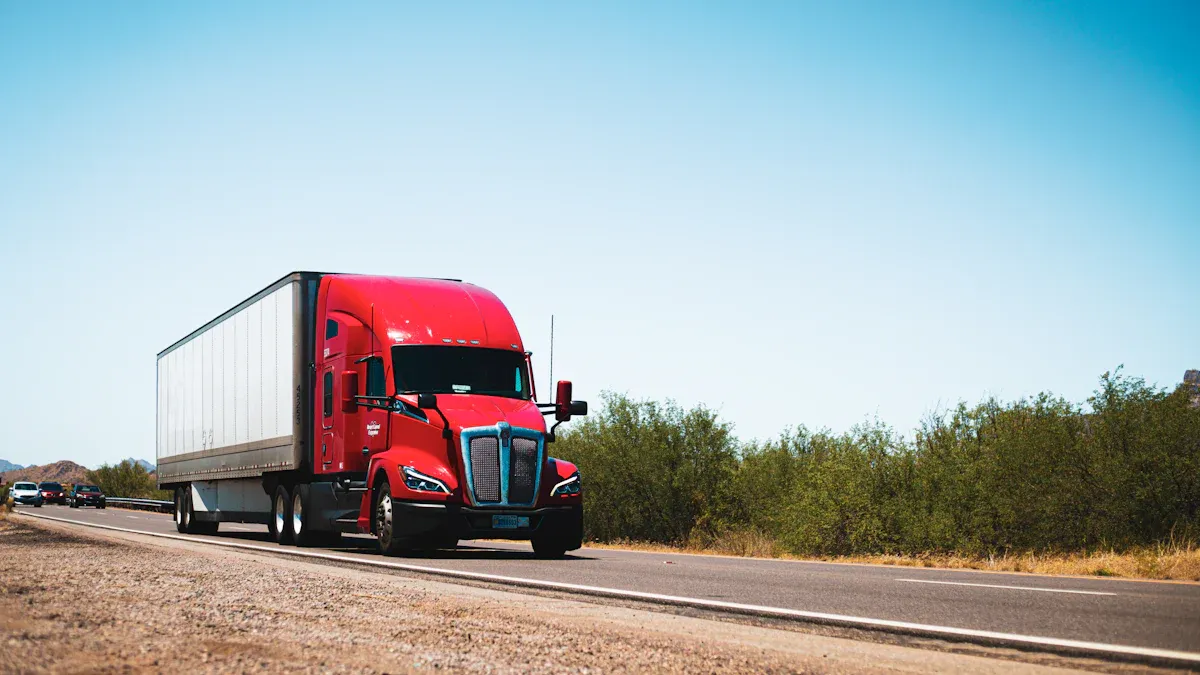
You can use a cross border freight guide to make shipping easier. This guide helps you know each step. It shows you how to pack your freight. It also helps with customs and paperwork. Many new shippers think cross-border shipping is hard. This is because you need documents like bills of lading and customs forms. The cross border freight guide explains these things. It helps you not make expensive mistakes. You will also learn how to use a customs broker. You will learn how to insure valuable cargo. You will learn how to work with carriers. First-time shippers and companies can both use this guide. It helps them make their shipping better. Follow each step in the cross border freight guide. This will help you ship things smoothly and safely.
Book shipments early when it is busy.
Pack goods well so they do not break.
Use the cross border freight guide to check paperwork before shipping.
Key Takeaways
A cross-border freight guide helps make shipping easier and stops expensive errors.
Check your paperwork every time before you ship. This helps you avoid delays and extra charges.
Pick the best transport mode for your cargo and budget. This makes shipping cheaper.
Make good connections with customs brokers and carriers. This helps you fix problems fast.
Keep learning about rules and use technology to track your shipment live. This makes shipping work better.
What Is a Cross Border Freight Guide?
Purpose and Benefits
A cross-border freight guide helps you ship goods between countries. You use it to plan shipments and get documents ready. It shows you how to follow customs rules. The guide gives easy steps for each shipping part. You can stop mistakes and save money if you use the guide.
Many companies use cross-border freight guides to reach new places. Businesses that ship to other countries grow faster than local ones. You can spend less on shipping by using digital tools. Automation helps make things easier. Tracking shipments makes customers happier. If you manage your supply chain well, you can handle problems better.
Tip: Check your paperwork with a cross-border freight guide before shipping. Correct documents help you avoid delays and extra fees.
Here are some main benefits you get from using a cross-border freight guide:
You learn about international shipping rules.
You save money by avoiding surprise tariffs and duties.
You control your supply chain with real-time updates.
You make shipping better for your customers.
You build strong connections with partners in many places.
Key Features for Cross-Border Freight
A cross-border freight guide has important parts that make shipping easier and safer. You find information about transportation modes, customs rules, documents, and costs.
Component | Description |
|---|---|
Transportation Modes | Truckload, LTL, intermodal, and rail choices for moving freight quickly. |
Customs Compliance | Checklist for rules and documents like commercial invoices and bills. |
Essential Documents | USMCA Certificate of Origin, packing lists, and other paperwork. |
Cost Factors | Duties, taxes, and trade deals that change total shipping costs. |
You also see features like working smoothly with freight forwarders and using different transport options. Customs experts help you follow rules and stop delays. Guides show best ways, like combining shipments and using free trade deals to save money.
Digital cross-border freight guides give fast data transfer and better security. You make fewer mistakes and work faster. These guides help you handle tariffs, duties, and shipping delays. You get clear steps for every part, so you ship goods easily across borders.
Step-by-Step Cross-Border Shipping Guide

Shipment Planning and Preparation
You must plan before you ship across borders. This helps you avoid mistakes and delays. Start by picking the goods you want to ship. Find a customs broker who knows the rules and forms. Figure out where your freight comes from. Check if your shipment needs special permits or has restrictions.
Follow these steps to plan your shipment:
Pick your freight and write down its details.
Find a customs broker you trust.
Make sure you know the country of origin.
Look for permits, restrictions, or rules.
Some shippers make mistakes when getting ready. You might pack your freight wrong, skip insurance, or forget to check customs rules. You could mess up the timing, not pack well enough, or depend too much on your service provider. Always check every detail yourself.
Tip: Pack your freight safely and get insurance for valuable shipments. Look up customs paperwork before you ship.
Documentation Essentials
You must get all shipping forms ready before your freight leaves. Correct documents keep your shipment moving. The main documents are:
Commercial or Customs Invoice: Tells about your freight and its value.
Certificate of Origin: Shows where your freight is from.
Proof of Delivery (POD): Says your freight arrived safely.
Bill of Lading (BOL): Lists goods, addresses, and details.
Packing List (PL): Gives weight and size information.
Canada Customs Invoice (CCI): Needed for shipments over $2,500 CAD.
Shipper’s Export Declaration (SED) or Electronic Export Information (EEI): Needed for shipments over $2,500 USD or with an export license.
Missing or wrong shipping forms can cause big problems.
Correct customs paperwork is needed to move freight across borders without delays or penalties. Even one mistake, like a missing invoice or wrong product code, can mess up supply chains and cost a lot.
Mistakes in paperwork for international trade can cause big trouble, like: Delays, Shipment holds, Penalties, Higher fees for storage, transport, and other services, Shipment rejection at the border.
If any detail is missing or does not match in the documents, the shipment becomes risky. A customs hold can: Add days to your shipping time. Cause extra fees. Make you miss delivery dates.
Always check your shipping forms before you send your freight.
Customs Compliance and Clearance
You must follow customs rules for each country. Every country has its own customs rules. Even small mistakes in customs paperwork can stop your freight at the border. Not following safety or quality rules can keep your freight out of a country.
Issue Type | Description |
|---|---|
Customs and Compliance Regulations | Each country has its own customs rules, which can be very different. |
Customs Documentation Errors | Small mistakes in paperwork can stop shipping and cause delays and penalties. |
To clear customs faster, you can use special programs. Register your freight with the Pre-Arrival Review System (PARS) so customs can check your shipment before it arrives. Use the Advance Commercial Information (ACI) program to send details to Canada Border Services early. Get Free and Secure Trade (FAST) certification for quicker clearance and special lanes.
Note: Customs rules can change in each country. Stay updated and work with your customs broker to avoid problems.
Choosing Transport Modes
You must pick the best transport mode for your freight. Your choice affects cost, speed, and reliability. Think about these things:
Factor | Description |
|---|---|
Cargo Type | Perishable goods may need air transport. |
Distance | Short trips may use road. Long trips may use rail or sea. |
Carrying Capacity | Rail and sea are good for big shipments. |
Environmental Impact | Rail is better for the environment than other modes. |
Transit Time | Air is fastest. Sea is slowest. |
Cost-Effectiveness | Air costs the most. Road and rail can save money. |
Accessibility | Some places only use certain modes. |
International Trade | Good cross-border shipping needs the right mode. |
Rail can save money and time. For example, rail from China to Europe is faster than ocean freight and cheaper than air. Trucks can deliver freight quickly and cost less than air. Each mode has good and bad points. Match your freight needs to the best transport mode.
Shipping from the United States to Canada
Shipping from the United States to Canada is common. You must follow clear steps:
Plan your freight early. Get all compliance documents ready.
Pick carriers with cross-border shipping experience.
Work with a customs broker for clearance and paperwork.
Prepare all shipping forms to avoid border delays.
Classify your freight with the right tariff codes.
Be ready for inspections. Your customs broker can help.
You may face problems like duties, taxes, and new rules. For example, CARM rules now make the importer pay duties and taxes. This makes things harder for US brands. Getting refunds for duties and taxes can be slow and need extra paperwork.
Tip: Build strong relationships with carriers and customs brokers. This helps you fix problems fast.
If you ship from Canada to the United States, you must follow similar steps. Always check the latest customs paperwork and shipping forms for each country.
By following these steps, you can move your freight easily and avoid common cross-border shipping problems.
Overcoming Cross-Border Freight Challenges
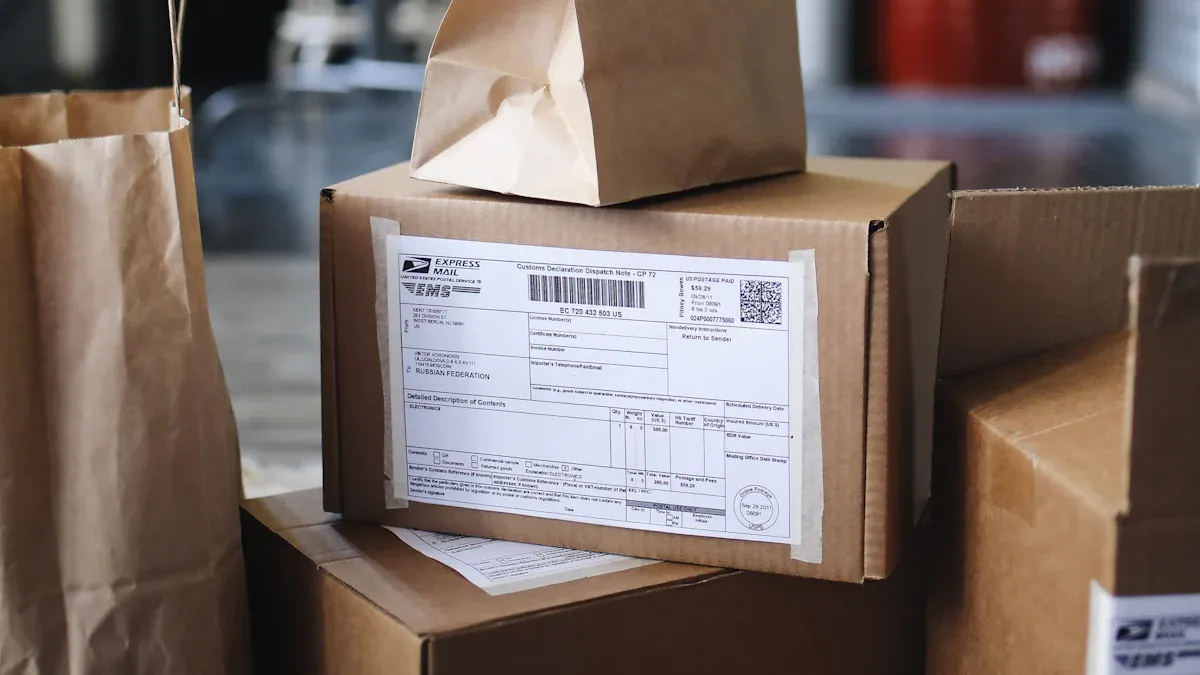
Avoiding Delays and Border Issues
You might face problems at the border when shipping. Delays can happen because of mistakes in paperwork. Sometimes, long lines or confusion slow things down. You should get ready for these issues before your freight arrives. The table below shows common problems and ways to fix them:
Challenge | Description | Solution |
|---|---|---|
Border Wait Times and Delays | Long lines at crossings slow down shipments. | Prepare documents and cargo early. |
Language and Cultural Barriers | Misunderstandings cause confusion and delays. | Use a bilingual logistics team. |
Specialized Freight Accommodation | Some crossings cannot handle large or special loads. | Plan for the right crossing points. |
Load Securement/Safety Standards | Different rules can lead to fines and delays. | Train drivers in securement practices. |
Customs Compliance and Documentation Errors | Incorrect paperwork can stop your shipment. | Submit documents digitally and check for errors. |
To stop these problems, you should:
Check all documents with your customs broker before shipping.
Book your shipment early if it is busy.
Use real-time tracking to find delays fast.
Build strong relationships with your customs broker and carriers.
Tip: Talk to your customs broker often to fix problems quickly.
Managing Costs and Duties
You need to keep costs low when shipping freight across borders. Tariffs and duties can make shipping more expensive. For example, a 25% tariff can add a lot to equipment costs. Higher import duties can raise prices and make people buy fewer new trucks. You may ship less if costs go up.
You can control costs by doing these things:
Learn the rules for each country.
Insure your goods to protect them.
Use an integrated logistics system to save money and time.
Secure your shipments and follow border rules.
Automate compliance steps to make fewer mistakes.
Combine smaller shipments to pay less in fees.
Plan better routes using data.
Note: Your customs broker can help you understand duties and find ways to save money.
Ensuring Regulatory Compliance
You must follow all rules for cross-border shipping. Each country has its own rules for documents, driver credentials, and vehicle standards. The table below lists important rules you need to know:
Requirement Type | Details |
|---|---|
Documentation Requirements | Bill of Lading, Commercial Invoice, Packing List, Certificate of Origin, Customs Forms, Permits. |
Border Clearance Process | Pre-clearance, Customs Broker, Driver Preparedness. |
Driver Credentials and Compliance | Valid Passport, FAST Card, Driver’s License, Medical Certification. |
Hours of Service Regulations | Canada: 13 hours driving, 8 hours off; U.S.: 11 hours driving, 10 hours off. |
Vehicle Standards and Inspections | Weight and Dimension Limits, Maintenance Records, Hazmat Compliance. |
You should work with your customs broker to keep up with changing rules. Customs rules change often. These changes can make shipping cost more and make following rules harder. Your customs broker will help you change your shipping plan and avoid penalties.
Stay in touch with your customs broker to keep your freight moving smoothly and legally.
Best Practices for Using a Cross Border Freight Guide
You can get more from a cross border freight guide if you follow some simple steps. These steps help you stop mistakes, save money, and keep shipments moving.
Staying Updated on Regulations
Rules for cross-border shipping change a lot. You should check for new rules before each shipment. Talk with carriers and customs brokers to learn about changes. Train your team so everyone knows the latest rules. Internal audits help you find problems in your process. You can set up clear policies for compliance. If you know your suppliers and their materials, you can spot risks early. Push compliance programs to partners and customers to avoid surprises.
Tip: Automation tools help you track rule changes and share updates with your team fast.
Leveraging Technology and Tracking
Technology makes cross-border shipping easier and faster. Real-time tracking gives live updates on shipments. Centralized platforms let you see all shipments in one place. Exception management tools alert you to delays or problems right away. These tools help you respond quickly and keep customers informed. Automation also reduces paperwork errors and saves time. Using technology helps you work better and spend less.
Use real-time tracking for better shipment visibility.
Automate compliance checks to stop mistakes.
Pick platforms that connect with many carriers and customs systems.
Building Strong Logistics Partnerships
Strong partnerships with logistics providers make shipping smoother. Work closely with carriers, customs brokers, and third-party logistics partners. Good relationships help you plan better and avoid delays. Sharing resources helps you optimize routes and cut costs. Open communication lets you solve problems faster and keep customers happy. Working together gives you access to new markets and technology.
Note: A handbook for cross-border shipping success always includes building trust with logistics partners.
Here is a table of best practices you can follow:
Best Practice | Description |
|---|---|
Stay Updated on Regulations | Check for new rules and train your team often. |
Use Technology and Tracking | Invest in real-time tracking and automation tools. |
Build Strong Partnerships | Work with trusted carriers and brokers for smooth shipping. |
Provide Accurate Documentation | Double-check all forms before shipping. |
Optimize Cargo Consolidation | Combine shipments to save money and space. |
Prepare for Delays | Add extra time to your shipping schedule. |
By following these steps, you can lower risks, control costs, and keep your cross-border shipments on track.
You can ship goods across borders without problems if you follow each step in a cross border freight guide. You plan your shipment. You get your documents ready. You clear customs. You pick the best way to transport your freight. The guide gives you many good things that last.
Benefit | Description |
|---|---|
You deliver faster and have fewer delays. | |
Cost Savings | You spend less money on shipping. |
Enhanced Visibility | You can track your shipment better. |
Compliance with Regulations | You follow trade laws and avoid penalties. |
You should always learn about new rules. Training helps your team deal with real shipping problems. It keeps them updated on rules. It helps them not make expensive mistakes. If you use the guide and keep learning, your shipping process becomes strong and reliable.
FAQ
What documents do you need for cross-border freight shipping?
You need a commercial invoice, bill of lading, packing list, and certificate of origin. Customs forms and permits may also be required. Always check with your customs broker for the latest requirements.
How can you avoid delays at the border?
Check all documents before shipping. Work with a trusted customs broker. Use real-time tracking to spot problems early. Book shipments ahead during busy seasons.
What is the role of a customs broker?
A customs broker helps you prepare documents, classify goods, and clear customs. You get expert advice on rules and duties. This reduces your risk of delays and penalties.
How do you choose the best transport mode?
Look at your cargo type, delivery time, and budget. Trucks work well for short distances. Rail and sea fit large shipments. Air is fastest but costs more.
Why is insurance important for cross-border freight?
Insurance protects your goods from loss or damage. You avoid big financial losses if something goes wrong during shipping. Always insure valuable shipments.
See Also
Simplifying Cross-Border Freight Solutions on the West Coast
Effortless North American Trucking Solutions with PGL
PGL's Expertise in Breakbulk and Oversized Ocean Freight
Key LCL Shipping Guidelines for Panama Exports by PGL
Effective Trucking Solutions Between U.S., Canada, and Mexico by PGL
