International Freight Forwarding Providers: How to Choose the Right Global Logistics Partner
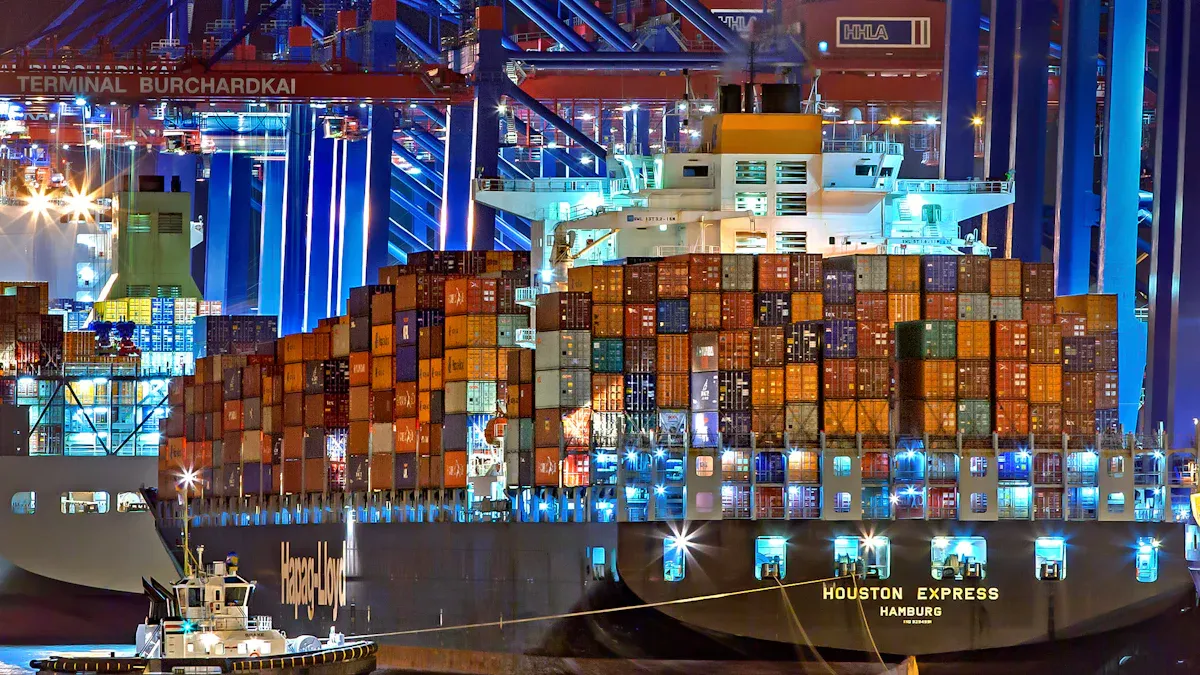
International freight forwarding providers move over 80% of world trade. They are very important in international logistics. If you pick a freight partner who knows global logistics, your business can ship goods reliably. You can also control costs better and follow customs rules easily. Freight forwarders use their networks and technology to find good routes and prices. They keep you informed and follow shipping laws.
Tip: Make sure your partner fits your shipping needs and business goals for the best results.
Key Takeaways
Pick a freight forwarder that fits your shipping needs and business goals. This will help you get better results.
Find a freight partner with lots of experience and knowledge. This can help you avoid problems and make shipping easy.
Make sure your freight forwarder has a strong global network. This helps you get better prices and clear customs faster.
See if they use technology to track and manage shipments. This can lower mistakes and make things work better.
Check your partnership with the freight forwarder often. This helps you find problems early and keep your supply chain working well.
Understanding International Freight Forwarding Providers
What Freight Forwarders Do
Many businesses trust international freight forwarding providers with their cargo. These experts make global shipping simple for you. They connect your company with carriers, warehouses, and customs offices. This helps move goods across borders.
Here’s what an international freight forwarder does:
Handles export and import papers, like bills of lading.
Gives advice about customs rules and helps clear customs.
Watches your cargo to keep it safe.
Works with carriers and logistics partners so goods arrive on time.
A good freight forwarding service helps you avoid delays, extra costs, and customs problems.
Types of Providers
Freight forwarding companies are not all the same. You should know which type fits your business.
Global multinational forwarders have offices worldwide. They offer global shipping and use advanced technology. These providers are best for big companies with complex needs.
Regional forwarders work in certain areas or trade lanes. They know local rules and give personal service.
Specialized freight forwarding providers handle special shipments, like heavy machines or hazardous materials. They have skills and equipment for tough jobs.
Pick the right provider based on your shipping needs, your industry, and where you send goods.
Core Shipping Services
International freight forwarding providers offer many services to help you ship goods easily. Some common freight forwarding services are:
Ocean freight for large shipments by sea.
Air freight for fast delivery of urgent or valuable items.
Customs clearance to help you follow customs laws and avoid fines.
Warehousing and distribution to store and manage goods before delivery.
Some big companies, like FedEx and UPS, offer special shipping for fragile, dangerous, or oversized cargo. Others, like DB Schenker and Blue Dart, focus on certain regions or types of freight.
When you choose a freight forwarder, you get more than shipping. You get a partner who helps with logistics, solves problems, and keeps your supply chain working.
Defining Your Global Shipping Needs
To pick the best global logistics partner, you need to know your shipping needs. Think about what you want to ship. Decide where your goods must go. Check if there are any special rules for your items. This helps you find a freight forwarder that fits your business.
Shipment Types and Destinations
Think about what products you ship and where they go. Some things, like electronics or food, need extra care. Every country has its own import rules. You should check what is allowed in each place. Customers in different areas want different things. For example:
Some customers want free shipping if they spend over €150.
Many people want their orders in 3–4 days.
Shipping costs and times are not the same everywhere.
Here are some things to think about:
Factor | Description |
|---|---|
Customer Preferences | What do customers in each region want? |
Pricing Trends | How do prices change in different markets? |
Competition Analysis | Who are your competitors and what do they offer? |
If you know your market, you can change your shipping to fit their needs.
Volume and Frequency
How much and how often you ship matters. If you send big shipments a lot, you may get better prices. If you ship small loads or only sometimes, you need a flexible partner. Some companies use both direct carrier deals and freight forwarders. They use carriers for big, regular shipments. They use forwarders for small or special loads. This helps save money and get expert help when needed.
Special Requirements and Compliance
Do you ship hazardous, perishable, or large items? These need special care. Freight forwarders train their teams to handle these goods safely. They follow strict rules and use special containers for things like chemicals or fresh food. You must also follow international laws. Each country has its own paperwork, tariffs, and label rules. If you do not follow these, you could get fines or delays.
Description | |
|---|---|
Proper Documentation | Commercial Invoice, Packing List, Bill of Lading, and more. |
Understanding Tariffs and Duties | Know the costs and rules for each country. |
Labeling Requirements | Make sure labels match local standards. |
Restricted and Prohibited Items | Check lists and get permits if needed. |
Monitoring Regulatory Updates | Stay up to date with changes in laws. |
Tip: Always check the newest rules before you ship. Mistakes can cause delays or extra costs.
If you know your shipment types, how much you ship, and your compliance needs, you can pick a freight forwarder that fits your business and keeps your supply chain working well.
Key Criteria for Choosing an International Freight Forwarder
Picking the right freight partner is very important. The right choice helps your global shipping work well. You want a partner who knows your business and understands logistics. They should help your supply chain run without problems. Here are the most important things to think about when you choose international freight forwarding providers.
Experience and Industry Expertise
Your freight partner should have lots of experience. Providers with a good history handle tough shipments well. They know how to avoid problems and follow rules. If your freight forwarder knows your industry, you get better help and fewer issues. Ask them about their work with your cargo type and their past success. This shows if they can do what you need.
Tip: Always ask your freight forwarding companies about their experience in your industry. This can help you avoid problems later.
Global Network and Carrier Access
A strong global network is very important for international freight forwarding providers. Your freight partner should have contacts in both the starting and ending places. They need to work with good carriers for smooth shipping. This network helps your goods cross borders and clear customs easily. If your international freight forwarder has good carrier links, you get better prices and more choices.
Freight forwarders handle logistics, customs, and carrier work.
They use their global network to keep your cargo moving.
Many carrier options mean flexible and cheaper shipping.
Service Range and Flexibility
Your business may need different shipping services as it grows. Look for a freight partner who offers many freight forwarding services. They should handle full truckload, less than truckload, and special freight. Flexibility is important if your shipment sizes or places change. A good freight forwarding service changes to fit your needs, whether you ship big loads or special items.
Special freight for unique cargo
Customs clearance and warehousing services
Technology and Tracking
Technology makes freight forwarding easier and smarter. Your international freight forwarder should use digital tools for booking, tracking, and paperwork. These systems help you see where your shipment is at any time. Automation cuts mistakes and saves time. Advanced technology also helps your freight partner find problems early and keep you updated.
Automation of tasks saves time and lowers errors.
Real-time tracking gives you control and clear updates.
AI and machine learning help improve logistics and shipping routes.
Compliance and Certifications
You want a freight partner who follows the rules. International freight forwarding providers must obey customs laws and have key certifications. This keeps your shipments safe and legal. Ask your freight forwarder about their compliance and certifications. These show they care about quality and safety.
Certification/Standard | Description |
|---|---|
ISO 9001 | Makes sure service quality stays high with set processes. |
CTPAT | Improves border security and shows supply chain safety. |
IATA Membership | Follows air freight best practices and standards. |
Note: A certified freight partner can handle customs clearance and lower your risk of delays or fines.
Communication and Support
Good communication makes freight forwarding much better. You need a partner who answers questions fast and keeps you updated. Quick support helps you fix problems before they get worse. Studies show almost half of customers want their issues fixed the first time. Good customer service builds trust and keeps your business running.
Fast replies and clear updates
Special support teams for your shipments
Strong customer service leads to better satisfaction and loyalty
Pricing and Transparency
Clear pricing helps you manage shipping costs. Your freight partner should show you all charges. This helps you plan your budget and avoid hidden fees. Research shows companies with clear pricing save up to 36% on shipping each year. Ask your freight forwarding companies for full quotes and details. This makes your logistics cheaper and easier to predict.
Tip: Always check your freight forwarding service agreement for hidden fees, especially for customs clearance and handling.
When you look at international freight forwarding providers, focus on these things. Ask about their shipping services, technology, compliance, and support. The right freight partner will help you ship smarter, save money, and keep your supply chain strong.
Comparing and Selecting Freight Forwarding Partners
Picking the right freight partner is very important. The choice can change your whole shipping experience. You want someone who knows what they are doing. They should be reliable and give you good value. Every step in choosing matters for your business.
Research and Shortlisting
Start by making a good list of possible partners. This helps you save time and avoid bad choices. Look for companies with experience in your field. Make sure they offer the services you need. Ask other businesses for references. Read reviews online and join forums to learn more. This research shows which partners have a good name and real results.
Think about your business needs and shipping.
Check if they know your industry and offer needed services.
Ask for references from other customers.
Read reviews and join forums to get advice.
Requesting Proposals and Quotes
Next, see what each partner can give you. Ask for detailed proposals and quotes. Make sure all fees are listed clearly. Look for information about timelines and team members. This helps you compare costs and services easily.
Ask for clear prices and itemized quotes.
Request details about work and terms.
Check how long shipping will take and who will help you.
Make sure all fees are shown.
Checking References and Reputation
It is important to pick a partner with a good reputation. Talk to other clients and ask about their experiences. Read case studies and reviews online. A good company will connect you with happy customers.
Check their history. Look for reviews, case studies, or referrals. Good partners will let you talk to their clients. Reputation comes from doing a good job, not just promises.
Service Agreements and Onboarding
A clear contract protects you and your partner. Make sure it covers all services, prices, and payment rules. Look for service level agreements that set standards. Check details about liability, customs, and tracking. Review how to end or renew the contract. Good onboarding helps your shipments start well and lets you know what to expect.
List all services, including customs and tracking.
Include prices, payment rules, and service standards.
Cover liability, risk, and how to solve problems.
Check contract length and ways to leave.
If you follow these steps, you can find a partner who helps your business, keeps costs clear, and builds trust by doing a good job.
Managing the Freight Forwarding Relationship
Having a good relationship with your freight partner helps your business. You should check how well they do their job. You need to talk clearly and look for ways to get better. Here is how you can do these things.
Performance Monitoring
You want to see if your freight partner does a good job. Watching important numbers helps you find problems early. It also helps you make smart choices. Here is a table with things you should check:
Metric | Description |
|---|---|
Quote Turnaround Time | Helps you use resources better and makes deals easier. |
Order Processing Time | Cuts down waiting and helps workers and machines work well. |
Documentation Accuracy | Makes sure you follow rules and avoid customs delays. |
Customs Compliance | Stops legal trouble and helps goods move fast. |
Claim Frequency | Shows how well risks are handled and how accurate work is. |
Resolution Time | Builds trust with customers; long times can hurt your supply chain. |
Capacity Utilization | Uses resources well, saves money, and boosts work. |
Carrier Performance | Makes sure goods arrive on time and in good shape. |
Technology Adoption | Shows how modern and quick your logistics are. |
Environmental Impact | Shows you care about the planet and being responsible. |
Customer Satisfaction Score | Tells you how good your service is and helps your business. |
You should look at these numbers with your freight partner often. Tracking shipments in real time helps you see where things are and spot delays.
Communication Best Practices
Talking well keeps your freight partner relationship strong. You want updates that are quick and easy to understand. Here are some tips:
Share info about shipments and future plans so your partner can get ready.
Ask for updates about how shipments are going and if there are any delays.
Be honest when you talk to build trust.
Answer questions and requests quickly.
Make sure your partner knows what you need and expect.
When you talk openly, you stop confusion and keep things running well.
Continuous Improvement
You can always make your freight partner relationship better. Checking things often helps you find ways to improve. Try these ideas:
Have short meetings every day to find problems early.
Set up team reviews to help everyone work together.
Hold events to solve problems as a group.
Give training to help people learn and think of new ideas.
Work with your partner to save money and make orders more accurate.
Ask your partner for feedback and share your own ideas. This helps both sides get better and keeps your service strong.
Tip: Checking things often and sharing feedback helps you and your freight partner fix problems faster and keep your supply chain working well.
Choosing the right international freight forwarding provider helps your business grow and stay strong. Here’s a quick recap of what you should do:
Look for industry accreditations.
Make sure their network matches your shipping routes.
Ask if they offer full door-to-door solutions.
Keep checking your partnership. Regular reviews help you spot problems early and keep your goals on track. If you want more tips, look for guides on freight forwarder selection, compliance, and technology in logistics. 🚚
FAQ
Why should you use an international freight forwarding provider?
You get expert help with shipping, customs, and paperwork. Freight forwarders know the best routes and prices. They help you avoid delays and mistakes. You save time and money by letting them handle the details.
Why does experience matter when choosing a freight forwarder?
Experienced providers know how to solve problems fast. They have handled many types of shipments. You can trust them to manage your cargo safely and follow all rules. This lowers your risk of delays or extra costs.
Why is technology important in freight forwarding?
Technology lets you track your shipment in real time. You get updates and alerts if something changes. Digital tools make booking and paperwork easier. This means fewer mistakes and faster shipping for you.
Why do you need to check a freight forwarder’s certifications?
Certifications show that a provider follows industry standards. You know they care about safety and quality. This helps you trust them with your goods. Certified forwarders also handle customs and legal rules better.
Why should you review your freight forwarding partnership often?
Regular reviews help you spot problems early. You can talk about what works and what needs to change. This keeps your shipping smooth and helps your business grow.
See Also
Top Reasons To Select Premier Global Logistics For Exports
Key Strategies For Effective Management Of Global Logistics
Enhancing International Operations With Innovative Logistics Solutions
Versatile Trucking Options Enhance West Coast Freight Services
Simplifying West Coast Cross-Border Freight With Premier Logistics
