Intermodal Drayage Brokers: Connecting Rail, Road and Port Transportation for Seamless Freight Movement

Intermodal transportation depends on the effective coordination of multiple transportation modes. A container may begin its journey at a seaport, travel by rail over a long inland distance, and then move by truck to a warehouse or final destination.
Intermodal drayage brokers help coordinate the short-distance truck movements that connect these transportation systems.
Although drayage itself is usually a relatively short movement, its importance is much greater than the distance suggests. Without reliable connections between ports, rail terminals, warehouses, and distribution facilities, an intermodal transportation system cannot function efficiently.
What Is Intermodal Drayage?
Intermodal drayage refers to short-distance transportation of containers between intermodal transportation facilities.
It may connect:
· Ports and rail terminals
· Rail terminals and warehouses
· Ports and transloading facilities
· Rail terminals and distribution centers
· Warehouses and rail terminals
The container generally remains in the same intermodal loading unit while transportation modes change.
What Does an Intermodal Drayage Broker Do?
An intermodal drayage broker coordinates truck transportation associated with intermodal shipments.
The broker may arrange transportation between:
· Shippers
· Ports
· Rail terminals
· Warehouses
· Distribution centers
· Transloading facilities
The broker may also help coordinate schedules, equipment, tracking, and transportation rates.
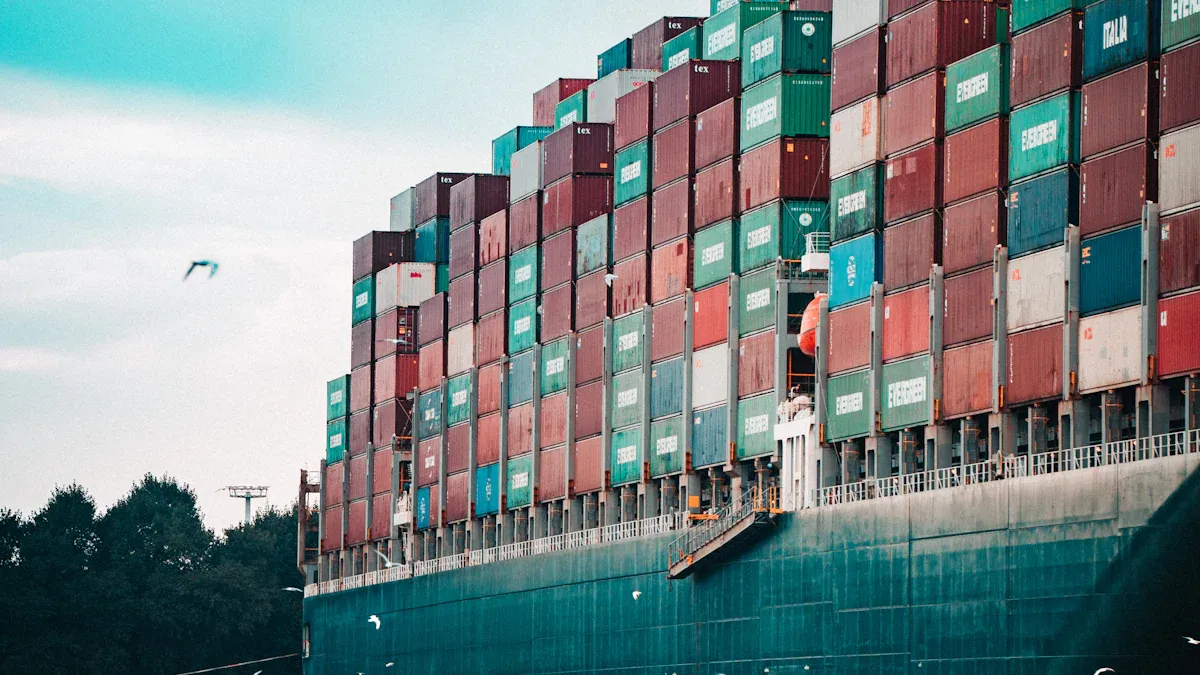
Connecting Ports and Rail
One common intermodal movement begins at a port.
An ocean container arrives at the marine terminal.
A truck then transports the container to a rail terminal.
The container is loaded onto a train and transported inland.
At the destination rail terminal, another truck moves the container to the final warehouse.
This process requires multiple transportation providers and schedules.
Why Drayage Is Critical to Intermodal Freight
Rail is highly effective for many long-distance freight movements, but trains cannot deliver containers directly to every warehouse.
Trucks provide the local connection.
Drayage therefore acts as the bridge between long-distance rail transportation and local distribution.
If the drayage segment fails, the entire intermodal movement can be disrupted.
Benefits of Intermodal Transportation
Intermodal transportation can provide several advantages.
Long-Distance Efficiency
Rail can be an efficient option for suitable long-distance freight.
Reduced Dependence on Long-Haul Trucking
Using rail for part of the route can reduce the amount of highway transportation required.
Containerized Handling
The cargo can remain in the same container through multiple transportation modes.
Network Flexibility
Intermodal systems can connect major ports with inland distribution markets.
The Role of Drayage at Origin
At origin, drayage may move a container from a warehouse or manufacturing facility to a rail terminal.
The container must be ready according to the rail schedule.
Timing is important because missing a train cutoff may affect the transportation plan.
The Role of Drayage at Destination
At destination, the container is removed from the rail terminal and transported to the consignee or warehouse.
The truck appointment must be coordinated with the rail arrival.
This creates another scheduling challenge.
Intermodal Drayage and Warehousing
Warehouses must be prepared to receive containers.
If a rail container arrives but the warehouse cannot accept it, the truck may experience delays.
This is why intermodal transportation should be planned as a complete process rather than separate rail and trucking activities.
Intermodal Drayage and Transloading
Transloading can be particularly useful in intermodal logistics.
International cargo may arrive in an ocean container and then be transferred into domestic equipment at a transloading facility.
Drayage connects the port or rail terminal with the transloading operation.

Equipment Considerations
Equipment is a major part of drayage.
Transportation providers may require:
· Appropriate tractors
· Chassis
· Container compatibility
· Specialized equipment when necessary
Availability can change depending on location and market conditions.
Tracking Intermodal Shipments
Shipment visibility is important because multiple transportation modes are involved.
Businesses may want to monitor:
· Port arrival
· Drayage pickup
· Rail departure
· Rail arrival
· Destination drayage
· Warehouse delivery
Tracking this sequence can improve inventory planning.
Managing Intermodal Costs
The total cost of intermodal transportation can include several components.
These may include:
· Ocean transportation
· Port handling
· Origin drayage
· Rail transportation
· Destination drayage
· Warehouse services
· Transloading
· Accessorial charges
Businesses should evaluate the entire transportation chain when comparing intermodal and truck-only options.
Choosing an Intermodal Drayage Broker
Important evaluation factors include:
Geographic Coverage
The broker should support the relevant ports, rail terminals, and delivery markets.
Transportation Capacity
The broker should have access to suitable drayage providers.
Intermodal Knowledge
Understanding how rail schedules and drayage interact is important.
Tracking
Shipment visibility can improve planning.
Communication
Delays can occur at any stage, so communication matters.
Pricing Transparency
Businesses should understand the complete cost structure.
Managing Delays
Intermodal transportation can be affected by rail schedules, terminal congestion, weather, equipment availability, and other disruptions.
A broker can help communicate changes and coordinate revised drayage schedules.
The ability to respond quickly can reduce the impact of transportation disruptions.
Building a Strategic Intermodal Program
Businesses with recurring freight volumes may benefit from developing a structured intermodal transportation program.
This can include:
· Regular rail lanes
· Standard drayage routes
· Preferred warehouses
· Defined appointment procedures
· Tracking systems
· Performance metrics
Over time, data can reveal opportunities to improve cost and service performance.
Final Thoughts
Intermodal drayage brokers help connect rail, road, and port transportation into a coordinated freight movement.
Their role is particularly important because intermodal transportation depends on successful connections between different modes.
By coordinating drayage, equipment, appointments, warehouses, tracking, and transportation providers, an intermodal drayage broker can help businesses create a smoother flow of containerized freight.
For companies using ocean, rail, and truck transportation together, treating drayage as a strategic part of the intermodal network can improve visibility, reduce operational friction, and support more reliable freight movement.
See Also
Reliable Ocean Freight Solutions from Major U.S. Ports
Count on PGL for Safe HAZMAT Freight Transportation
Key Strategies for Effective Global Logistics Operations

