How Drayage Brokerage Services Streamline Port-to-Destination Logistics for US Importers
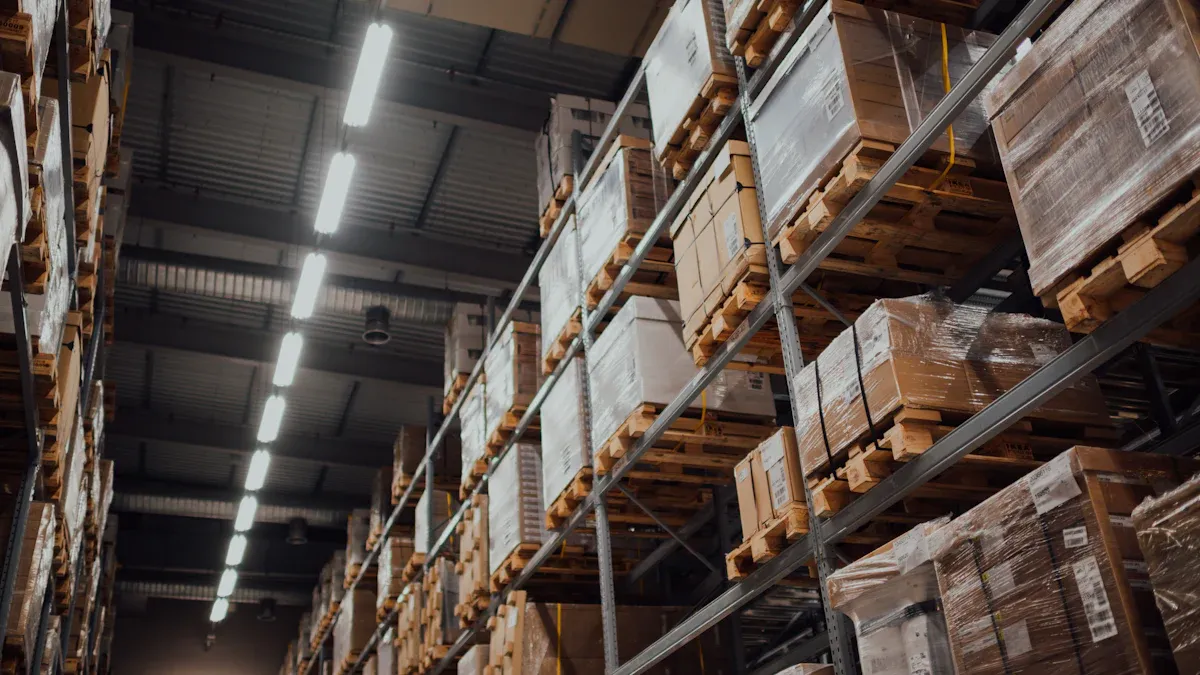
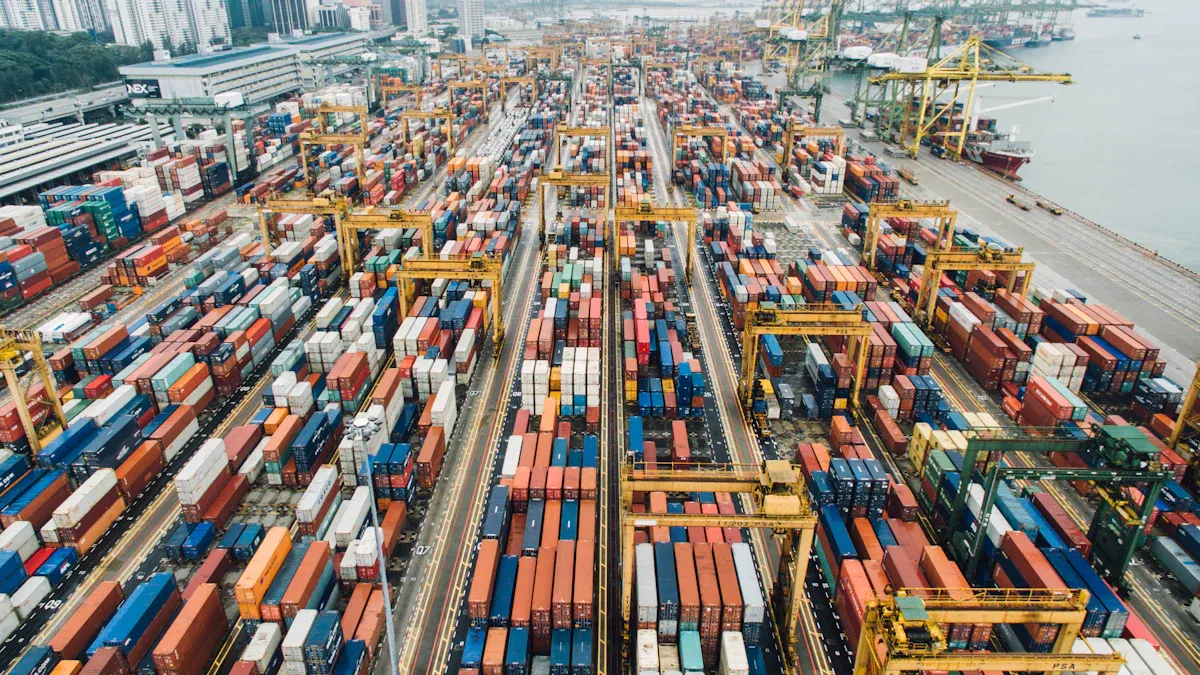
US importers depend on efficient transportation after containers arrive at American ports. Ocean transportation may complete the international portion of a shipment, but the cargo still needs to travel from the terminal to a warehouse, distribution center, transloading facility, or other destination.
Drayage brokerage services can help streamline this process by coordinating short-distance container transportation with available trucking capacity and facility schedules.
For importers managing multiple containers, ports, warehouses, or destinations, professional coordination can reduce administrative complexity and improve shipment visibility.
The Port-to-Destination Challenge
An imported container may pass through several stages before reaching its final destination.
A typical process may look like:
Ocean Vessel → Port Terminal → Drayage → Warehouse → Domestic Distribution
Each stage has different requirements.
The container must be available.
The required release procedures must be completed.
A truck must be available.
A terminal appointment may be necessary.
The warehouse must be ready.
The empty container must eventually be returned.
Drayage brokerage helps coordinate these moving parts.
What Is Drayage Brokerage?
Drayage brokerage is the process of arranging container transportation through a transportation provider.
The broker generally coordinates rather than physically operating the truck.
The broker can help identify transportation capacity and manage communication between the importer, trucking provider, terminal, and destination facility.
Step One: Monitoring Container Availability
An efficient process begins with accurate information.
The importer needs to know when the container is expected to become available.
A broker can use this information to begin transportation planning.
Early planning is particularly useful when transportation capacity is limited.
Step Two: Confirming the Destination
The destination facility must be clearly identified.
This may be:
· A warehouse
· Distribution center
· Transloading facility
· Manufacturing facility
· Other approved location
The delivery location affects the transportation plan and cost.
Step Three: Coordinating the Truck
The broker identifies an appropriate transportation provider.
Factors can include:
· Location
· Equipment
· Availability
· Service requirements
· Cargo characteristics
Step Four: Scheduling the Terminal Appointment
Where appointments are required, the pickup must be coordinated with terminal availability.
The broker helps align the truck schedule with the container.
Step Five: Coordinating Warehouse Delivery
The delivery appointment is equally important.
A container should not arrive at a warehouse when the facility cannot receive it.
Coordination between terminal pickup and warehouse receiving helps reduce unnecessary waiting.
Step Six: Managing Empty Return
After the cargo is unloaded, the empty container may need to be returned to a designated location.
The return process should be planned according to applicable instructions and deadlines.
Reducing Importer Workload
One of the main advantages of brokerage is administrative simplification.
Instead of independently contacting multiple trucking companies, an importer can use a broker as a transportation coordination point.
This can be particularly useful for companies with high shipment volumes.
Improving Shipment Visibility
Brokerage services can also improve visibility.
Importers may need updates about:
· Container availability
· Pickup
· Terminal departure
· Delivery
· Empty return
Better information allows supply chain teams to respond to changes more quickly.
Managing Accessorial Costs
A broker can help importers understand the factors that can create additional charges.
These may include:
· Waiting
· Storage
· Detention
· Demurrage
· Redelivery
· Additional stops
· Chassis-related expenses
Clear communication about potential charges helps businesses manage logistics budgets.
Handling Port Congestion
Port congestion can disrupt planned schedules.
When congestion occurs, transportation providers may experience longer wait times.
A broker can help communicate changes and coordinate alternative scheduling when available.

Supporting Transloading Operations
Many importers use transloading to move cargo from international containers into domestic transportation equipment.
Brokerage services can coordinate the drayage movement between the port and transloading facility.
This can help integrate international and domestic transportation.
Supporting Intermodal Transportation
Some import containers travel inland by rail.
The container may require drayage from the port to a rail terminal and later from a destination rail terminal to a warehouse.
A broker familiar with intermodal logistics can coordinate these local truck movements.
Choosing a Drayage Brokerage Service
Importers should consider:
· Port coverage
· Geographic reach
· Transportation capacity
· Equipment
· Communication
· Tracking
· Pricing
· Experience with import containers
The right provider should fit the importer’s actual logistics network.
Final Thoughts
Drayage brokerage services can streamline port-to-destination logistics by coordinating trucks, terminals, warehouses, appointments, equipment, and shipment information.
For US importers, the value of brokerage lies in reducing transportation complexity and improving visibility.
An effective drayage brokerage process treats the container movement as one connected operation rather than a collection of unrelated tasks.
This approach can help importers reduce delays, improve container flow, manage costs, and maintain a more predictable supply chain.
See Also
Streamlined Supply Chain Solutions For American Logistics Success
Key Strategies For Effective Management Of Global Logistics
Point-to-Point Logistics Systems Enhancing Global Operational Efficiency
Innovative Logistics Strategies Boosting Efficiency In Global Operations
PGL’s Knowledge Ensures Smooth Operation Of U.S. Supply Chains

