Ocean Shipping Broker Compensation: How Much Brokers Earn and What Influences Pay
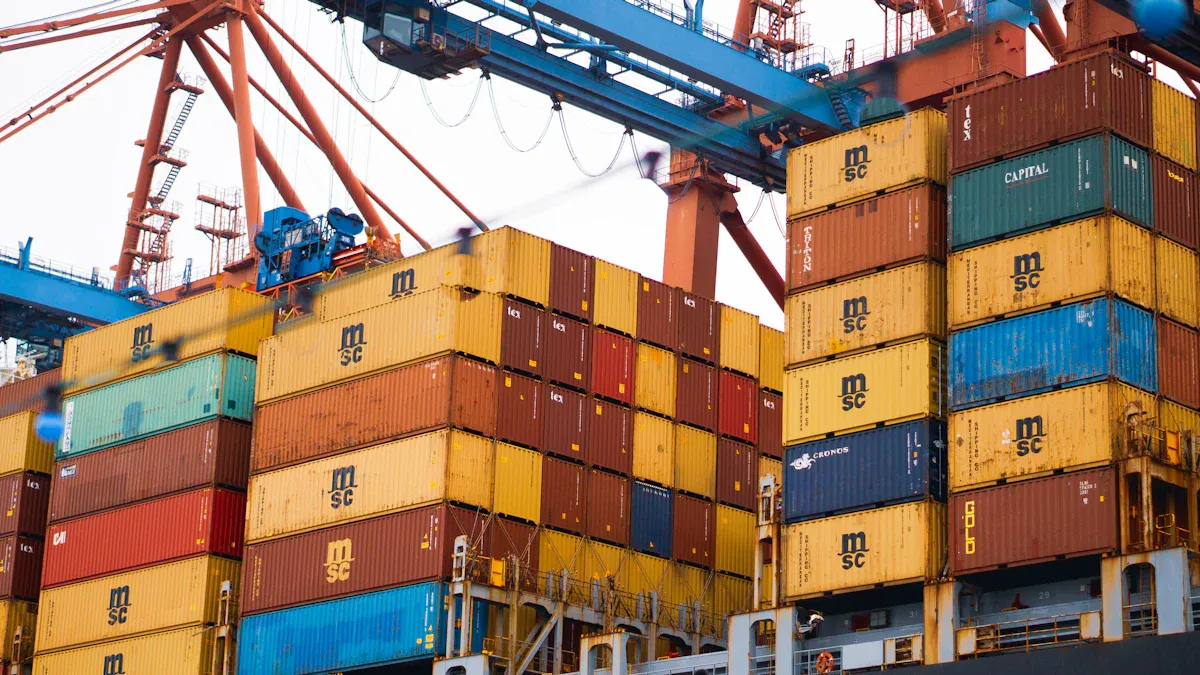
You can expect ocean shipping broker compensation to be between $37,000 and $76,000 a year for beginners. Experienced brokers and managers often make $70,000 to $120,000 or more. Many brokers earn extra money from commissions, which typically range from 5% to 15% of the freight value. Additionally, you might receive income from margin markups, service fees, and bonuses. Each method of earning rewards different skills and strategies.
Key Takeaways
Ocean shipping brokers make $37,000 to $76,000 each year when they start. Experienced brokers can earn $70,000 to $250,000 or even more. Brokers can make more money with commissions, margin markups, service fees, and bonuses. Their pay depends on their skills and how they run their business. It is very important for brokers to build strong client relationships. Trust and good service help them get repeat business and referrals. Brokers who work with high-value or special cargo can charge higher fees and get bigger commissions. Using technology helps brokers work faster and better. It can also improve cash flow and make clients happier. This can help brokers earn more money.
Ocean Shipping Broker Compensation Models
Ocean shipping brokers can make money in different ways. You might get paid by commissions, margin markups, service fees, or bonuses. Each way pays for different skills and strategies. Knowing about these models helps you pick the best one for your business. It also helps you earn more money.
Commission-Based Earnings
Brokers earn commissions by matching shippers with carriers. Commissions are a part of the freight cost or profit margin. There are different commission models in shipping. Here is a table that shows some common commission types:
Commission Model | Description | Example |
|---|---|---|
Revenue-Based Commission | You get a part of the total money from shipments. | 5% of total revenue from each shipment. |
Profit-Based Commission | You get a part of the profit made on each deal. | 25% of the profit margin for every load. |
Tiered Commission Structure | You earn more as your results get better. | 15% for $50,000 in profit; 20% for $50,001–$100,000; 25% for profits > $100,000. |
Base Salary Plus Commission | You get a set salary and also a commission. | $40,000 salary plus 10% of gross profit. |
Team-Based Commission | You share commissions with your team based on how well you all do. | Team splits 30% of total profit quarterly. |
Tip: Most ship brokers get about 1.25% of the total freight bill. Standard charter commissions are also 1.25%. If you work in sale and purchase, you might see a 1% commission.
You can look at commission earnings in ocean shipping and compare them to other logistics jobs. Regular freight brokers make $45,000 to $80,000 each year. Digital freight brokerages can make up to $95,000. Your commissions depend on how well you do, how much freight you handle, and the business model you pick.
Margin and Markup Structures
Margin and markup structures are important for ocean shipping broker pay. You set a price for the shipper that is higher than what you pay the carrier. The difference is your profit margin. For example, if you charge $1,500 and pay $1,300, you make $200. How you set your prices affects how much you earn. If your rates are too high, you may lose clients. If your rates are too low, you may not make enough money.
Note: You should balance your markup to stay competitive and make good profits. Many brokers use margin-based pay to earn more, especially if they are good at negotiating.
Retainer, Service Fees, and Bonuses
You can also earn money from retainers, service fees, and bonuses. Some brokers charge a monthly retainer for regular support. Others add service fees for each shipment or contract. Bonuses are given for meeting sales goals or getting big deals.
Retainers give you steady income and help you plan your money.
Service fees pay for extra work, like planning or customs help.
Bonuses push you to get more clients and do better work.
Tip: If you offer managed freight solutions or handle tough shipping needs, you can use these ways to earn more.
You should pick the pay model that matches your skills and goals. By learning about commissions, margin markups, fees, and bonuses, you can make a plan to earn the most as an ocean shipping broker.
Average Income and Salary Ranges

Knowing how much you can earn as an ocean shipping broker helps you plan your future. Your pay depends on your experience, the kind of freight you work with, and your business model. Pay changes as you move from beginner to expert or work alone.
Entry-Level Broker Income
When you start as an ocean shipping broker, you get a base salary and small commissions. Most new brokers make between $37,000 and $70,000 each year. You help senior brokers, learn about freight rates, and meet your first clients. You may not work with big accounts yet, but you learn a lot about shipping.
Your pay goes up as you get more experience. Here is a simple table that shows how your salary can grow:
Years of Experience | Salary Progression |
|---|---|
0-2 years | Lower salary |
5-7 years | Higher salary |
More than 7 years | Significantly higher salary |
You can earn more by learning about different freight types and getting better at negotiating. Many companies give bonuses for reaching goals, which adds to your pay.
Mid-Level and Senior Broker Earnings
As you get better and handle harder shipments, you earn more money. Mid-level brokers usually make $70,000 to $120,000 each year. Senior brokers, who work with big accounts or special cargo, can earn $120,000 to $250,000 or more. Commissions become a bigger part of your pay now.
Your average pay depends on getting big contracts and making good deals. Senior brokers often work with the same clients and build strong relationships. This helps you earn more and gives you a steady job in logistics.
Note: If you work with special freight, like refrigerated or oversized loads, you can charge higher fees and make more money.
Independent Broker and Agent Income
If you work as an independent broker or agent, you can earn even more. You set your own prices and keep more profit. Many independent brokers in the United States make $150,000 to $300,000 each year, especially if they have many clients and handle special freight.
Here are some common income numbers for independent brokers and agents:
Average salary for a freight broker in Florida: $66,152 per year
Average base salary for freight agents: $72,801 each year
You can earn more by offering more services, using technology to track shipments, and giving extra help to clients. The business model you pick will change how much you earn, so think about what you are good at and what the market needs.
Tip: To earn the most as an ocean shipping broker, build strong client relationships and keep learning about freight market changes.
By knowing these pay ranges and what affects them, you can make smart choices for your career in shipping.
Factors Influencing Broker Compensation
Experience and Specialization
Your experience helps decide how much you earn. New brokers do simple jobs and get smaller commissions. As you learn more, you can get better deals. You also handle harder shipping jobs. If you work with special freight, like refrigerated or hazardous cargo, you stand out. You can ask for higher fees because of your skills. Brokers who focus on special markets often make money faster than those who do regular freight.
Trade Lanes and Cargo Types
The routes you use and the cargo you move change your pay. Busy shipping lanes have more jobs and better pay. If you move different cargo, like machines or chemicals, clients value you more. The table below shows how routes and cargo types affect earnings:
Shipping Route | Cargo Types | Impact on Earnings |
|---|---|---|
Major Routes | Machinery, Crude Oil, Packaged Food | More demand means brokers earn more money |
Busy Routes | Vehicles, Livestock, Chemicals | Many cargo types help brokers earn more because clients need different things |
More freight on a route means more shipping jobs.
Strong economies at each end of a route make it busier.
Picking good routes and carriers helps you earn more.
Client Relationships and Business Model
Good relationships with clients help you get steady work. You can ask for better commissions and earn more. If you have loyal clients, you spend less time looking for new ones. Your business model matters too. If you own your brokerage, you keep more profit. If you work for a big company, you may share commissions but get bigger accounts.
Tip: Build trust with clients and give extra help to earn more.
Market Conditions and Location
The shipping market changes how much you can earn. When the economy is strong, there is more freight and more jobs for brokers. If the economy slows down, shipping drops and brokers earn less. Where you work also matters. Brokers in busy areas find better deals and earn more. The table below shows how location affects pay:
Geographic Location | Impact on Broker Pay |
|---|---|
High Freight Volume Regions | More jobs and better deals mean higher pay |
Low Freight Volume Regions | Fewer jobs may mean lower pay |
A strong economy makes people buy more, so shipping grows and brokers earn more.
When the economy is weak, shipping slows and brokers earn less.
Knowing these things helps you make smart choices to earn more as an ocean shipping broker.
How to Increase Ocean Shipping Broker Income
Building Client Relationships
You can make more money by having good relationships with clients. When you put clients first, they trust and respect you. This means they come back and tell others about you. Listen to what your clients want and help them reach their shipping goals. Answer questions fast and always be honest. If you are clear about what you can do, clients will trust you more. Give great service every time. Stay in touch after deals so clients feel important and use you again.
Listening lets you give better help.
Fast answers make clients loyal.
Being honest builds trust.
Good service brings clients back.
Keeping in touch keeps clients interested.
Negotiating Margins and Specializing
You can get bigger commissions by being a better negotiator and working with special freight. Use simple words when talking to carriers and shippers. Show how your work helps them. Pause and watch how people act. Ask questions that need more than yes or no answers. Repeat what clients say to make sure you understand. Pay attention to how people look and act. Try to make deals that help everyone. After a deal, check in to keep the relationship strong.
Strategy | Description | Expected Impact |
|---|---|---|
Raise variable commission rates on high-value trades. | Improves revenue capture on high-value trades. | |
Prioritize Institutional Acquisition | Focus on big clients to boost trade value. | Increases average revenue per transaction. |
If you work with special freight, like refrigerated or hazardous cargo, you stand out. You can ask for higher fees and get better deals.
Leveraging Technology and Expanding Services
You can use technology to make your business run better. Digital payment tools help you save money and move money faster. You get paid quicker, so you have more cash. Automation helps you track costs and keep clients happy. Technology lets you try new ways to pay, like bonuses or team rewards.
Evidence | Description |
|---|---|
Cost Reduction | |
Speed of Transactions | Funds move in about a day, improving cash flow for brokers. |
Flexibility in Compensation | Technology supports new bonus and team structures. |
You can offer more services, like customs help, contract logistics, or managed freight solutions. Being flexible helps you change with the market and grow your business.
Tip: Use technology to show clients how your services help and support their shipping needs.
Freight Broker vs Ocean Shipping Broker Compensation
Pay Structure Differences
It is important to know how pay works for both jobs. Freight brokers and ocean shipping brokers help move goods. They earn money in different ways. Freight brokers mostly work with trucks and trains. Ocean shipping brokers work with ships and move cargo across seas.
Here is a table that shows how each role gets paid:
Role | Common Pay Models | Typical Earnings Range |
|---|---|---|
Freight Broker | Commission, salary, bonuses | $45,000–$95,000 |
Ocean Shipping Broker | Commission, margin, fees, bonuses | $40,000–$300,000+ |
Freight brokers get paid by commission from each shipment. Some also get a base salary and bonuses if they work for big companies. Ocean shipping brokers can earn from margin markups and service fees. They also get higher commissions for harder or bigger shipments.
Tip: If you want to make more money, think about becoming an ocean shipping broker. You can work with bigger contracts and special cargo.
Career Outlook and Advancement
You can grow your career in both jobs. Each job has different ways to move up. Freight brokers start with small accounts and learn about shipping in their own country. You can get better by finding more clients and learning to negotiate. Some freight brokers become managers or open their own businesses.
Ocean shipping brokers start with simple shipments. You can move up by working with clients from other countries and handling special cargo. If you learn about trade lanes or special markets, you can earn more money. Many ocean shipping brokers become independent agents or start their own companies.
Freight broker: Easy to start, steady growth, good for local shipping.
Ocean shipping broker: Can earn more, deals are harder, best for shipping between countries.
Note: Pick the job that fits your skills and what you like. Both jobs pay more if you build strong relationships and know the market well.
You can make money as a broker in many ways. You earn from commissions, margin markups, service fees, and bonuses. Most brokers start with $40,000 to $70,000 each year. Senior brokers and independent agents can earn $120,000 or more. How much you make depends on your experience and trade lanes. Good client relationships and market conditions also matter. Build strong connections with clients to earn more. Work with valuable cargo to get higher pay. Use technology to help your broker career grow. Broker pay looks good because global shipping keeps growing.
FAQ
How do freight brokers earn money in ocean shipping?
Freight brokers make money by matching shippers and carriers. They get paid with commissions, margin markups, service fees, and bonuses. Brokers earn more when they handle more shipments. Building strong client relationships also helps them make more money.
What affects a broker's commission in ocean shipping?
A broker’s commission changes with shipment value and negotiation skills. The type of cargo also matters. Brokers working with high-value or special cargo can earn higher commissions.
How can you increase your income as a broker?
You can earn more by having loyal clients and focusing on unique cargo. Using technology to track shipments helps too. Offering extra services makes you different from other brokers.
What is the difference between freight rates and shipping rates?
Freight rates are the cost to move cargo by land, sea, or air. Shipping rates are the price for ocean transport. You should compare both rates to get the best deal for your clients.
Do independent freight brokers earn more than company brokers?
Independent brokers set their own prices and keep more profit. If they have many clients and offer special services, they can earn more than company brokers.
Tip: Check market trends often and change your prices to stay competitive with other freight brokers.
See Also
Global Ocean Freight Solutions for All Your Cargo Needs
Reliable Ocean Shipping Services from Major U.S. Ports
Specialized Ocean Freight for Breakbulk and Oversized Cargo
