How to File an Ocean Shipping Damage Claim Step by Step
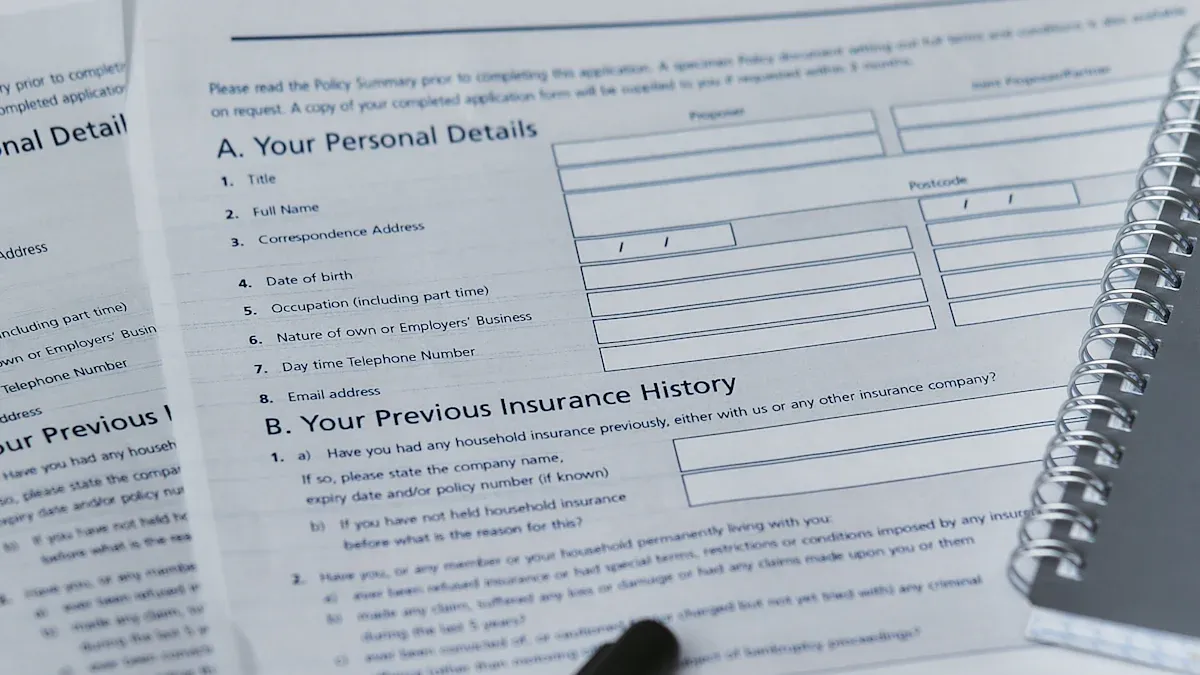
You should act quickly if you notice damage when your ocean freight arrives. Many shippers face this problem—about 1 in every 51 shipments results in a damage or loss claim. Proper documentation and timely communication help you succeed with ocean shipping damage claims procedures. Damage can cost businesses billions of dollars each year, so taking the right steps protects your interests and helps you recover losses. With clear steps, you can handle the process with confidence.
Nearly 1.94% of LTL shipments experienced damage or loss in 2023.
Annual damages to port infrastructure may reach US$ 18 billion by 2100 due to climate change.
Storm-related disruptions could add US$ 7.5 billion in economic losses each year.
Key Takeaways
Inspect your shipment immediately upon delivery. Look for visible damage and document it before signing any paperwork.
Notify your carrier and insurer within three days of discovering damage. Timely written notice is crucial to protect your right to claim.
Gather all essential documents, including the Bill of Lading and photos of the damage. Missing paperwork can delay or deny your claim.
Submit your claim quickly with complete information. Fast responses to requests from your insurer can help speed up the process.
Avoid common mistakes like missing documentation or filing late. Following best practices can improve your chances of a successful claim.
Inspect and Document Damage
What to Check Upon Delivery
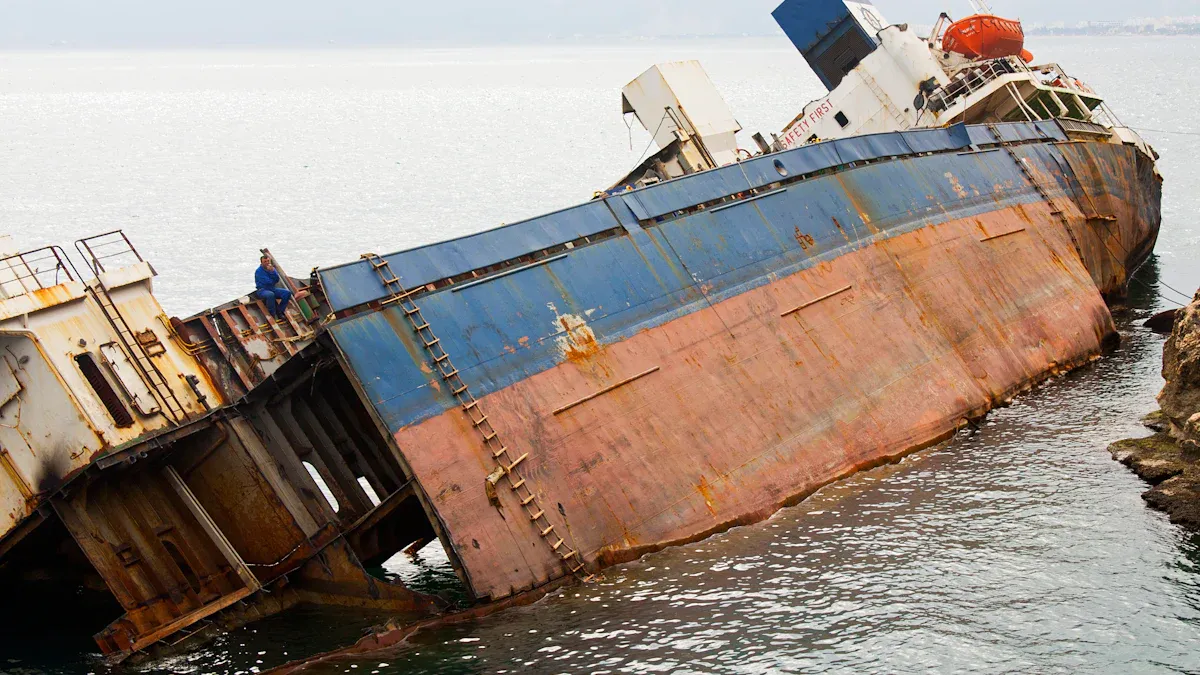
When your shipment arrives, you should inspect it right away. Look for any signs of damage before you sign any paperwork. Common types of damage include:
Physical damage, such as dents or cracks, often caused by rough seas or poor stacking.
Water damage, which can happen if seawater gets into the container or from condensation.
Contamination, where cargo is polluted or tainted and cannot be used.
Reefer-related damage, which affects refrigerated goods if the temperature is not controlled.
Check the outside of the container and the packaging. Open boxes to see if the goods inside are safe. If you find any problems, make a note of them immediately.
Taking Photos and Notes
You need to document everything you see. Take clear photos of the damaged goods, the packaging, and the container. Use your phone or a camera to capture different angles. Write down details about the damage, such as where it is and how bad it looks. Note any smells or leaks.
Tip: Always write the damage on the Bill of Lading or Proof of Delivery before you sign. If you do not document the damage, your claim may be denied. Carriers and insurers require clear, detailed evidence to process ocean shipping damage claims procedures. Missing or incomplete records can cause delays or even lead to a denied claim.
Accepting Damaged Goods
You should accept the damaged goods and note the damage on the delivery paperwork. If you refuse the shipment, you may lose your right to file a claim. Accepting the goods does not mean you agree with the damage. It only shows you received the shipment and noticed the problem. This step is necessary for your claim to move forward.
By following these steps, you protect your rights and improve your chances of a successful claim.
Notify Carrier and Insurer
Notification Timeframes
You must act fast after you find damage to your shipment. Most carriers and insurers require you to send a written notice right away. If you see damage when your cargo arrives, you should notify the carrier and your insurance company at the port or at the time of delivery. If the damage is not clear at first, you have up to three days after delivery to send your notice.
Cargo owners must notify their insurance carrier and ONE North America immediately upon discovering cargo loss or damage. This notification must be in writing and provided at the port of discharge or delivery before or at the time of delivery, or within 3 days after delivery if the damage is not apparent.
If you miss this deadline, you may lose your right to claim. The law says that if you do not notify the carrier on time, it is assumed that your goods arrived in good condition.
Missing the notification deadline leads to a legal presumption that goods were delivered correctly.
The burden of proof shifts to you, making it harder to show the damage happened during transit.
Insurers may deny coverage if you do not follow policy rules, which weakens your claim.
Written Notice to TSP
You must send a written notice to the Transportation Service Provider (TSP) and the ocean carrier. Do not rely on phone calls or verbal messages. Written notice creates a record that you followed the ocean shipping damage claims procedures. You can send your notice by email, fax, or through the carrier’s online system. Always keep a copy for your records.
What to Include in Your Notice
Your notice should be clear and complete. Include these details:
Your shipment’s bill of lading number
The date and place of delivery
A short description of the damage or loss
Photos or documents that show the damage
Your contact information
Give enough information so the carrier and insurer can start their investigation. Clear and timely notice helps your claim move forward without delays.
Prepare Documents for Ocean Shipping Damage Claims Procedures
Essential Documents Checklist
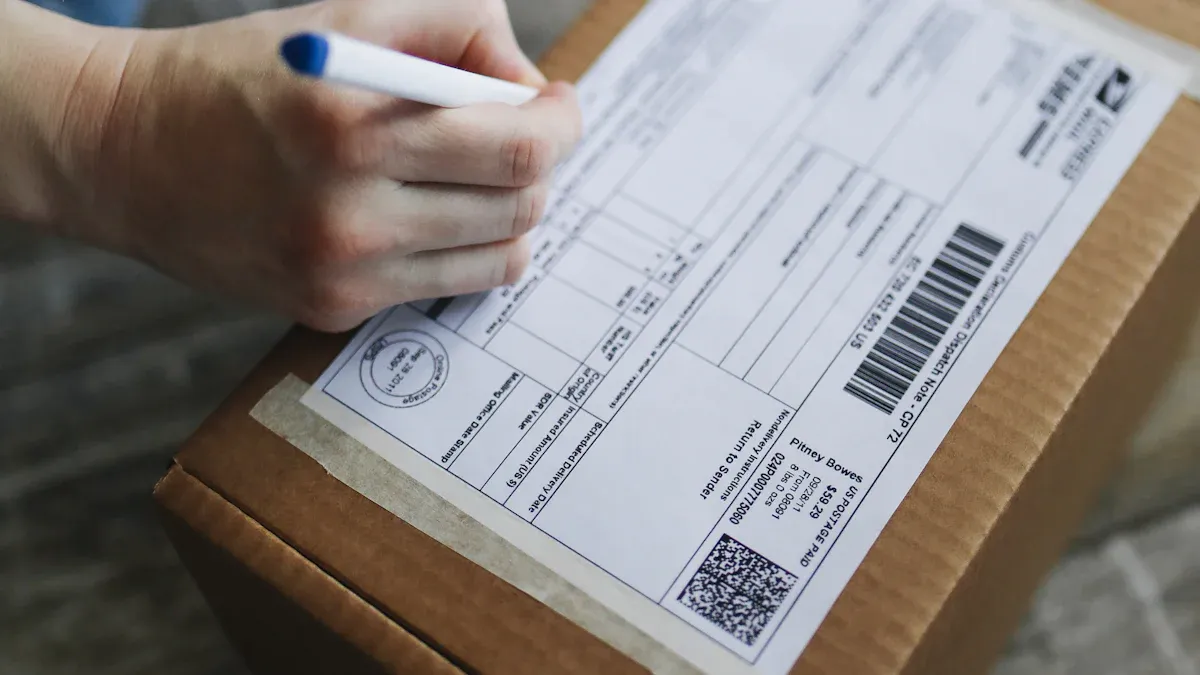
You need to gather several important documents before you file your claim. These papers help prove your case and show the value of your damaged goods. Missing even one can slow down the process or cause your claim to be denied. Here is a checklist of what you should collect:
Original Bill of Lading (B/L): Shows you own the goods and details the shipping contract.
Commercial Invoice and Packing List: Lists what you shipped, how much, and the value.
Certificate of Origin and Export Declaration: Confirms where your goods came from, which is important for international claims.
Marine Insurance Policy Document: Explains your insurance coverage.
Certificate of Insurance (COI): Proves your goods had insurance during the trip.
Surveyor’s Damage Report: Gives an expert’s view of the damage.
Photographic and Video Evidence: Shows what happened to your cargo.
Notice of Loss (NOL): Officially tells your insurer about the damage.
You may also need to show proof of delivery and a statement of claim. Insurers often ask for documents that prove the value of your goods. The table below shows what you might need:
Document Type | Description |
|---|---|
Transportation Documents | Details about the shipment, including shipper, carrier, and goods. |
Delivery Documentation | Proof that you received the goods and their condition on arrival. |
Statement of Claim | Explains what was damaged, how much, and the value lost. |
Value Verification | Invoices or sales contracts that show how much your goods are worth. |
Photos | Clear pictures of the damage, both close-up and from a distance. |
Tip: Always double-check your documents before you submit them. Missing paperwork can delay your claim or cause it to be rejected.
Organizing Evidence
You should organize your evidence in a way that makes it easy for the insurer or carrier to review. Start by documenting the damage as soon as you find it. Write down the date, time, and place where you discovered the problem. Take clear photos from different angles. Keep all your paperwork together in one folder or digital file.
Follow these steps to organize your evidence:
Record all details right away, including dates, times, and locations.
Gather photos and all shipping documents, such as the bill of lading and inspection reports.
Put your documents in order, starting with the most important ones.
Write a short summary that explains what happened and what each document shows.
Send your evidence to the insurer or carrier with your claim.
Note: Well-organized evidence helps the claims team understand your case quickly. This can speed up the ocean shipping damage claims procedures and improve your chances of success.
Completing the Claim Form
You must fill out the claim form with care. Many claims get denied because of simple mistakes. Make sure you use the correct names, dates, and numbers. Double-check your spelling and make sure all the information matches your documents.
Common errors include:
Failing to report the damage quickly.
Not including enough documents, like photos or receipts.
Making mistakes on the form, such as wrong dates or misspelled names.
Not getting a professional estimate for the damage.
Not taking steps to stop more damage from happening.
Callout: Complete and accurate paperwork is key. Incomplete forms or missing details can slow down the ocean shipping damage claims procedures. Insurers need all the facts to process your claim quickly.
When you finish the form, review everything one more time. Attach all your evidence and keep copies for your records. If you have questions, ask your insurer or a shipping expert for help.
Submit Claim and Follow Up
Submitting Your Claim
You should submit your claim as soon as you gather all your documents and evidence. Most carriers and insurers ask for a written claim within three days of receiving your cargo. You can send your claim by email or through the carrier’s online portal. Make sure you include all supporting documents, such as the bill of lading, invoices, survey reports, and photos. Do not give a clean receipt if you see damage. Always check your shipment at delivery and have an official examine the container and seals. If you suspect theft or a malicious act, notify the authorities right away. Separate any damaged goods for inspection. After you send your claim, keep a copy for your records.
Tip: Report your claim to the designated email address listed by your carrier or insurer. This helps you track your claim and shows you followed the correct ocean shipping damage claims procedures.
Responding to Requests
After you submit your claim, the carrier or insurer may ask for more information. They might need proof that you notified them on time, or they may request extra documents like survey reports or value verification. You should respond quickly to these requests. Most simple claims resolve in about 30 days, but some can take up to 45 days. High-value or disputed claims may take 90 days or more. You can follow up weekly with your insurer to check the status. Set alerts for updates and keep all communication in one place.
Note: Fast and complete responses help move your claim forward and prevent delays.
Negotiating Settlement
When the carrier or insurer reviews your claim, they may offer a settlement. You should review their offer carefully. Strong evidence and clear documentation give you leverage in negotiations. If you do not agree with the offer, you can ask for mediation. Mediation helps both sides find common ground. Always keep records of your discussions and agreements. If you follow these steps, you improve your chances of a fair settlement.
Callout: Good organization and clear communication are key to successful ocean shipping damage claims procedures.
Avoid Pitfalls and Use Best Practices
Common Mistakes
You can avoid many problems by knowing the most common mistakes in ocean shipping damage claims. Many claims get denied or delayed because of simple errors. Here are some mistakes you should watch out for:
Missing key documentation, such as the Bill of Lading or damage photos
Filing your claim after the deadline
Not trying to reduce further damage after you find a problem
Using improper packaging that does not protect your goods
Failing to note damage on the delivery receipt
Not paying the freight bill
Incorrectly valuing your damaged goods
Lacking proof that your cargo was in good condition at the start
Tip: Always inspect your shipment as soon as it arrives. Write down any damage on the delivery receipt before you sign it. Complete paperwork and clear photos make your claim much stronger.
Tips for Faster Claims
You can speed up your claim and improve your chances of success by following best practices. Industry experts recommend these steps:
Inspect your cargo right away and look for any signs of damage.
Take clear photos and videos of the damage and packaging.
Notify your carrier and insurer within three to five days of delivery.
File your claim quickly with all required documents.
Train your team to spot and report damage correctly.
Keep all packaging and damaged goods for inspection.
Use strong packaging materials to prevent damage in the future.
Communicate clearly with your carrier and insurer at every step.
Technology can also help you. Many companies now use automated systems to capture and send documents instantly. Some use sensors to monitor shipments in real time. These tools can speed up the claims process and give you updates as your claim moves forward.
Benefit | Description |
|---|---|
Instantly captures and submits paperwork, saving you time. | |
Faster Claim Review | AI systems can check simple claims quickly and reduce mistakes. |
You get fast answers and know what is happening with your claim. |
Clear communication and good organization help everyone understand their roles. This leads to faster and fairer claim resolutions.
You can handle an ocean shipping damage claim by acting quickly, documenting every detail, and communicating clearly. Most claims resolve within 30 to 90 days, with payment often processed in less than a week after settlement. If you feel unsure or lack experience, you should reach out to a claims handler or transport lawyer. Missing deadlines or skipping steps can cause you to lose your right to compensation. By following these steps, you give yourself the best chance for a successful claim.
FAQ
How long do you have to file an ocean shipping damage claim?
You usually have up to three days after delivery to notify the carrier and insurer. Always check your contract for exact deadlines. Missing this window can make your claim invalid.
What if you discover hidden damage after delivery?
You should report hidden damage as soon as you find it. Take photos and send a written notice to the carrier and insurer. Quick action helps protect your rights.
Can you file a claim without photos?
You can file a claim, but photos make your case much stronger. Clear images show the damage and help the carrier or insurer understand your loss.
What happens if you miss a required document?
Missing documents can delay your claim or cause denial.
You should gather all paperwork before submitting your claim. If you forget something, send it as soon as possible.
See Also
Reliable Ocean Shipping Solutions from Major U.S. Ports
Key LCL Shipping Guidelines for Panama by Premier Global Logistics
Transport Any Cargo Worldwide with Premier Global Logistics
