Navigating Customs Clearance in Nepal: Procedures, Documentation, and Tips for Smooth Import/Export
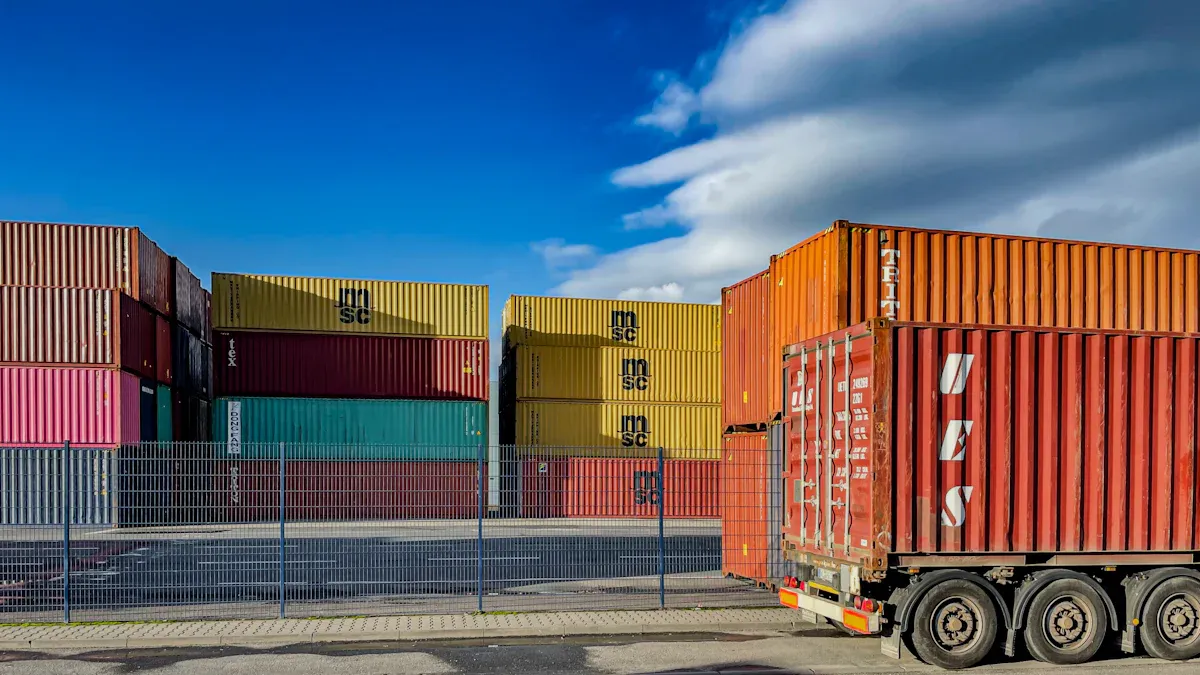
Nepal’s landlocked geography makes customs clearance an especially important part of international trade. Imported cargo typically enters through designated border points, while international air cargo can move through Tribhuvan International Airport and other approved facilities.
For businesses importing or exporting through Nepal, successful customs clearance depends heavily on accurate documentation, correct product classification, valuation, applicable duties and taxes, and compliance with regulatory requirements.
This guide provides a practical overview of customs clearance in Nepal and explains how importers and exporters can prepare shipments for smoother processing.
Why Customs Clearance Matters in Nepal
Because Nepal does not have a direct coastline, much of its international trade relies on land routes through neighboring countries.
This means imported cargo may involve multiple logistics stages before reaching its final destination.
A simplified route may look like:
Foreign Supplier → Border or Airport → Customs Processing → Inland Transportation → Warehouse → Final Destination
Any documentation problem at the customs stage can therefore affect the entire supply chain.
Main Customs Entry Points
Nepal has several designated customs points for international trade.
These can support different categories of cargo and transportation.
Land-based trade may use border customs points, while air freight can enter through approved international airport facilities.
The appropriate customs office depends on the cargo route and mode of transportation.
Step 1: Identify the Import or Export Transaction
Before preparing the shipment, determine whether it is:
· Commercial import
· Commercial export
· Temporary import
· Re-export
· Transit cargo
· Personal shipment
· Special or regulated cargo
Different categories can have different procedures.
Step 2: Prepare the Importer or Exporter Information
Businesses should ensure their registration and trading information is current.
The legal business name, registration information, tax details, and customs-related information should be consistent across the relevant documents.
Incorrect company information can create unnecessary questions during processing.
Step 3: Prepare the Required Documents
Documents may include:
· Commercial invoice
· Packing list
· Bill of lading
· Air waybill
· Certificate of origin
· Import or export declaration
· Purchase documents
· Insurance information where applicable
· Product permits or certificates
The exact requirements depend on the cargo.

Step 4: Classify the Cargo
Products need an appropriate tariff classification.
Classification can affect:
· Customs duty
· Taxes
· Import restrictions
· Documentation
· Regulatory requirements
Importers should verify classification rather than relying on a generic product name.
Step 5: Determine Customs Value
Customs valuation is used to determine applicable import charges.
The relevant rules may consider the transaction value and other legally required elements.
Importers should keep supporting commercial documents available.
These may include:
· Supplier invoice
· Purchase agreement
· Payment records
· Freight documents
· Insurance information
Step 6: Submit the Customs Declaration
The importer or authorized representative submits the required declaration and supporting information.
The declaration should accurately identify:
· Importer
· Exporter
· Cargo
· Quantity
· Value
· Origin
· Classification
· Transportation details
Step 7: Customs Review
Customs authorities may review the documentation and shipment information.
Depending on the risk assessment and shipment type, customs may perform additional checks or physical inspection.
If customs requires clarification, the importer may need to provide additional information.
Step 8: Pay Applicable Duties and Taxes
Import duties and taxes depend on the product and applicable regulations.
The importer should determine the current rates before shipping.
Possible charges can include customs duty and applicable taxes or fees.
The exact calculation depends on the classification, customs value, and current Nepalese regulations.
Step 9: Customs Release
Once required procedures and payments are completed, the shipment can proceed toward release.
However, the cargo may still require:
· Border processing
· Terminal handling
· Truck loading
· Inland transportation
· Warehouse delivery
Customs release is therefore not necessarily the same as final delivery.
Air Freight Customs Clearance in Nepal
Air cargo can offer faster transportation than land routes, but customs documentation remains essential.
Air shipments generally involve:
· Air waybill
· Commercial invoice
· Packing list
· Customs declaration
· Certificates or permits where required
The importer should coordinate with the airline, freight forwarder, or customs representative before cargo arrives.
Land Freight Customs Clearance
Land freight is particularly important for Nepal because of its geography.
Cross-border cargo may pass through neighboring-country logistics networks before reaching Nepal.
This creates additional coordination requirements.
The shipment may involve:
· Export customs in the origin country
· Transit procedures
· Border customs
· Nepal import customs
· Inland transportation
Accurate documentation at every stage helps reduce delays.
Special and Restricted Products
Certain categories may require additional approval.
These can include:
· Food
· Pharmaceuticals
· Chemicals
· Agricultural products
· Telecommunications equipment
· Medical products
· Machinery
· Other regulated products
Importers should verify whether a permit or certificate is required before shipping.
Common Customs Delays in Nepal
Potential causes include:
· Missing documentation
· Incorrect invoice
· Incorrect classification
· Inconsistent values
· Missing permits
· Physical inspection
· Unclear product descriptions
· Payment delays
· Border congestion
· Transportation disruption
Some delays are unavoidable, but accurate preparation can reduce many preventable issues.
Working With a Customs Broker
Businesses unfamiliar with Nepalese customs procedures may use a customs broker or logistics provider.
A professional can assist with:
· Documentation
· Customs declarations
· Classification
· Valuation
· Communication
· Cargo release
· Border coordination
For recurring imports, establishing a consistent customs process can significantly reduce administrative errors.
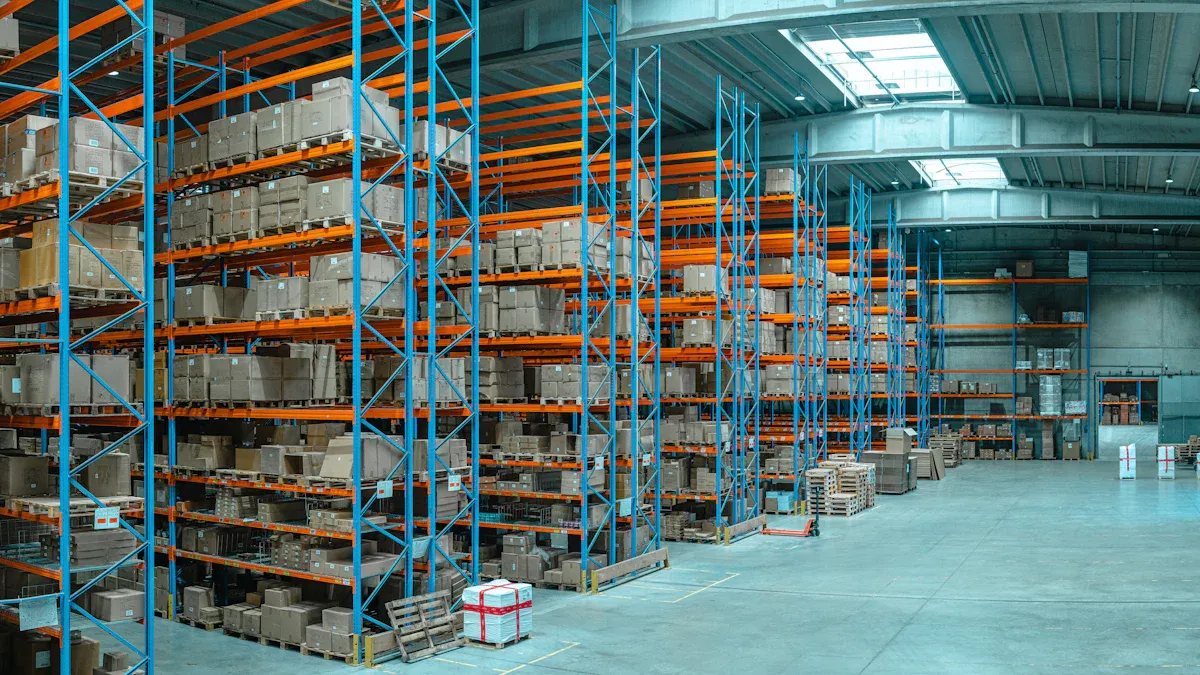
How to Improve Clearance Efficiency
Importers can improve their preparation by:
1. Checking requirements before purchasing.
2. Confirming product classification.
3. Preparing documents early.
4. Using detailed cargo descriptions.
5. Verifying declared value.
6. Confirming required permits.
7. Coordinating with logistics providers.
8. Responding quickly to customs questions.
Documentation Checklist
Before shipment, review:
· Commercial invoice
· Packing list
· Air waybill or bill of lading
· Certificate of origin
· Import/export declaration
· Product classification
· Customs value
· Permits
· Tax information
· Importer details
Final Thoughts
Customs clearance in Nepal requires careful coordination because international cargo often involves multiple transportation and border stages.
Importers and exporters should prepare complete documentation, classify products accurately, verify customs valuation, and determine whether special permits apply.
Landlocked geography makes transportation planning particularly important, but the fundamental principle remains the same: customs problems are easier to prevent before the shipment moves than to fix after cargo reaches the border.
Because customs requirements and procedures can change, businesses should confirm current rules with the relevant Nepalese authorities or qualified customs professionals before importing or exporting.
A well-prepared shipment is not guaranteed to clear instantly, but it has a much better chance of avoiding the preventable delays that turn a normal shipment into a logistical detective story.
See Also
Enhancing Global Operations Through Innovative Logistics Strategies
Streamlined Supply Chain Solutions for U.S. Logistics Success
Key Strategies for Effective Global Logistics Management
Boosting Global Efficiency with Point-to-Point Logistics Systems

