How to Choose and Optimize FCL or LCL Shipping for Your Business
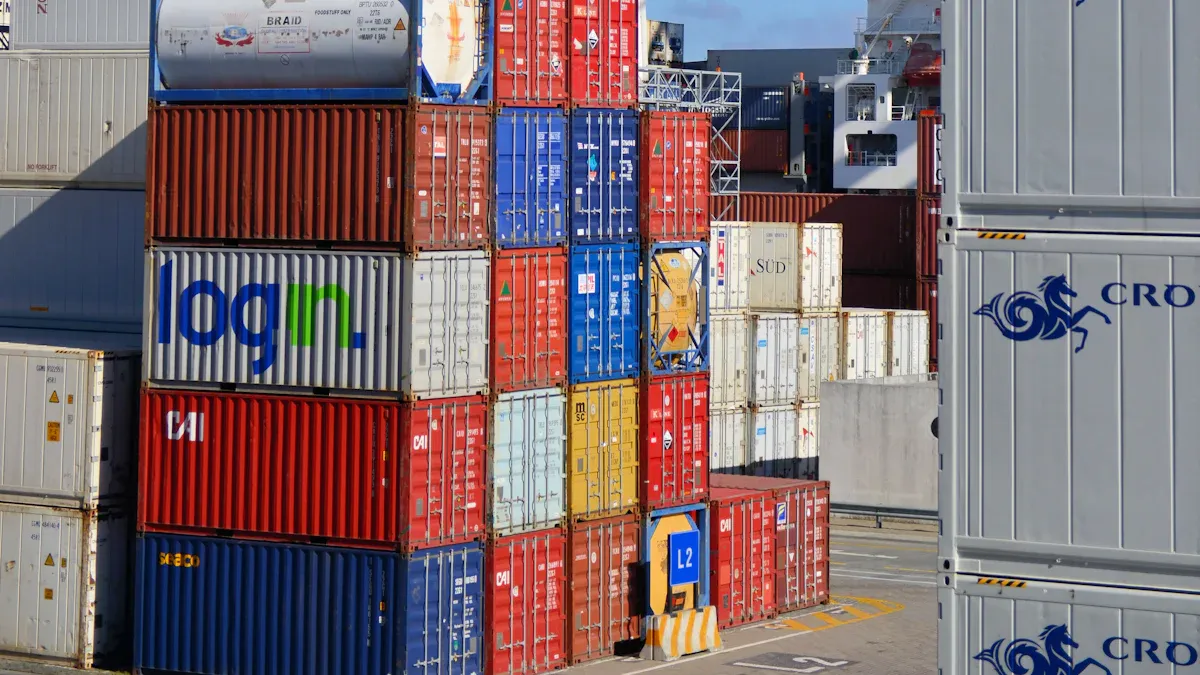
When managing shipping for your business, optimizing FCL LCL shipping operations is essential for efficiency and cost control. The decision between FCL (Full Container Load) and LCL (Less than Container Load) shipping depends on several factors: the volume of freight you move, your shipping frequency, required delivery speed, as well as considerations of cost, reliability, and risk. The table below highlights the key differences to help guide your choice:
Factor | FCL Shipping | LCL Shipping |
|---|---|---|
Cost | Ideal for large freight volumes, lowers unit cost | Pay for space used and additional fees |
Transit Time | Faster, direct shipping routes | Slower due to extra handling and consolidation |
Security | Dedicated container, higher cargo security | Mixed cargo, increased risk |
Cargo Volume | Suited for bulk shipments | Best for small, frequent shipments |
Flexibility | Less flexible, requires full container | Highly flexible for varying shipping needs |
Optimizing FCL LCL shipping operations means selecting the method that aligns with your freight profile and business goals. Making the right choice not only streamlines your logistics but also strengthens your position in global trade, ensuring your FCL and LCL shipping processes deliver maximum value.
Key Takeaways
Pick FCL shipping for big shipments over 12-15 cubic meters. This helps you save money and keeps your goods safe. - Choose LCL shipping if you send small shipments often. You only pay for the space you use. - Plan and book your shipments early to avoid high prices. This also helps your goods arrive on time. - Use strong packaging and clear paperwork to lower the risk of damage. This also helps prevent delays during shipping. - Use technology to track your shipments and plan loads. This makes your shipping work better and more reliable.
Understanding FCL and LCL Shipping
What Is FCL Shipping
When you plan to ship things to another country, you might hear about full container load. FCL shipping means you get a whole container just for your stuff. No one else puts their goods in your container. You have control over your cargo. You can close the container at your place and open it when it arrives. This way, your goods are safer and less likely to get damaged.
Tip: FCL shipping is a good idea if you have enough goods to fill a container or want your shipment kept apart from others.
Here is a simple definition:
Term | Definition |
|---|---|
FCL | Full container load shipping is when one shipper uses a whole container for their goods. No other shipper shares the space. This method saves money, keeps goods safe, and works well for shipping things to other countries. |
You can pick different containers for FCL. Dry cargo containers carry things like electronics or clothes. Reefer containers move fruits or medicine. Flat racks and open-top containers are used for big machines or building tools.
What Is LCL Shipping
LCL means less than container load. You use LCL shipping if your goods do not fill a whole container. Your cargo shares space with other companies’ shipments. This way, you save money when you ship small amounts. LCL shipping lets you pay for only the space you use.
LCL shipping is flexible. You can send goods more often, even if you do not have a lot. Many small businesses use LCL shipping to reach customers in other countries.
LCL shipping means your goods are handled more times. Workers load and unload your cargo with other shipments. This can make damage or delays more likely.
Main Features and Use Cases
You need to know the main features of FCL and LCL shipping to pick the best way to ship. The table below shows the differences:
Feature | FCL (Full Container Load) | LCL (Less than Container Load) |
|---|---|---|
Handling | Loaded and sealed at the start, less handling | Handled many times, higher chance of mistakes |
Risk of Damage | Lower risk | Higher risk because of more moving |
Shipping Times | Faster, goes straight to the destination | Slower, needs to be packed and unpacked |
Cost | Saves money for big shipments | Good price for small shipments, pay for space used |
Flexibility | Not as flexible, needs a full container | More flexible, great for small, frequent shipments |
You should use FCL shipping for big orders or if you want your goods extra safe. LCL shipping is better for small, regular shipments or if you want to try new markets. For example, a company sending lots of furniture will pick FCL. A small electronics business sending parts to many countries will use LCL.
Note: Picking FCL or LCL shipping depends on how much you ship, your budget, and how fast you need delivery.
Choosing FCL vs LCL
Selecting the right shipping method can make a big difference for your business. You need to look at your shipment volume, costs, delivery timelines, and risk factors. Each factor helps you match your needs to either fcl or lcl shipping.
Shipment Volume and Size
Shipment size is the first thing you should check. If your cargo is small, lcl shipping works best. You only pay for the space you use. When your shipment grows, fcl becomes more cost-effective. Most experts suggest using lcl for shipments under 13-15 cubic meters. If your cargo fills more than 12-15 cubic meters, fcl usually gives you a lower cost of shipping.
Shipping Method | Volume Threshold | Cost-Effectiveness |
|---|---|---|
FCL | > 12-15 CBM | More cost-effective |
LCL | < 12-15 CBM | Better for small loads |
You should choose fcl when your goods fill most of a container. This method also works well for valuable or sensitive items. If your shipment is small and not urgent, lcl shipping saves you money.
Tip: If your shipment is close to the 12-15 cubic meter mark, compare both options. Sometimes, fcl can offer better value even if you do not fill the container completely.
Cost and Budget Considerations
You need to understand all the costs before you decide. Fcl shipping has a fixed price for the whole container. This means you pay the same amount, no matter how much cargo you load. Lcl shipping charges you for the space your goods take up. You also pay extra fees for packing, labeling, and handling.
Shipping Type | ||
|---|---|---|
FCL | Fixed cost | Faster |
LCL | Variable cost | Slower |
Lcl shipping often comes with hidden costs. These include special packaging, extra handling, and higher customs clearance fees. You may also pay more for unloading and delivery at the destination. For example, a small lcl shipment of 5 cubic meters can cost $650–$850, while a full 20-foot fcl container costs about $1130–$1200. Lcl costs can add up to 35-55% more than the base rate, while fcl costs stay around 5-15% above the base rate.
Transportation stage | LCL (per 5 CBM, USD) | FCL (per 20ft, USD) | Additional costs (%) |
|---|---|---|---|
Packing & labeling | 50–100 | 0–50 | +10-15 (LCL) |
Consolidation | 100–150 | 0–50 | +10-20 (LCL) |
Sea freight | 350 | 1000 | +0-10 (LCL) |
Customs clearance | 50–100 | 30–50 | +5-10 (LCL) |
Unloading & delivery | 100–150 | 50 | +10-15 (LCL) |
Total | 650–850 | 1130–1200 | +35-55 (LCL) |
You should always ask for a full breakdown of costs from your freight forwarder. This helps you avoid surprises and plan your budget.
Delivery Timelines and Urgency
Speed matters in global trade. Fcl shipping usually moves faster because your goods stay in one container from start to finish. Lcl shipping takes longer. Your cargo gets loaded and unloaded with other shipments. This adds time at both the origin and destination.
Shipping Type | Port to Port Transit Time | Door to Door Transit Time |
|---|---|---|
FCL | 14-42 days | 19-47 days |
LCL | 14-42 days | 22-50 days |
Lcl shipping often faces delays. These can happen during consolidation, customs checks, or when one shipment in the container has paperwork issues. If you need your goods quickly, fcl shipping is the better choice.
Lcl shipping involves more handling and sorting.
Consolidation and deconsolidation add extra steps.
Shared customs clearance can slow down the process.
Note: If your delivery is urgent or you have a tight schedule, fcl shipping gives you more control and reliability.
Risk and Reliability Factors
You want your goods to arrive safely. Fcl shipping offers lower risk. Your cargo stays in one container, with less handling. This reduces the chance of damage or loss. Lcl shipping has higher risk. Your goods get handled more often, and they share space with other shipments.
Shipping Method | Risk Level | Description |
|---|---|---|
FCL | Lower | Fewer handling points, less risk of damage |
LCL | Higher | More handling, higher risk of damage |
Lcl shipments are more likely to face customs inspections. If one shipment in the container has a problem, all shipments can get delayed. You may also see more insurance claims for lcl shipping. These include damage from frequent handling, cross-contamination, and paperwork errors.
Lcl cargo faces more handling and sorting.
Goods from other shippers can affect your cargo.
Delays in customs can impact all shipments in the container.
You can reduce risk by using strong packaging, palletizing your goods, and choosing reliable partners. If your cargo is valuable or fragile, fcl shipping gives you better protection.
Tip: Always check the reliability of your shipping partners and ask about their experience with both fcl and lcl shipping.
By looking at shipment size, costs, delivery needs, and risk, you can choose the best shipping method for your business. This helps you save money, avoid delays, and keep your supply chain strong.
Optimizing FCL LCL Shipping Operations
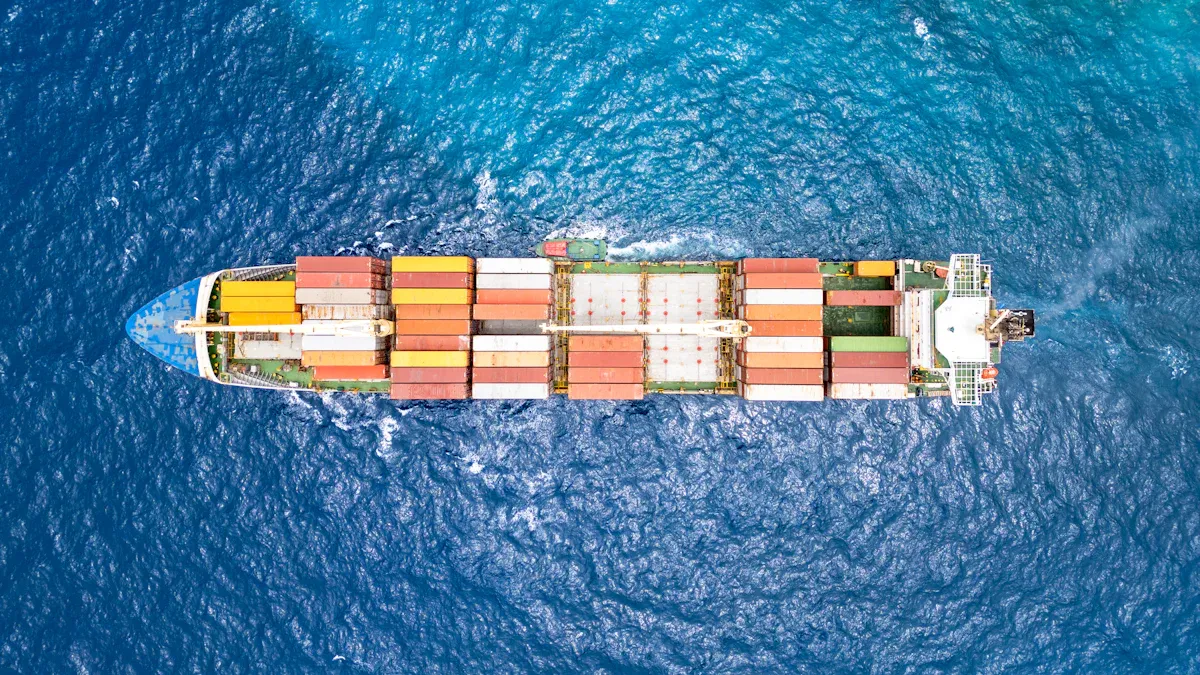
You can make your shipping better by optimizing FCL LCL shipping operations. This section shows you easy steps to help your business save money, work faster, and keep shipments safe.
FCL Shipping Strategies
To get the best results from FCL shipping, try these tips:
Plan Early and Book in Advance
Book your container as soon as you can. Planning early helps you avoid high prices and gets you the right container.Optimize Container Space
Pack your cargo to use all the space. Stack goods neatly and use pallets. This lowers your shipping cost and keeps items safe.Use Quality Packaging
Pick strong packaging and label fragile items. Good packaging protects your goods during shipping.Double-Check Documentation
Check all papers before sending your cargo. Correct paperwork stops delays and extra fees.Understand Customs Requirements
Learn the customs rules for your destination. Get all documents ready to avoid problems at the border.Choose Reliable Transportation Partners
Work with trusted logistics companies. They help you handle tricky shipping and keep your cargo moving.Track and Monitor Your Shipment
Use tracking tools to watch your container. This helps you know where your shipment is and fix issues fast.Insure Your Cargo
Get insurance for your shipment, especially if it is valuable.Plan for Final Delivery
Make sure the receiver is ready to unload quickly. This helps you avoid extra fees for late returns.
Using these tips helps your business build strong shipping and reliable transportation.
LCL Shipping Strategies
You can make LCL shipping better by following these steps:
Proper Packaging
Pack your goods well. Good packaging stops damage and theft when shipments are combined.Have Documentation in Order
Prepare all needed papers like invoices and packing lists. This helps clear customs and avoids delays.Partner with Reliable Service Providers
Pick experienced freight forwarders. They know how to handle LCL shipments and can give you a custom LCL solution.Leverage Technology for Tracking
Use tracking systems to watch your cargo. These tools help you fix problems before they get big.Comprehensive Insurance Coverage
Insure your goods to protect them from loss or damage.Master Customs Clearance
Learn the customs process for your destination. Good customs handling keeps your shipments moving.
You can make LCL shipping more efficient by focusing on packaging, paperwork, and strong partners.
Maximize Efficiency with Load Planning
Load planning is important for optimizing FCL LCL shipping operations. Always plan how to use container space. This helps you fill containers and lower costs.
Shipping Type | Cost Impact | Transit Time Impact |
|---|---|---|
FCL | Cheaper for big shipments; per-unit cost drops with more volume | Usually faster; direct delivery without stops |
LCL | Flexible and cheaper for small shipments | Slower because of combining and splitting shipments; higher risk of damage |
You can use load planning software to pack containers better. Tools like EasyCargo, Load Calculator, CargoWiz, and CubeMaster help you fit your cargo. These tools give advice and let you try different ways to load before shipping.
Careful load planning helps you ship faster and keeps your goods safe.
Cost Optimization Techniques
You can cut shipping costs by using these cost-saving ideas:
Technique | Benefit |
|---|---|
Packaging | Good packaging lowers damage by 37% in LCL shipments. |
Documentation | Correct paperwork stops 70% of shipment delays. |
Dimensional Weight Calculation | Carriers charge by actual or dimensional weight, so check both to avoid extra fees. |
Volume Efficiency | Packing tightly can cut LCL shipping costs by up to 20%. |
Always check both the real and dimensional weight of your cargo. Carriers use the bigger number to set your price. You can save money by packing goods tightly and reducing empty space. This helps you use containers better and lowers your cost per item.
Check your packaging and papers before every shipment to avoid mistakes.
Technology and Data-Driven Solutions
Technology can make your shipping solution smarter and more efficient. Try using these tools and features:
Feature | Description |
|---|---|
Lets you see your cargo anytime. Makes shipping more reliable and customers happier. | |
Predictive Analytics | Uses AI to guess delivery times and spot delays. |
Integration Capabilities | Connects shipping data with your finance and inventory systems for better teamwork. |
You can use load planning software like EasyCargo or CubeMaster to plan shipments and work better. Real-time tracking tools give updates and help you fix problems fast. Predictive analytics helps you plan for busy times and avoid delays.
Data analysis gives you information about your shipping. You can find patterns, make better choices, and improve customer service. When you use technology and data, your FCL and LCL shipping solution becomes smarter and more reliable.
Start using technology now to make your operations better and stay ahead in global trade.
Supply Chain and Risk Management
Warehouse and Consolidation Efficiency
You can make shipping better by improving warehouse and consolidation efficiency. Start with good planning and forecasting. This helps you handle many shipments and use space well. Use technology, like load planning apps, to make consolidation easier. Group shipments that fit together. This stops damage and keeps containers balanced. Always keep your paperwork organized and track shipments for clear updates.
Consolidation centers help lower shipping costs. When you combine small shipments, you get more volume and pay less per unit. This also makes transit times faster, so shipments move like full truckloads. But remember, consolidation adds extra handling. This can raise costs or cause small delays.
Tip: Use consolidation centers to make your supply chain flexible and save money on shipping.
Risk Management Best Practices
Managing risk is important in both FCL and LCL shipping. Always use strong packaging and clear labels to protect your goods. Make sure your paperwork is complete to avoid customs delays. Get enough insurance to cover losses during shipping. Use technology for real-time tracking and route planning. This helps you react fast to weather or political problems. Build strong partnerships with trusted freight forwarders to keep consolidation safe and smooth.
Best Practice | Benefit |
|---|---|
Proper packaging & labeling | Stops damage and theft |
Complete documentation | Prevents customs delays |
Sufficient insurance | Lowers financial risk |
Real-time tracking | Helps respond to problems |
Strategic partnerships | Makes shipping easier |
Common Mistakes to Avoid
Many businesses make mistakes that slow shipments or raise costs. Watch for these common errors:
Weak packaging can cause damage and delays.
Wrong labels can make shipments get rejected.
Missing paperwork can stop shipments at customs.
Overloading containers leads to extra fees or cancellations.
Not using expert freight forwarders can cause shipping problems.
Note: Avoid these mistakes to keep consolidation efficient and transit times steady.
Final Checklist for Shipping Optimization
Key Steps to Maximize Efficiency
You can follow a simple checklist to make your FCL or LCL shipping work better. This list helps you stop mistakes and keeps your shipments moving.
Step | Description |
|---|---|
Prepare Your Goods | Check the size and weight of your cargo. Use strong boxes and clear labels. |
Select a Freight Forwarder | Ask for prices for both FCL and LCL. Compare costs and delivery times. |
Documentation Requirements | Collect all needed papers for your shipment. Check them twice for mistakes. |
Common Mistakes to Avoid | Watch out for weak boxes or missing papers. |
Working with Freight Forwarders | Ask about their experience and what help they offer. Pick the best one. |
Tip: Go over this checklist before each shipment. You will find problems early and save time.
Review Before Shipping
Check some important things before you send your goods. This helps you stop delays and extra costs.
What are you shipping in your container?
See if your goods need special care, like cold storage or extra safety.What are the cargo dimensions and weight?
Measure your cargo. Write down the size and weight. This helps you choose the right container.What is your shipment’s origin and destination?
Write where your shipment starts and where it goes. This keeps your papers clear.Are all documents complete and correct?
Look at your invoices, packing lists, and customs forms. Fix any errors before you ship.Have you confirmed the schedule with your freight forwarder?
Check the pickup and delivery times. Make sure everyone knows the plan.
Use this review before every shipment. It helps you ship with confidence and avoid problems.
Now you know how to pick FCL or LCL shipping. Use the checklist and tips to make your shipping better. Always check your shipment details, costs, and delivery times before booking. Ask logistics experts for help if you need it or want a special plan.
Remember: Good shipping choices help your business save money and deliver on time.
FAQ
What is the main difference between FCL and LCL shipping?
FCL shipping gives you a whole container for your goods. LCL shipping lets you share a container with other shippers. FCL works best for large shipments. LCL fits small or frequent shipments.
How do I know if my shipment is better for FCL or LCL?
Measure your cargo’s volume. If it fills most of a container (over 12-15 cubic meters), choose FCL. For smaller loads, LCL is more cost-effective. Always compare total costs and delivery times.
Can I track my FCL or LCL shipment?
Yes, you can track both FCL and LCL shipments. Most freight forwarders offer online tracking tools. These tools show your cargo’s location and estimated arrival time.
What documents do I need for FCL or LCL shipping?
You need a commercial invoice, packing list, and bill of lading. Some shipments require extra documents, like certificates of origin or insurance papers. Check with your freight forwarder for details.
How can I reduce the risk of damage during shipping?
Use strong packaging and clear labels. Palletize your goods if possible. Choose reliable partners and insure your cargo. Good preparation lowers the chance of damage or loss.
See Also
Comprehensive Ocean Export Solutions for FCL and LCL Shipments
Top Reasons to Select PGL for Panama LCL Shipping
Deciding on LTL, FTL, or Drayage with PGL Assistance
Save Money Without Sacrificing Sales: PGL’s LCL Solutions
PGL: Streamlined FCL Export Services Throughout the United States
