What Is Drayage in Shipping? Understanding Its Role in the Supply Chain Ecosystem
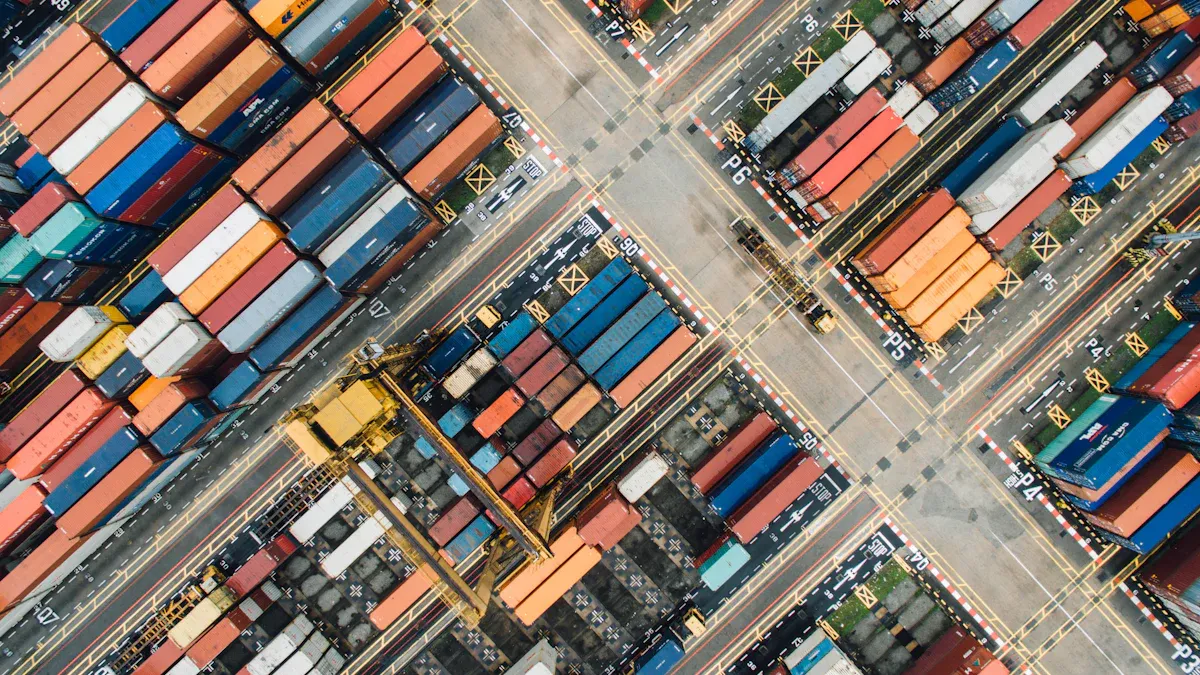
Drayage in shipping refers to the short-distance transportation of intermodal containers between important points in a supply chain. It is a critical link between ocean transportation, rail networks, warehouses, distribution centers, and final delivery operations.
International shipping is often described in terms of vessels, ports, and long-distance transportation. Yet the container still needs to travel between the terminal and the facilities where cargo is loaded, unloaded, stored, or distributed. Drayage provides that connection.
Understanding the role of drayage in shipping helps businesses see how different parts of the logistics ecosystem work together.
Drayage as a Supply Chain Connector
A modern supply chain usually involves multiple transportation modes.
An imported container may follow a route such as:
Manufacturer → Export Port → Ocean Vessel → Import Port → Drayage → Warehouse → Domestic Transportation → Final Destination
Drayage connects the major transportation nodes.
Without it, ocean and rail transportation would remain disconnected from the inland facilities that actually handle inventory.
Drayage and Ocean Shipping
Drayage is closely associated with containerized ocean freight.
When an ocean container reaches a destination port, it cannot simply remain at the terminal until the final consignee arrives.
The container needs to move through the next stage of the logistics network.
Drayage trucks transport containers from the port to:
· Warehouses
· Distribution centers
· Transloading facilities
· Rail terminals
· Manufacturing facilities
For export shipments, drayage moves containers in the opposite direction.
Drayage and Rail Transportation
Rail freight is often used for long-distance inland transportation.
However, rail terminals are rarely located directly at every shipper or consignee facility.
Drayage provides the local connection.
A container may travel hundreds or thousands of miles by rail and then require a relatively short truck movement to reach a warehouse.
This combination is an example of intermodal transportation.
Drayage and Warehousing
Warehouses are major destinations for import drayage.
When a container arrives, the warehouse may unload it, store the cargo, or transload it into domestic equipment.
Warehouse capacity therefore affects drayage performance.
If a warehouse has limited receiving capacity, containers may remain at the port longer than planned.
This can increase transportation costs and potentially create additional terminal charges.
Drayage and Distribution
Distribution networks depend on predictable cargo movement.
A container arriving at a warehouse may contain inventory that needs to be distributed to multiple locations.
Drayage is the first step in getting that inventory into the distribution system.
For businesses with high container volumes, reliable drayage can help maintain inventory flow.

Import Drayage
Import drayage typically starts after a container becomes available at the destination terminal.
The transportation process may involve:
1. Container availability
2. Release procedures
3. Pickup appointment
4. Truck dispatch
5. Terminal pickup
6. Warehouse delivery
7. Unloading
8. Empty return
Each stage requires coordination.
Export Drayage
Export drayage moves containers toward an outbound transportation gateway.
The process may begin at a warehouse or manufacturing location.
A container is loaded and then transported to the appropriate port or rail terminal.
Timing is critical because export containers must meet applicable cutoff requirements.
Why Drayage Affects Total Logistics Cost
Drayage is only one part of total freight expense, but operational problems can generate significant additional costs.
Potential expenses can include:
· Base drayage
· Fuel
· Chassis
· Waiting time
· Storage
· Detention
· Demurrage
· Redelivery
· Additional stops
This means businesses should evaluate drayage as part of the total logistics cost rather than viewing it as a standalone trucking rate.
Port Congestion and Drayage
Port congestion can create serious challenges.
When many trucks are attempting to access the same terminal, appointment availability and turnaround time can be affected.
Congestion may also make it difficult to predict transportation schedules.
Businesses can reduce some risks through earlier planning and better visibility, although no logistics strategy can completely eliminate external disruptions.
The Importance of Container Velocity
Container velocity refers broadly to how efficiently containers move through the transportation network.
A container sitting at a terminal is not contributing to inventory flow.
Improving container velocity can help reduce dwell time and improve the utilization of transportation assets.
Drayage plays a major role because it physically moves the container from one node to the next.
Technology in Modern Drayage
Technology has become increasingly important.
Transportation management systems can help coordinate orders and transportation schedules.
GPS tracking can provide information about truck movements.
Digital appointment systems can improve terminal coordination.
Electronic documents can reduce manual processes.
Together, these technologies can improve visibility across the supply chain.
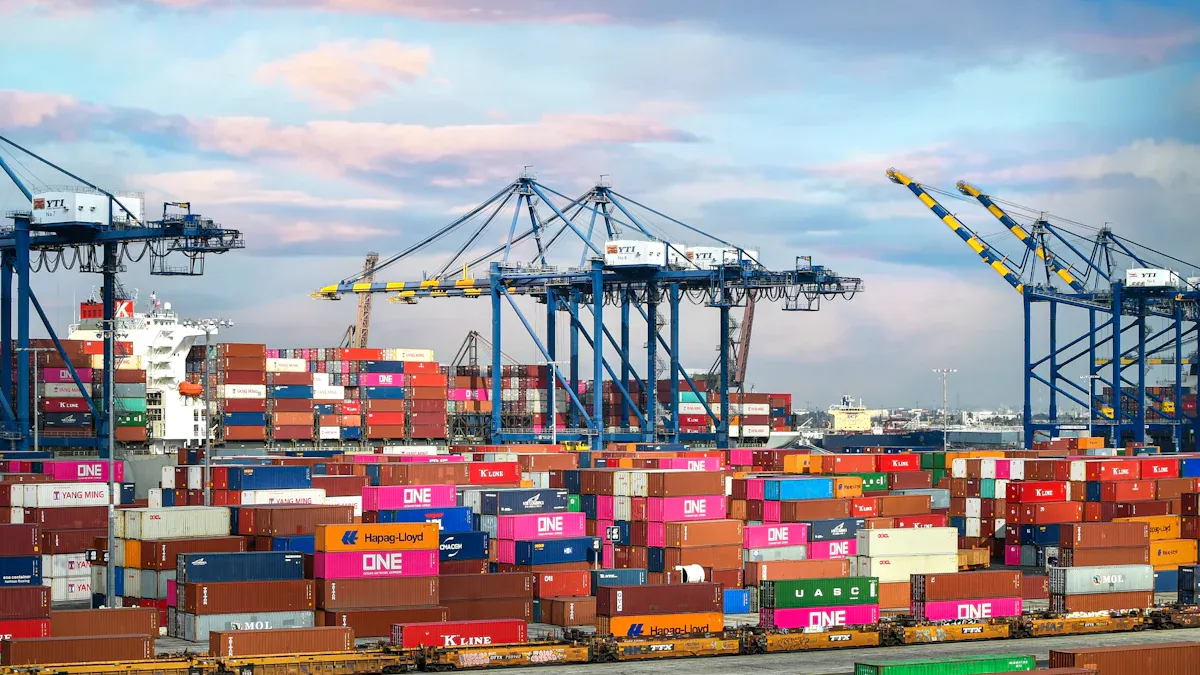
Drayage and Supply Chain Resilience
Supply chains can be disrupted by many factors.
Weather, labor conditions, port congestion, equipment shortages, transportation capacity constraints, and unexpected delays can affect container movement.
Drayage providers with strong local knowledge and operational flexibility can help businesses respond to changing conditions.
However, resilience also depends on the shipper’s planning.
Maintaining accurate shipment data, monitoring deadlines, and having contingency plans can improve response capability.
Choosing a Drayage Provider
Businesses should evaluate providers based on:
· Port coverage
· Rail terminal experience
· Equipment availability
· Warehouse coordination
· Tracking
· Communication
· Pricing
· Operational reliability
A provider’s ability to manage local conditions can be particularly important.
Drayage in the Broader Logistics Ecosystem
Drayage is not an isolated transportation service.
It interacts with ocean freight, rail, trucking, warehousing, customs processes, inventory planning, and distribution.
This is why a delay in drayage can have consequences far beyond the truck itself.
For example, if an import container is delayed at the port, the warehouse may not receive the inventory on time. That can then affect order fulfillment or manufacturing.
Final Thoughts
Drayage in shipping provides the physical connection between major transportation systems and inland supply chain operations.
It connects ocean ports with warehouses, rail terminals with distribution centers, and international transportation with domestic logistics.
Because drayage sits between several parts of the supply chain, its performance can influence transportation cost, inventory flow, delivery reliability, and overall logistics efficiency.
Businesses that understand drayage as an integrated supply chain function can make better decisions about transportation planning and provider selection.
See Also
Simplifying Supply Chain Optimization With U.S. Logistics Solutions
Connecting Warehouses and Enhancing Supply Chains Through PGL
The Role of Point-to-Point Logistics in Global Efficiency
Boosting International Operations With Innovative Logistics Solutions

