Essential Questions to Ask When Selecting a DrayageBroker for Your Shipping Needs
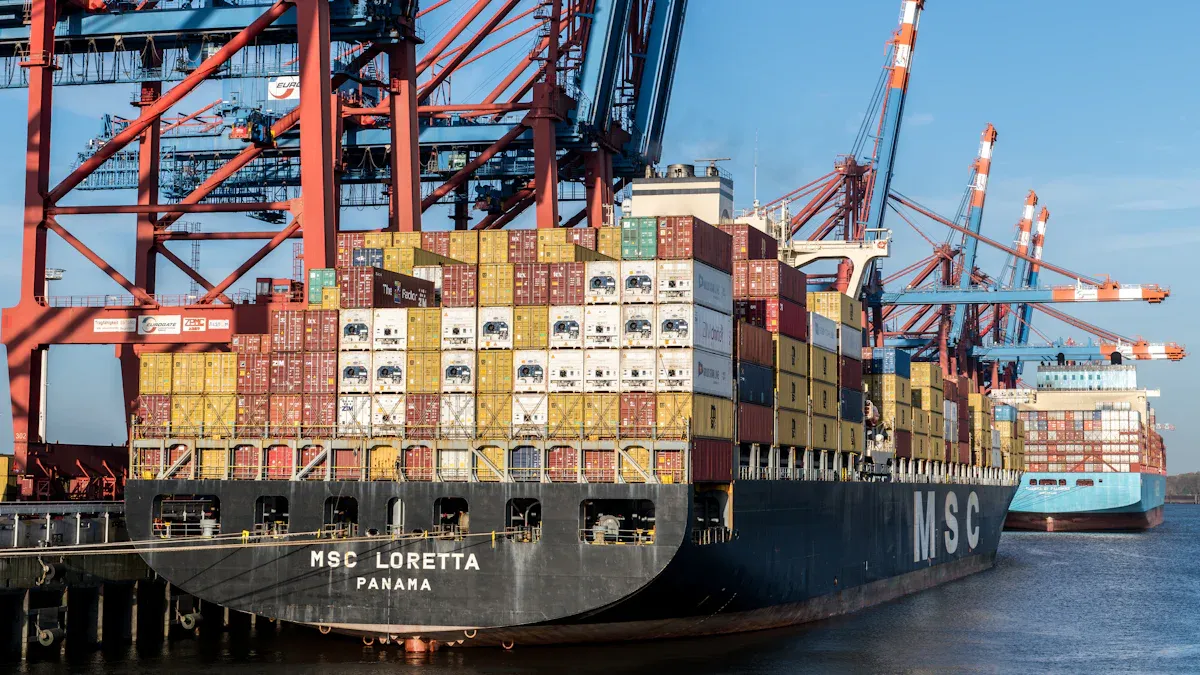
Choosing a drayage broker can have a significant impact on container transportation performance. A broker may help arrange port pickups, rail drayage, warehouse deliveries, transloading movements, and other short-distance container transportation.
However, not every broker offers the same level of service.
A competitive transportation rate is useful, but it should not be the only consideration. Businesses should evaluate operational coverage, equipment availability, communication, pricing transparency, and the provider’s ability to manage unexpected problems.
Here are five essential questions to ask before selecting a drayage broker.
1. Which Ports and Terminals Do You Regularly Serve?
The first question should address geographic coverage.
Drayage is highly dependent on local transportation conditions.
A broker may offer broad geographic coverage but have limited practical experience at specific terminals.
Ask whether the broker regularly handles shipments through the ports and rail terminals relevant to your business.
Local experience can help with:
· Appointment systems
· Terminal procedures
· Equipment availability
· Traffic patterns
· Pickup requirements
A broker familiar with the specific operating environment may be better prepared to manage day-to-day issues.
2. How Do You Manage Equipment and Transportation Capacity?
The second question concerns capacity.
A broker needs access to transportation providers with appropriate equipment.
Ask how the broker manages:
· Truck availability
· Chassis
· Container sizes
· Specialized equipment
· Peak-season capacity
A low rate does not help if a truck cannot be secured when the container is ready.
Capacity planning is particularly important for importers and exporters with recurring shipment volumes.
3. What Is Included in Your Drayage Rate?
The third question should focus on pricing.
A quoted drayage rate may not include every possible cost.
Businesses should understand whether the quote includes or excludes items such as:
· Fuel
· Chassis
· Waiting time
· Additional stops
· Storage
· Detention
· Redelivery
· Special handling
A clear rate structure makes it easier to compare different providers.
The goal should be to understand the expected total logistics cost rather than simply choosing the lowest headline number.
4. How Do You Handle Delays and Exceptions?
The fourth question concerns problem solving.
Unexpected problems are normal in transportation.
A container may not become available on schedule.
A terminal may experience congestion.
A truck may encounter mechanical problems.
A warehouse may change its receiving appointment.
Ask how the broker communicates these problems and what process is used to find alternatives.
A strong logistics partner should have a clear communication process.
5. What Shipment Visibility and Tracking Do You Provide?
The fifth question concerns visibility.
Importers and exporters increasingly need accurate information about container status.
Ask what information is available for:
· Container pickup
· Terminal departure
· Delivery
· Empty return
· Delays
The level of technology can vary widely.
Some providers may offer automated tracking, while others rely primarily on manual communication.
The appropriate solution depends on shipment volume and operational requirements.
Why These Questions Matter
These five questions help businesses look beyond the basic transportation rate.
Drayage performance depends on several interconnected factors.
A broker may provide a competitive quote but still create operational problems if communication is poor or transportation capacity is unreliable.
Conversely, a slightly higher rate may produce better total economics if the provider reduces waiting time and unexpected expenses.
Evaluating Service Reliability
Reliability should be measured over time.
Useful performance indicators include:
· On-time pickup
· On-time delivery
· Appointment success
· Average waiting time
· Accessorial frequency
· Empty return performance
Businesses with recurring volumes can use these metrics to compare providers objectively.
Understanding the Broker’s Role
It is also important to understand what the broker actually manages.
Some brokers may primarily arrange transportation.
Others may provide broader coordination involving tracking, warehouse scheduling, intermodal transportation, transloading, and documentation support.
Businesses should choose a service scope that matches their operational needs.
Long-Term Relationships
For companies with recurring container movements, a long-term relationship can provide benefits.
The broker can become familiar with:
· Regular routes
· Warehouses
· Ports
· Shipment volumes
· Seasonal patterns
· Cargo requirements
This knowledge can improve planning and communication.
Red Flags to Consider
Several warning signs should receive attention.
These may include:
· Unclear pricing
· Poor communication
· No explanation of accessorial charges
· Limited shipment visibility
· Inconsistent appointment management
· Lack of relevant terminal experience
None of these automatically means a provider is unsuitable, but they deserve further evaluation.
Final Thoughts
Selecting a drayage broker should involve more than comparing transportation rates.
The five essential questions are:
1. Which ports and terminals do you regularly serve?
2. How do you manage equipment and transportation capacity?
3. What is included in your drayage rate?
4. How do you handle delays and exceptions?
5. What shipment visibility and tracking do you provide?
The answers can help businesses determine whether a broker is capable of supporting their actual logistics requirements.
A good drayage broker should help make container transportation more predictable, transparent, and manageable.
See Also
Key Strategies for Effective Global Logistics Operations
Top Global Logistics Solutions for West Coast Trucking
Enhancing International Operations Through Innovative Logistics Strategies

