Package Held in Customs? Understanding Why It Happens and How to Resolve Delays Quickly
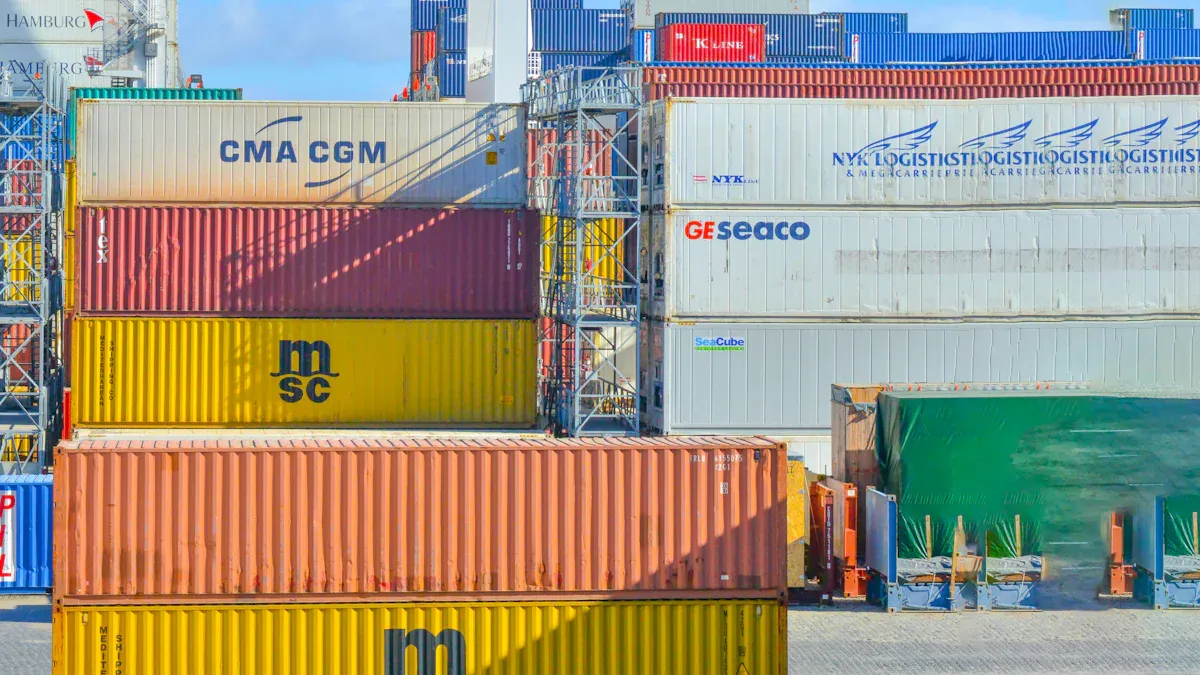
Seeing “Package Held in Customs” in a tracking system can be unsettling, especially when the shipment appears to have stopped moving without any clear explanation.
In most cases, a customs hold does not automatically mean that the package has been seized or that something is seriously wrong. Customs authorities may temporarily hold a shipment while reviewing documentation, confirming the contents, assessing duties, conducting an inspection, or waiting for additional information.
The important question is not simply why a package is being held. It is what is preventing release and what action is required next.
Understanding the most common causes can help importers and recipients respond more quickly and avoid unnecessary delays.
What Does “Package Held in Customs” Mean?
A package held in customs is generally a shipment that has not yet been released by the customs authority for continued transportation.
The shipment may be physically located at:
· An international airport
· A customs facility
· A bonded warehouse
· A carrier’s customs area
· A port facility
· Another authorized examination or holding location
The tracking status itself usually provides limited information.
A customs hold can result from a routine review, missing information, an inspection, an unpaid charge, or a specific compliance issue.
Therefore, “held in customs” should be treated as a status requiring investigation, not automatically as evidence of a violation.
Why Is My Package Being Held in Customs?
There are several common reasons.
1. Missing or Incomplete Documentation
Customs authorities need sufficient information to identify and assess imported goods.
A shipment may be delayed if documentation is incomplete or unclear.
Potential problems include:
· Missing commercial invoice
· Incomplete product description
· Missing country-of-origin information
· Incorrect consignee details
· Missing value information
· Inconsistent quantities
· Conflicting transportation documents
For commercial shipments, documentation accuracy is especially important.
2. Customs Value Needs Clarification
Customs authorities may need additional information about the value of the imported goods.
This can happen when the declared value appears inconsistent with supporting documents or when additional information is needed to determine the appropriate customs value.
The importer may need to provide invoices, purchase records, payment information, or other supporting documentation.
3. Tariff Classification Questions
Customs authorities may question how a product has been classified.
Classification can affect:
· Duty rates
· Import requirements
· Statistical reporting
· Trade remedies
· Other customs treatment
If the product description is vague, classification may take longer to resolve.

4. Customs Inspection
Some shipments are selected for examination.
An inspection can involve reviewing the physical contents of the shipment or examining documentation associated with the goods.
Selection for inspection does not necessarily mean that customs has found a problem.
Some inspections are part of routine enforcement and risk-management procedures.
The duration can vary depending on the shipment and the facility handling the examination.
5. Duties and Taxes
A shipment may require payment or confirmation of applicable duties, taxes, or other charges before release.
For certain consumer shipments, the carrier may contact the recipient to arrange payment.
For commercial imports, the importer or its customs representative generally needs to ensure that applicable financial obligations are properly handled.
6. Additional Government Agency Requirements
Certain products are subject to requirements beyond ordinary customs processing.
Depending on the commodity, additional agencies may regulate:
· Food
· Agricultural products
· Pharmaceuticals
· Chemicals
· Consumer products
· Electronics
· Plant or animal materials
· Specialized industrial goods
If required information or authorization is missing, customs clearance may be delayed.
7. Restricted or Controlled Merchandise
Certain products may be subject to import restrictions, licensing requirements, quotas, sanctions, or other controls.
These situations can require significantly more review than a routine shipment.
8. Incorrect Shipment Information
A mismatch between different documents can trigger questions.
For example, the invoice may describe one quantity while the packing list shows another. The transportation document may also contain different cargo information.
Even a relatively simple discrepancy can slow the clearance process while the information is verified.
How Long Can a Package Be Held in Customs?
There is no universal customs hold time.
A straightforward documentation issue may be resolved relatively quickly once the missing information is provided.
A physical examination, classification dispute, regulatory issue, or complicated documentation problem may take considerably longer.
Factors affecting the timeframe can include:
· Reason for the hold
· Type of merchandise
· Shipment value
· Customs workload
· Inspection requirements
· Availability of supporting documents
· Response time from the importer
· Requirements from other government agencies
· Transportation facility procedures
A tracking status alone cannot reliably predict when the package will be released.
What Should I Do If My Package Is Held in Customs?
The first step is to determine whether customs or the carrier requires action.
Step 1: Check the Detailed Tracking Information
Look for additional messages.
A generic status such as “Held in Customs” may be followed by more specific information such as:
· Documentation required
· Duties and taxes due
· Customs inspection
· Import information needed
· Contact customs
· Clearance delay
The more specific message is usually more useful than the general status.
Step 2: Identify Who Is Responsible for Clearance
Determine whether the shipment is being cleared by:
· The importer
· A customs broker
· A carrier
· Another authorized customs representative
For commercial shipments, knowing who is responsible can prevent several parties from assuming that someone else is handling the problem.
Step 3: Gather Supporting Documents
Depending on the reason for the hold, you may need:
· Commercial invoice
· Packing list
· Purchase receipt
· Product description
· Product specifications
· Country-of-origin information
· Transportation document
· Import permits
· Other supporting records
Provide accurate information rather than guessing.
Step 4: Respond Quickly to Requests
If additional information is requested, delays often become longer when the response is postponed.
A prompt, complete response can allow the review process to continue.
Step 5: Confirm Whether Payment Is Required
If duties or taxes are outstanding, determine how payment should be made through the appropriate official channel or carrier process.
Be cautious about unsolicited payment requests. Customs-related scams can imitate legitimate shipment notifications.
Step 6: Monitor the Release Status
Once the required information or payment has been provided, continue monitoring the shipment.
A customs hold may be removed before the next transportation status appears.
Can I Contact Customs Directly?
Sometimes, but the appropriate contact depends on the shipment and the country involved.
For commercial imports, the importer or its authorized customs representative may be the appropriate party to communicate with customs.
For consumer parcels, the carrier may handle much of the customs communication.
Before contacting customs, gather the shipment reference, tracking number, importer information, and relevant documents.
Calling without knowing what the shipment contains or why it was held is unlikely to make the process faster. Customs officers are not mind readers, despite humanity’s continuing expectations that they should somehow be.
Package Held in Customs vs. Customs Clearance Delay
These terms are related but not identical.
A customs clearance delay means the shipment has not completed the customs process within the expected timeframe.
A package held in customs emphasizes that the shipment is currently being held pending customs processing or another required action.
Both statuses can occur for the same shipment.
The key issue is identifying the specific reason for the delay.
Does “Held in Customs” Mean My Package Is Seized?
No.
A customs hold and a seizure are different situations.
A temporary hold usually means customs has not yet released the shipment while a particular issue is being reviewed or resolved.
A seizure is a much more serious enforcement action involving merchandise that customs authorities determine should be taken into custody under applicable law.
Do not assume seizure simply because tracking shows “held in customs.”
What Happens During a Customs Inspection?
If a shipment is selected for examination, customs authorities may inspect the physical contents or review related documentation.
The purpose can include verifying:
· What the shipment contains
· Whether the declaration is accurate
· Whether the goods comply with import requirements
· Whether the declared value is reasonable
· Whether restricted merchandise is present
The inspection process can vary depending on the shipment and facility.
Importers generally cannot control exactly when an inspection occurs, but accurate documentation can make it easier to address questions that arise during the review.
How Commercial Shipments Are Affected by Customs Holds
A customs hold can have a larger operational impact on commercial cargo than on an individual consumer package.
For example, a delayed shipment may affect:
· Production schedules
· Inventory availability
· Warehouse receiving
· Customer orders
· Retail replenishment
· Container pickup
· Domestic transportation
· Delivery appointments
For ocean freight, the consequences can extend beyond customs.
A container waiting for release may remain at a terminal while pickup arrangements are delayed. Depending on the circumstances, terminal storage, demurrage, or other costs may arise.
This is why customs preparation should be integrated into the broader transportation plan.
What If a Container Is Held at a Port?
A container held at a port requires coordination between customs and transportation operations.
The importer or logistics provider should determine:
1. Whether customs has released the cargo.
2. Whether the carrier has released the container.
3. Whether the terminal has made the container available.
4. Whether a truck appointment can be scheduled.
5. Whether any outstanding charges remain.
6. Whether the cargo can move to the next destination.
These are separate steps.
A customs release does not automatically mean the container can leave the terminal immediately.
How to Avoid Customs Holds in the Future
Not every customs hold can be prevented. However, importers can reduce avoidable problems.
Provide Accurate Commercial Invoices
Make sure product descriptions, values, quantities, and origin information are accurate.
Review Classification
Use appropriate tariff classifications based on the actual characteristics of the merchandise.
Maintain Consistent Documents
Ensure the invoice, packing list, bill of lading, and customs entry contain consistent information.
Prepare Before Arrival
Whenever applicable, prepare customs information before the shipment reaches the destination.
Advance preparation provides more time to identify and correct problems.
Understand Product-Specific Requirements
Know whether the imported goods are subject to additional government requirements.
Maintain Import Records
Keep supporting documents organized so they can be provided quickly when needed.
What Information Should I Give a Customs Clearance Professional?
If a shipment requires professional assistance, provide as much accurate information as possible.
Useful information can include:
· Tracking number
· Bill of lading number
· Commercial invoice
· Packing list
· Product descriptions
· Product specifications
· Purchase information
· Country of origin
· Shipment value
· Importer details
· Any message received from customs or the carrier
The more complete the initial information, the less time may be spent going back and forth for basic details.
Common Mistakes When a Package Is Held in Customs
Panicking Immediately
A customs hold does not automatically mean the shipment is in serious trouble.
First identify the reason.
Ignoring Tracking Messages
Some holds require action from the importer or recipient.
Waiting indefinitely can make a manageable problem worse.
Sending Incorrect Information
Guessing about product value, classification, or contents can create additional compliance problems.
Paying an Unverified Request
Use official carrier or government channels to verify customs-related payment requests.
Assuming Customs Is the Only Possible Cause
A shipment may have a customs release but still face carrier, terminal, warehouse, or transportation delays.
Understanding the entire logistics chain helps identify the actual bottleneck.
When Should I Be Concerned?
A shipment deserves closer attention when:
· Customs specifically requests documentation.
· The carrier says clearance information is missing.
· Duties or taxes remain unpaid.
· The shipment requires a physical inspection.
· A regulatory agency has become involved.
· The tracking status remains unchanged for an unusually long period.
· A commercial container is approaching terminal deadlines.
· Storage or other time-sensitive charges may be accumulating.
The appropriate response depends on the reason for the hold rather than simply the number of days shown in tracking.
Final Thoughts
A “Package Held in Customs” status can mean many different things.
The shipment may be waiting for documentation, payment, classification clarification, an inspection, or another regulatory requirement. In some cases, the issue is routine and can be resolved quickly once the necessary information is provided.
The most effective response is to identify the actual cause, determine who is responsible for resolving it, provide accurate documentation, and monitor the shipment until customs release is confirmed.
For commercial imports, customs should also be considered part of the larger transportation process. A customs delay can affect port operations, drayage, warehousing, and final delivery, so early preparation and coordination are especially valuable.
The goal is not merely to get a tracking status to change. It is to make sure the shipment is legally cleared and can continue moving through the supply chain without creating another problem five minutes later.
Frequently Asked Questions
What does “package held in customs” mean?
It generally means the shipment has not yet been released by customs and is waiting for further processing, documentation, payment, inspection, or another required action.
Why would customs hold my package?
Common reasons include incomplete documentation, unclear product descriptions, classification questions, customs value issues, inspections, unpaid duties or taxes, and additional government requirements.
How long will my package be held in customs?
There is no standard timeframe. Simple issues may be resolved quickly, while inspections or regulatory questions can take longer.
Does a customs hold mean my package was seized?
No. A temporary customs hold is different from a formal seizure.
What should I do when my package is held in customs?
Check the detailed tracking message, identify who is responsible for clearance, provide requested documents or information, address any payment requirements, and monitor the shipment for release.
Can customs hold a commercial container?
Yes. Commercial containers can be held while customs reviews documentation, conducts an inspection, or addresses other import requirements.
Can a customs hold cause additional charges?
Potentially. For ocean containers, delays may contribute to storage, demurrage, detention, or other transportation-related costs depending on the circumstances.
How can I prevent customs delays?
Prepare documents early, use accurate product descriptions and classifications, verify customs value and origin, maintain consistent shipment records, and identify product-specific import requirements before arrival.
PGL Ensures Timely Movement Of Your eCommerce Inventory
Prepare For Holiday Demand With PGL’s Logistics Services
Streamline Your Supply Chain With American Logistics Solutions

