Complete Guide to Freight Tracking: Systems, Methods, and Real-Time Monitoring Solutions
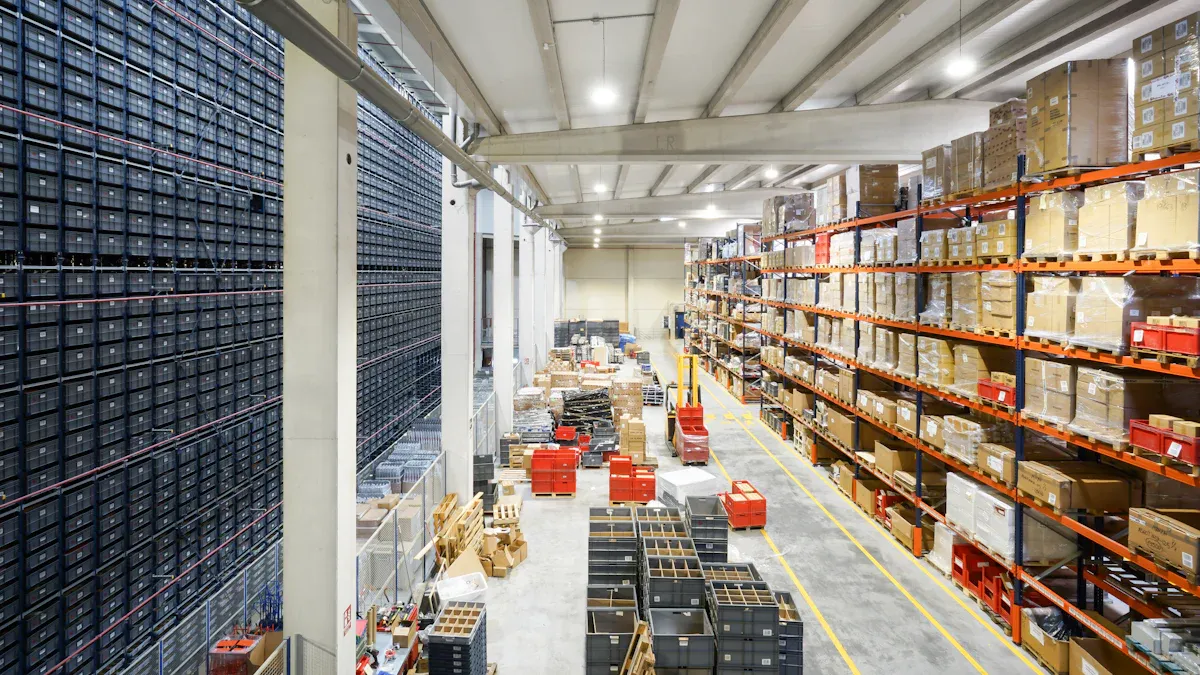
Freight tracking has become an essential part of modern logistics.
Businesses need to know where shipments are, whether they are moving according to schedule, and whether delays could affect inventory, production, or customer deliveries.
A modern freight tracking system can combine transportation data, carrier updates, GPS information, electronic documents, and automated notifications to provide near-real-time shipment visibility.
This guide explains how freight tracking works, which methods are commonly used, and how businesses can build an effective real-time monitoring process.
What Is Freight Tracking?
Freight tracking is the process of monitoring a shipment from origin to destination.
A tracking system may record milestones such as:
· Shipment booked
· Pickup scheduled
· Cargo picked up
· Warehouse received
· In transit
· Terminal arrival
· Departure
· Destination arrival
· Delivered
The available information depends on the transportation mode and technology used.
How Freight Tracking Systems Work
A basic tracking architecture can be represented as:
Shipment → Data Source → Tracking Platform → Status Update → Customer or Logistics Team
Data may come from:
· Carrier systems
· GPS devices
· Electronic documents
· Warehouse scans
· Mobile applications
· Geolocation services
The tracking platform combines these data points into a shipment timeline.
Main Freight Tracking Methods
Tracking Numbers
A shipment reference or tracking number provides a basic way to identify cargo.
Users enter the reference into a tracking system to retrieve available shipment information.
GPS Tracking
GPS-enabled devices can provide location information for vehicles or containers.
This method can provide more frequent location updates than manual status reporting.
Barcode Scanning
Warehouses and terminals can scan packages as they move through facilities.
Each scan creates a milestone.
RFID
Radio-frequency identification can allow cargo or assets to be identified without requiring direct barcode scanning in every situation.
Electronic Data Exchange
Transportation systems can exchange shipment information electronically.
This reduces manual data entry and can improve update speed.
Real-Time Freight Monitoring
“Real-time” does not necessarily mean continuous location updates every second.
The actual update frequency depends on:
· Device type
· Carrier system
· Network availability
· Tracking technology
· Transportation mode
Therefore, businesses should ask what “real-time” means within the specific system.
Freight Tracking by Transportation Mode
Truck Freight
Truck tracking can often use GPS, driver applications, electronic logging systems, and carrier updates.
Air Freight
Air cargo tracking may rely on booking records, cargo acceptance events, flight information, warehouse scans, and delivery milestones.
Ocean Freight
Ocean tracking may involve container references, vessel schedules, port events, and terminal milestones.
Rail Freight
Rail tracking can combine terminal events, rail network information, and equipment identifiers.
Benefits of Freight Tracking
Better Customer Communication
Customers can receive shipment updates without repeated manual inquiries.
Early Delay Detection
Tracking systems can identify deviations from expected schedules.
Inventory Planning
Businesses can make better decisions when they know when inbound cargo is likely to arrive.
Exception Management
Logistics teams can prioritize shipments that require attention.
Performance Measurement
Historical tracking data can help evaluate transportation performance.
How to Build an Effective Freight Tracking Process
Standardize Shipment References
Use consistent identifiers across systems.
Define Important Milestones
Determine which shipment events matter most.
Set Alert Rules
Alerts can be triggered by:
· Delays
· Missed milestones
· Route deviations
· Delivery failures
· Extended inactivity
Integrate Data Sources
Combining carrier, warehouse, and transportation data creates more complete visibility.
Maintain Data Quality
Incorrect shipment references can produce incorrect tracking information.
Common Freight Tracking Problems
Delayed Updates
A shipment may be moving even when the tracking system has not received a new event.
Incomplete Data
Not every transportation provider supplies the same level of visibility.
Incorrect Status
Manual data entry can introduce errors.
Multiple Tracking Numbers
International shipments may have several references.
A good system should connect related identifiers.
Choosing a Freight Tracking Solution
Consider:
· Transportation modes supported
· Data integration
· Update frequency
· Mobile access
· Alerts
· Reporting
· API availability
· Historical data
· User permissions
· Customer-facing visibility
The right system depends on shipment complexity and business requirements.
Frequently Asked Questions
How does freight tracking work?
It collects shipment events or location data from transportation and logistics systems and presents them as shipment status information.
Is freight tracking really real-time?
Sometimes, but not always. Update frequency depends on the technology and data source.
Can freight tracking predict delivery times?
Advanced systems can estimate arrival times using shipment progress and transportation data, although predictions can change.
Why is freight tracking important?
It improves visibility, customer communication, exception management, inventory planning, and operational control.
Conclusion
Freight tracking is more than entering a tracking number into a website.
Modern systems combine multiple data sources to create a continuous picture of shipment progress. GPS, scanning, electronic data exchange, carrier updates, and transportation platforms can all contribute to visibility.
For businesses, the goal should not simply be more tracking data. It should be better decisions based on reliable tracking data.
A well-designed freight monitoring system helps logistics teams identify problems earlier, communicate more effectively, and manage transportation with greater confidence.
See Also
Key Strategies for Effective Global Logistics Operations
Transforming International Operations with Innovative Logistics Strategies
Enhancing Global Efficiency Through Point-to-Point Logistics
PGL's Proficiency in Global Logistics and Supply Chain Solutions

