Top Freight Agent Programs of 2025: How to Choose the Right Partnership for Your Logistics Career
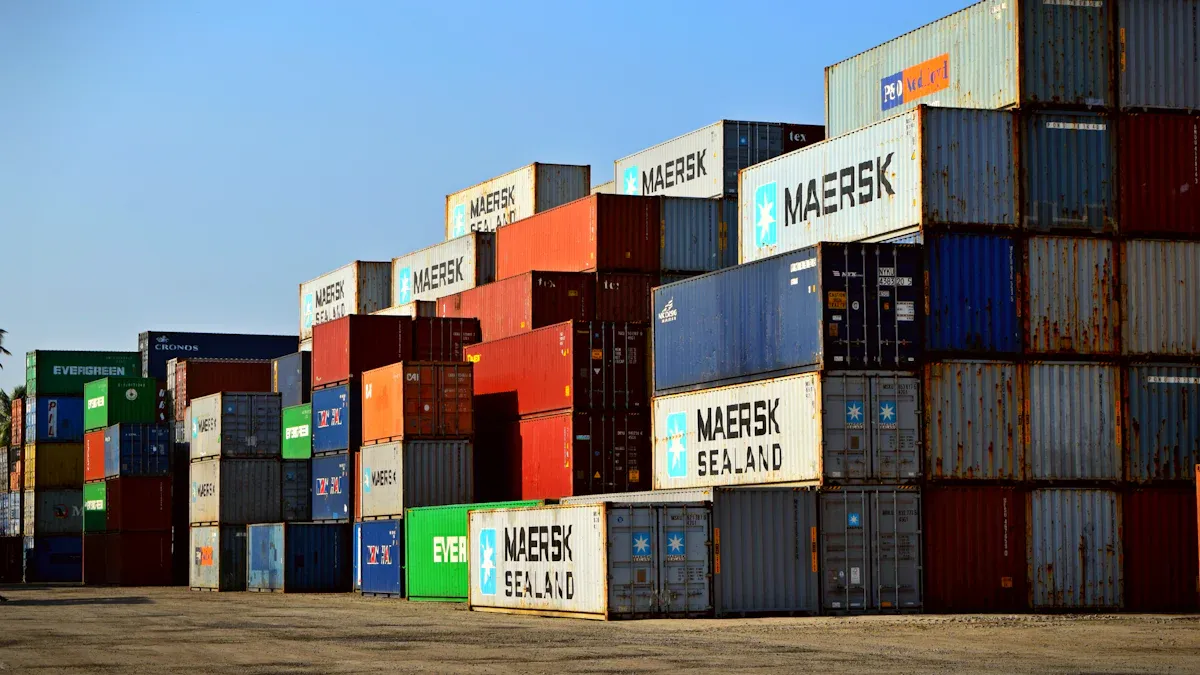
The freight industry offers several ways to build a career without starting a transportation company from scratch. One option is to work as an independent freight agent through an established freight agent program.
These programs can provide access to transportation services, operational resources, technology, training, and administrative support while allowing agents to focus on developing customer relationships and generating freight business.
However, not every freight agent program offers the same structure. Commission rates, support services, technology, contract terms, and growth opportunities can vary considerably.
For anyone evaluating freight agent programs, the most important question is not simply which program advertises the highest commission. The better question is which partnership provides the right balance of income potential, support, independence, and long-term business development.
This guide explains how freight agent programs work, what to compare, and how to select a partnership that fits your logistics career goals.
What Is a Freight Agent Program?
A freight agent program is a business arrangement through which an independent agent works with a larger transportation or logistics organization to arrange freight services for customers.
The agent typically focuses on activities such as:
· Finding and developing customers
· Quoting freight
· Coordinating shipments
· Maintaining customer relationships
· Generating new business
· Communicating shipment information
The supporting organization may provide operational infrastructure, carrier relationships, transportation technology, billing support, and other administrative services.
The exact relationship depends on the agreement.

How Freight Agent Programs Work
A typical arrangement may follow this process:
Agent → Customer Development → Freight Booking → Operations Support → Transportation Provider → Delivery
The agent brings in or manages customer business, while the supporting organization handles some of the operational functions required to move the freight.
This model can allow individuals to operate with more independence than traditional employee roles while avoiding the need to build an entire logistics infrastructure independently.
What Should You Compare in a Freight Agent Program?
Commission Structure
Commission is usually one of the most important factors.
Programs may calculate commissions differently based on:
· Gross revenue
· Gross margin
· Net margin
· Shipment type
· Customer account
· Recurring business
· New business
A higher percentage does not automatically mean higher earnings.
For example, a program offering a lower commission percentage but stronger operational support may produce better overall profitability than a high-percentage program with extensive agent expenses.
Support Services
Evaluate exactly what support is included.
Potential services include:
· Carrier sourcing
· Rate negotiation
· Shipment tracking
· Billing
· Claims assistance
· Documentation
· Customer service
· Operations support
· Technology
The more operational responsibilities the agent must handle personally, the more time may be diverted from sales and customer development.
Technology
Technology can significantly affect productivity.
Useful tools may include:
· Transportation management systems
· Customer relationship management platforms
· Shipment tracking
· Electronic documentation
· Rate management tools
· Reporting dashboards
A strong technology platform can reduce manual work and improve shipment visibility.
Contract Terms
The agreement deserves careful attention.
Review:
· Contract length
· Termination provisions
· Commission payment timing
· Customer ownership provisions
· Non-compete or restrictive clauses
· Expense responsibilities
· Insurance requirements
· Dispute procedures
A commission percentage means little if the surrounding contractual terms are unfavorable.
Training and Onboarding
New freight agents may need training in:
· Freight pricing
· Transportation modes
· Customer acquisition
· Documentation
· Shipment coordination
· Industry terminology
· Sales techniques
· Compliance
A structured onboarding program can shorten the learning curve.
However, training should be evaluated for practical usefulness rather than marketing language.
Ask whether training includes actual freight scenarios, pricing exercises, customer communication, and operational problem-solving.
Freight Agent Program vs. Traditional Employment
A freight agent program and a conventional logistics job can offer very different experiences.
Factor | Freight Agent Program | Traditional Employee Role |
Income model | Often commission-based | Usually salary or hourly |
Independence | Generally higher | Generally lower |
Business development | Often agent responsibility | Employer responsibility |
Operational support | Depends on program | Usually internal |
Income predictability | Potentially lower | Generally higher |
Growth potential | Potentially scalable | Depends on career path |
Independent agent models may suit people who are comfortable with sales and variable income.
Traditional employment may be more attractive to people who prioritize predictable compensation and structured career progression.
Questions to Ask Before Joining
Before signing an agreement, ask:
1. How is commission calculated?
2. When are commissions paid?
3. Which expenses does the agent cover?
4. What operational support is included?
5. Who handles customer billing?
6. Who handles freight claims?
7. What technology is provided?
8. How are customer relationships treated after termination?
9. What training is available?
10. What happens if a shipment problem occurs?
Written answers are preferable to vague verbal assurances.

How to Evaluate Growth Opportunities
A good freight agent program should support more than the first few shipments.
Look for opportunities to expand through:
· New customers
· Additional freight modes
· New geographic markets
· Higher shipment volume
· Specialized freight
· Repeat contracts
· Customer referrals
Scalable infrastructure can become particularly important as shipment volume grows.
Red Flags to Watch For
Potential warning signs include:
· Unclear commission calculations
· Large unexplained upfront fees
· Limited operational support
· Poor technology
· Unclear contract terms
· Pressure to sign immediately
· Promises of guaranteed high income
· Lack of transparency about expenses
No legitimate business model can guarantee effortless income. Freight remains freight, despite what certain sales brochures apparently believe.
How to Choose the Right Program
A practical evaluation method is to score each program across five categories:
Financial structure: Commission, fees, expenses, payment schedule.
Operational support: Carrier sourcing, documentation, claims, tracking.
Technology: TMS, CRM, tracking, reporting.
Contract terms: Customer ownership, termination, restrictions.
Growth potential: Training, scalability, market access, specialization.
The best program is the one that fits your business model rather than the one with the most impressive headline percentage.
Frequently Asked Questions
What is a freight agent program?
It is a business arrangement that allows an independent freight agent to operate with support from a larger logistics organization.
How do freight agents get paid?
Compensation is often commission-based, but the exact calculation varies by program.
Is becoming a freight agent better than getting a logistics job?
Neither model is universally better. Employment generally offers more predictable compensation, while independent agency can provide greater autonomy and potentially greater income scalability.
What should I look for in a freight agent program?
Focus on commission structure, operational support, technology, contract terms, expenses, training, and growth opportunities.
Conclusion
Choosing a freight agent program is ultimately a business decision.
The most attractive program is not necessarily the one with the highest advertised commission. Agents should evaluate the complete economic relationship, including expenses, support, technology, contract terms, and the amount of operational work they will be expected to perform.
A well-structured partnership can allow a freight agent to concentrate on what matters most: developing customers, creating reliable freight solutions, and building a sustainable logistics business.
The goal should be a partnership in which both sides have clear responsibilities and a realistic path toward long-term growth.
See Also
Simplifying Supply Chain Management With U.S. Logistics Innovations
Enhancing Global Operations Through Creative Logistics Strategies
Boosting Worldwide Efficiency With Direct Logistics Systems

