How Automated Order Fulfillment Systems Transform Bulk Processing Efficiency
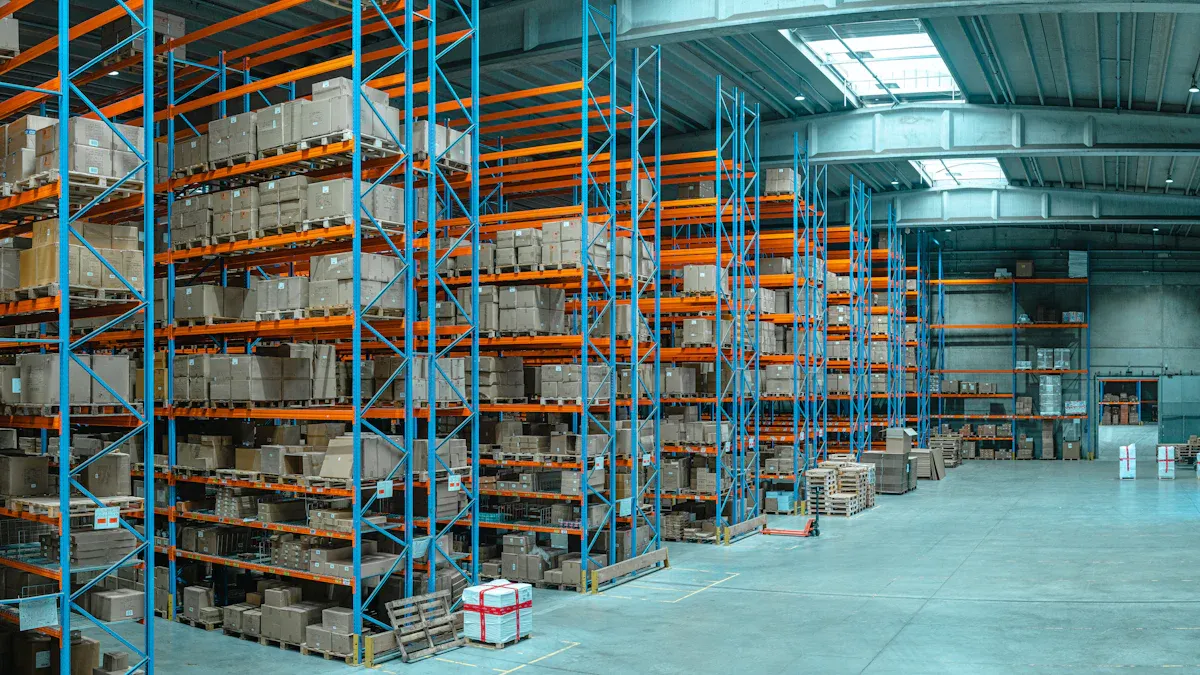
As order volumes increase, manual fulfillment processes can become difficult to scale.
Employees may spend increasing amounts of time searching for products, entering data, moving inventory, printing labels, and coordinating shipments. At low volume, these tasks may be manageable. At high volume, small inefficiencies can multiply into major costs.
Automated order fulfillment systems help businesses process larger order volumes with greater speed, accuracy, visibility, and consistency.
This guide explains how fulfillment automation works, what technologies are commonly used, and how businesses can implement automation effectively.
What Is an Automated Order Fulfillment System?
An automated order fulfillment system uses software, equipment, or both to automate parts of the process from order receipt through shipment.
Automation may support:
· Order entry
· Inventory allocation
· Picking
· Sorting
· Packing
· Labeling
· Shipment processing
· Inventory updates
· Tracking
Automation does not necessarily mean eliminating human labor. In many warehouses, it means using technology to reduce repetitive work and allow employees to focus on higher-value tasks.
Why Bulk Order Processing Needs Automation
High-volume fulfillment creates several challenges.
Large Order Volumes
More orders mean more picking, packing, and shipping activity.
Repetitive Tasks
Manual scanning and data entry consume labor hours.
Accuracy Requirements
Small error rates can become significant when thousands of orders are processed.
Peak-Season Demand
Temporary demand increases can exceed normal warehouse capacity.
Automation provides a way to increase processing capacity without increasing every labor input proportionally.
How Automated Fulfillment Works
A typical automated workflow is:
Order Received → Inventory Validation → Order Release → Automated Picking Support → Sorting → Packing → Labeling → Shipment → Tracking
Different warehouses automate different stages.
Automated Order Management
When an order enters the system, software can automatically:
· Validate order information
· Check inventory
· Allocate products
· Assign fulfillment locations
· Prioritize orders
· Release work to warehouse operations
This reduces manual order handling.
Automated Inventory Allocation
Software can determine where products should be picked based on:
· Inventory availability
· Warehouse location
· Customer destination
· Order priority
· Transportation requirements
For multi-warehouse networks, automated allocation can select the most appropriate fulfillment location.
Automated Picking
Picking automation can include:
· Barcode scanning
· Pick-to-light
· Put-to-light
· Voice-directed picking
· Conveyor systems
· Automated storage and retrieval systems
· Mobile robots
The appropriate technology depends on order volume, product size, warehouse design, and budget.
Automated Sorting
After products are picked, automated sorting systems can route products according to:
· Order
· Destination
· Carrier
· Shipping service
· Warehouse zone
Sorting automation is particularly useful in high-volume operations.
Automated Packing
Packing systems can assist with:
· Carton selection
· Label printing
· Package measurement
· Shipping documentation
Some systems can automatically select packaging based on product dimensions.

Automated Shipping
Shipping software can select transportation services based on:
· Destination
· Package size
· Weight
· Delivery requirements
· Cost
Labels and shipment documentation can then be generated automatically.
How Automation Improves Bulk Processing
Higher Throughput
Automation can allow warehouses to process more orders within the same operating period.
Improved Accuracy
Barcode scanning and system validation reduce certain manual errors.
Better Inventory Visibility
Automated transactions update inventory records more quickly.
Reduced Repetitive Labor
Employees spend less time on repetitive administrative tasks.
Better Scalability
Automation can help businesses handle growing order volumes.
Automation Does Not Fix Bad Processes
One of the most important principles of warehouse automation is simple:
Automating an inefficient process does not automatically make it efficient.
Before automation, businesses should examine:
· Warehouse layout
· SKU placement
· Order profiles
· Picking methods
· Inventory accuracy
· Transportation schedules
Process optimization should come before or alongside automation.
How to Choose Fulfillment Automation
Consider:
Order Volume
Automation becomes more valuable as transaction volume increases.
Product Characteristics
Size, weight, fragility, and packaging affect technology selection.
Order Profile
A warehouse processing many single-item orders may require different automation from one handling palletized wholesale orders.
Facility Layout
Automation equipment must fit the physical warehouse.
Integration Requirements
Systems should communicate with:
· Order management
· Warehouse management
· Inventory systems
· Transportation systems
Automation for Bulk Orders
Bulk orders can benefit from automation in several ways.
Software can:
· Group orders
· Allocate inventory
· Generate pick waves
· Prioritize shipments
· Create documentation
· Coordinate freight
Warehouse automation can then support high-volume picking and sorting.
Measuring Automation Performance
Businesses should measure whether automation actually improves operations.
Useful KPIs include:
· Orders processed per hour
· Lines picked per hour
· Picking accuracy
· Order cycle time
· Labor cost per order
· Equipment utilization
· System uptime
· Error rate
· On-time shipment rate
Common Automation Implementation Mistakes
Automating Too Much Too Early
Businesses may invest in complex equipment before understanding their actual bottlenecks.
Ignoring Integration
Disconnected systems can create new data problems.
Underestimating Maintenance
Automation requires maintenance, monitoring, and technical support.
Poor Employee Training
Employees need to understand both normal workflows and exception procedures.
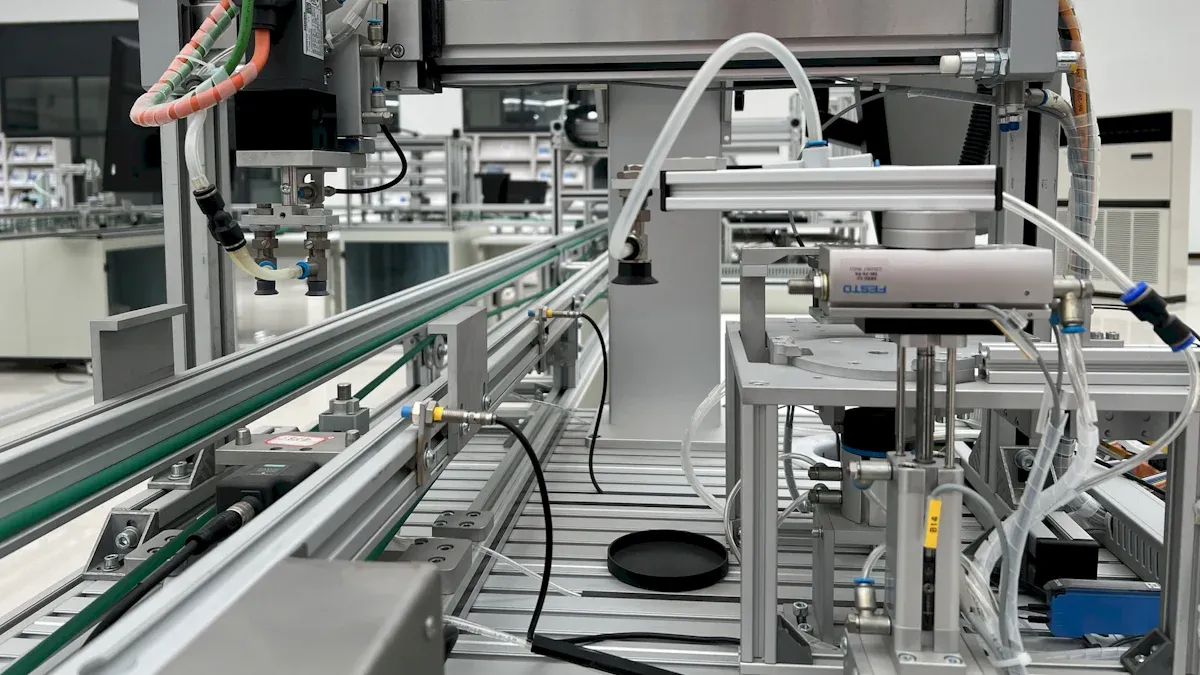
No Backup Process
Operations should have contingency procedures for system or equipment failures.
Automated Fulfillment and Imported Inventory
For businesses selling imported products, automated fulfillment can begin after international freight reaches domestic inventory.
A simplified process is:
International Supplier → Ocean Freight → U.S. Port → Customs Clearance → Drayage → Warehouse → Automated Fulfillment → Domestic Delivery
Automation can therefore improve the domestic portion of a supply chain even though the inventory originated internationally.
Frequently Asked Questions
What is automated order fulfillment?
It is the use of software, equipment, or integrated technologies to automate parts of order processing, inventory allocation, picking, sorting, packing, labeling, and shipping.
Is automation only for large warehouses?
No. Smaller warehouses can also automate selected processes. The appropriate level depends on order volume, product characteristics, labor costs, and growth plans.
Does warehouse automation eliminate employees?
Not necessarily. Many systems are designed to assist employees rather than replace them entirely.
What is the biggest benefit of fulfillment automation?
For high-volume operations, major benefits can include increased throughput, improved consistency, better inventory visibility, and reduced repetitive labor.
How should a business start automating fulfillment?
Start by identifying the largest operational bottleneck, measuring the current process, improving the workflow, and then selecting technology that addresses the specific problem.
Final Takeaway
Automated order fulfillment systems can transform bulk processing by increasing throughput, reducing repetitive work, improving inventory visibility, and supporting consistent order accuracy.
However, successful automation depends on more than buying equipment or software.
Businesses need accurate inventory, well-designed warehouse processes, reliable system integration, trained employees, and measurable performance targets.
The strongest approach is to automate the right bottlenecks rather than automate everything simply because technology exists. When automation is aligned with actual order patterns and operational requirements, it can become a scalable foundation for high-volume fulfillment.
See Also
Connecting Warehouses To Enhance Supply Chain Efficiency
Simplifying Supply Chain Management With U.S. Logistics Services
PGL’s Knowledge Ensures Smooth Operations In U.S. Supply Chains

