Inside Large Retail Warehouses: Operations, Careers, and Distribution Networks Explained
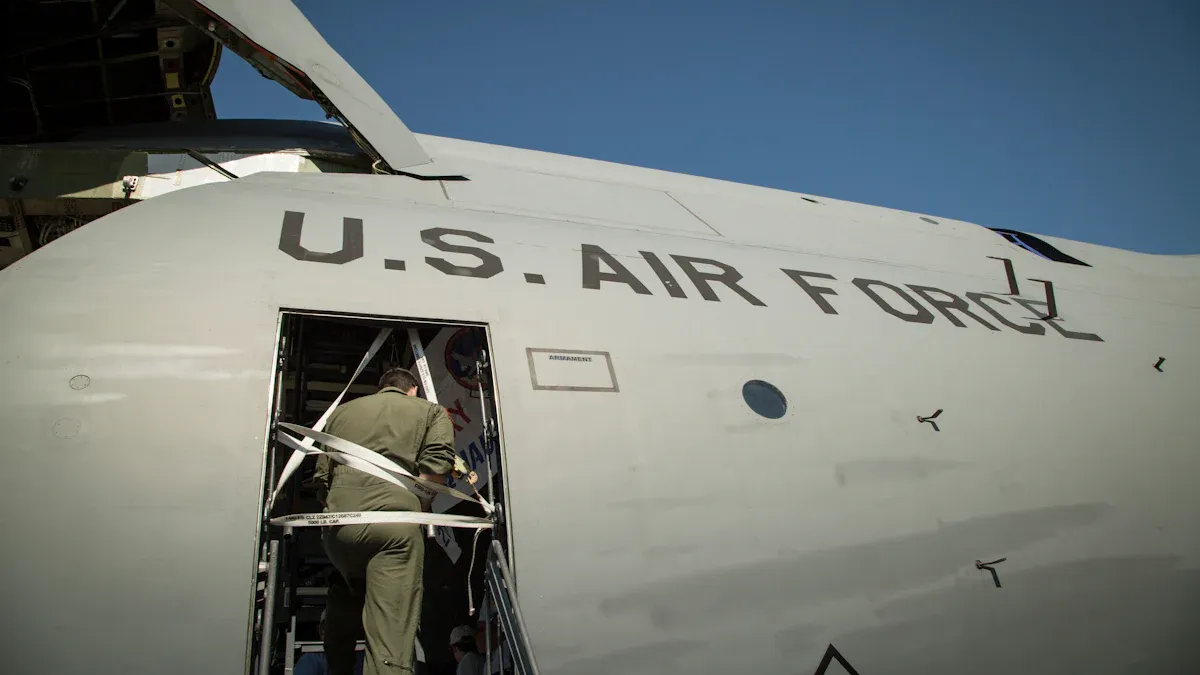
Large retail businesses depend on complex warehouse and distribution systems to move products from suppliers to stores and ecommerce customers. Behind the shelves, online product listings, and frequent promotional campaigns is a network of distribution centers that receive, organize, process, and ship enormous volumes of inventory.
Retail warehouses are designed to handle a wide variety of products while maintaining efficient inventory movement. Unlike smaller storage facilities, large distribution centers often combine receiving, inventory management, order processing, sorting, packing, and transportation coordination under one operational system.
For businesses looking to understand retail logistics, these facilities also provide useful insight into how modern supply chains operate. From warehouse employees and material-handling equipment to inventory technology and transportation networks, every part of the operation contributes to getting products where they need to go.
What Is a Large Retail Warehouse?
A large retail warehouse is a facility used to receive, store, organize, and distribute products throughout a retail supply chain.
Depending on the business model, a distribution center may supply physical retail stores, ecommerce customers, regional warehouses, or a combination of these destinations.
The primary functions of a large retail warehouse may include:
Receiving inbound shipments
Unloading and inspecting cargos
Inventory storage
SKU management
Order processing
Picking and sorting
Packing and labeling
Cross-docking
Shipment consolidation
Outbound loading
Returns processing
Transportation coordination
The facility essentially acts as a connection point between suppliers and downstream retail operations.
How Retail Distribution Centers Operate
A large retail distribution center typically operates through several interconnected stages.
The process begins when shipments arrive from suppliers or other distribution locations. Warehouse personnel unload the cargos and verify quantities and product information.
After receiving, products are assigned to designated storage or processing areas. Some inventory may be placed into long-term storage, while high-demand products may move quickly through the facility.
When stores or ecommerce customers generate demand, warehouse systems create the corresponding fulfillment tasks. Employees or automated equipment then retrieve products, sort them according to destination, and prepare them for outbound transportation.
This continuous movement requires careful coordination because thousands or even millions of individual units may pass through a distribution facility over a given period.
Inbound Receiving and Inventory Processing
Inbound receiving is one of the most important stages of retail warehouse operations.
When shipments arrive, warehouse employees need to confirm that the correct products and quantities have been delivered. Damaged cartons or inventory discrepancies may need to be identified before products enter the warehouse inventory system.
Efficient receiving helps prevent downstream problems.
If inventory is entered incorrectly at the beginning of the process, the error can affect stock levels, order fulfillment, store replenishment, and ecommerce availability.
Modern warehouses may use barcode scanners, electronic documentation, automated data capture, and warehouse management systems to improve receiving accuracy.

Inventory Storage and Organization
Large retail warehouses need to store a broad range of products efficiently.
Storage systems may include pallet racks, shelving, bins, automated storage equipment, and designated staging areas.
The location of products within the warehouse can influence operational efficiency. Fast-moving SKUs are often positioned in areas that provide convenient access for picking, while slower-moving inventory may occupy other storage locations.
Warehouse layout also needs to account for product size, weight, handling requirements, and replenishment frequency.
An efficient layout can reduce unnecessary movement and help employees process orders more quickly.
Order Picking in Retail Warehouses
Order picking involves retrieving products from warehouse storage based on specific fulfillment requirements.
In a retail distribution center, an order may represent inventory needed by a particular store, ecommerce customer, regional facility, or other destination.
Different picking strategies may be used depending on order volume and warehouse design.
Common approaches include:
Single-order picking
Batch picking
Zone picking
Wave picking
Automated picking
Pick-to-light systems
Technology can help warehouse employees identify the correct products and quantities while reducing manual errors.
Sorting and Shipment Consolidation
After products are picked, they may need to be sorted according to their final destinations.
A large distribution center can process shipments for numerous stores or delivery locations simultaneously. Products therefore need to be grouped correctly before transportation.
Shipment consolidation can improve transportation efficiency by combining multiple products or orders into a coordinated outbound shipment.
Automated conveyors, sorting systems, scanning technology, and warehouse management software can help coordinate this process.
Cross-Docking in Retail Distribution
Cross-docking is another strategy used in some retail warehouse operations.
Instead of placing inbound products into long-term storage, products can be transferred directly from receiving areas to outbound staging areas for shipment to their next destination.
This approach can reduce storage time and handling requirements.
Cross-docking can be particularly useful for products with predictable demand or inventory that needs to move rapidly through the supply chain.
However, it requires accurate scheduling, reliable inventory information, and strong coordination between inbound and outbound transportation.
Technology Used in Large Retail Warehouses
Technology plays an increasingly important role in large-scale warehouse operations.
Warehouse management systems can track inventory, assign storage locations, generate picking tasks, and provide information about inbound and outbound shipments.
Barcode scanning helps verify products at different stages of the warehouse process.
Larger facilities may also use:
Conveyor systems
Automated sorting equipment
Robotics
Automated guided vehicles
Real-time inventory tracking
Digital warehouse dashboards
Transportation management systems
Electronic data interchange
Automation does not eliminate the need for warehouse employees. Instead, it can shift employee responsibilities toward equipment operation, exception management, inventory control, maintenance, and other specialized activities.
The Role of Warehouse Employees
People remain an essential part of retail warehouse operations.
Warehouse careers can include a wide range of positions, from entry-level operational roles to technical and management positions.
Common warehouse jobs include:
Warehouse associate
Receiving associate
Order picker
Packer
Material handler
Forklift operator
Inventory control specialist
Shipping coordinator
Maintenance technician
Warehouse supervisor
Operations manager
The responsibilities and qualifications for each position vary according to the facility and role.
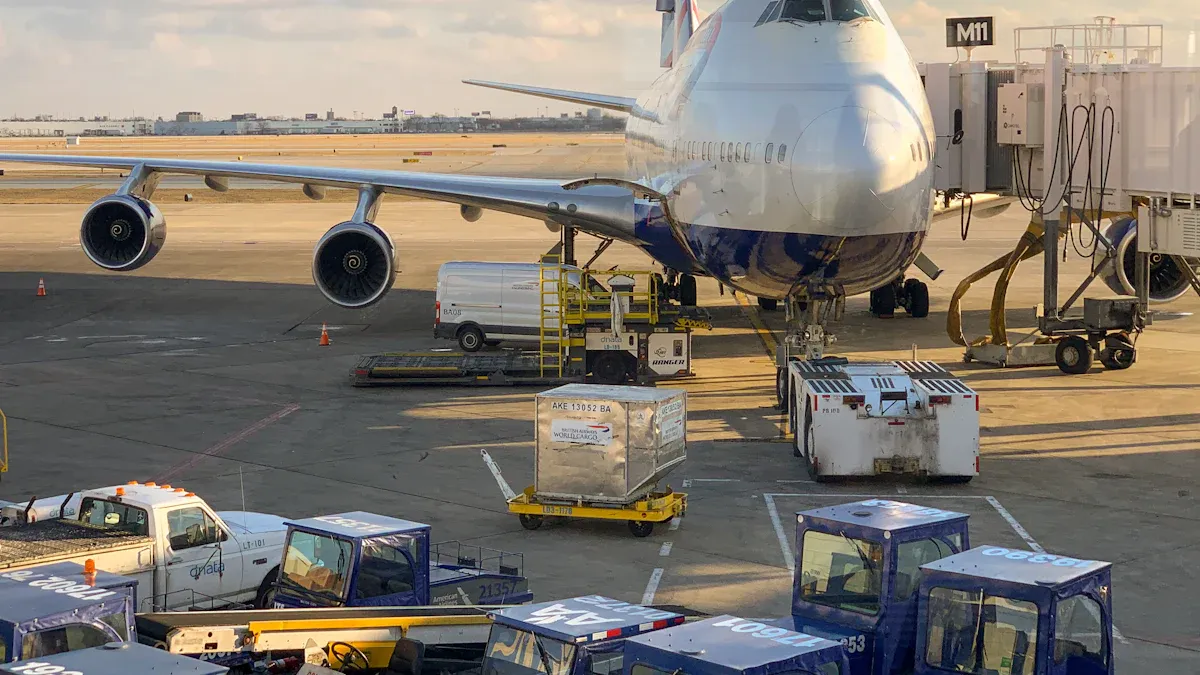
Skills Needed for Retail Warehouse Careers
Many warehouse positions emphasize practical operational skills, attention to detail, reliability, and the ability to follow established procedures.
Employees may also need to work with warehouse management systems, handheld scanners, material-handling equipment, or automated systems.
For specialized positions, additional technical knowledge may be required.
Forklift and other equipment operators may need appropriate training or certification, while maintenance and automation roles can require mechanical, electrical, or technical experience.
Management positions generally involve additional responsibilities related to staffing, productivity, safety, inventory accuracy, and operational planning.
Warehouse Safety and Training
Safety is a fundamental part of large warehouse operations.
Distribution centers may involve forklifts, pallet racks, conveyors, loading docks, automated equipment, heavy cargos, and high levels of employee activity.
Warehouse operators therefore establish procedures designed to reduce workplace hazards.
Training may cover:
Material handling
Equipment operation
Loading dock procedures
Personal protective equipment
Emergency procedures
Warehouse traffic management
Safe lifting techniques
Workplace hazard awareness
Regular training and clearly defined operating procedures can help employees understand how to perform their responsibilities safely.
How Retail Warehouses Connect to Distribution Networks
A retail warehouse rarely operates as an isolated facility.
Large retail supply chains may include suppliers, ports, transportation providers, distribution centers, regional facilities, stores, ecommerce fulfillment locations, and final delivery networks.
A distribution center may receive inventory from multiple suppliers and then redistribute it across different regions.
The warehouse therefore acts as an important node within the overall supply chain.
Strategically located distribution centers can help businesses position inventory closer to major customer markets and retail locations.
Choosing Warehouse Locations
Location is a major factor in retail distribution network design.
Businesses may evaluate proximity to major highways, ports, airports, population centers, transportation hubs, and labor markets when selecting warehouse locations.
A strategically positioned facility can reduce transportation distances and improve access to downstream markets.
However, warehouse location also involves costs. Businesses need to balance transportation efficiency with real estate expenses, labor availability, taxes, infrastructure, and long-term capacity requirements.
Retail Warehouses and Ecommerce Fulfillment
The growth of ecommerce has changed the role of many retail distribution centers.
Traditional retail warehouses were primarily designed to replenish stores with larger shipments. Ecommerce fulfillment often involves smaller individual orders that need to be picked, packed, labeled, and shipped directly to customers.
This creates different operational requirements.
Ecommerce fulfillment may require:
Individual order picking
Parcel packaging
Shipping label generation
Carrier coordination
Real-time inventory updates
Returns processing
Faster order turnaround
Some distribution networks use separate facilities for store replenishment and ecommerce fulfillment, while others integrate both functions.
Returns Management
Retail returns can create significant reverse logistics requirements.
Returned products may need to be received, inspected, sorted, and assigned a final disposition.
Depending on product condition, returned inventory may be returned to available stock, sent for repair, redirected to another location, or processed through other established channels.
Efficient returns management can help businesses recover inventory value while maintaining accurate stock records.
Sustainability in Retail Warehouse Operations
Large warehouses can consume significant amounts of energy and generate substantial packaging and transportation activity.
Businesses are increasingly examining ways to improve warehouse sustainability.
Potential measures include:
Energy-efficient lighting
Improved building insulation
Renewable energy systems
Efficient material handling
Packaging optimization
Recycling programs
Transportation consolidation
More efficient warehouse layouts
Sustainability initiatives can also overlap with operational efficiency. Reducing unnecessary movement, packaging, or transportation can sometimes reduce both resource consumption and operating costs.
Challenges Facing Large Retail Warehouses
Large retail warehouses face several ongoing challenges.
Demand can change rapidly, particularly during holiday seasons and promotional periods. Labor availability can also affect warehouse capacity.
Inventory accuracy is another major concern. With large numbers of SKUs and constant product movement, even small errors can create significant downstream problems.
Transportation disruptions, supplier delays, equipment failures, and unexpected demand changes can also affect warehouse performance.
Successful distribution operations therefore require contingency planning, accurate data, flexible labor strategies, and effective communication across the supply chain.
The Future of Retail Warehouse Operations
Retail warehouses are continuing to evolve as ecommerce, automation, data analytics, and customer expectations reshape supply chains.
Automation is likely to play a larger role in repetitive warehouse activities, while employees increasingly handle technical, supervisory, and exception-management responsibilities.
Artificial intelligence and advanced analytics may also help businesses forecast demand, optimize inventory placement, improve labor planning, and identify operational bottlenecks.
At the same time, physical warehouse infrastructure will remain essential. Technology can improve how a distribution center operates, but products still need to be received, stored, handled, and transported.
Conclusion
Large retail warehouses are essential components of modern distribution networks. They connect suppliers with stores and ecommerce customers while coordinating inventory storage, order processing, shipment preparation, and transportation.
Behind the operation is a combination of warehouse employees, technology, equipment, inventory systems, and transportation infrastructure. Each component contributes to maintaining a reliable flow of products through the supply chain.
For businesses evaluating retail warehousing or distribution solutions, understanding these operations can help identify the infrastructure, technology, labor, and transportation capabilities required for efficient fulfillment.
As retail continues to become more connected across physical and digital channels, warehouse operations will remain a critical part of delivering products efficiently from suppliers to customers.
See Also
Top Reasons To Select Premier Global Logistics For Exports
Simplifying U.S. Air Export Services Through Premier Global Logistics
Avoid Shipping Delays Using Premier Global Logistics Warehousing
Effective Strategies For Efficient Warehousing At Key U.S. Locations
Strategic Warehousing In Miami And LA Enhances U.S. Supply Chains

