Complete Guide to Cargo Services: Shipping, Venues, and Logistics Hubs
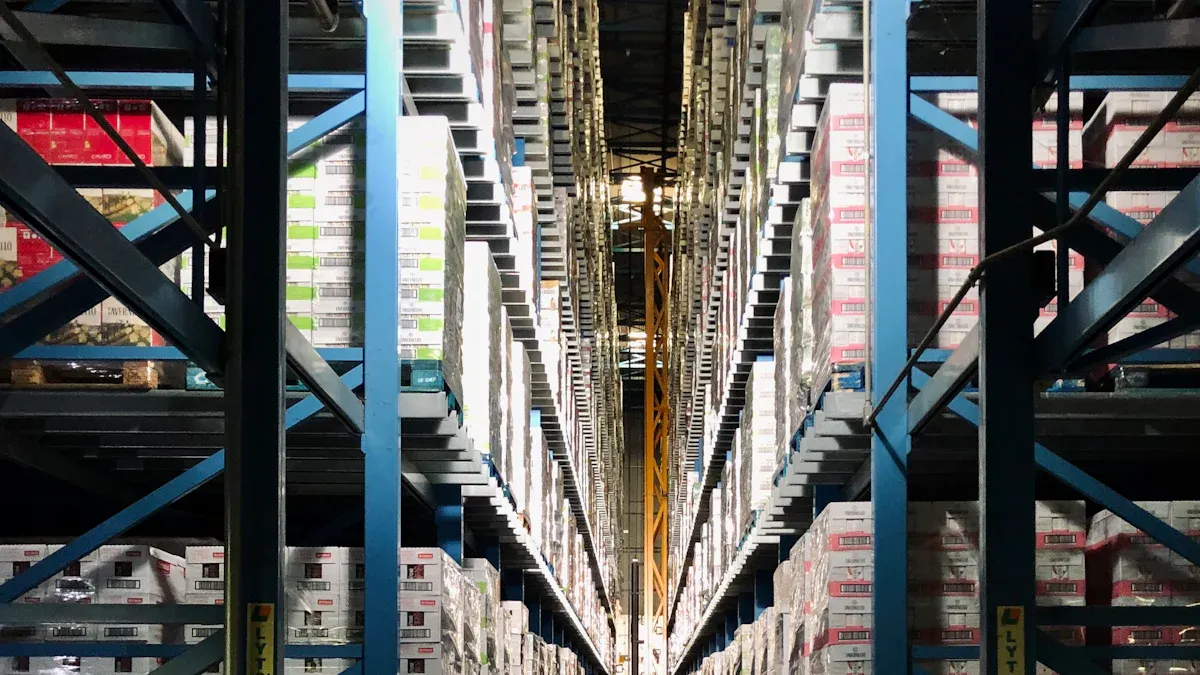
Cargo services are a fundamental part of modern trade. Every shipment that moves from a manufacturer to a distributor, retailer, warehouse, or final customer depends on a series of transportation, handling, storage, and coordination activities. While the term “cargo services” sounds simple, it covers a broad range of logistics functions, from freight transportation and cargo handling to warehousing, transloading, customs coordination, and final delivery.
For businesses involved in domestic or international trade, understanding how cargo services work can make transportation planning significantly easier. The right combination of transportation modes, facilities, and logistics partners can improve delivery reliability, control costs, reduce unnecessary handling, and help businesses respond more effectively to changes in supply chain conditions.
This complete guide explains the major components of cargo services, the role of shipping venues and logistics hubs, the different transportation options available, and the factors businesses should consider when planning cargo movements.
What Are Cargo Services?
Cargo services refer to the collection of transportation and logistics activities used to move, handle, store, process, and deliver cargo.
Depending on the shipment and supply chain, cargo services may include:
· Ocean freight transportation
· Air freight transportation
· Truck transportation
· Rail transportation
· Drayage
· Warehousing
· Cross-docking
· Transloading
· Cargo consolidation
· Cargo deconsolidation
· Customs-related coordination
· Container handling
· Freight documentation
· Distribution and final-mile delivery
Cargo services are not limited to the physical movement of shipments. Logistics coordination is equally important. A shipment may need to move between several facilities and transportation modes before reaching its final destination.
For example, an imported container may travel by ocean vessel to a seaport, move through a terminal, be transported by drayage truck to a warehouse, unloaded through transloading, and then be distributed by truck to multiple destinations.
The physical transportation is only one part of the process. The coordination between each stage determines whether the cargo moves efficiently.

The Main Types of Cargo Services
Cargo requirements vary according to shipment size, destination, urgency, cargo characteristics, and transportation infrastructure.
Ocean Freight
Ocean freight is widely used for international cargo because vessels can transport large quantities of cargo at a relatively efficient cost.
Ocean shipping is generally divided into two major categories: Full Container Load and Less than Container Load.
Full Container Load, or FCL, is used when a shipper has enough cargo to utilize an entire container. The container is generally loaded for one shipment or one consignee.
Less than Container Load, or LCL, is used when a shipment does not require a full container. Multiple shipments can be consolidated into one container.
FCL can provide greater control over the container and fewer cargo handling points, while LCL can be useful for smaller shipments that do not justify booking an entire container.
Air Freight
Air freight is generally selected when transportation speed is a higher priority.
Aircraft have limited cargo capacity compared with ocean vessels, so air transportation typically has a higher transportation cost per unit of cargo. However, it can significantly reduce transit time for urgent shipments, high-value cargo, time-sensitive components, and certain products with demanding delivery schedules.
Trucking
Trucking connects ports, airports, warehouses, distribution centers, manufacturing facilities, and final delivery locations.
Truck transportation may involve local pickup, regional transportation, long-distance full truckload service, less-than-truckload service, or specialized transportation.
Because trucking frequently connects different parts of the supply chain, it is often the link between international transportation and domestic distribution.
Rail Transportation
Rail can be an important option for moving large volumes of cargo over long inland distances.
Intermodal transportation often combines ocean shipping, rail, and trucking. A container may arrive at a marine terminal, move by rail toward an inland destination, and then be transferred to a truck for final delivery.
This approach can provide an alternative to moving the entire inland distance by truck.
What Are Shipping Venues?
The term “shipping venue” can refer broadly to the physical locations where cargo is received, processed, transferred, stored, or dispatched.
Important shipping venues include:
· Seaports
· Marine terminals
· Airports
· Rail terminals
· Container yards
· Warehouses
· Distribution centers
· Cross-dock facilities
· Transloading facilities
· Inland container depots
Each location performs a different function within the supply chain.
A seaport, for example, provides infrastructure for ocean vessels and container movement. A warehouse provides storage and cargo handling. A cross-dock facility can transfer cargo between inbound and outbound transportation with minimal storage.
Understanding these facilities helps businesses determine where delays or additional handling costs may occur.

The Role of Logistics Hubs
A logistics hub is a strategic location where cargo from different transportation routes, origins, or destinations is consolidated, transferred, stored, or redistributed.
Logistics hubs can improve supply chain efficiency by connecting multiple transportation modes and geographic markets.
A major logistics hub may include access to:
· Highways
· Rail networks
· Airports
· Seaports
· Warehousing facilities
· Distribution centers
· Container terminals
The value of a logistics hub is not simply its physical size. Connectivity is often more important.
A facility located close to major transportation infrastructure can reduce unnecessary repositioning and transportation time.
Cargo Consolidation and Deconsolidation
Cargo consolidation involves combining multiple shipments into a larger transportation unit.
LCL shipping is a common example. Several smaller shipments may be consolidated into one ocean container.
At the destination, the container may be moved to a facility where the cargo is separated. This process is known as deconsolidation.
Consolidation can help smaller shippers access international transportation without paying for an entire container.
However, consolidation can also introduce additional handling. Businesses should consider the balance between transportation cost and handling requirements.
Transloading and Cross-Docking
Transloading involves transferring cargo from one transportation mode or equipment type to another.
For example, cargo arriving in an international container may be unloaded and transferred into domestic trailers for inland distribution.
Cross-docking is different because cargo generally spends little or no time in storage. Inbound cargo is received and then transferred to outbound transportation.
Both services can reduce storage requirements and help businesses move cargo through distribution networks more quickly.
Why Cargo Handling Matters
Cargo handling is an often-overlooked part of transportation planning.
Every time cargo is loaded, unloaded, transferred, or repositioned, there is potential for additional labor, time, and handling costs.
Poor handling procedures can also increase the risk of:
· Packaging damage
· Misrouting
· Shipment delays
· Inventory discrepancies
· Documentation errors
Effective cargo handling requires appropriate equipment, trained personnel, accurate records, and clear operating procedures.
Choosing Cargo Services for Different Shipments
There is no single cargo service that works for every shipment.
A business should consider several factors before selecting transportation and handling services.
Shipment Volume
Large shipment volumes may justify FCL or full truckload transportation, while smaller shipments may benefit from LCL or LTL services.
Delivery Requirements
Urgent cargo may require air freight or expedited trucking. Less time-sensitive cargo may be better suited to ocean or rail transportation.
Cargo Characteristics
Some cargo requires special handling because of dimensions, weight, temperature, value, or regulatory requirements.
Origin and Destination
The available transportation infrastructure can strongly influence the best logistics solution.
A shipment moving between major ports and inland distribution centers may have several transportation options, while cargo moving to a remote location may require multiple transportation stages.
Total Logistics Cost
Transportation rates are only one part of the total cost.
Businesses should also consider:
· Terminal charges
· Handling charges
· Storage
· Drayage
· Documentation
· Transloading
· Customs-related expenses
· Final delivery
· Potential accessorial charges
Looking only at the basic transportation rate can create an inaccurate picture of the actual logistics cost.
Technology in Cargo Services
Technology has become increasingly important in cargo operations.
Transportation management systems can help businesses coordinate shipments, monitor transportation activities, and manage documentation.
Tracking technologies can provide visibility into shipment status, while warehouse management systems can improve inventory accuracy and cargo handling.
Data can also help identify recurring delays, transportation bottlenecks, and unnecessary logistics expenses.
Common Cargo Service Challenges
Cargo operations can be affected by many variables.
Port congestion, weather, equipment shortages, labor disruptions, customs delays, inaccurate documentation, and transportation capacity constraints can all affect delivery schedules.
Businesses can reduce some risks through better planning.
Maintaining accurate shipment information, preparing documentation early, selecting appropriate transportation modes, and maintaining communication between logistics participants can improve operational reliability.
Final Thoughts
Cargo services encompass much more than simply transporting shipments from one location to another. They include the network of transportation, facilities, handling operations, storage functions, and logistics coordination required to move cargo through a supply chain.
Understanding the relationship between shipping venues, logistics hubs, transportation modes, warehouses, terminals, and distribution facilities allows businesses to make better logistics decisions.
Whether a company is moving one container internationally or managing a large distribution network, the objective remains the same: move cargo safely, efficiently, and predictably while maintaining control over total logistics costs.
A well-designed cargo strategy considers the entire transportation chain rather than focusing on a single shipping leg. When each stage is coordinated effectively, businesses can improve delivery performance, reduce unnecessary handling, and build a supply chain that is better prepared for changing transportation conditions.
See Also
Key Strategies for Effective Management of Global Logistics
Enhancing Global Operations Through Innovative Logistics Approaches
Prepare for Holiday Demand with PGL’s Logistics Services
Top Global Logistics – Optimizing Import Warehousing on the East Coast

