Specialized Return Management: How 3PL Return Warehouses Support Online Sellers
Understanding the Importance of Professional Return Management
In modern e-commerce, the customer experience does not end when an order is delivered. Product returns have become an important part of the complete purchasing process, and businesses need efficient systems to manage returned products, protect inventory value, and maintain customer satisfaction.
As online sales continue to grow, return volumes have also increased. Businesses that rely on traditional fulfillment methods often struggle with handling returned products because returns require additional inspection, processing, storage, and inventory management.
Specialized return management through a 3PL return warehouse provides businesses with professional solutions for managing this complex process.
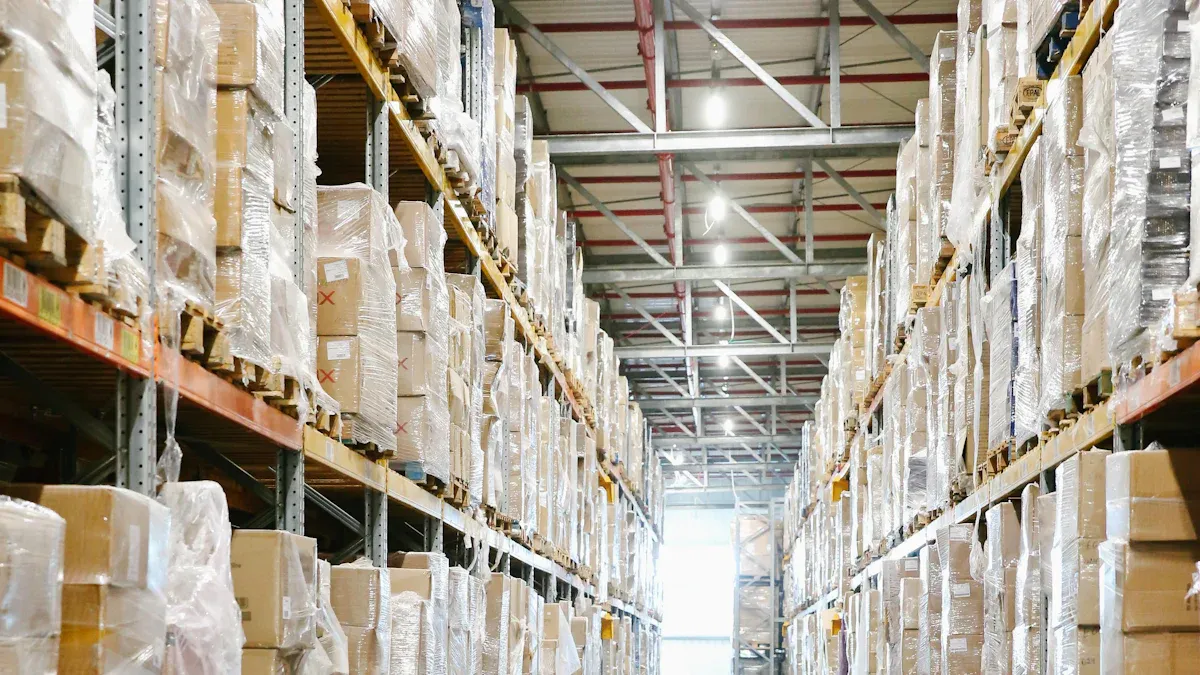
A return warehouse is designed to receive returned products, evaluate their condition, organize inventory updates, and determine the next appropriate action. Instead of allowing returns to become a costly operational burden, businesses can use professional logistics support to recover product value and improve supply chain efficiency.
Why Return Management Has Become a Major Supply Chain Challenge
Returns are a natural part of online commerce. Customers may return products for many reasons, including:
Incorrect size or specifications
Product preference changes
Damaged packaging
Delivery issues
Product defects
Order mistakes
While returns may appear simple from the customer’s perspective, the operational process behind them is complicated.
A returned product must often go through multiple steps:
Transportation back to the warehouse
Receiving and identification
Product inspection
Condition evaluation
Inventory adjustment
Restocking or further processing
Without an organized system, returned products can accumulate quickly and create unnecessary costs.
A professional return management process helps businesses maintain control over this part of the supply chain.
What Is a 3PL Return Warehouse?
A 3PL return warehouse is a specialized logistics facility that focuses on processing returned products on behalf of businesses.
Unlike traditional storage warehouses that mainly focus on outbound shipments, return warehouses are designed to manage reverse logistics.
Reverse logistics refers to the movement of products from customers back through the supply chain.
A 3PL return warehouse can provide services such as:
Return receiving
Product inspection
Inventory sorting
Quality evaluation
Restocking
Repackaging
Disposal coordination
Inventory reporting
These services allow businesses to manage returns efficiently without building their own reverse logistics infrastructure.
The Return Management Process Explained
An effective return process requires organization and accuracy.
Step 1: Return Receiving
When a customer sends back a product, the return shipment arrives at the warehouse.
Warehouse teams record the returned item, verify order information, and begin the inspection process.
Accurate receiving prevents inventory errors and ensures returned products are properly tracked.
Step 2: Product Inspection and Evaluation
After receiving a return, warehouse staff inspect the product condition.
Evaluation may include:
Checking product appearance
Confirming included accessories
Reviewing packaging condition
Testing product functionality when required
Based on inspection results, products can be categorized for the next step.
Step 3: Product Classification
Returned products are usually divided into different categories.
Possible classifications include:
Ready for resale
Requires repackaging
Requires repair
Suitable for liquidation
Not suitable for further sale
This classification process helps businesses recover as much product value as possible.
Step 4: Inventory Updates
Once products are evaluated, inventory records must be updated.
Accurate inventory management ensures that businesses know:
Which products are available
Which items need additional processing
Which products should be removed from inventory
Without proper inventory updates, businesses may experience inaccurate stock information and operational confusion.
Benefits of Using a Specialized Return Warehouse
A professional return management solution provides several advantages for growing businesses.
Improving Customer Experience
A smooth return process improves customer confidence.
Customers often consider return policies when deciding whether to purchase online. A complicated return experience can negatively affect future buying decisions.
Professional return management helps businesses process refunds, exchanges, and replacements more efficiently.
Reducing Operational Pressure
Handling returns requires time, labor, and management attention.
For businesses already managing product development, sales, and marketing, return processing can become overwhelming.
Outsourcing returns allows companies to focus on core business activities while logistics professionals manage reverse operations.
Recovering Product Value
Returned products do not always represent complete losses.
Many items can be:
Restocked
Repackaged
Resold
Redirected through alternative channels
A professional return warehouse helps identify the best option for each product.
Improving Inventory Accuracy
Returns affect inventory levels. Without proper tracking, businesses may lose visibility into available stock.
A 3PL return warehouse provides structured processes for recording product movement and maintaining accurate inventory information.
Supporting Sustainable Supply Chain Practices
Effective return management can also support sustainability goals.
Instead of automatically disposing of returned products, businesses can explore options such as:
Refurbishment
Recycling
Secondary sales channels
Product recovery programs
Better reverse logistics reduces unnecessary waste and improves resource utilization.
Return Management Challenges for Online Sellers
Many online sellers underestimate the complexity of returns.
Several challenges commonly appear:
High Return Volumes
Certain product categories experience higher return rates, creating additional warehouse workload.
Product Condition Differences
Returned products are not always in the same condition.
Each item requires evaluation before deciding its next destination.
Inventory Coordination
Returns must be connected with existing inventory systems to maintain accurate stock information.
Labor Requirements
Return processing requires trained personnel who understand inspection and classification procedures.
A specialized 3PL warehouse helps businesses overcome these challenges through established processes and operational experience.
How 3PL Return Warehouses Support Business Growth
For growing businesses, logistics challenges often increase as sales expand.
More orders naturally create more potential returns.
A scalable return management system allows businesses to grow without allowing reverse logistics to become a bottleneck.
A 3PL return warehouse provides:
Flexible processing capacity
Professional warehouse teams
Established workflows
Inventory management support
Operational scalability
This allows businesses to handle seasonal demand changes and long-term growth more effectively.
Industries That Benefit from Return Warehouse Services
Many industries can benefit from specialized return management.
Consumer Products
Retail products often experience frequent returns due to customer preferences and purchasing decisions.
Electronics
Technology products may require detailed inspection and testing before resale.
Apparel and Accessories
Clothing products often involve size-related returns that require organized processing.
Health and Beauty Products
Certain products require careful handling and evaluation procedures.
Online Marketplace Sellers
Businesses selling through online channels often need reliable return solutions as order volumes increase.
Choosing the Right 3PL Return Warehouse Partner
Selecting a return management provider requires careful evaluation.
Important considerations include:
Processing Capability
The warehouse should have the ability to handle expected return volumes.
Inspection Procedures
Clear evaluation standards help maintain product quality.
Technology Systems
Inventory tracking and reporting tools improve visibility.
Service Flexibility
The provider should be able to adjust operations as return volumes change.
Communication
Regular reporting and clear communication help businesses make better decisions.
Building a Stronger Reverse Logistics Strategy
Returns are no longer simply an after-sales issue. They are an important part of modern supply chain management.
Businesses that manage returns effectively can improve customer satisfaction, recover product value, and create more efficient operations.
A specialized 3PL return warehouse provides the expertise and infrastructure needed to manage reverse logistics professionally.
By integrating return processing with overall fulfillment operations, businesses can build a more complete supply chain strategy that supports both customer expectations and long-term growth.
In an increasingly competitive e-commerce environment, efficient return management is not just a cost-control measure. It is a key component of building a reliable, scalable, and customer-focused logistics operation.

See Also
Comprehensive East Coast B2B Warehousing And Distribution By Premier
Reliable Cold Chain Storage Solutions On The East Coast
Efficient Final Mile Delivery Services For East Coast Locations
Fast Order Fulfillment Through NJ And FL Warehousing Services
Enhancing West Coast Operations With Premier LA Warehousing Solutions

