Tracing the journey of Southern Records in Chicago

Southern Records shaped the independent music scene through its chicago southern distribution operations. This journey began in the mid-1990s, connecting artists and fans in new ways. Archival records from the National Archives at Chicago and collections at the Southeast Chicago Historical Museum document the timeline of this influence.
Source | Description |
|---|---|
National Archives at Chicago | Historical records from 1800 to early 2000s, including federal court and agency documents. |
Southeast Chicago Historical Museum | Artifacts and oral histories reflecting the region's diverse communities and music culture. |
The company’s work transformed local music networks and supported independent labels across Chicago.
Key Takeaways
Southern Records played a crucial role in connecting independent artists with fans in Chicago during the 1990s.
The company supported local labels by distributing diverse music genres, helping them reach wider audiences.
Adapting to industry changes is vital; Southern Records struggled as digital music became popular, highlighting the need for flexibility.
Building strong relationships with artists and local stores can enhance a distributor's impact and success.
The legacy of Southern Records continues to inspire independent labels to innovate and connect with listeners today.
Chicago Southern Distribution Operations Begin

Founding in the Mid-1990s
Southern Records opened its Chicago office during the mid-1990s. This period saw a surge in independent music across the United States. Many artists wanted to share their music without using major record labels. Chicago became a center for this movement. The city had a strong music community and many small venues. Southern Records saw an opportunity to help these artists reach more listeners.
The chicago southern distribution operations started with a small team. They worked from a modest office in the city. Their goal was to connect independent labels with record stores and fans. The team built relationships with local musicians and label owners. They also learned about the needs of the Chicago music scene. This helped them grow quickly.
Early Role in Indie Music Growth
The chicago southern distribution operations played a key role in the rise of indie music. They made it easier for small labels to get their records into stores. Many important labels trusted Southern Records to distribute their music. Some of these labels included:
Ipecac
Constellation
Southern Lord
These labels released music from many different genres. Punk, experimental, and metal artists all found support through Southern Records. The company helped these labels reach new audiences in Chicago and beyond.
Southern Records also worked with local record shops. They made sure new releases arrived on time. This helped fans discover new music every week. The chicago southern distribution operations became a bridge between artists, labels, and listeners. Their work supported the growth of independent music in Chicago during a very important time.
Growth and Key Partnerships
Operational Structure and Team
Southern Records built a strong team in Chicago. The staff included people with deep knowledge of music and distribution. Each member played a specific role. Some handled shipments and inventory. Others managed relationships with labels and stores. The team worked together to solve problems quickly. They often met to discuss new releases and plan deliveries. This teamwork helped the chicago southern distribution operations run smoothly.
The staff valued open communication. They shared ideas and listened to feedback from local artists and store owners.
Collaborations with Local Labels
Southern Records formed partnerships with many local labels. These collaborations helped both sides grow. Local labels gained access to a wider network of stores. Southern Records expanded its catalog with unique Chicago music. Some well-known local partners included Touch and Go Records and Thrill Jockey. These labels trusted Southern Records to deliver their music on time.
Touch and Go Records brought punk and indie rock to new fans.
Thrill Jockey introduced experimental and electronic sounds.
Drag City offered folk and alternative music.
These partnerships made the chicago southern distribution operations a key part of the city’s music scene.
Notable Releases and Milestones
Southern Records distributed many important albums. Some releases became classics in the indie world. The team celebrated each milestone, such as selling out a first pressing or landing a record in a major store. They also helped launch the careers of several Chicago artists. The company received praise from both musicians and fans.
Many in the music community remember Southern Records for its role in bringing new sounds to Chicago.
The company’s growth and partnerships left a lasting mark on independent music in the city.
Industry Shifts and Challenges
Market Changes in the 2000s
The early 2000s brought big changes to the music industry. Many independent distributors faced new struggles. Large chain stores started to close or reduce shelf space for physical albums. Fans began to buy fewer CDs and vinyl records. Instead, they turned to digital downloads and online music. This shift made it harder for companies like Southern Records to keep their old business models. The chicago southern distribution operations saw a drop in orders from record stores. Local shops also struggled to compete with online sellers.
Southern Records had to rethink how they worked. They tried to adapt by offering more digital options. However, the speed of change made it difficult to keep up. Many small labels and distributors across the country faced the same problems. The whole industry felt the pressure from new technology and changing habits.
Competition and Digital Disruption
Digital music platforms changed the way people listened to songs. Streaming services became popular. These services paid artists and labels much less per stream than traditional album sales. Southern Records saw their revenue shrink as more fans chose streaming over buying music.
Evidence | Description |
|---|---|
Streaming Revenue | Streaming services typically offer lower payouts per stream compared to traditional sales, affecting revenue generation for labels like Southern Records. |
Shift in Consumer Behavior | The transition from ownership to access has led to a decline in physical album sales and digital downloads. |
Increased Marketing Focus | There is a heightened emphasis on marketing and playlist promotion, especially for emerging artists in a competitive market. |
Streaming services pay artists a fraction of a cent per stream, raising concerns about fair compensation.
The decline in traditional sales methods has created challenges in maintaining revenue streams.
Southern Records also faced more competition. New digital distributors entered the market. These companies used technology to reach fans directly. The chicago southern distribution operations had to compete with both old and new rivals. The team worked hard to support their labels, but the industry kept changing. Many independent distributors struggled to survive during this time.
Decline and Closure in 2008
Events Leading to Shutdown
Southern Records faced many problems in the years before 2008. The team saw sales drop as more people used digital music. Local record stores closed their doors. Many labels struggled to keep up with new technology. Southern Records tried to change its business, but the changes came too fast.
Several key events led to the shutdown:
Falling Sales: Fewer people bought physical albums. Stores ordered less stock.
Rising Costs: Shipping and storage became more expensive. The company had to pay more to move records.
Label Departures: Some labels left Southern Records for digital distributors. They wanted faster and cheaper ways to reach fans.
Economic Pressure: The 2008 financial crisis made things worse. Many small businesses closed. Southern Records lost important partners.
"The music industry changed overnight. Southern Records could not keep up with the speed of digital music," said a former employee.
The team worked hard to save the Chicago office. They tried new ideas, like selling music online. They also reached out to new labels. Despite these efforts, the company could not stop the losses. In 2008, Southern Records announced the closure of its Chicago distribution operations.
Aftermath and Office Move to London
After the shutdown, the Chicago staff faced tough choices. Some found new jobs in music. Others left the industry. The closure left a gap in the local music scene. Many artists and labels lost a trusted partner.
Southern Records moved its main office to London. The company focused on its UK operations. The London team took over some of the work from Chicago. They continued to support independent labels, but the focus shifted to Europe.
The move to London helped Southern Records survive.
The company used its experience from Chicago to improve its services.
London became the new center for Southern Records' global network.
Note: The closure of the Chicago office marked the end of an era for many in the city’s music community. The lessons learned during this time still shape how independent labels and distributors work today.
Southern Records’ journey in Chicago ended in 2008, but its influence did not disappear. The company’s story shows how quickly the music industry can change and how important it is to adapt.
Legacy in Chicago’s Music Scene
Impact on Local Artists and Labels
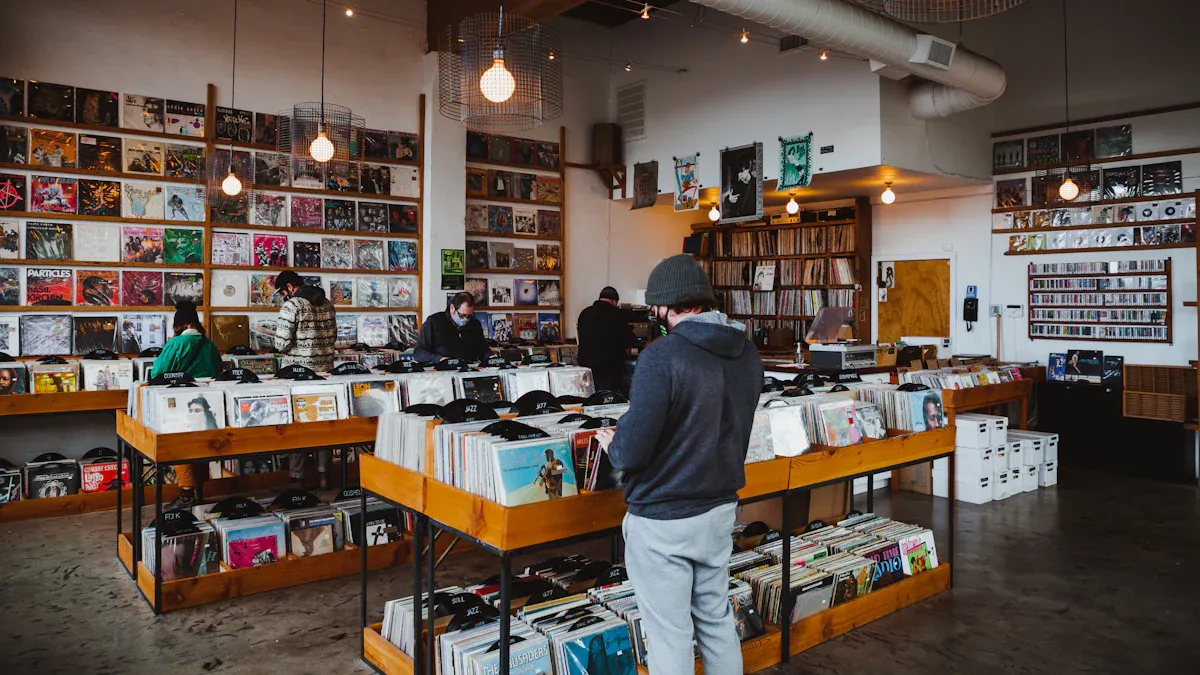
Southern Records left a strong mark on Chicago’s independent music community. Many local artists found their first audience through the chicago southern distribution operations. These artists gained access to record stores and fans who might not have discovered their music otherwise. Labels in Chicago also benefited from the company’s network. They could share their releases with a wider audience and build stronger reputations.
Musicians often remember how Southern Records supported their early careers. The company helped them press records, plan releases, and reach new listeners. Local labels like Touch and Go and Thrill Jockey grew with this support. The connections made during this time still help artists and labels today. Many people in Chicago’s music scene see Southern Records as a key part of their history.
“Southern Records gave us a chance when few others would,” said one Chicago label owner.
Lessons for Independent Distribution
The story of Southern Records teaches important lessons for today’s music industry. Since 2008, the shift from physical sales to digital platforms has changed how labels operate. Companies like Southern Records had to adapt quickly. Many learned to use new revenue streams, such as selling merchandise and licensing music for films or commercials. Fair deals and artist control have become more important in the digital age.
Independent distributors now focus on building strong relationships with artists and fans. They use social media and streaming services to reach people around the world. The experience of the chicago southern distribution operations shows that flexibility and innovation are key to survival. Labels that listen to artists and respond to changes in technology can still thrive.
Tip: Independent labels should always look for new ways to connect with listeners and support their artists.
The legacy of Southern Records lives on in the way Chicago’s music scene continues to grow and adapt.
Southern Records’ Chicago operations began with a vision to connect independent artists and fans. The company’s closure in 2008 marked a turning point for local music. Independent record shops and labels like Sooper and Classick Studios continue to support Chicago’s creative community. The case of Southern Records also shows how copyright law and digital changes affect independent distribution. Chicago’s music scene still reflects Southern traditions, with blues and house music shaping its sound. The legacy of Southern Records inspires new generations to innovate and share music.
FAQ
What did Southern Records distribute in Chicago?
Southern Records distributed music from independent labels. The team handled punk, experimental, metal, and electronic albums. They worked with labels like Dischord, Ipecac, Touch and Go, and Thrill Jockey.
Why did Southern Records close its Chicago office?
Southern Records closed the Chicago office in 2008. Sales dropped because fans switched to digital music. Costs increased, and many labels left for digital distributors. The 2008 financial crisis made things harder.
How did Southern Records help local artists?
Southern Records gave local artists a way to reach new fans.
The team helped musicians press records and deliver them to stores.
Many artists started their careers with support from Southern Records.
What lessons can independent labels learn from Southern Records?
Lesson | Description |
|---|---|
Adapt to change | Labels must adjust to new technology quickly. |
Build relationships | Strong connections with artists and fans matter. |
Support innovation | Trying new ideas helps labels survive. |
See Also
Top Reasons Southern California Brands Trust PGL Warehousing
PGL's Warehousing: Key Logistics Centers in Miami and LA
Reliable Fulfillment and Warehousing Solutions by PGL in CA and WA
Effective Strategies for Efficient Warehousing by PGL Nationwide
Dependable Fulfillment and Warehousing Offered by PGL in NY and Boston
