The Complete Guide to Export Operations: Processes, Regulations, and Best Practices for International Shipping
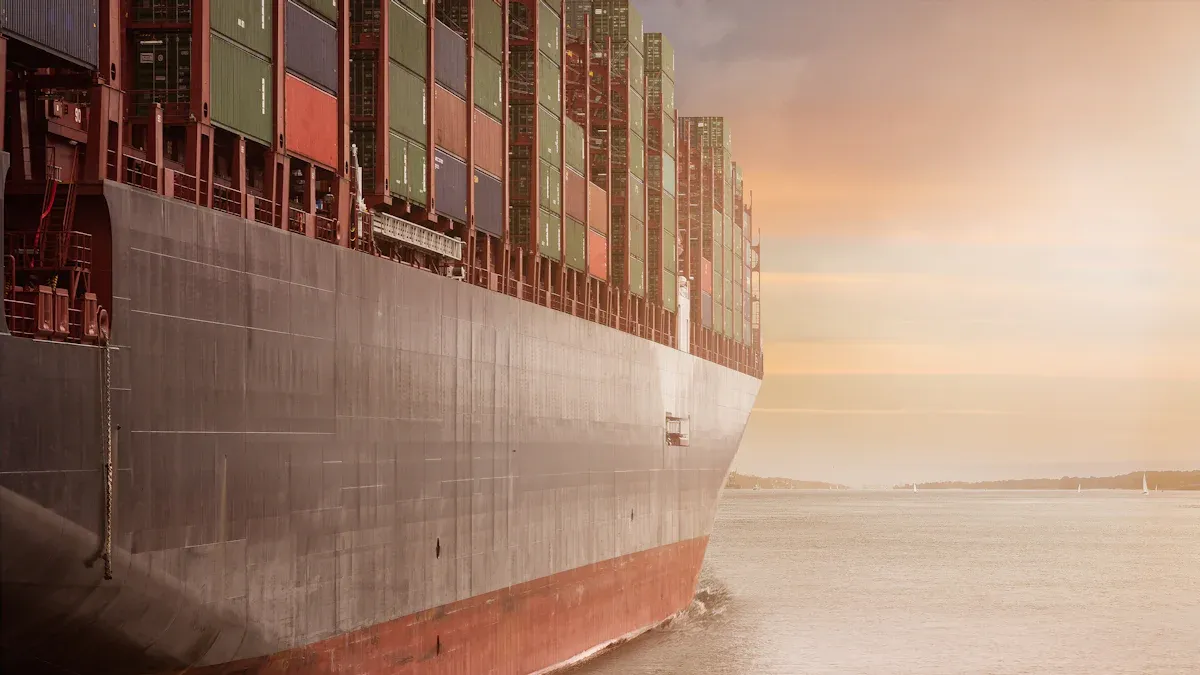
Export operations involve much more than moving products from one country to another. A successful export shipment requires coordination among the exporter, buyer, transportation providers, customs authorities, and other parties involved in international trade.
From product classification and export documentation to transportation booking, cargo handling, and destination-country requirements, every stage can affect cost, transit time, and compliance.
This guide explains the export process step by step and provides practical strategies for managing international shipments more efficiently.
What Are Export Operations?
Export operations include the activities required to move goods from the exporting country to an international destination while meeting applicable commercial, transportation, and regulatory requirements.
Typical export activities include:
· Order preparation
· Product classification
· Export documentation
· Commercial invoice preparation
· Packing list preparation
· Transportation booking
· Cargo pickup
· Export customs processing
· International transportation
· Shipment tracking
· Destination coordination
The exact requirements depend on the product, destination, transportation mode, and applicable regulations.
Step 1: Confirm the Export Order
Before shipping, the exporter should verify:
· Buyer information
· Product description
· Quantity
· Price
· Delivery destination
· Payment terms
· Delivery terms
· Required shipping date
Incorrect information at this stage can create problems later in documentation and customs processing.
Step 2: Classify the Goods
Correct product classification is an important part of international trade compliance.
Classification may affect:
· Customs requirements
· Duties
· Taxes
· Export controls
· Documentation
· Licensing
The product should be described accurately rather than using vague commercial terms.
For example, “machine parts” may be insufficient if customs authorities require a more specific description.
Step 3: Determine the Country of Origin
Country of origin refers to where the goods were produced or otherwise meet applicable origin rules.
Origin information can affect:
· Tariff treatment
· Trade agreements
· Marking requirements
· Import requirements
· Customs declarations
Origin should not be confused with the country from which the goods are shipped.

Step 4: Prepare Export Documents
Common export documentation may include:
· Commercial invoice
· Packing list
· Transportation document
· Export declarations where applicable
· Certificates of origin where required
· Licenses or permits where applicable
Documentation requirements vary according to the shipment.
Step 5: Select the Transportation Mode
Exporters may choose among:
· Ocean freight
· Air freight
· Trucking
· Rail
· Courier or parcel services
Ocean freight is generally suitable for larger shipments where transit time is less urgent.
Air freight may be more appropriate for high-value or time-sensitive cargo.
Step 6: Book International Transportation
The exporter or logistics provider arranges transportation according to:
· Cargo volume
· Weight
· Destination
· Required delivery date
· Budget
· Product characteristics
For ocean freight, the shipment may use full container load or less-than-container load transportation.
Step 7: Prepare Cargo for Pickup
Cargo should be packaged appropriately for international transportation.
Packaging should account for:
· Handling
· Stacking
· Moisture
· Long transit times
· Container movement
· Warehouse handling
Labels should also provide accurate shipping information.
Step 8: Complete Export Customs Procedures
Export customs procedures verify that the shipment meets applicable requirements before leaving the country.
Depending on the shipment, authorities may require:
· Export declarations
· Product information
· Classification information
· Value information
· Licensing documentation
Failure to provide accurate information can delay the shipment.
Step 9: International Transportation
Once export processing is completed, the cargo enters international transportation.
For ocean freight, the cargo may travel through:
Origin Warehouse → Export Terminal → Port → Ocean Vessel → Destination Port
For air freight:
Origin Facility → Airport → Air Transportation → Destination Airport
Step 10: Destination Import Processing
Although this is technically part of the import process, exporters should understand destination requirements.
The importer may need to arrange:
· Import customs clearance
· Duties and taxes
· Regulatory approvals
· Destination transportation
· Delivery
Exporters should communicate documentation requirements clearly to avoid downstream delays.
Common Export Documents
Commercial Invoice
Provides transaction information such as:
· Seller
· Buyer
· Product description
· Quantity
· Unit price
· Total value
· Currency
· Terms of sale
Packing List
Provides information about:
· Number of packages
· Package dimensions
· Gross weight
· Net weight
· Package contents
Bill of Lading
Used for ocean transportation and provides important information about the cargo and transportation contract.
Air Waybill
Used for air freight shipments.
Export Compliance Considerations
Exporters should consider applicable:
· Export controls
· Sanctions
· Licensing requirements
· Restricted goods rules
· Destination restrictions
· Documentation requirements
Compliance obligations vary depending on the product and destination.
Common Export Mistakes
Inaccurate Product Descriptions
Vague descriptions can make customs processing more difficult.
Incorrect Classification
An incorrect tariff or export classification can lead to delays or compliance issues.
Inconsistent Documents
Differences between invoices, packing lists, and transportation records can trigger questions.
Incorrect Values
Declared values should accurately reflect the transaction.

Poor Packaging
International transportation can involve repeated handling and long transit periods.
Insufficient Destination Planning
A shipment may successfully leave the origin country but still experience delays because the importer is not prepared for destination customs or delivery.
How to Improve Export Operations
Standardize Documentation
Use consistent document templates and review procedures.
Verify Shipment Data
Check quantities, descriptions, values, weights, and destinations before cargo departure.
Plan Transportation Early
Booking transportation early can improve capacity availability.
Coordinate With Importers
Ensure the destination party understands the shipment requirements.
Monitor Tracking
Track key events from pickup through export processing and international transportation.
Maintain Compliance Procedures
Regularly review export requirements relevant to products and destinations.
Frequently Asked Questions
What is the first step in an export shipment?
The process normally begins with confirming the commercial order and verifying product, buyer, destination, and delivery requirements.
What documents are required for export?
Common documents include a commercial invoice, packing list, transportation document, and applicable declarations, certificates, or licenses.
Why is product classification important?
Classification can affect customs treatment, duties, regulatory requirements, and export controls.
What is the difference between export and import operations?
Export operations focus on moving goods out of the origin country, while import operations focus on bringing goods into the destination country and completing applicable customs and regulatory requirements.
Final Takeaway
Effective export operations require coordination between commercial planning, documentation, compliance, transportation, and destination logistics.
The most reliable export process is built on accurate shipment information, appropriate documentation, correct classification, early transportation planning, and clear communication between all parties.
When these elements are managed together, exporters can reduce avoidable delays and create a more predictable international shipping process.
See Also
Enhancing Global Operations With Innovative Logistics Strategies
Boosting Global Efficiency Through Point-to-Point Logistics
Optimizing East Coast Imports With Premier Global Logistics

