How to optimize cross-border shipping for maximum efficiency and savings
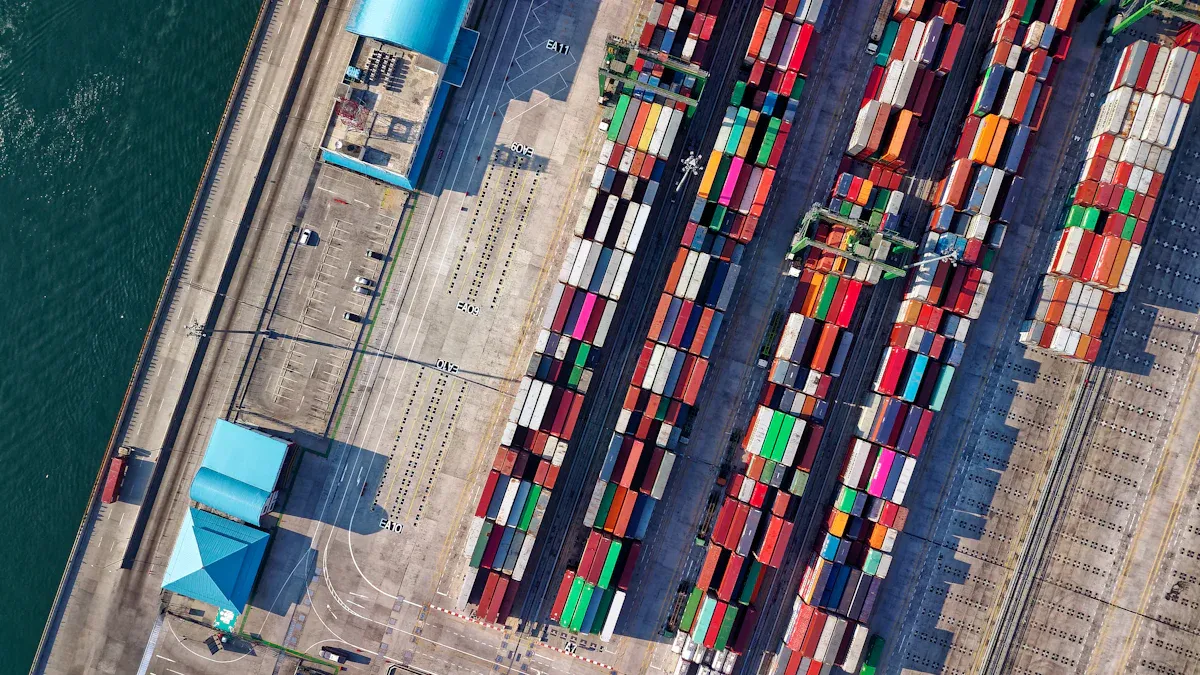
You can achieve cross border shipment optimization by using clear procedures, smart technology, and strong planning. Technology helps you track packages and find the best shipping routes. Standard operating procedures reduce mistakes and keep your process smooth. Strategic planning lets you avoid delays and save money. Review your current steps and look for ways to improve efficiency and lower costs.
Key Takeaways
Establish clear standard operating procedures (SOPs) to reduce errors and improve shipment flow.
Leverage modern technology like AI and data analytics to enhance decision-making and optimize shipping routes.
Utilize multimodal shipping to combine transport methods, improving efficiency and reducing costs.
Negotiate with carriers to secure better rates and build long-term partnerships for cost savings.
Implement real-time tracking and strong communication practices to enhance visibility and customer satisfaction.
Cross Border Shipment Optimization Strategies
SOPs and Process Improvement
You can start cross border shipment optimization by building strong standard operating procedures (SOPs). Clear SOPs help your team follow the same steps every time. This reduces mistakes and keeps your shipments moving smoothly. When you use automation and digital platforms, you can reach accuracy rates above 99.9%. Manual data entry often causes errors between 1% and 4%. Fewer mistakes mean fewer shipment holds and less risk of customs problems. You also protect your company’s reputation.
Tip: Review your SOPs every few months. Ask your team for feedback. Small changes can make a big difference in efficiency.
Leveraging Technology
Modern technology gives you powerful tools for cross border shipment optimization. You can use software to track shipments, predict demand, and keep your data safe. Many companies use these top solutions:
Technology Solution | Description |
|---|---|
AI-powered systems | Improve demand forecasting and use predictive analytics to plan shipping operations. |
Big data analytics | Give you insights for better decisions and smoother fulfillment. |
Cloud-based solutions | Let you scale up quickly, keep IT simple, and boost security for your shipping tech. |
Cybersecurity measures | Protect your shipment data with strong authentication and encryption. |
When you use these tools, you can spot problems before they grow. You also save time and money by making smarter choices.
Automated systems help you avoid costly errors.
Digital platforms keep your team connected and informed.
Data Analytics for Efficiency
Data analytics helps you make better decisions in shipping. You can track delivery times, costs, and inventory levels. This lets you find patterns and fix weak spots. For example, Amazon uses data to place inventory closer to customers. This leads to faster deliveries and lower transportation costs. Walmart uses real-time sales data to cut extra inventory by up to 20%.
Company | Improvement Description |
|---|---|
Amazon | Optimized inventory distribution leads to faster delivery and lower costs. |
Walmart | Real-time sales data reduces excess inventory by up to 20%. |
You can use similar data-driven methods in your own business. Start by collecting data on your shipments. Look for trends in delays or extra costs. Use this information to adjust your shipping plans. Over time, you will see better results and more savings.
Note: Even small changes in your process can lead to big improvements when you use data analytics.
Route & Mode Optimization

Multimodal Shipping Options
You can boost your shipping efficiency by using multimodal shipping. This method combines different transport modes, such as air, sea, rail, and road, to move goods across borders. Multimodal shipping offers several advantages, including a simplified booking process, improved communication, and faster transit times. You also gain cost efficiency and global reach. However, you may face administrative complexity, higher costs, and dependency on third parties.
Disadvantages of Multimodal Shipping | |
|---|---|
Simplified Booking Process | Administrative Complexity |
Improved Communication and Coordination | Higher Costs |
Faster Transit Times | Dependency on Third Parties |
Simplified Accountability | |
Cost Efficiency | |
Global Reach |
When you choose the best combination of shipping modes, consider the final destination, cargo specifications, time constraints, and budget. Perishable goods need faster transport, while larger shipments often benefit from sea freight.
Routing Software & Empty Miles Reduction
You can use routing software to optimize your shipping routes. These tools analyze traffic patterns and compare delivery schedules. They also use freight and shipping analytics to predict delivery times. Routing software helps you reduce empty miles by matching available freight with trucks. Load board apps let carriers consolidate routes and fill capacity, which minimizes deadhead miles. Algorithms in these platforms help you plan backhauls and avoid driving empty.
Implement sustainable transportation practices.
Analyze data for accurate route planning.
Carrier Negotiation for Cost Savings
You can save money by negotiating with carriers. Prepare by understanding market trends and your freight needs. Analyze your shipping data to find the most efficient options. Get quotes from multiple vendors to compare rates and services. Build long-term relationships with carriers to foster trust. Compare contract and spot rates to maximize savings. Partner with a freight broker to access better terms.
Tip: Strong negotiation skills help you lower shipping costs and improve your cross border shipment optimization.
Customs & Compliance Management
Navigating Regulations
You face many rules when shipping goods across borders. Each country sets its own standards for imports, safety, and labeling. You must learn these rules to avoid delays and legal trouble. Mistakes in paperwork can stop your goods at customs. Poor roads or ports can slow down your shipments. You also need to protect your cargo from theft. Changes in tariffs or trade policies can raise your costs and force you to change your shipping plans.
Challenge | Description |
|---|---|
Regulatory Compliance | Each country has unique rules regarding imports, safety standards, and labeling. Non-compliance can lead to delays and legal issues. |
Inaccurate or Incomplete Documentation | Proper documentation is crucial. Incomplete or incorrect documents can result in confiscation of goods or delays at customs. |
Complex Logistical Hurdles | Poor infrastructure can cause delays in shipping operations. Technology solutions help you navigate these challenges. |
Safeguarding Cross-Border Shipments | Cargo theft is a significant risk. Use GPS tracking and reliable carriers to protect shipments during transit. |
Changes in tariffs and trade policies can create uncertainty and impact shipping costs. Stay informed and build relationships to navigate these changes. |
Tariffs can increase the cost of goods.
Supply chains may change, causing higher shipping costs.
New trade agreements can make shipping more complex.
Customs Fee Optimization
You can lower your customs fees by using smart strategies. Separate dutiable from non-dutiable costs to reduce the value subject to duties. Work with your suppliers to share tariff costs. Use software to find duty-saving options and stay compliant. Take part in duty drawback programs to reclaim duties on exported goods. Use free trade agreements to cut or remove duties on certain products.
Strategy | Description |
|---|---|
Legally separate dutiable from non-dutiable costs to lower the total value subject to duties. | |
Supplier Negotiations | Engage suppliers to share the burden of tariffs through renegotiated terms. |
Trade Compliance Technology | Use advanced software to identify duty-saving opportunities and ensure compliance. |
Duty Drawback Programs | Reclaim duties on imported goods that are exported or used in manufacturing exported goods. |
Free Trade Agreements | Utilize agreements to eliminate or reduce duties on qualifying goods traded between partner countries. |
Tip: Review your customs process often. Small changes can lead to big savings.
Digital Clearance Solutions
Digital customs clearance tools help you move goods faster and with fewer mistakes. These systems speed up delivery and lower inspection rates.
Implementing this type of software presents an opportunity to expedite delivery times and decrease inspection rates.
You avoid delays, extra storage fees, and penalties by staying compliant. You also protect your reputation and keep your customers happy.
Customs compliance is key for clearance delays: Not to affect your delivery timelines, disrupt your production schedules, create additional storage fees, add unnecessary penalties, cause missed sales, damage your reputation and customer satisfaction.
You can also work with trusted customs brokers. They make sure your paperwork is correct and your goods meet all rules.
Partnering with trusted logistics service providers that offer experienced customs brokerage services is a great idea. A custom broker with proven experience will ensure: Your documentation is prepared and filled in correctly, ensure that the remaining prerequisites are met, ensure the valuation and categorization of your goods are accurate, make sure your shipment is compliant during the clearance process, assist you in overcoming challenges quickly, enhance your cross-border trade.
You improve cross border shipment optimization by using digital tools and expert partners.
Inventory & Freight Consolidation
Inventory Management Tactics
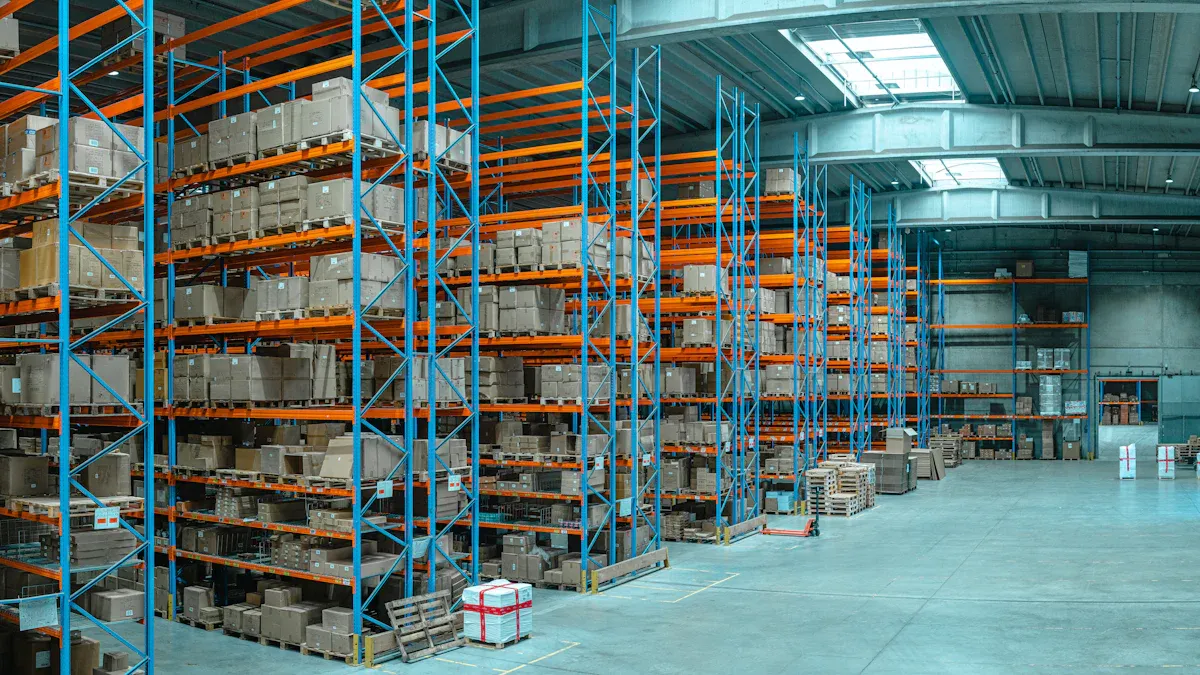
You can improve your cross-border shipping by using smart inventory management tactics. Start by tracking your stock levels in real time. This helps you avoid running out of products or holding too much inventory. Use inventory management software to see what you have and where it is. Set reorder points for each item so you know when to restock. This keeps your supply chain moving and prevents delays.
Cycle counting is another helpful tactic. You count a small part of your inventory often instead of doing a full count once a year. This method helps you spot mistakes early and fix them before they cause bigger problems. You can also use demand forecasting tools. These tools look at past sales and predict what you will need in the future. This helps you plan better and avoid extra costs.
Tip: Review your inventory reports every week. Quick checks help you catch issues before they grow.
Freight Consolidation Benefits
Freight consolidation gives you many advantages in international logistics. When you combine smaller shipments into one larger load, you save money and make your supply chain stronger. You lower your transportation costs and reduce customs and handling fees. Fewer shipments mean fewer touchpoints, which leads to shorter delivery times and less risk of damage. You also help the environment by lowering carbon emissions.
Benefit | Description |
|---|---|
Cost Reduction | Combining shipments into full loads lowers the cost per unit and reduces customs and handling fees. |
Improved Transit Times | Consolidated freight follows more direct routes, reducing delays and improving reliability. |
Enhanced Visibility | Centralized tracking and communication improve supply chain management and decision-making. |
Streamlined Customs Clearance | Fewer entries and simplified processes lower brokerage fees and compliance issues. |
Reduced Carbon Footprint | Fewer trips lead to lower fuel consumption and emissions, aligning with sustainability goals. |
Scalability | Supports growth without extra overhead, allowing for market expansion and supplier diversification. |
Consolidating shipments reduces total transportation costs.
Fewer touchpoints lead to shorter delivery times and less risk of damage.
Lower carbon emissions contribute to a reduced environmental footprint.
You can use freight consolidation to optimize your cross-border shipping. This approach helps you plan better, save money, and support your company’s growth.
Visibility & Communication
Clear visibility and strong communication help you run cross-border shipping smoothly. You can avoid delays, reduce costs, and keep your customers happy when you know where your shipments are and everyone stays informed.
Real-Time Tracking
Real-time tracking lets you see your shipments every step of the way. You can use tracking apps and dashboards to check order status at any time. This builds trust with your customers and helps you solve problems fast.
Company X increased customer satisfaction by 30% by letting clients track orders in real time.
Company Y saw more repeat business because customers liked getting updates about their shipments.
A recent survey showed that 70% of customers prefer brands that give proactive delivery updates. You meet this demand by sharing shipment status as soon as it changes.
For example, if a truck gets a flat tire, the tracking system alerts your team right away. You can send a replacement truck or reroute other shipments to keep deliveries on schedule.
Real-time tracking gives accurate updates and builds trust.
New technology will soon predict and prevent shipping problems before they happen.
Stakeholder Coordination
You work with many people in cross-border shipping. Good coordination keeps everything moving.
Hire bilingual staff to overcome language barriers.
Learn about cultural differences to avoid misunderstandings.
Use planning tools and technology to reduce border delays.
When you connect everyone—carriers, customs officials, and customers—you prevent mistakes and keep shipments on track.
Communication Best Practices
Strong communication makes your shipping process better. You should:
Give clear instructions about pick-up and delivery.
Share real-time updates about delays or changes.
Encourage questions to make sure everyone understands.
Use respectful and professional language.
Use mobile apps for instant updates and GPS tracking for visibility.
Listen carefully and build trust with your partners.
Open communication helps you fix problems quickly, improve relationships, and boost customer satisfaction. You create a more reliable and efficient supply chain when everyone stays informed.
You can achieve cross border shipment optimization by using flexible carrier choices, dynamic routing, and strong risk management. Recent case studies show faster transit times, lower freight costs, and better shipment visibility. Start by auditing your shipping process, segmenting shipments, and choosing the best partners. Use software for shipping management and automate compliance tasks. Collect customer feedback and monitor key performance indicators to keep improving.
FAQ
What is the best way to track cross-border shipments?
You can use real-time tracking software. These tools show your shipment’s location and status. Many apps send alerts for delays or changes. Tracking helps you solve problems quickly and keeps your customers informed.
How do you reduce customs delays?
Prepare accurate documents for every shipment. Learn the rules for each country. Use digital customs clearance tools. Work with experienced customs brokers. These steps help you avoid mistakes and speed up the process.
Why should you consolidate freight?
Freight consolidation saves money. You combine smaller shipments into one larger load. This lowers transportation costs and reduces customs fees. Fewer shipments mean less risk of damage and faster delivery.
Which technology helps optimize cross-border shipping?
You can use AI-powered systems, cloud-based platforms, and big data analytics. These tools help you plan routes, predict demand, and keep your data safe. Technology makes your shipping process faster and more reliable.
See Also
Enhancing Global Operations Through Innovative Logistics Solutions
Simplifying Cross-Border Freight on the West Coast
Streamlined Supply Chain Solutions for USA Logistics Needs
Effortless North American Cross-Border Trucking with PGL
Boosting Global Efficiency with Point-to-Point Logistics Systems
