What is drayage logistics and why does it matter
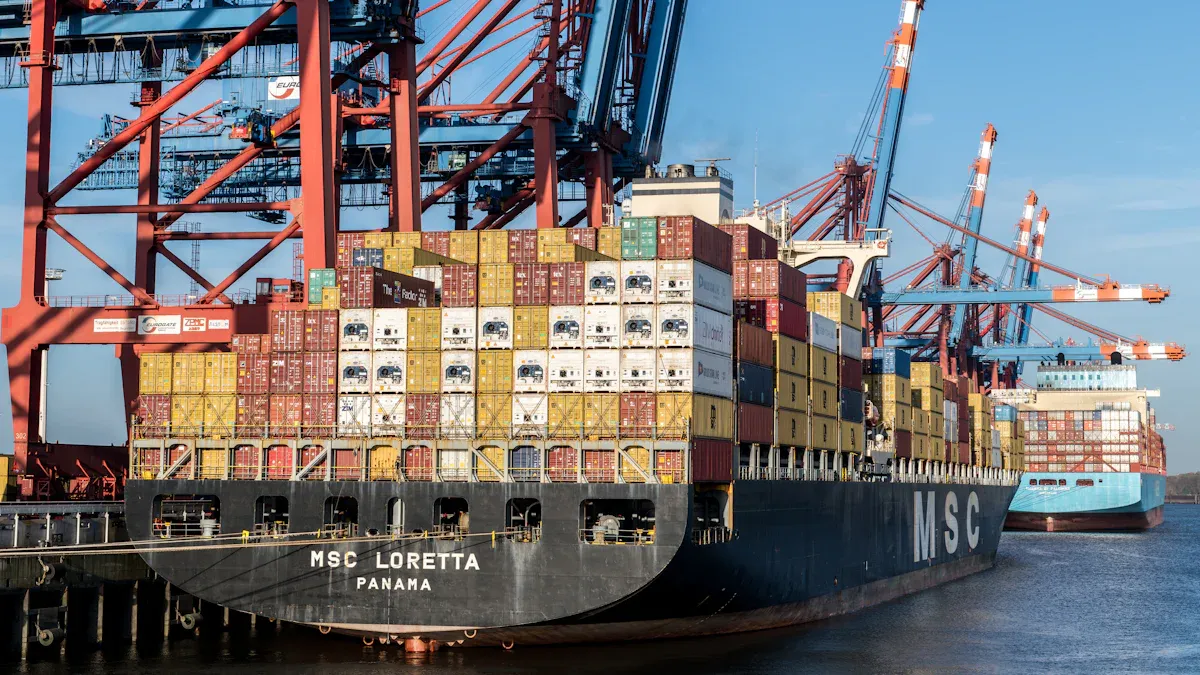
Drayage logistics connects ports, rail yards, and warehouses through short-distance freight movement. You see its impact every time goods transfer between ships, trains, and trucks. This process ensures your deliveries reach their destinations quickly and efficiently. Drayage logistics guide you through the first and last mile of transportation, which affects inventory and customer service.
Port delays and congestion can disrupt your shipments and increase costs.
Drayage influences production schedules and makes transportation timelines less predictable.
Year Range | Projected CAGR | Market Value (USD) |
|---|---|---|
2025-2032 | 9.19% | 7.88 billion |
2025-2029 | 1.8% | 2.46 billion |
You benefit from drayage because it offers flexibility and speed for urban deliveries, even though costs per mile are higher than rail. Understanding drayage helps you manage costs and keep your supply chain running smoothly.
Key Takeaways
Drayage logistics connects ports, rail yards, and warehouses, ensuring quick and efficient delivery of goods.
Understanding drayage helps you manage costs and avoid delays in your supply chain.
Efficient drayage operations lead to cost savings and improved customer satisfaction.
Using technology like GPS tracking enhances shipment visibility and reduces delays.
Choosing the right type of drayage service can optimize your shipping process and meet your delivery needs.
Drayage Logistics Guide

What is drayage
You may wonder what drayage means in the world of logistics. Drayage refers to the short-distance movement of goods, usually by truck, between places like ports, rail yards, and warehouses. This service connects different parts of the supply chain. For example, you might see a container arrive at a port by ship, then a truck moves it to a nearby rail terminal, and finally, another truck delivers it to a warehouse. Drayage acts as the link between long-haul shipping and local delivery.
You rely on drayage to keep goods moving smoothly. Without it, containers would pile up at ports and rail yards. Drayage logistics guide you through the first and last mile of transportation. This step is important because it helps you avoid delays and keeps your supply chain on track.
Drayage has changed a lot over time. In the past, workers used horses and carts to move goods. Today, you see trucks, digital tracking, and even electric vehicles. Ports now use technology to make drayage faster and cleaner. Some companies test autonomous trucks to reduce pollution and save time. You benefit from these changes because they make deliveries more reliable and better for the environment.
Here is a quick look at how drayage has evolved:
Aspect | Description |
|---|---|
Historical Transition | Shift from manual, horse-drawn transport to modern truck and intermodal solutions. |
Technological Advancements | Adoption of digital technologies for route optimization and real-time tracking. |
Sustainability Focus | Emphasis on reducing environmental impact through electric and autonomous vehicles. |
Key drayage terms
You will see many special words in a drayage logistics guide. These terms help you understand how the process works and what to expect. Here are some of the most common terms and what they mean:
Term | Definition |
|---|---|
Accessorial Charges | Extra fees beyond basic transport, such as for waiting time or special handling. |
Appointment System | Online platform for booking truck pickups or drop-offs at terminals. |
ASN (Advance Ship Notice) | Electronic message that tells you when a shipment will arrive. |
Berthing | When a ship docks at a terminal to load or unload cargo. |
Bill of Lading (B/L) | Legal paper that proves ownership of goods and acts as a contract between shipper and carrier. |
Bonded Warehouse | Secure storage where you can keep imported goods before paying customs duties. |
Chassis | Trailer with wheels used to move shipping containers on roads. |
Congestion Surcharge | Extra fee charged during busy times when terminals are crowded. |
Consignee | Person or company that receives the goods. |
Container Yard (CY) | Area at a terminal where containers are stored and organized. |
Cross-Docking | Moving goods directly from one truck to another with little or no storage time. |
You will also hear about different types of drayage. Each type plays a special role in the supply chain:
Container drayage: Moves shipping containers using special trucks and equipment. This type is common in intermodal shipping.
Port drayage: Focuses on moving containers quickly from ports to warehouses or rail yards. Speed matters here because ports need to keep goods flowing.
Intermodal drayage: Connects different transport modes, such as ships, trains, and trucks. This type helps you move goods across long distances by using the best parts of each system.
Rail drayage: Moves containers to and from rail terminals, supporting the intermodal process.
Tip: When you read a drayage logistics guide, pay attention to these terms. They help you communicate with carriers, avoid confusion, and plan your shipments better.
You can see that drayage logistics guide you through many steps and terms. Understanding these basics helps you manage your supply chain with confidence.
Drayage Process
Step-by-step workflow
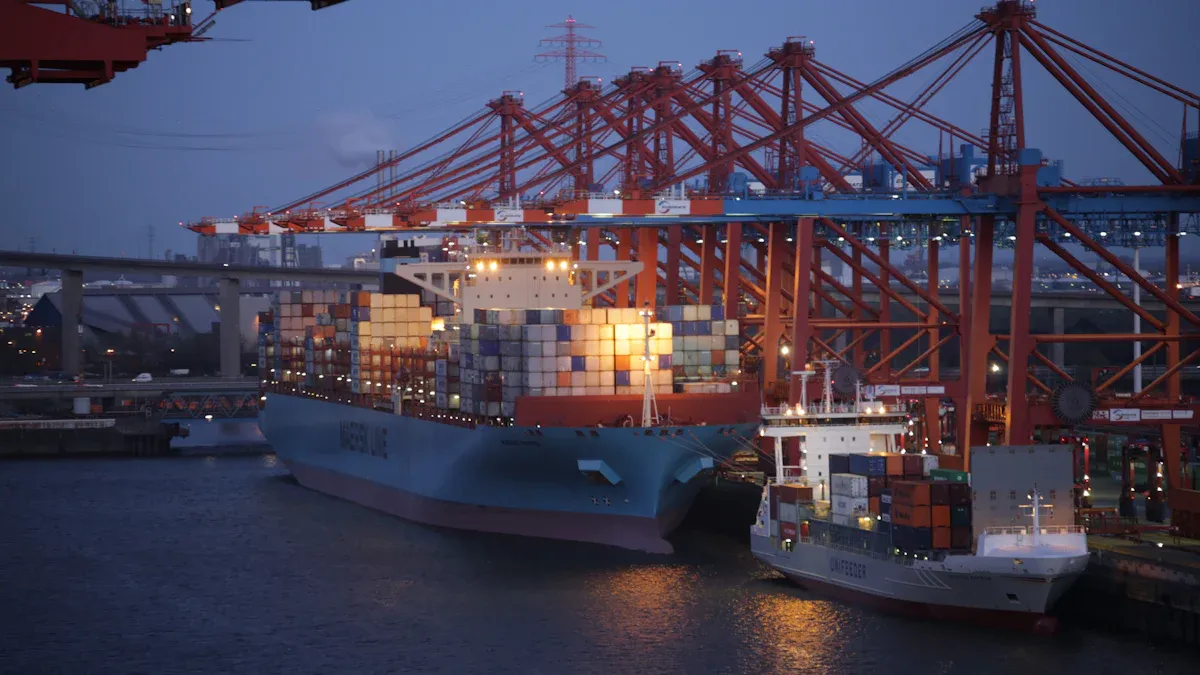
You need to understand the steps in the drayage process to keep your supply chain running smoothly. Each step helps you move goods from the port to the final delivery point. Here is a simple breakdown of the typical workflow:
Initial Planning and Coordination
You start by planning with your logistics team. You schedule pickups and confirm delivery details.Arrival at the Terminal
Your cargo arrives at the port or rail terminal. Workers unload containers and prepare them for pickup.Dispatching a Drayage Truck
You assign a truck to pick up the container. The driver receives instructions and heads to the terminal.Container Pickup
The truck driver collects the container from the yard. The driver checks the paperwork and container number.Securement and Inspection
The driver inspects the container for damage. The driver secures the load to make sure it is safe for transport.Transit to Delivery Location
The truck moves the container to a warehouse, rail yard, or another facility. You can track the shipment in real time.Unloading and Cargo Delivery
Workers unload the cargo at the destination. You receive confirmation that your goods have arrived.Empty Container Return
The driver returns the empty container to the terminal or a designated drop-off point.Container Inspection and Documentation
The terminal staff inspects the returned container. They complete the paperwork to close out the shipment.
Tip: Following each step in the drayage process helps you avoid delays and extra fees. A good drayage logistics guide will help you plan each stage and keep your shipments on schedule.
Types of drayage services
You can choose from several types of drayage services based on your needs. Each type fits a different shipping scenario. Here is a quick overview:
Type of Drayage Service | Description |
|---|---|
Port Drayage | Moves shipping containers from an ocean port to a nearby warehouse or logistics facility. |
Intermodal Drayage | Transfers containers between different transport modes, such as ship to rail or rail to truck. |
Door-to-door Drayage | Delivers containers directly from the port or terminal to the final destination. |
Local Drayage | Handles cargo movement within the same city or metropolitan area. |
Long-haul Expedited | Provides urgent transport for deliveries over longer distances. |
Domestic vs. International | Differentiates between containers for domestic or international shipments. |
You might use port drayage when you need to move containers quickly from a ship to a warehouse near the port. This service helps you avoid congestion and keeps goods flowing.
Intermodal drayage works best when you want to connect different transport modes. For example, you might use it for long-distance shipments over 500 miles, or when your pickup and delivery points are close to a rail line. Intermodal drayage also helps you move large volumes of cargo and supports a sustainable supply chain. If you want to save costs and do not need the fastest delivery, this type is a smart choice.
Door-to-door drayage simplifies your process. You get your container delivered straight from the port to your warehouse or store. This service saves you time and reduces the need for extra handling.
Note: Choosing the right drayage service depends on your delivery timeline, cargo volume, and location. A drayage logistics guide can help you match the right service to your needs.
You can see that understanding the drayage process and the types of services available helps you make better decisions. This knowledge keeps your supply chain efficient and your customers happy.
Drayage in Supply Chain
Why drayage matters
You play a key role in keeping the supply chain moving when you understand drayage. Drayage connects ships, trains, and trucks. This link prevents goods from sitting idle at ports or rail yards. You make sure products reach warehouses and stores on time. If drayage slows down, the whole supply chain can suffer. You might see stockouts, missed delivery deadlines, or even higher costs.
Drayage gets called the 'first mile' of freight shipping for good reason. Like that first domino in a chain, if drayage falters, everything downstream gets knocked off schedule.
You can see how drayage supports the supply chain:
It ensures timely and efficient movement of goods from ports to distribution centers.
It keeps shipping and receiving processes smooth.
It connects different transportation modes, such as ocean, rail, and truck.
It provides the last-mile link that long-haul carriers cannot handle on short notice.
Without drayage, containers would pile up at ports, causing inventory shortages and delayed deliveries.
If you want to avoid costly problems, you need to manage drayage well. Poor drayage management can lead to delays, increased costs, and disruptions in your supply chain. Here is a quick look at the risks:
Consequence | Explanation |
|---|---|
Delays | Congestion at ports and customs can hold up drayage services and affect the entire supply chain. |
Increased Costs | Equipment shortages and poor planning can raise transportation costs for importers. |
Disruptions in Supply Chain | Delays in drayage can force you to use more expensive shipping methods to stay on schedule. |
Benefits of efficient drayage
You gain many advantages when you use efficient drayage. Quick movement of containers from ports to warehouses helps you avoid congestion and extra fees. You get faster inventory availability, which means you can respond to customer needs right away. Efficient drayage also improves cost savings and keeps your supply chain running smoothly.
Here are some benefits you can expect:
You avoid increased costs and keep customers satisfied.
You also help the environment when you choose efficient drayage. Many companies now use electric trucks and route optimization to reduce emissions and save fuel. You can see these improvements in action:
Companies adopt alternative fuel technologies to cut air pollution.
Route optimization and telematics systems reduce empty miles and idling.
Investments in renewable energy make drayage more sustainable.
A good drayage logistics guide helps you plan each step, choose the right service, and track your shipments. You get better visibility, safety, and security for your cargo. When you optimize drayage, you build a stronger, more reliable supply chain.
Drayage Challenges & Tips
Common issues in drayage
You face many challenges in drayage logistics. Shipment visibility often causes problems because you do not always get real-time updates. This lack of information makes planning difficult and can upset your customers. Customs clearance can also slow down your shipments. If paperwork contains errors, your goods may not reach their destination on time.
Port congestion leads to long wait times for pickups and deliveries. When ports get crowded, your schedule can fall apart. You might pay extra fees if trucks wait too long. Limited carrier capacity and driver shortages make it hard to find reliable transportation. You may see delays and higher costs when there are not enough drivers or trucks available.
Regulatory changes add more pressure. New rules about emissions and clean-air standards, especially in places like California, can reduce the number of drivers who qualify for drayage work. This makes it harder for you to secure carriers and keep your shipments moving.
Here are some of the most common issues you might encounter:
Lack of real-time shipment visibility
Documentation errors during customs clearance
Port congestion and reshuffling delays
Tight carrier capacity and driver shortages
Increased transportation costs from longer wait times
Stricter environmental regulations
The trucker shortage is directly impacting supply chains, creating significant challenges for businesses across industries. With fewer drivers on the road, you experience delays in deliveries and a rise in shipping costs.
Best practices for management
You can overcome drayage challenges by following proven strategies. Prioritize clear communication with your carriers and partners. Use technology like transportation management systems (TMS) to track shipments and automate dispatching. Real-time visibility tools help you monitor your containers and predict arrivals, which reduces delays and extra fees.
Efficient scheduling and route planning save you time and money. Advanced mapping software and AI-driven tools help you choose the best paths and avoid congestion. Contingency planning prepares you for unexpected problems, such as traffic jams or equipment shortages.
You should also focus on sustainability. Using fuel-efficient trucks and reducing idle time lowers costs and helps the environment. Building strong relationships with drayage providers ensures you get reliable service. Always stay updated on regulations to avoid compliance issues.
Technology Solution | Benefit |
|---|---|
Real-Time Visibility | Timely updates on shipments |
Automated Dispatching | Faster coordination |
Data Analytics | Better route optimization |
Freight Billing Automation | Fewer manual errors |
Tip: Embrace technology and proactive planning to keep your drayage operations efficient and cost-effective. These steps help you avoid delays and keep your supply chain strong.
You play an important part in logistics when you understand drayage. Drayage connects ships, trains, and trucks, making sure cargo moves smoothly from ports to warehouses. This process prevents port congestion and keeps your supply chain efficient.
Key Point | Description |
|---|---|
Connection of Modes | Drayage links ocean, rail, and truck transport for fast cargo movement. |
Cost and Efficiency | Good drayage planning lowers costs and avoids delays. |
Business Impact | Efficient drayage boosts customer satisfaction and business performance. |
Stay informed about new trends:
Use technology like GPS tracking for better visibility.
Watch for eco-friendly vehicles and new regulations.
Prepare for changes from the growth of online shopping.
Keep learning about drayage logistics to improve your supply chain and stay ahead in business.
FAQ
What does drayage mean in shipping?
Drayage means moving goods a short distance, usually by truck. You see drayage when containers travel from a port to a warehouse or rail yard. This step helps connect different parts of your supply chain.
How does drayage affect delivery times?
Drayage helps you move goods quickly between transport modes. If drayage faces delays, your deliveries may arrive late. You can avoid problems by planning and tracking shipments.
What is a drayage fee?
A drayage fee is the cost you pay for moving containers short distances. You see this charge on your shipping bill. Fees may change based on distance, wait times, or special handling.
Why do ports get congested during drayage?
Ports get congested when too many trucks arrive at once. You may wait longer for pickups or deliveries. Using appointment systems and planning ahead helps you avoid delays.
Can technology improve drayage logistics?
Yes! You use technology like GPS tracking and automated scheduling to make drayage faster and more reliable. These tools help you see where your goods are and plan better routes.
See Also
Selecting LTL, FTL, Or Drayage Options With PGL
PGL’s Efficient Drayage And Trucking Services Save Time
Understanding PGL’s East Coast B2B Warehousing And Distribution
