What Is Dunnage in Ocean Freight and Why Does It Matter
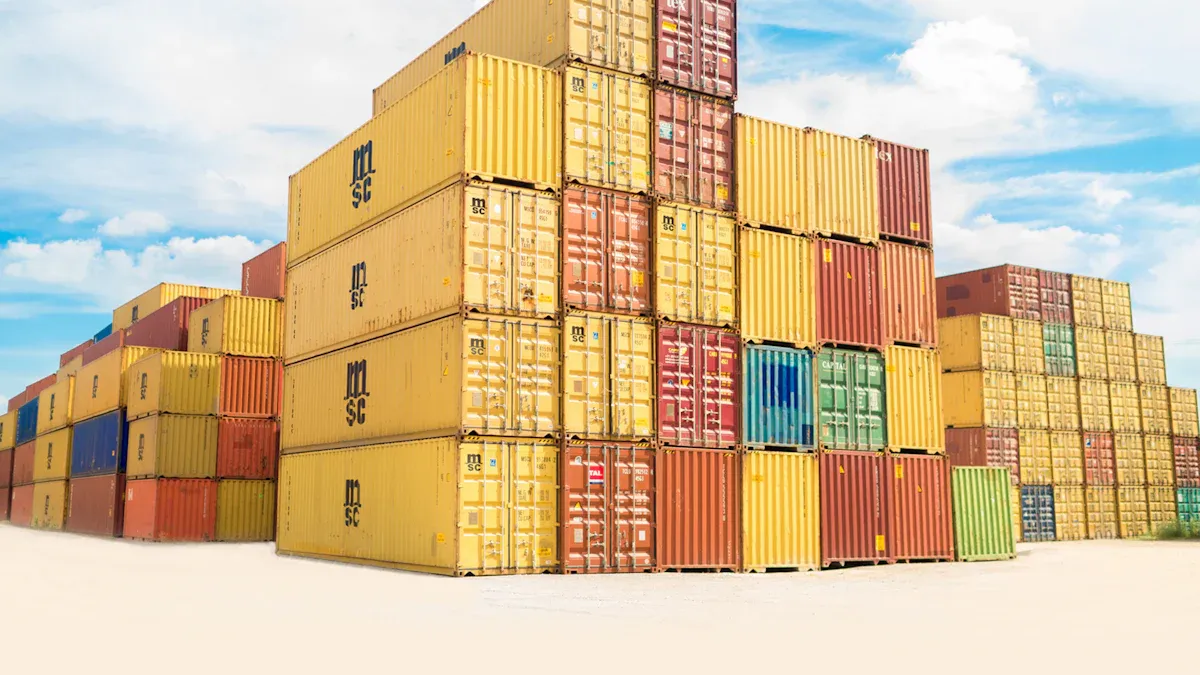
You rely on durable padding and protective material, known as dunnage in ocean freight, to keep your cargo safe. Dunnage secures shipments, cushions goods, and blocks moisture that can cause damage. When you use the right dunnage, you help prevent cargo from shifting or breaking. Nearly 80% of logistics managers report less cargo damage with proper dunnage. You can also see up to a 30% drop in loss claims when you choose effective dunnage for your shipments.
Key Takeaways
Dunnage protects cargo during ocean transport by preventing shifting and absorbing shocks. This reduces the risk of damage and keeps your goods safe.
Using the right dunnage can lower loss claims by up to 30%. Choose materials based on your cargo type and fragility to maximize protection.
Moisture control is crucial in ocean freight. Dunnage elevates goods to prevent water damage, which can lead to costly losses.
Select dunnage that complies with international regulations, especially for wood. Non-compliance can result in shipment delays or rejections.
Regularly inspect and assess your dunnage to ensure it remains effective. This proactive approach helps maintain cargo safety and reduces returns.
Dunnage in Ocean Freight: Definition and Purpose
What Is Dunnage?
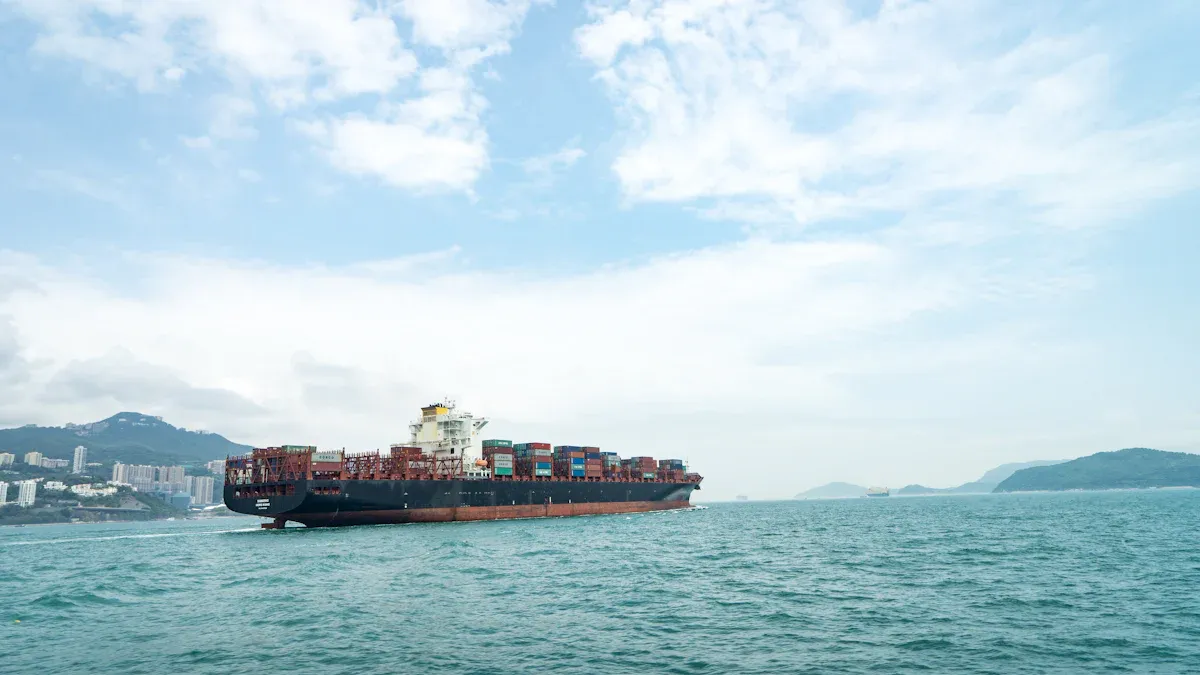
You see dunnage in ocean freight every time you ship goods across the sea. Dunnage refers to inexpensive waste or scrap materials, often wood, that you use to protect cargo during loading and transport. You place dunnage between items to keep them from touching the deck or colliding with each other. This simple material acts as a buffer, making sure your cargo stays safe from bumps and scrapes. International shipping standards require dunnage because it helps you avoid damage and loss.
Tip: You can use different types of dunnage, such as wood, plastic, or foam, depending on what you ship and how fragile it is.
Why Is Dunnage Used?
You rely on dunnage in ocean freight for several important reasons. Dunnage keeps your cargo secure and stable while the ship moves. It fills empty spaces in containers, stopping goods from shifting or crashing together. You need this protection most when you ship items that are not box-shaped or are sensitive to impacts, like electronics.
Dunnage also helps you control moisture. By elevating goods above the container floor, dunnage prevents water from damaging your shipment. This is especially important for perishable items that can spoil if exposed to humidity.
You use dunnage to:
Absorb shock and vibration to protect fragile items.
Elevate goods to prevent moisture damage from condensation.
When you brace and block your cargo with dunnage, you spread out the forces that come from the ship’s movement. This keeps your shipment balanced and safe. The International Maritime Organization says you must use dunnage for blocking, bracing, and shoring cargo. You help prevent tipping, sliding, and other problems that can lead to costly damage.
Dunnage in ocean freight gives you peace of mind. You know your cargo will arrive safely, and you avoid extra costs from damaged goods or insurance claims.
Importance of Dunnage in Ocean Freight
Cargo Protection and Damage Prevention
You face many risks when you ship goods across the ocean. Waves, wind, and rough handling can cause your cargo to move, bump, or even break. Dunnage in ocean freight acts as a shield for your products. It fills empty spaces and keeps items from sliding or colliding. You can count on dunnage to absorb shocks and prevent scratches or dents.
Here are some common types of damage you can avoid by using dunnage in ocean freight:
Minimizes the risk of shifting within the container
Increases load stability
Reduces the risk of breakage
Prevents scratches
Protects against moisture damage
When you use the right dunnage, you lower the chance of returns and loss claims. You also help your goods arrive in perfect condition, which keeps your customers happy.
Moisture and Contamination Control
Moisture is a hidden threat during ocean shipping. Water can seep into containers or form inside due to temperature changes. Without protection, your cargo may suffer from condensation, mold, or corrosion. Dunnage in ocean freight helps you fight these problems.
You can use dunnage to:
Lift products away from wet surfaces, stopping moisture damage
Act as a barrier inside packages to block moisture
Protect against contaminants that might leak and ruin other products
Shield cargo from humidity and dirt, guarding against environmental damage
Safeguard high-value equipment, like electronics, from moisture during transport
Note: About 10% of all container shipments become unusable because of moisture damage. Around 5% of global merchandise faces financial loss from moisture during shipping.
Here is a table showing the types of moisture damage you might face:
Type of Damage | Description |
|---|---|
Container Condensation | Water droplets form inside when the container's skin cools below the dewpoint. |
Cargo Sweating | Condensation appears on cargo when its surface is cooler than the dewpoint. |
Mold Growth | Excess moisture creates mold, especially in organic materials. |
Corrosion | Rust and corrosion affect metal parts, lowering their strength. |
Warping of Wood | Too much moisture warps wood, making packaging and cargo less stable. |
Moisture can also spoil food, damage electronics, and cause labels to peel. Organic materials may grow mold or mildew, especially in warm climates. Dunnage helps you avoid these costly problems.
Stabilizing and Securing Shipments
You need your cargo to stay in place during the long journey at sea. Dunnage in ocean freight gives you the tools to stabilize and secure your shipments. When you use dunnage bags, blocks, or other materials, you stop your goods from tipping, sliding, or falling.
Follow these steps to stabilize your shipment:
Assess your load and transportation mode. Check the cargo type, the size of empty spaces, and how you will ship.
Select the right dunnage bag size and type. Match the bag to the space and the weight of your load.
Place dunnage bags between cargo units. Make sure you spread them out evenly.
Inflate the bags to fill the space, but do not over-inflate.
Use extra products like corrugated dunnage or anti-slip paper for more stability.
When you secure your cargo well, you improve safety for everyone. You also make loading and unloading faster and easier.
Tip: High-quality dunnage protects your products, reduces losses, and cuts costs. Companies that use effective dunnage solutions see fewer returns and claims. You can also boost your shipping efficiency and keep your operations running smoothly.
Types of Dunnage Used in Ocean Freight
Wood Dunnage
You often see wood used as dunnage because it is easy to find and works for many shipment sizes. Wood dunnage supports heavy loads and fills gaps between cargo. You must follow strict rules when you use wood. The ISPM-15 regulation requires you to treat and stamp all wood to stop pests from spreading. If you do not comply, customs may delay or reject your shipment.
Disadvantages | |
|---|---|
Easily available in abundance | Must comply with federal regulations |
Flexible for various shipment sizes | Risk of fines and export delays if regulations are not followed |
Environmentally friendly and renewable | Potential environmental damage if not managed properly |
Note: Always check for the ISPM-15 stamp on wood dunnage before shipping internationally.
Plastic and Corrugated Dunnage
You can choose plastic or corrugated materials for lightweight and flexible protection. Plastic dunnage lasts a long time and resists water and chemicals. However, it costs more at first and needs regular cleaning. Corrugated boxes cost less and are easy to recycle—about 90% get recycled, making them a green choice.
Plastic containers have a higher upfront cost.
Corrugated boxes are affordable and do not need cleaning.
Corrugated dunnage supports sustainability goals.
Tip: Corrugated dunnage lets you invest more in other areas of your business.
Foam and Air Bags
You can use foam and air bags to fill spaces and cushion fragile items. Dunnage bags adapt to cargo movement and absorb shocks better than wood blocks. They are light, reusable, and quick to set up. You save money by reducing damage and claims.
Benefit | Description |
|---|---|
Prevents Cargo Damage | Fills gaps and absorbs shocks. |
Cost-Effective | Cheaper than custom crates or heavy foam. |
Easy to Use | |
Versatile | Works for many cargo types and transport modes. |
Reduces Damage Claims | Fewer claims and losses. |
Dunnage bags stabilize cargo by filling voids.
They adapt to movement and reduce risk of damage.
Paper, Cardboard, and Scrap Materials
You may pick kraft paper or cardboard for light and eco-friendly dunnage. Kraft paper is strong, tear-resistant, and meets environmental rules. It works well for items that need both strength and flexibility. You can also use scrap materials, but you must recycle or dispose of them responsibly to protect the environment.
Kraft paper and cardboard are biodegradable.
Responsible recycling reduces waste and pollution.
Barrier materials and desiccants help control moisture.
Alert: Always plan for recycling or proper disposal to support your company’s social responsibility goals.
Poly-woven dunnage holds about 45% of the market.
Kraft paper makes up around 25%.
Vinyl is less common but resists moisture and chemicals.
Choosing the Right Dunnage for Your Cargo
Factors to Consider (Cargo Type, Weight, Destination)
You need to look at several factors before you pick the right dunnage. Each shipment is different. You should ask yourself these questions:
What type of shipment are you sending?
How much does your cargo weigh?
Is your cargo fragile or sturdy?
What level of protection do your goods need?
Are there risks like moisture, rough handling, or sharp edges?
You should also think about the mode of transport and the final destination. Fragile items need soft materials like foam or bubble wrap. Heavy goods need strong support, such as wood or plastic. If your shipment will cross the sea, you may need waterproof dunnage to protect against moisture.
Compliance and Regulations
You must follow international rules when you ship goods. Many countries require special treatment for wood dunnage. The ISPM 15 rule is very important. It helps stop pests and diseases from spreading.
Key Requirement | Description |
|---|---|
Wood dunnage must meet treatment and marking standards. | |
Treatment Methods | Use heat treatment or fumigation to kill pests. |
Marking | All treated wood must have the ISPM 15 stamp. |
Destination Regulations | Check the rules for your cargo’s destination. |
Financial Penalties | Fines may apply if you do not follow the rules. |
Shipment Rejections | Customs can reject or destroy non-compliant shipments. |
ISPM-15 is a global rule. It keeps pests out of new countries. You must stamp all wood crates and dunnage. Customs will check for this stamp. If you do not follow the rule, your shipment may face delays or rejection.
Cost vs. Protection
You want to protect your cargo, but you also need to watch your costs. Higher-quality dunnage costs more at first, but it can save you money later. It reduces damage, returns, and replacements. Basic materials cost less, but they may not protect as well.
Factor | Higher-Quality Dunnage | Basic Materials |
|---|---|---|
Initial Cost | Higher | Lower |
Damage Rates | Reduced | Higher |
Efficiency | Increased | Standard |
Returns and Replacements | Fewer | More |
Customization | Yes | No |
Sustainability | Reusable/Recyclable | Usually Not |
Choose dunnage that protects your goods without raising costs too much.
Match the dunnage size and weight to your cargo.
Do not use more dunnage than you need.
Never sacrifice protection just to save money. Your goal is to deliver safe, undamaged products.
Paper dunnage is often cheaper than plastic. It also lowers shipping costs because it is light. This makes it a good choice if you want to save money and protect your goods.
You play a key role in keeping cargo safe by using the right dunnage. Dunnage acts as a barrier that stops goods from moving or breaking during transit. When you review your packing methods often, you help prevent product loss and keep shipments stable.
Regular checks and expert advice can improve your cargo protection.
To learn more, follow industry guidelines on dunnage placement and inspection. Try using a Dunnage Selection Matrix to match your needs.
Step | Action |
|---|---|
Assess Needs | Review cargo type and risks |
Consult Experts | Get advice on best dunnage solutions |
Inspect Regularly | Check dunnage for wear and placement |
FAQ
What is the main purpose of dunnage in ocean freight?
You use dunnage to protect your cargo from damage. Dunnage keeps items stable, fills empty spaces, and blocks moisture. This helps your goods arrive safely.
Can you reuse dunnage materials?
You can reuse some dunnage, like plastic or foam, if they stay clean and undamaged. Always check for wear before using them again.
Does dunnage add much weight to your shipment?
Most dunnage adds little weight. Materials like foam, air bags, and paper are light. Heavy wood dunnage may increase shipping costs for large loads.
How do you know which dunnage to choose?
You should match dunnage to your cargo’s size, weight, and fragility. Ask your logistics provider for advice. Always follow shipping rules for your destination.
See Also
PGL Offers Breakbulk And Out-Of-Gauge Ocean Shipping Solutions
PGL Helps You Decide LTL, FTL, Or Drayage Options
Maximize Savings With Cross-Country FTL Shipping From PGL
Experience Quick And Easy Shipping With PGL Warehouse Support
