What are the main differences between FCL and LCL shipping
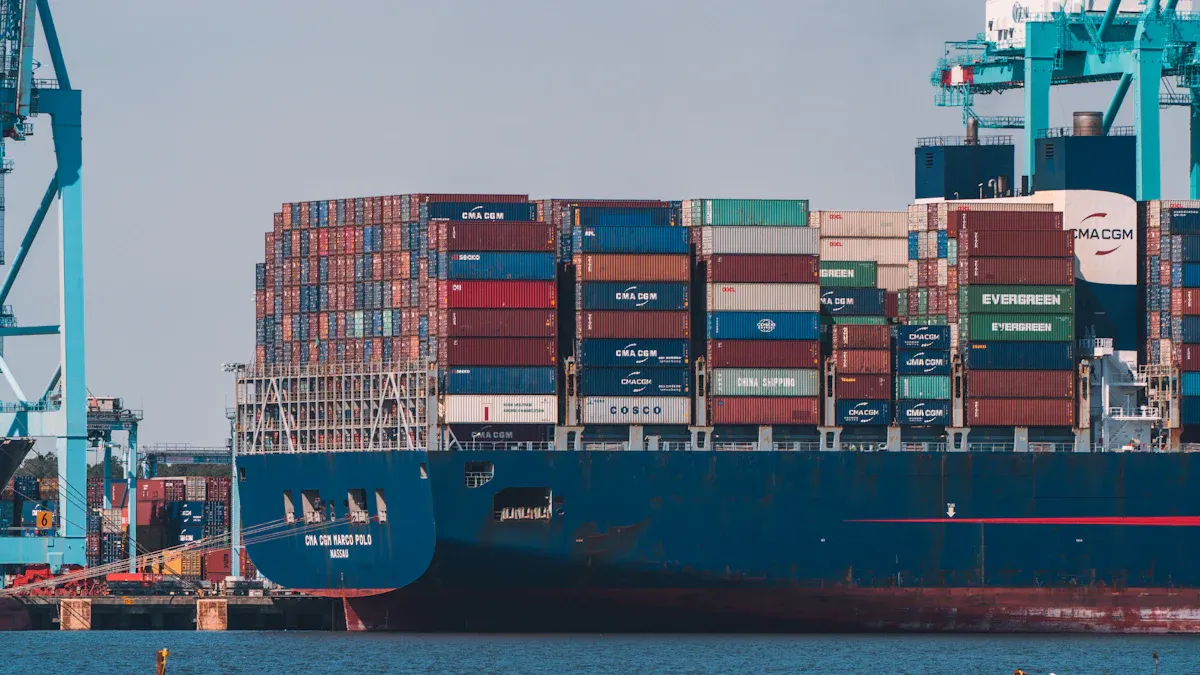
When you compare FCL and LCL shipping, you see clear differences in ownership of the container, shipment size, speed, cost, and handling. FCL shipping gives you a whole container, making it faster, safer, and more cost-effective for large shipments. LCL suits smaller loads but takes longer and increases the risk of damage or loss. Over 60% of global shipments use FCL, showing its popularity. You need to consider volume, urgency, and budget for effective fcl vs lcl shipping planning.
Key Takeaways
FCL shipping provides a whole container for your cargo, making it faster and safer for large shipments.
LCL shipping allows you to share container space, which is cost-effective for smaller loads but may increase delivery time and risk of damage.
Consider your shipment size, urgency, and budget when choosing between FCL and LCL to ensure the best shipping method for your needs.
FCL is ideal for high-value or fragile items, while LCL is better for frequent small shipments that do not require fast delivery.
Combining FCL and LCL can enhance efficiency and reduce costs, allowing for flexible shipping based on demand.
FCL and LCL Explained
What is FCL Shipping
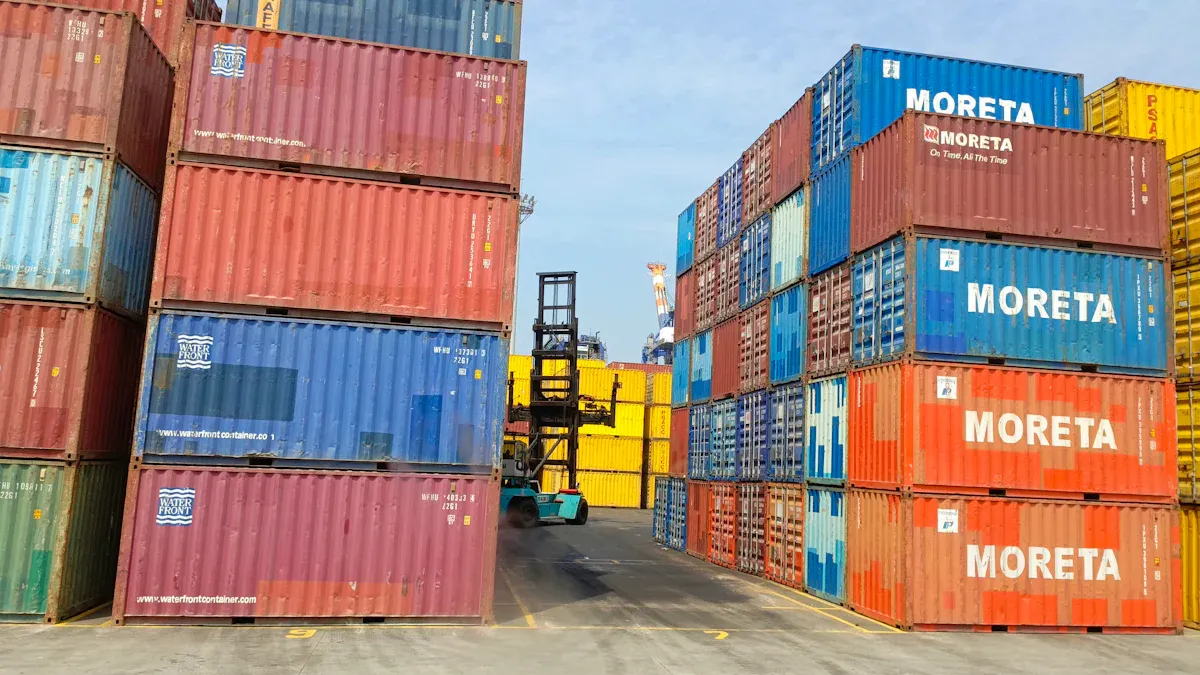
When you choose FCL shipping, you get an entire container for your cargo. This method works best if your shipment fills a 20-foot or 40-foot container. You load and seal the container at your factory, and it stays closed until it reaches the destination warehouse. You do not share space with other shippers, so your goods stay together and secure.
Here is a quick look at how FCL shipping works:
Definition | Description |
|---|---|
FCL Shipping | Sea shipping for cargo loads that fill a 20’ or 40’ container. The container is loaded and sealed at the factory and unloaded at the destination warehouse. |
Operational Procedure | The entire container is dedicated to a single shipper, ensuring faster and more secure transport for large-volume cargo. |
You can expect these benefits with FCL shipping:
Faster transport because your container does not wait for other cargo.
More secure handling since only your goods are inside.
Lower risk of damage or loss.
Tip: If you have a large shipment, FCL shipping often saves you money and time.
What is LCL Shipping
LCL shipping stands for Less-than-Container Load. You share container space with other shippers. This method suits you if your cargo does not fill a whole container. Your goods join others at a logistics hub, and the container travels to the destination port. After arrival, workers separate the shipments and send them to their final addresses.
Here is a simple breakdown of the LCL shipping process:
Step | Description |
|---|---|
Definition | LCL, or Less-than-Container Load, is a shipping method where multiple shippers share a container. |
Consolidation | Cargo from different shippers is consolidated at a logistics hub or warehouse. |
Transportation | The consolidated cargo is packed into a container and shipped to the destination port. |
Customs Clearance | The shipment goes through customs clearance at the destination port. |
Deconsolidation | Upon arrival, the container is deconsolidated, and individual shipments are dispatched. |
LCL shipping helps you save money if you have a small load. You also help the environment because fewer containers mean less carbon emissions. This method supports sustainable business practices.
Note: LCL shipping may take longer because your cargo waits for other shipments to fill the container.
FCL vs LCL: Key Differences
Volume & Container Use
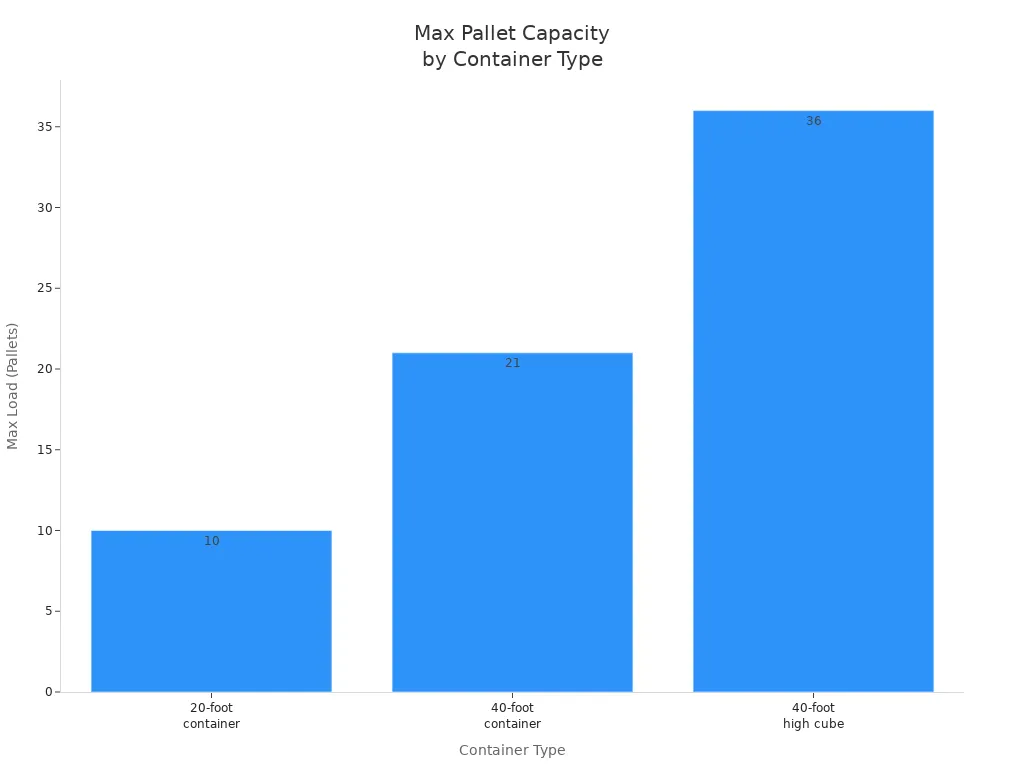
You need to think about how much space your shipment will take. FCL shipping works best when you have enough goods to fill a whole container. Here are the typical sizes for FCL containers:
Container Type | Maximum Load (Pallets) | |
|---|---|---|
20-foot container | 33 | 10 |
40-foot container | 67.5 | 21 |
40-foot high cube | 76 | 36 |
If your shipment is smaller than these volumes, LCL shipping lets you share container space with other shippers. This option helps you save money when you do not have enough cargo for a full container. When you plan fcl vs lcl shipping planning, always check your shipment size first.
Cargo Safety & Handling
You want your goods to arrive safely. FCL shipping gives you exclusive use of a container. Your cargo stays sealed from the time it leaves your warehouse until it reaches its destination. This reduces the risk of damage or loss because no one else’s goods are inside.
LCL shipping means your goods travel with items from other shippers. Workers handle your cargo more often during loading and unloading. Sometimes, LCL containers carry different types of goods, including liquids or chemicals. This can lead to spills, contamination, or damage. You face a higher risk of loss or damage with LCL, especially if your goods are fragile.
Tip: Use strong packaging and clear labels for LCL shipments to lower the risk of damage.
Marine insurance protects your goods in both FCL and LCL shipping. It covers loss or damage during transit. You should always consider insurance as part of your fcl vs lcl shipping planning.
Cost Comparison
Cost is a big factor in your decision. FCL shipping has a fixed price for the whole container. This makes it more cost-effective for large shipments. You pay one rate, no matter how full the container is. LCL shipping charges you based on the volume or weight of your goods. This helps you save money if you ship small loads.
Here are some key points to remember:
FCL is cheaper per unit for large shipments.
LCL is better for small shipments because you only pay for the space you use.
FCL avoids extra handling fees, while LCL may include consolidation, deconsolidation, and operational charges.
Both FCL and LCL can have hidden fees, such as port charges, demurrage, or currency fluctuations.
During busy shipping seasons, LCL can sometimes offer faster access to space if FCL containers are in short supply. FCL is often used for bulk shipments to lower the cost per item.
Note: Always ask your freight forwarder for a full breakdown of costs before you choose a shipping method.
Speed & Delivery Time
Speed matters when you need your goods quickly. FCL shipping is usually much faster. Your container goes straight from the origin to the destination. There are no delays for consolidation or deconsolidation. FCL shipments often get priority at ports.
Shipment Type | |
|---|---|
FCL | 7-14 days faster than LCL |
LCL | Longer due to consolidation and handling delays |
LCL shipping takes longer because your cargo waits for other shipments to fill the container. At the origin, workers must consolidate goods from different shippers. At the destination, they must separate the shipments. These steps add days to your delivery time. LCL shipments also face more handling, which can cause further delays.
Common reasons for LCL delays include:
Extra time for consolidation and deconsolidation
More handling at transshipment ports
Complex customs clearance due to mixed cargo
Waiting for enough cargo to fill a container
Tip: If you need fast delivery, FCL is the better choice. For less urgent shipments, LCL can help you save money.
When you do fcl vs lcl shipping planning, always balance speed, cost, and safety. Think about your shipment size, how quickly you need your goods, and your budget. This will help you choose the best shipping method for your needs.
FCL vs LCL Shipping Planning
Choosing the Right Option
You need to think about several factors when making your fcl vs lcl shipping planning. The right choice depends on your shipment’s size, how quickly you need your goods, and your budget. Here are some important points to help you decide:
Volume and Weight: If your shipment is over 12–15 cubic meters, FCL often saves you money.
Urgency: FCL usually moves faster because it skips extra handling steps.
Cargo Type: High-value or fragile items stay safer in an FCL container.
Cost Analysis: LCL lets you share costs with others, which helps with small shipments.
A decision matrix can help you balance speed and cost. FCL works well for urgent or large shipments. LCL fits smaller, less urgent loads.
When to Use FCL
You should pick FCL when you have a large shipment or need fast delivery. FCL is also better for goods that need extra care or security. Many companies use FCL for regular, high-volume shipments. Pharmaceutical companies often choose FCL for temperature-sensitive products to avoid delays and reduce risks.
Cargo Type | Description |
|---|---|
Dry Cargo Containers | Furniture, electronics, textiles |
Reefer Containers | Perishable items like fruits and medications |
Open-Top Containers | Heavy or oversized goods, such as machinery |
Flat Rack Containers | Construction equipment, large pipes |
Tank Containers | Liquids or gases, including chemicals |
High Cube Containers | Tall items needing extra vertical space |
Flatbed Containers | Large or irregularly shaped cargo |
Ventilated Containers | Goods needing air circulation, like coffee |
When to Use LCL
LCL works best for small shipments that do not fill a container. If you want to test a new market or ship samples, LCL is a smart choice. You pay only for the space you use, which helps control costs. LCL is also good for ongoing small orders that do not need fast delivery. Keep in mind that LCL may take longer because of extra handling and consolidation steps.
Combining FCL and LCL
You can mix both methods in your fcl vs lcl shipping planning. Shared Container Load (SCL) gives you the speed of FCL and the flexibility of LCL. You pay only for the space you use, which helps lower costs. SCL also reduces inventory costs by letting you ship based on demand. Fewer shippers in one container means less risk of damage or theft.
SCL combines FCL-like speed with LCL-like flexibility.
You can ship more often without waiting for a full container.
This method helps you build a more sustainable supply chain by reducing trips and emissions.
Tip: Use a mix of FCL and LCL to match your business needs. This approach can improve efficiency and save money in your fcl vs lcl shipping planning.
You now know the main differences between FCL and LCL shipping. FCL works best for large, urgent, or sensitive shipments. LCL fits smaller, less urgent loads. Use the table below to help you decide:
Shipping Method | When to Choose | Reasons |
|---|---|---|
FCL | 15 CBM+ or high-value cargo | Faster, safer, fewer handovers |
LCL | Under 15 CBM or frequent use | Pay for space, flexible timing |
Pick the method that matches your shipment size, speed, and safety needs.
FAQ
What does FCL stand for in shipping?
FCL means Full Container Load. You get a whole container for your goods. No other shipper shares space with you. This method works best for large shipments.
Is LCL shipping safe for fragile items?
LCL shipping can be risky for fragile goods. Workers handle your cargo more often. You should use strong packaging and clear labels to protect your items.
How do I know if I need FCL or LCL?
Check your shipment size. If your cargo fills most of a container, choose FCL. For smaller loads, LCL saves money. Ask your freight forwarder for advice.
Can I track my FCL or LCL shipment?
Yes, you can track both FCL and LCL shipments. Most freight forwarders give you tracking numbers or online tools. You can see where your cargo is at any time.
Does LCL shipping take longer than FCL?
Yes, LCL shipping usually takes more time. Your goods wait for other shipments to fill the container. Extra steps like consolidation and deconsolidation add days to delivery.
See Also
Comprehensive Ocean Export Services From U.S. Ports Explained
Reasons to Select PGL for Your Panama LCL Shipments
Navigating the Panama LCL Export Process with PGL
