How to Use FOB Shipping Best Practices for Smooth Deliveries
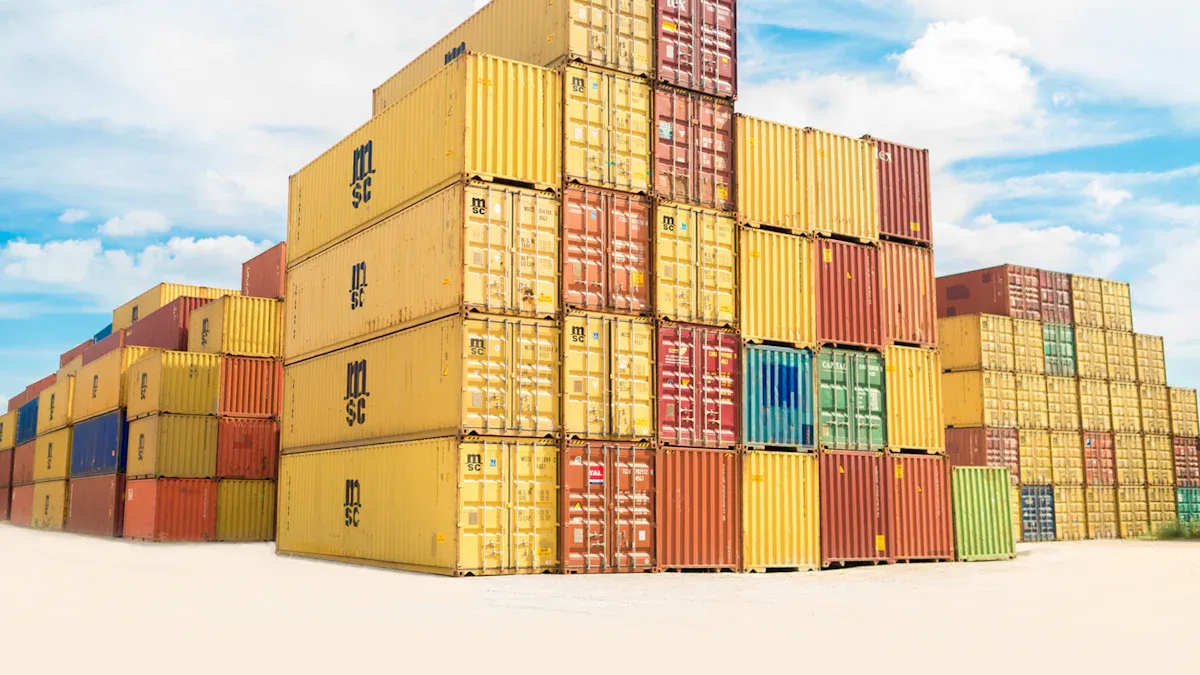
When you use fob shipping best practices, you help make delivery easy. You also have fewer problems. You need to say the free on board port clearly. You should know your job. You must write down every detail. This way of using fob shipping helps you stop mistakes. It also keeps your delivery safe.
Clear fob terms stop people from getting confused.
Good talking helps stop fights.
Correct paperwork keeps you safe and makes things go well.
You might have problems with fob shipping. The table below shows the most common ones:
Challenge | Description |
|---|---|
Coordination | You need to work with the other person for a smooth handover at the port. |
Risk During Transit | You get risk after goods cross the ship’s rail, so insurance is important. |
Documentation | Fast and correct papers keep your delivery moving without waiting. |
Using fob shipping best practices gives you more power over your delivery. It also lowers risks in shipping between countries.
Key Takeaways
Write the FOB port in your contract. This helps stop confusion and fights about who does what.
Know when risk moves in FOB shipping. You get risk after goods go on the ship.
Keep correct papers. This stops delays and helps shipping go well.
Talk clearly with everyone in shipping. This keeps all people knowing and working together.
Use a checklist for FOB shipping. It helps you follow each step and make fewer errors.
What Is Free On Board (FOB)?
FOB Meaning in Shipping
You need to understand fob shipping before you start any international shipping project. Free on board is an Incoterm that tells you who is responsible for goods at each stage. When you use fob shipping, the seller must deliver the goods onto the vessel at the port you choose. The seller pays all costs until the goods are loaded. After the goods are on board, you take over the risk and cost.
You must check that the seller clears the goods for export and loads them onto the ship. Once the goods cross the ship’s rail, you become responsible for everything that happens next. This includes damage, loss, and extra shipping costs. Fob shipping gives you control over the shipping process after loading. You can choose your carrier, track your shipment, and manage insurance.
Tip: Always specify the exact port for fob shipping in your contract. This helps you avoid confusion and disputes about when your responsibility starts.
How FOB Terms Affect Risk and Cost
Fob shipping changes how you handle risk and cost. You need to know when risk moves from the seller to you. The seller covers costs and risks until the goods are loaded onto the vessel. After that, you must pay for shipping, insurance, and any problems that happen during transit.
Here is a table that shows how fob shipping compares to other shipping terms:
Incoterm | Risk Transfer Point | Seller's Responsibility | Buyer's Responsibility |
|---|---|---|---|
FOB | On board the vessel | Up to loading | After loading |
EXW | At seller's premises | None | All |
CIF | To port of destination | Main carriage and insurance | After unloading |
FCA | At named place | Up to delivery to carrier | After delivery to carrier |
You must arrange insurance for your goods once they are loaded. Under fob shipping, the buyer is responsible for insurance. If you use CIF, the seller provides insurance until the goods reach the destination port.
Fob shipping lets you control shipping after loading.
You must pay for marine insurance and track your shipment.
You need to manage customs and delivery at the destination.
Fob shipping helps you plan your costs and manage risk. You can choose the best shipping options for your needs. You also avoid paying for services you do not want.
FOB Shipping Best Practices
Specify the FOB Port Clearly
You should always say the fob port in your contract. This helps everyone know where things happen. It stops confusion and fights during shipping. Naming the port tells when risk moves to you. It also shows what each person must do. If you use unclear words, you might have trouble with delivery or cost.
Important note for fob: The seller loads goods on the ship at the right port and time. You must tell the seller the place and point in the port. You also need to give the vessel’s name.
You should do these things for fob shipping:
Say the loading spot in the port.
Saying the fob port clearly shows when the seller’s job ends. It also shows when your job starts. This helps stop mistakes and keeps shipping easy. When you set who does what, you stop fights and make sure shipments arrive.
Define Buyer and Seller Responsibilities
You need to know your fob jobs before shipping. The seller and buyer have different jobs for fob shipping point and fob destination. If you do not say these jobs, you might lose money or miss insurance.
Role | Responsibilities |
|---|---|
Seller | - Clear goods for export. |
- Pack everything right. | |
- Load goods onto the buyer's ship. | |
Buyer | - Pay for the main trip. |
- Handle import taxes. | |
- Unload and deliver to the end spot. |
The seller clears goods and pays until they are loaded.
You pay and take risk after goods are on the ship.
If you mix up fob shipping point or fob destination, you might miss insurance. You must match your insurance to your fob contract. Clear fob shipping rules in contracts help you not lose money.
Incoterm | Responsibility | Risk Exposure |
|---|---|---|
FOB | High if no insurance | |
CIF | Seller gives some insurance | Lower risk for buyer |
EXW | Buyer does everything | Highest risk |
You should read contracts and check costs. You must buy insurance to stay safe. You can also ask for extra rules in your shipping deal.
Manage Documentation and Compliance
You must keep your shipping papers safe and correct. Good paperwork keeps shipping moving and stops delays. You need to check that all papers match your contract and goods.
Do these things for fob shipping paperwork:
Commercial Invoice
Packing List
Bill of Lading (B/L)
Export License
Certificate of Origin
Insurance Certificate
Export Declaration
Other Customs Papers
Mistakes in papers can cause big trouble. For example, a furniture maker in China sent tables and chairs to the US with fob shipping point. On the way to the port, the truck crashed and ruined the goods. The buyer did not have risk yet. No one had insurance for this part, so both lost money when claims were denied.
You must check your papers and insurance at every step. This helps you stop mistakes and keeps your delivery safe.
Coordinate with Freight Forwarders
You should work with freight forwarders to make shipping easy. Freight forwarders help you plan and track your shipment. They also handle customs and papers to stop delays.
Planning & Coordination: Freight forwarders pick the best way and route.
Paperwork: They handle shipping papers to follow rules.
Customs: They help with taxes and duties to stop delays.
Insurance & Risk: They protect your goods from loss.
Tracking: They give updates on your shipment.
For example, a drink exporter in Pakistan uses a freight forwarder for customs and papers. This helps the shipment reach Europe without trouble.
You should do these things with freight forwarders:
Make a clear deal that says the fob port, jobs, and payment in the contract.
Work with good freight forwarders to handle shipping and stop mistakes.
Make sure your goods have insurance to lower risk.
Watch all shipping costs to stop surprise bills.
Good risk management helps you find problems early. You can use tracking to see issues and use backup plans. Using different routes also lowers risk from strikes or busy ports.
When you follow fob shipping rules, you control your delivery. You can get better prices, track your shipment, and change things to save money. You also see each shipping step and talk better with your helpers.
Avoiding Common FOB Mistakes
Misunderstanding Risk Transfer
You need to know when risk moves to you. Some people think risk starts at the fob destination. But risk really moves when goods cross the ship’s rail. This happens at the port. If you do not know this, you might pay surprise costs. You could also have damage you did not expect. Always check your contract and know your job at every step. Using free on board wrong for containers can cause trouble. If goods get damaged before loading, insurance may not help. You do not have risk yet, so you are not covered. Fights over who is responsible can slow things down. They can also cost more money.
You might owe freight charges if you do not know your job.
Customs trouble can happen if you are confused about risk.
Many people use fob for containers, but FCA works better.
Tip: Always ask when risk moves to you in fob shipping. This helps you avoid mistakes and keeps your goods safe.
Incomplete or Vague Contracts
You must write clear contracts for fob shipping. If your contract does not say the fob destination, you might pay extra money. You could also have legal trouble. If words are not clear, you might get fined. You may have to pay for shipping or insurance you did not plan for. Fights over contracts happen when things are not clear. Vague words can hurt your business and confuse people.
Not saying jobs clearly can break your contract.
You might lose trust with partners if you do not name the fob destination.
Always say who pays for freight, insurance, and customs in your contract.
Mistake | Consequence |
|---|---|
Vague fob destination | Surprise costs, legal fights |
Missing insurance terms | Losses not paid for |
Unclear freight duties | Unpaid bills, slow shipping |
Note: Check your fob shipping contract carefully. Make sure every job and cost is easy to understand.
Overlooking Local Regulations
You must follow local rules at the fob destination and starting port. If you ignore these rules, your shipping can stop or get fined. Customs rules change in each country. You need to check what papers and taxes you need for every fob shipping move. Freight forwarders can help you learn local laws and avoid slow shipping.
Customs problems can block your goods at the fob destination.
Local port rules may need special papers for free on board shipments.
Not knowing local taxes can make shipping cost more.
Tip: Work with people who know the rules at your fob destination. This helps your shipping go well and keeps it safe.
Tips for Smooth FOB Coordination
Communicate with All Parties
You need strong communication for fob shipping. You should talk with the seller, buyer, and freight forwarder. Each person must know their job at the fob destination. You should plan every step before shipping starts. The freight forwarder helps connect exporters, importers, and customs agents. This teamwork keeps fob shipping smooth and stops delays. You should share updates about the shipment and check all documents. You can teach your team about fob shipping rules. Training and workshops help everyone understand their role at the fob destination. When you explain costs and risks, you help others make smart choices.
Tip: Always send regular updates to all parties. This keeps everyone ready for changes at the fob destination.
Monitor Shipments and Costs
You must watch your shipment and shipping costs from start to finish. Real-time tracking helps you see where your goods are at every step. You can use GPS trackers, RFID tags, and sensors for fob shipping. These tools show the location and condition of your freight. The software gives you easy dashboards for tracking. You can see if your shipment is late or if there is a problem at the fob destination. IoT devices help you track temperature and other details. You can respond fast if something goes wrong. You should also check freight costs and shipping costs often. This helps you control your budget and avoid surprise bills at the fob destination.
Note: Real-time tracking helps you fix problems before they get big. You save money and keep your fob shipping safe.
Use a FOB Best Practices Checklist
You should use a checklist for every fob shipping job. This helps you remember each step at the fob destination. A good checklist stops mistakes and keeps your freight safe. You can check documents, tracking, and shipping costs. You should review your checklist before, during, and after shipping.
Best Practice | Description |
|---|---|
Match document details | Check product names, HS codes, and invoice values |
Include all certificates | Add Certificates of Origin and test reports |
Use correct Incoterm | Make sure fob shipping matches your contract |
Give Export Shipping Instruction | Send clear instructions to your freight forwarder |
Show proof of payment | Match export declarations with bank data |
Update software | Keep tracking and freight systems current |
Audit access logs | Review system logs for security |
Train employees | Teach staff about fob shipping and fob destination rules |
Callout: A checklist helps you avoid delays, penalties, and extra freight costs at the fob destination.
You should use your checklist every time you plan fob shipping. This keeps your freight on track and your shipping costs low.
You can make delivery go well by using fob shipping best practices. If you write clear contracts, people will not get confused. This makes every delivery easier for everyone. When you know your job, you can control risk and cost at each step. Talking often helps keep your delivery on time and stops mistakes. Use a checklist to check each fob delivery and keep shipping fast.
If you get good at fob delivery, you give better service and move goods quicker. You also make your supply chain strong and dependable.
Write clear contract rules for each fob delivery.
Match delivery terms with tracking for better results.
Share updates with finance to help shipping go well.
Look for more resources to learn about fob shipping and get better at delivery.
FAQ
What does FOB mean in shipping?
FOB stands for Free On Board. You use it to show when the seller’s job ends and your job begins. The seller loads goods on the ship. You take over after that.
Who pays for shipping and insurance under FOB?
You pay for shipping and insurance after the goods are loaded onto the vessel. The seller covers costs until loading. Always check your contract to see your exact responsibilities.
Why should you specify the FOB port in your contract?
You must name the exact port. This stops confusion about where risk and cost move to you. Clear details help you avoid disputes and extra fees.
What documents do you need for FOB shipping?
You need a commercial invoice, packing list, bill of lading, and export papers. Always check that these match your contract and shipment details.
How can you avoid common FOB mistakes?
You should read your contract, know when risk transfers, and talk with your freight forwarder. Use a checklist to track each step. This helps you avoid delays and extra costs.
See Also
Premier Global Logistics: Your Go-To For LA Fulfillment Solutions
Maximize Savings With Premier Global Logistics' Cross-Country Shipping
Key Strategies For Effective Management Of Global Logistics
Enhancing International Operations With Innovative Logistics Solutions
