How to Use FOB Strategy for International Shipping Success
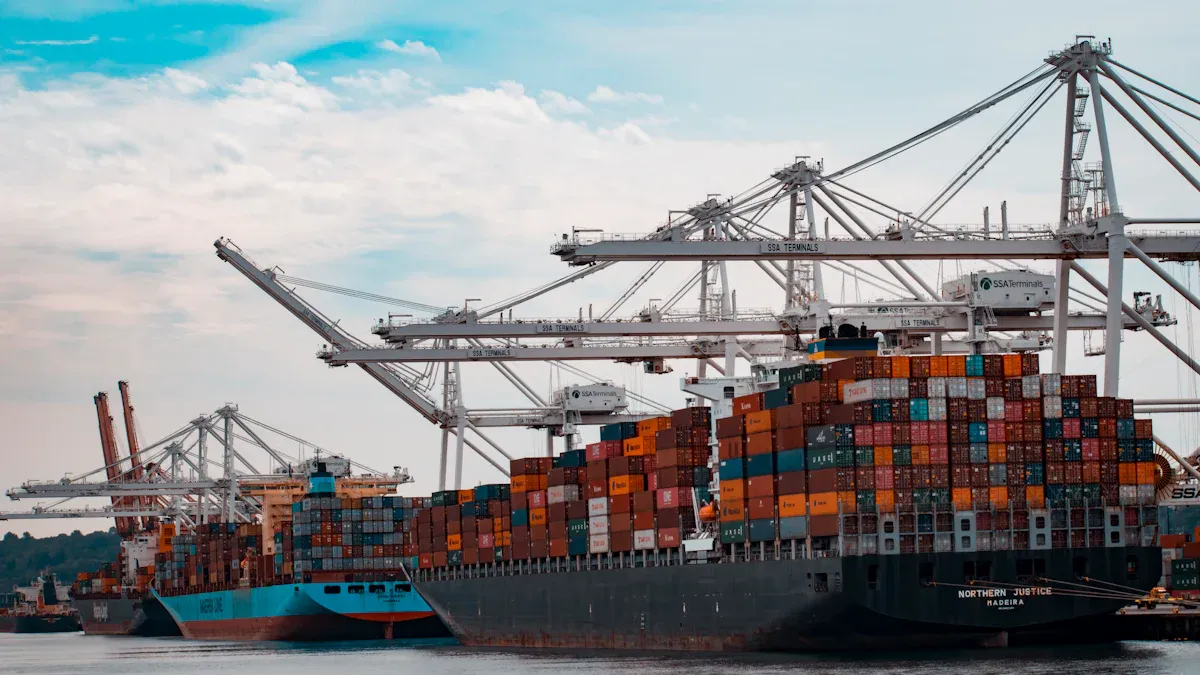
Start your FOB strategy for international shipping by picking the best Incoterm for you. When you choose FOB, you control shipping costs while managing risk and improving operational efficiency. About 70% of trade deals utilize FOB because it clearly divides cost and risk. Exporters ship goods to the port, and after loading, you take over responsibility. Clear rules help you avoid confusion and disputes, making your FOB strategy for international shipping a smart choice for many shipping jobs.
Key Takeaways
Pick the best Incoterm for your shipment. This helps you save money and handle risks well.
Know what you must do under FOB. You pay costs and take risks after goods are on the ship.
Talk clearly with your seller and freight forwarder. This helps stop mistakes and shipping delays.
Always look at your shipping papers. This makes sure you follow rules and avoid expensive errors.
Think about getting insurance for your goods after loading. This keeps your items safe from loss while moving.
FOB and Incoterms Explained
What Is FOB in International Shipping
You should know the basics of fob before using it. FOB means free on board. The International Chamber of Commerce made fob a rule in trade law. This rule tells when costs, risks, and jobs move from seller to buyer. FOB is used for sea shipping or shipping on rivers. The seller pays to move goods to the port and load them on the ship. After loading, you pay all costs and take all risks. This clear change makes fob a top pick for shipping.
The Incoterms 2020 update changed some fob rules. Now, fob should only be used for shipping that is not in containers. Still, many exporters use fob for container shipping. This is because banks want a Bill of Lading. The new rules let you ask the carrier for an "on board" note. This note helps with bank needs and keeps your papers correct.
Tip: Always check if your goods are in containers. If they are, think about if fob is right for your shipment.
How Incoterms Define Responsibilities
Incoterms tell who does what in shipping. They help you and the seller avoid mix-ups. Each rule shows who pays for each part and who takes the risk. With fob, you know when you become responsible for your goods.
Here is a simple table to show how incoterms split responsibilities:
Incoterm | Buyer Responsibilities | Seller Responsibilities |
|---|---|---|
EXW | Almost everything | Make goods available |
FOB | Costs and risks after loading | Costs and risks until goods are loaded on the vessel |
CIF | Costs after arrival | Costs until loaded, plus insurance |
DDP | All costs and risks | All costs and risks until delivery to your location |
FCA | Costs after delivery | Costs until goods are delivered to the carrier |
DAP | Costs after delivery | All costs and risks until delivery to your location |
You can use this table to compare fob with other choices. This helps you pick the best rule for your shipping. When you know your jobs, you can plan, save money, and lower risk.
Strategic Benefits of FOB
Buyer Advantages with FOB
When you use fob, you gain more control over your shipping process. At the fob shipping point, you decide which carrier to use and how your goods move. This control helps you find better rates and manage your supply chain. The fob origin lets you work with your own freight forwarder, so you can track your shipment and solve problems quickly.
Here is a table to show the main advantages for you as a buyer:
Advantage | Description |
|---|---|
Control over logistics | You choose your shipping methods and freight forwarders. |
Cost savings | You can shop for the best shipping rates and lower your total costs. |
Defined responsibility | You know exactly when your duties start—once goods are loaded at the fob shipping point. |
You can also customize your logistics. The fob destination gives you flexibility to fit shipments into your supply chain. You may even negotiate lower prices by taking on more risk. These are some of the main advantages and disadvantages of fob for buyers.
Seller Advantages with FOB
As a seller, fob simplifies your job. You only need to get the goods to the port and load them onto the ship. After that, your responsibility ends at the fob shipping point. This clear split means you do not have to manage international freight or deal with fob destination risks.
Here are some key benefits for sellers:
You focus on inland transport and export customs.
You avoid extra costs and risks after the goods leave the fob origin.
You can offer transparent pricing, separating product cost from shipping.
The fob shipping point makes your role clear. You do not need to worry about what happens after the goods are loaded. This is one of the main advantages and disadvantages of fob for sellers.
When to Use FOB for International Shipping
You should use fob when you want a clear split of duties and risks. The fob origin works best for ocean shipments where you or your buyer have experience with freight forwarders. The fob shipping point is ideal if you want to manage your own logistics and costs.
Here is a quick guide:
Use fob for bulk or non-containerized sea shipments.
Choose fob when you want to select your own carrier.
Pick fob if you want to control costs at the fob destination.
The fob shipping point is not always right for every shipment. If you ship in containers or need more control at the terminal, consider other terms. Still, fob remains a top choice for many international deals because it gives both buyer and seller a clear path to success.
Implementing FOB Strategy for International Shipping
A strong fob strategy helps you save money and lower risks. It also keeps your supply chain working well. You need to follow simple steps to make your fob plan work. Here is a guide to help you do well.
Selecting the Right Incoterm
First, pick the best incoterms for your shipment. This choice affects your costs, control, and when risk changes. With fob, you can pick your own carrier and control shipping. You also get to find better prices and handle risks better.
Think about these things when picking incoterms:
Control: Do you want to pick the carrier and manage shipping?
Cost Efficiency: Can you get better shipping prices yourself?
Risk Management: Do you want less risk or more control?
Also, remember these key points:
Know when risk moves during shipping.
Find out who must sign the shipping contract.
Learn how charges are split between you and the seller.
Picking the right incoterm is very important for your fob plan. It is the first step for all other actions.
Negotiating FOB Terms
To get good results, you must talk about fob terms that help you. Good talks help you avoid mistakes and build strong business ties.
Try these ideas when you talk about fob terms:
BATNA: Always have a backup plan ready. This helps you walk away from a bad deal.
Time Management: Start talks early to get a fair deal.
Payment Terms: Offer to pay in parts. This keeps the shipping company working until the end.
Concessions Planning: Decide what you can give up before talks. This helps both sides win.
Leveraging Competitive Bids: Get prices from many companies. Use these to get better deals.
Clear talks make your fob shipping point work for you. They also help you avoid fights later.
Managing Documentation and Compliance
You need the right papers for every fob shipment. Missing or wrong papers can cause delays, fines, or lost goods. You must know what papers you need and how rules change by country.
Common papers for fob shipments are:
Import Permits, Licenses, and Certificates: Needed for things like food or chemicals.
Customs Bond: Makes sure duties are paid for expensive goods.
Importer Security Filing (ISF): Needed for ocean freight to the U.S.
Certificate of Origin (COO): Shows trade rules are met and helps with duty rates.
Letter of Credit (L/C): Promises the seller will get paid.
Insurance Certificate: Shows your goods are insured.
Import/Export Licenses: Needed for some goods.
Inspection Certificate: Proves goods meet quality rules.
Shipper’s Letter of Instruction (SLI): Tells the forwarder how to ship your goods.
Note: Rules can change by country. Some goods need special permits, like FDA approval for medicine in the U.S. Always check local rules and paper formats to avoid customs problems.
Coordinating with Freight Forwarders
Freight forwarders are important in your fob plan. They help you at the fob shipping point and keep your shipments moving.
You should work well with your freight forwarder. Good talks are key. Share your plans, explain jobs, and keep them updated about your shipments. This lowers mistakes and delays.
When you work well together, your freight forwarder can:
Book carriers and set schedules.
Handle export steps at the fob origin.
Manage papers and rules.
Give updates and fix problems fast.
Tip: Treat your freight forwarder like a partner. Good teamwork gives you safe and low-cost shipping.
Risk and Cost Management
Handling risks and costs is a big part of your fob plan. You need to know when you take over and how to stay safe.
Here is a table showing common risks and costs at the fob shipping point:
Risk/Cost Type | Description |
|---|---|
At fob origin, risk moves to the buyer after loading. At fob destination, seller keeps risk until delivery. | |
Liability for Damage/Loss | The person with risk pays for any loss or damage. |
Shipping Costs | Buyer pays after the fob shipping point. Seller pays up to loading. |
Delays and Penalties | Delays can cause penalties if not handled well. |
Contract Clarity | Clear contracts stop mix-ups and fights. |
You can handle these risks by:
Writing clear contract rules.
Matching legal and shipping terms.
Explaining jobs at the fob shipping point.
Working with your finance and shipping teams.
FOB terms help you handle risk by saying when it moves from seller to buyer. For example, at fob origin, you take risk after loading. You should get insurance for your goods from that point. At fob destination, the seller keeps risk until delivery, so you have less risk during shipping.
Step-by-Step Guide to Implementing FOB Strategy
Follow these steps to use your fob plan for international shipping:
Bring goods to the fob shipping point named in the contract. The seller must get the goods to the port or carrier.
Load the goods. The seller loads them onto your chosen carrier and gives you the right papers.
Seller pays for moving and takes risk up to the fob shipping point.
Seller handles export customs and rules at the fob origin.
You pick your own carrier for the trip from the fob shipping point to the end.
You give clear shipping instructions and papers to the seller.
You pay all costs and take all risks after the fob shipping point.
Callout: Always match your fob plan with your bigger shipping and supply chain plans. This keeps things steady, stops surprises, and helps you grow.
By following these steps, you can build a strong fob plan for international shipping. You will get more control, save money, and handle risks better.
Common FOB Mistakes and How to Avoid Them
When you use fob for shipping, you need to avoid mistakes. These mistakes can cause fights, slow shipments, or cost you more money. Many people make errors at the fob shipping point. This happens because they do not know the rules or miss small details. Here are ways to stop these problems and keep your goods safe.
Misunderstanding FOB Responsibilities
You must know when risk and responsibility move to you. This happens at the fob shipping point. Some people use fob for container cargo, but this is not right. Fob works best for ocean freight that is not in containers. If you use fob for containers, you might have trouble. Risk moves only when goods are loaded on the ship. It does not move when goods reach the terminal. If something breaks at the terminal, the seller is still responsible. This can cause fights.
Using fob for container goods puts the seller at risk at the terminal.
Risk moves at the fob shipping point, not before.
Tip: Always check if your cargo fits fob rules before you pick the fob shipping point.
Documentation Errors
Mistakes with papers at the fob shipping point can cause big trouble. If you do not have the right papers, your goods may be late or you may get fined. With fob, the seller must load the goods and give you all needed papers at the fob shipping point. If you do not know when risk moves, you may think you have insurance when you do not.
Common Documentation Errors | Consequences |
|---|---|
Confusion with UCC terms | Not knowing who does what can cause fights and money loss. |
Neglecting loading responsibilities | Can cause big fights and money problems for the seller. |
Misunderstanding transfer of risk | Buyers may have to pay for damage after loading. |
Issues with export documentation | Sellers may have trouble clearing goods, which slows down shipping. |
You should always check your papers at the fob shipping point to stop these problems.
Overlooking Insurance and Hidden Costs
Many people forget to get insurance at the right time. At the fob shipping point, you take on risk after the goods are loaded. If you do not have insurance, you could lose money if something bad happens. You also need to look for hidden costs. Ask for a full list of costs before you ship. Check all fees at the fob shipping point, like starting and ending charges.
Know your fob shipping point and what you must pay.
Ask for a price that shows all fees.
Make sure you know all charges before you ship.
Ask about ending charges before you ship.
Check container and weight numbers.
Watch out for extra fees for waiting or delays.
Only pay for things you need.
Pick a freight forwarder who is clear about costs.
Keep track of all papers to make sure they are right.
Note: If you forget insurance at the fob shipping point, you could lose a lot if your goods are lost or broken.
By learning about these common mistakes at the fob shipping point, you can keep away from fights, slow shipments, and extra costs. Always check your fob shipping point jobs, look at your papers, and get insurance before your goods leave the port.
Maximizing Success with FOB Strategy
Best Practices for Communication
Good communication is very important for a strong fob plan. You need to talk clearly with your seller, freight forwarder, and shipping line. This helps you stop mistakes and delays at each step. When you use fob, always write down the port and ship details in your deal. Make sure everyone knows their jobs.
Give updates often to your partners.
Write down all shipping instructions.
Set clear jobs for each person in the fob process.
Trust grows when you keep everyone in the loop. If plans change, quick updates help you fix things fast. This makes service better and builds strong teamwork. Good talking also helps you fix problems before they get big.
Tip: Use checklists to follow each step in your fob shipping. This helps everyone know what to do.
Leveraging Freight Forwarders
Freight forwarders are very important in fob shipping. Pick a forwarder who has done a good job before. Your contract should say who picks the forwarder and who handles papers. A good forwarder helps you save money, follow rules, and keep goods moving.
Benefit | Description |
|---|---|
Cost Control | Forwarders get better prices and combine loads to save money. |
Compliance and Risk Management | They know local rules and help you avoid fines or delays. |
Operational Efficiency | They use digital tools for faster papers and real-time tracking. |
Ask your forwarder for clear prices and regular updates. Ask to see how they work and what they charge. This helps you find hidden costs and stop surprises.
Integrating FOB with Supply Chain Systems
You can get better fob results by linking your fob steps with your supply chain. Match your buying, shipping, and supplier steps to save money and cut waste. Keep product and shipping costs separate in your deals. This stops high shipping prices.
Use the same packaging to fill containers better.
Check your supplier’s papers to stop delays.
Track important numbers like on-time delivery and paper speed.
KPI Type | Description |
|---|---|
Cost Efficiency | Check fob price per unit and shipping cost share. |
Delivery Performance | Measure on-time delivery and perfect order rates. |
Process Efficiency | Watch lead time and paper processing speed. |
Note: Buyers should always get insurance after goods load at the port. This keeps you safe from loss during shipping.
By doing these things, your fob shipping will be more steady and save money. You also build a supply chain that helps you grow for a long time.
You can do well in shipping if you follow a clear FOB strategy. First, pick the right Incoterm for your shipment. Next, make sure you have all the correct shipping papers. Work closely with your freight forwarder to keep things on track. Using FOB lets you choose your own shipping times and companies. This helps you save money and lowers your risks. It also helps you avoid fights when shipping to other countries. Make sure your FOB plan matches your bigger shipping and supply chain goals. This will help your business grow strong for a long time.
FAQ
What does FOB mean in international shipping?
FOB stands for "Free On Board." You take responsibility for the goods once they are loaded onto the ship at the port. The seller handles costs and risks up to that point.
When should you use FOB for your shipments?
You should use FOB when you want to control shipping, choose your own carrier, and manage costs after the goods leave the port. FOB works best for ocean freight and bulk shipments.
Who arranges insurance under FOB terms?
You arrange insurance after the goods load onto the ship. The seller does not cover insurance beyond the port. Make sure you buy coverage to protect your shipment during transit.
What documents do you need for an FOB shipment?
You need a bill of lading, commercial invoice, packing list, and insurance certificate. Sometimes, you also need a certificate of origin or special permits. Always check the rules for your destination country.
Can you use FOB for container shipments?
You should avoid using FOB for container shipments. FOB works best for non-containerized cargo. For containers, use FCA (Free Carrier) to avoid confusion about risk and responsibility.
See Also
Enhancing Global Operations Through Innovative Logistics Strategies
Maximize Savings with Premier Global Logistics for FTL Shipping
Streamlined Supply Chain Solutions for U.S. Businesses Today
Reliable Ocean Freight Services from Major U.S. Ports
Optimal FCL Export Solutions Offered by Premier Global Logistics
