Freight Associate Career Path in Ocean Shipping: Opportunities and Growth
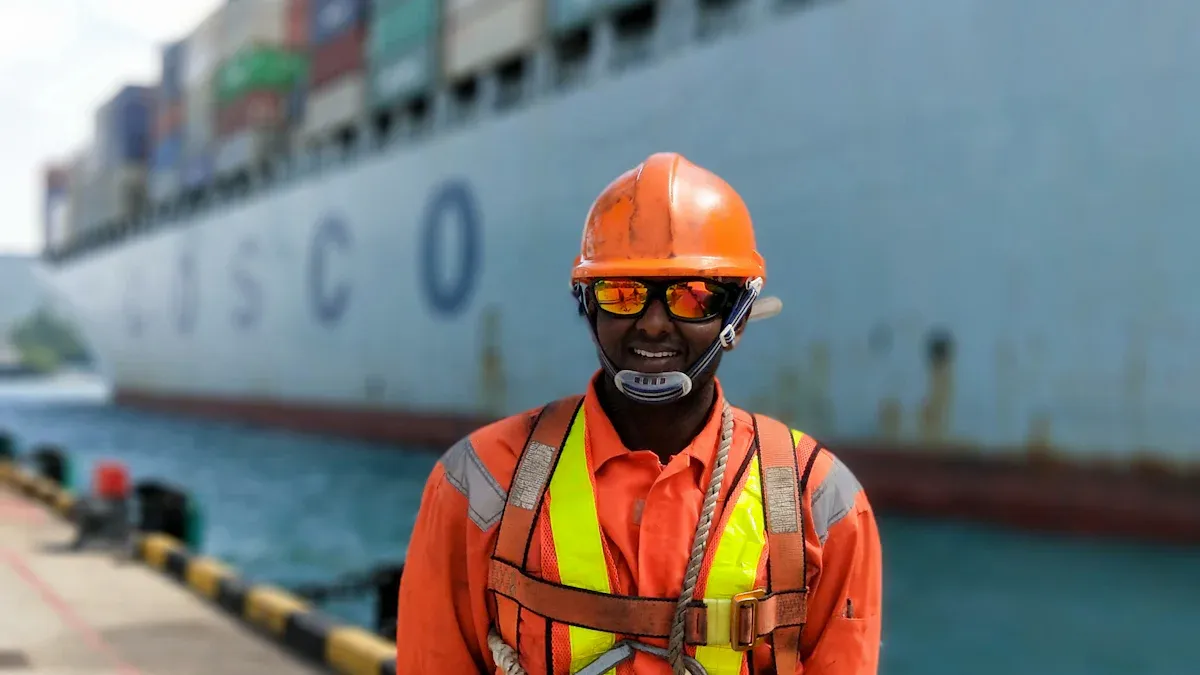
You play a vital role in the freight associate career path ocean shipping. As a freight associate, you are essential to moving goods across the globe and supporting the 80% of world trade that relies on ocean shipping. In this freight associate career path ocean shipping, you organize shipments, manage important paperwork, and solve problems for businesses. Your position connects shippers, carriers, and clients, making you a crucial link in the logistics chain. Starting your journey in the freight associate career path ocean shipping allows you to learn hands-on, gain valuable experience, and advance to higher positions as you develop new skills and earn certifications.
Ocean freight associates are key to the freight associate career path ocean shipping, ensuring goods move smoothly through logistics networks. They support global trade and help local businesses thrive.
Qualifications | |
|---|---|
Check if shipments are correct | High School Diploma or GED |
Use machines to move materials | Training on the job |
Keep the receiving area safe | Extra training is good |
Help with inventory | Logistics certificates help |
Work with other team members | Warehouse experience is useful |
Key Takeaways
When you start as a freight associate, you get real experience in logistics and shipping. This is important for your career to grow. You need to build skills in talking to others, solving problems, and working with a team. These skills help you do well in the maritime industry. Getting certifications and more experience can help you move up from beginner jobs to higher jobs in logistics. Meeting new people and learning about new trends in the industry can help you find jobs around the world in maritime freight. The maritime industry has many job choices and steady work. It helps support trade and logistics all over the world.
Freight Associate Career Path Ocean Shipping
Entry-Level Role Overview
You begin as a freight associate in ocean shipping. You help move goods across oceans. You work in logistics and support global trade. You do simple tasks and learn about the maritime industry. You watch how freight goes from ports to warehouses. You get experience in shipping and learn about freight operations. You build skills and get ready for new chances.
You might be called a customs clerk or documentation clerk. You work with freight and learn about maritime shipping. You help your team and support logistics work. You see how the maritime industry connects countries and businesses. You start your career and notice many ways to grow.
Tip: Entry-level jobs in the maritime industry give you hands-on experience. You learn about freight, logistics, and shipping every day.
Typical Responsibilities and Skills
You do many daily tasks as a freight associate. You track shipments and update records. You print load tags and fix mistakes. You organize the member ready area and get ready for dispatch. You talk to customer service and logistics technicians. You help unload trucks and scan inventory. You check deliveries and match them to purchase orders. You enter information into inventory software. You schedule outgoing shipments and create bill of lading documents. You watch quality control and follow safety rules. You adjust to incoming volume and help with problems.
Here is a table showing common daily tasks and responsibilities:
Daily Tasks and Responsibilities | Description |
|---|---|
Track shipment status | Update Google Sheets or internal systems |
Print load tags | Apply corrections for incorrect tags if needed |
Organize member ready area | Prepare for daily dispatch |
Communicate with customer service | Liaise with representatives and logistics technicians |
Assist receiving department | Unload trucks, scan inventory, review delivery receipts |
Accept deliveries | Verify contents against purchase orders |
Enter information | Maintain records in inventory software |
Schedule outgoing shipments | Generate bill of lading documents |
Monitor quality control | Ensure measures are followed |
Adapt to incoming volume | Adjust priorities and assist with discrepancies |
You use skills like communication, attention to detail, and teamwork. You learn how to solve problems in logistics. You build skills in freight and maritime shipping. You see that the maritime industry needs careful planning and organization. You use technology to track shipments and manage freight. You learn about logistics and shipping every day.
Skills Gained for Advancement
You gain important skills as you work in ocean shipping. You learn how to supervise and coordinate teams. You monitor export shipments and make sure they meet customer needs. You talk to customers, carriers, and other people. You solve problems like delays, damages, or customs issues. You follow laws and rules in the maritime industry.
You build skills in logistics, freight, and shipping. You learn about compliance and export controls. You see that the maritime industry needs strong leadership and planning. You get ready for career advancement and growth. You notice many chances for development in the maritime industry.
Here is a table showing how your job titles change as you progress:
Career Stage | Job Titles |
|---|---|
Entry-Level | Customs clerk, Documentations/freight operations clerk |
Mid-Level | Export officer/coordinator, Freight forwarding manager, Freight scheduler, Import officer |
Senior-Level | Logistics manager, Shipping agents, Supply chain manager, Export administrator, Shipping or export office manager |
You move from entry-level jobs to mid-level and senior roles. You see career progression and growth opportunities. You build skills and get ready for new jobs in the maritime industry. You see how the freight associate career path ocean shipping leads to many careers in logistics and shipping.
Note: You can advance in your career by learning new skills and gaining experience. The maritime industry offers many opportunities for growth and development.
You see how your skills help you move up in the maritime industry. You build a strong foundation for career development. You find new jobs and opportunities in logistics, freight, and shipping. You see how the freight associate career path ocean shipping leads to many careers and growth.
Freight Associate Career Guide: Qualifications and Certifications
Education and Training Requirements
You can start working in the maritime industry with a high school diploma. Many freight associates have degrees in business, economics, or logistics. Some people study international business management, finance, or law. Here are some common ways to learn:
Business studies
Economics
Finance, accounting, and management
International business management
Law or legal studies
You should also find special maritime training. Many programs teach cargo management, maritime law, and logistics. Here is a table of popular training choices:
Training Program | Description |
|---|---|
Advanced International Maritime Business Training | Learn about maritime economics, cargo management, and maritime law. |
Professional Certificate in Ship Sale & Purchase | Study ship buying, selling, and legal parts. |
Dry Cargo Operations: Handling, Stowage, and Management | Practice dry cargo operations and learn best ways to do them. |
Container Logistics Management Certificate | Understand container transportation and supply chain management in the maritime industry. |
Essential Skills for Success
You need strong skills to do well as a freight associate. Employers want:
Problem-solving
Adaptability
Digital literacy
Data-driven decision-making
Risk analysis
You use these skills every day in the maritime industry. As you move up, you build leadership, planning, and logistics skills. You learn to manage teams, analyze risks, and make smart choices in shipping.
Tip: Keep learning new skills and stay updated with maritime trends to grow your career.
Industry Certifications
Certifications help you stand out in the maritime industry. They show you have the right training and knowledge for logistics and shipping. Here are some important certifications:
Certification Name | Description | Relevance |
|---|---|---|
CILT | Focuses on transport, logistics, and supply chain strategy | Leadership roles |
APICS CPIM | Covers planning, inventory, and supply chains | Operational roles |
APICS CSCP | Explains supply chain management | Leadership roles |
Lean Six Sigma | Teaches process improvement and efficiency | Operational excellence |
FIATA Diploma | Key for international freight forwarding | Freight forwarding |
Dangerous Goods Certification | Needed for handling hazardous cargo | Safety compliance |
Customs Compliance Certifications | Needed for cross-border shipments | Customs operations |
You can also get a Customs Broker License or Certified International Freight Forwarder credential. These help you get advanced jobs in the maritime industry and logistics.
How to Become a Freight Associate

Steps to Enter the Industry
You can start working in ocean shipping by following some steps. First, you need to meet basic requirements for freight jobs. Most companies want you to have a high school diploma or something equal. Some companies like it if you have more education in logistics or a similar area. You can get better chances if you earn certifications and get experience.
Here is an easy guide to help you start:
Get your high school diploma or something equal.
Try to get work experience with internships or entry-level jobs.
Go to college or get more education if you want to grow your career.
Learn about how the industry works and how freight moves.
Get certifications in logistics, freight, or customs if you can.
Make friends with people in the industry and build a network.
Work on your communication and customer service skills.
Keep learning about new changes in logistics and freight shipping.
Apply for jobs at ocean shipping companies.
Always try to improve your skills for better jobs.
Tip: You can join groups or go to events to meet people and learn about new jobs.
Application Tips and Job Readiness
You need a good resume and cover letter to get noticed. Show your skills, training, and experience in logistics and freight. Employers want people who pay attention to details and work well with others.
Try these ideas to make your application better:
Put your name, contact info, and date at the top.
Write to the hiring manager in your cover letter.
Start with a short introduction about why you like freight and logistics.
List your experience, training, and skills in freight work.
End by saying why you want the job and thank them.
Add any certificates or special training you have.
You should also get ready for interviews. Practice answering questions about freight, logistics, and your job duties. Employers might ask about using shipping tools, fixing damaged products, and following safety rules.
Here are some questions you might get:
What jobs did you do in shipping?
How did you deal with a damaged product or missing order?
What shipping tools have you used?
What types of carriers and transport do you know?
How would you make the freight associate job better?
Why do you think problem-solving is important?
How do you follow safety rules?
What is your experience with warehouse software?
How do you organize and keep track of shipments?
What do you do if a shipment is lost?
How would you manage stock in a warehouse?
What helps stop stock from getting lost?
Why is being on time important for freight associates?
How does being fit help in freight jobs?
Note: Practice your answers with a friend or mentor to feel more ready for interviews.
Career Progression and Promotion Paths
You can move up and grow in ocean shipping. You start with entry-level jobs and get better jobs as you learn and train. You build skills in logistics, freight, and management. You find many chances to grow as you move forward.
Here is a table that shows how you can get promoted and what you do:
Level | Position | Responsibilities |
|---|---|---|
1 | Entry-Level Position: Freight Clerk or Logistics Assistant | Handle basic shipment paperwork, learn about freight forwarding, help with tracking and talking to others |
2 | Cargo/Freight Agent | Book and set up shipments, help with customs, work with carriers and logistics companies |
3 | Senior Freight Agent / Logistics Coordinator | Manage big shipping jobs, make deals, supervise junior agents |
4 | Freight Forwarding Manager | Lead a team, plan logistics, handle important international shipments |
5 | Director of Logistics / Supply Chain Manager | Run global supply chain work, use automation, grow business partnerships |
You can go from entry-level to mid-level jobs in two to four years. You can get senior jobs after five to eight years of work and training. You can become a manager or director if you have strong leadership and logistics skills. You might even start your own freight forwarding company.
Callout: You can grow your career by learning new skills, getting certifications, and gaining experience in freight and logistics.
You see many jobs in ocean shipping. You find ways to move up at every step. You build a strong base for future jobs in logistics and freight.
Global Freight Associate Opportunities and Industry Trends
International Job Prospects
You can find freight associate jobs in most big port cities. The maritime industry connects many countries and continents. Your job skills are needed all over the world. Many companies want people who know freight, logistics, and shipping. You may work for freight forwarders, shipping agents, or marine surveyors. Some jobs focus on customs, while others handle paperwork or safety. Maritime jobs keep growing as trade gets bigger and new routes open. You can build a career that lets you travel to different countries. You get a global view of logistics.
Tip: Working in other countries in the maritime industry helps you stand out. It can give you more chances for new jobs.
Emerging Specializations
You can pick from many specializations as you move up in your freight career. The maritime industry now has jobs in digital logistics, maritime law, and safety. You may work with new logistics technology or help companies follow rules. Here are some specializations you can try:
Digital logistics
Maritime law
Safety and compliance
Advanced logistics technologies
You may also find jobs as:
Freight forwarders
Shipping agents
Ship brokers
Marine surveyors
Health and safety officers
Environmental compliance officers
Maritime lawyers
Marine insurance underwriters
Claims adjusters
These specializations give you more ways to grow. They help you choose your own path in the maritime industry.
Current Ocean Shipping Trends
The maritime industry is changing quickly. You need to learn about new trends to stay ahead in your job. The market uses automation and robots to make logistics faster and more accurate. Blockchain technology keeps freight records safe and easy to check. IoT and smart logistics let you watch shipments in real time. AI and machine learning help plan routes and guess what people will need. The market also cares about sustainability. It uses electric vehicles and new fuels to help the environment.
You must learn new skills and adjust to these changes. The market faces problems like climate change, new rules, and changing trade routes. You can grow your career by staying updated and getting training. Maritime jobs keep growing because the industry needs skilled freight associates who can use new technology and handle global logistics.
Note: Keep learning and be ready to change. This is important for long-term career growth in the maritime industry.
Pros, Cons, and Practical Advice
Advantages of the Role
You get many good things when you start as a freight associate in maritime logistics. This job lets you work with global trade. You see how freight moves from port to port. You learn about the whole shipping process. You build skills that help you move up in your career. You can have a long career in the maritime industry. There is steady employee growth because freight and logistics jobs are always needed. Many companies pay well and show clear ways to grow in your job. You work with people from different countries. This helps you grow as a professional and learn new things. The maritime field has many jobs. You can pick a path that fits your interests and goals.
Tip: Working in maritime freight gives you a strong base for long careers and moving up in logistics and shipping.
Challenges and Considerations
You will face some problems in maritime freight jobs. The industry changes fast. You must learn new rules and use new technology. Here is a table showing common problems and ways to fix them:
Challenge | Description | Solution |
|---|---|---|
Shipping Container Shortage | Not enough containers because of global events. | Check container supply often and try other shipping methods if needed. |
Rising Freight Costs | Prices go up because containers are hard to find. | Make long contracts to get better prices. |
Port Congestion | Busy ports cause delays. | Plan shipments to avoid busy times and talk to port workers. |
Lack Of Carrier Capacity | It is hard to find good carriers. | Make friends with many carriers for more choices. |
Crew Shortages | Not enough trained workers in maritime jobs. | Join training programs and connect with maritime schools. |
You may work long hours or handle urgent shipments. You need to stay organized and keep learning new things. This helps you move up and grow as an employee. The maritime industry rewards people who solve problems and change quickly.
Resources for Job Seekers
You can use many tools to help you find jobs and grow your career in maritime freight. Industry groups and websites have job lists, training, and networking. Here are some helpful groups:
Association Name | Link |
|---|---|
Association of Ship Brokers and Agents | |
International Association of Movers | |
National Freight Transportation Association |
You should build your network to help your career grow. Try these ideas:
Go to maritime events and job fairs.
Join online groups for freight and logistics workers.
Connect with mentors in the maritime industry.
"Real networking is more than swapping contact info at conferences. It means building trusted relationships that help when normal solutions do not work."
Networking helps you get better pay, find new jobs, and learn from others. You can get advice on career growth and professional development. Stay active in the maritime community to support your long career and move up in your job.
You can start your career in maritime freight with entry-level jobs. You can move up to supervisor or specialist roles as you gain experience. You learn skills in inventory management and safety. These skills help you get better jobs in maritime careers. You should work on teamwork, making good choices, and using different transport methods. This will help you do well in maritime freight jobs. You can go to workshops, join professional groups, and earn certifications. These steps help you grow your maritime career. The job market is steady, so you can find many paths in maritime freight. You see new chances in global markets and special jobs. The logistics industry keeps growing. This gives you a rewarding career in maritime freight.
Key points for your maritime freight career:
Clear job growth and ways to move up
Simple steps for starting and getting better jobs
Global chances and special jobs
Steady job market and more logistics careers
The maritime freight industry gives you many career choices, steady job growth, and a chance to help global trade. 🚢
FAQ
What does a freight associate do in a maritime job?
You help move goods in the maritime industry. You check shipments, handle paperwork, and talk to carriers. You keep the job running smoothly. You learn about shipping rules and how to solve problems in a busy maritime setting.
How can you start a maritime job as a freight associate?
You need a high school diploma for most maritime jobs. You can join with little experience. You learn on the job. You can take maritime courses or get certificates. You build skills by working with teams and handling real shipments.
What skills help you grow in a maritime job?
You need good communication and problem-solving skills. You must pay attention to details. You learn to use maritime software. You work with others to finish the job. You also learn about safety and rules in the maritime field.
How do you move up in a maritime job?
You start with basic tasks. You show you can handle more. You take on new duties in the maritime job. You get more training. You earn certificates. You can become a team leader or manager in the maritime industry.
Why is the maritime job market a good choice?
The maritime job market stays strong. You find many job options. You can work in ports or offices. You see global trade in action. You build a career that grows with the maritime industry. You help keep world trade moving.
See Also
Comprehensive Ocean Export Solutions for U.S. Ports
Nationwide Ocean Freight Services by Premier Global Logistics
Maximize Savings with Premier Global's Cross-Country FTL
