Freight Broker Daily Operations: A Complete Guide to Running Your Brokerage Efficiently

Imagine you handle dozens of shipments each day. If you use pen and paper, you move 8 to 10 loads. With a structured workflow, you can manage 22 to 25 loads daily. Hill Bros. saved over 1,000 hours a year by automating documents, which improved cash flow and let billing teams focus on bigger tasks. In freight broker daily operations, efficient routines help you keep clients happy, boost revenue, and set your business up for growth. You will see that every step you take each day matters.
Key Takeaways
Use clear steps to handle more shipments each day. You can go from 8-10 to 22-25 shipments. This helps your team work better and makes clients happy.
Make good connections with clients and carriers by talking clearly. Give updates often to stop confusion and build trust.
Use tools like Transportation Management Software (TMS) to make work easier. This cuts down on paperwork and helps you track things better.
Follow the rules by checking carrier licenses often and keeping good records. This keeps your brokerage safe and makes people trust you.
Always look at how you do things and try to make them better. Checking your work often helps you find ways to improve and stay ahead of others.
Freight Broker Daily Operations Overview
Core Responsibilities of a Freight Broker
You are very important in the freight industry. Every day, you help shippers find good carriers. You make sure goods get moved quickly and safely. Your main jobs are:
You talk about shipping prices and find space for each load.
You set up pick-ups and deliveries so freight stays on time.
You watch shipments as they move and fix problems fast.
You follow all rules and safety laws.
You keep in touch with clients and carriers often.
Tip: Check for urgent client messages first thing in the morning. This helps you know what to do first and keeps you from missing deadlines.
Role in Freight Brokerage
Your job in freight brokerage is different from other logistics jobs. You connect shippers and carriers, but you do not own the freight. You manage the whole process and make sure the shipment goes well. The table below shows how your job is not the same as others in the field:
Role | Freight Broker | Freight Agent |
|---|---|---|
Main Function | Middle person between customers and carriers to get transportation | Sets up cargo movement using a broker's license |
Ownership | Does not own the cargo | Cannot set up transportation alone |
Liability | Has a lot of responsibility for the transportation | Has very little responsibility |
Creditworthiness | Cares about if customers can pay | Does not worry about if customers can pay |
Focus | Marketing, booking loads, matching shippers and carriers | Talks to clients, finds carriers for customer cargo |
Why Daily Operations Matter
Freight broker daily operations are the base of a strong brokerage. Doing things the same way every day and being clear builds trust with shippers and carriers. When you watch shipments closely and talk well, your brokerage stands out. Taking care of each shipment from start to finish gives clients good service. This helps you keep clients and grow your business over time.
Note: Brokers who are good at daily operations keep more customers and have fewer shipment problems.
Day-to-Day Operational Tasks

Freight broker daily operations need you to follow a set routine. You check shipments every day. You talk with clients and shippers often. You work with carriers to move loads. You handle paperwork and keep records neat. These tasks help your brokerage run well. They also help you earn trust from everyone.
Managing Clients and Shippers
You should build good relationships with clients and shippers. Talking clearly is very important. Always tell them what is happening with their freight. If something changes, let them know fast. This stops confusion and shows you care.
Always talk clearly with shippers and clients.
Be honest about what you can do and the costs.
Give great service by sharing updates and fixing problems fast.
Use technology for tracking and checking data.
Make deals that help both your brokerage and shippers.
Ask for feedback often to make your service better.
Tip: Answer urgent client messages first. This helps you know what is most important and keeps clients happy.
Carrier Coordination
You connect shippers and carriers every day. You handle the details and track shipments. You make sure deliveries are on time. You help clients save time and make shipping easier.
You need to:
Find good carriers for all shipments.
Talk about prices and set pickup and delivery times.
Give carriers all the details and needed documents.
Fix problems that happen during shipping.
Your connections and knowledge help shippers get good prices. You handle the details and paperwork. This lets clients focus on their own work.
Shipment Tracking and Documentation
Tracking shipments and keeping documents is very important. You must know where every load is. You need proof for each step.
Here are the main documents you need:
Bill of Lading (BOL): Shows what is shipped and details.
Packing List: Lists everything in the shipment.
Commercial Invoice: Needed for international shipments.
Proof of Delivery (POD): Shows the shipment was received.
Hazmat Documentation: Needed for special items.
Shipper-Broker Agreement: Sets rules between you and shipper.
Broker-Carrier Agreement: Explains payment and responsibility.
Load Tender and Confirmation: Gives carriers needed details.
Rate Confirmation: Shows agreed prices for the shipment.
Invoice: Used for payment and shipment details.
Use electronic records to keep things safe and easy to find. Batch entry helps you group money tasks together.
Note: Sorting expenses and paying on time helps you keep good records and avoid mistakes.
Compliance and Regulatory Checks
You must follow rules every day in freight broker daily operations. This keeps your brokerage and clients safe.
Compliance Check | Description |
|---|---|
Keep records of all deals for at least three years. | |
Avoiding Misrepresentation | Always say you are giving brokerage services. |
Not Charging Carriers | Do not charge carriers for services if you have an interest. |
Correct Accounting | Track money carefully and separate brokerage from other work. |
Food Safety Rules | Follow FDA rules for food shipping and keep records. |
Yearly Bond Renewal | Renew your bond every year to keep your license active. |
Check carrier insurance and licenses every day. Make sure your broker authority and bonds are current. Doing this keeps your brokerage safe and builds trust.
Best Practices for Prioritizing Urgent Shipments and Maintaining Organized Records
You must handle urgent shipments fast and keep records neat. Here are some best ways to do this:
Make a plan for sudden changes so you can act quickly.
Build a network of good carriers for urgent jobs.
Use tracking and communication tools to stay updated.
Keep all records electronic for safety and easy searching.
Group money tasks to save time and avoid mistakes.
Freight broker daily operations work well when you do these tasks right. Following these steps keeps your brokerage running smoothly and ready to grow.
Technology and Tools for Freight Brokerage
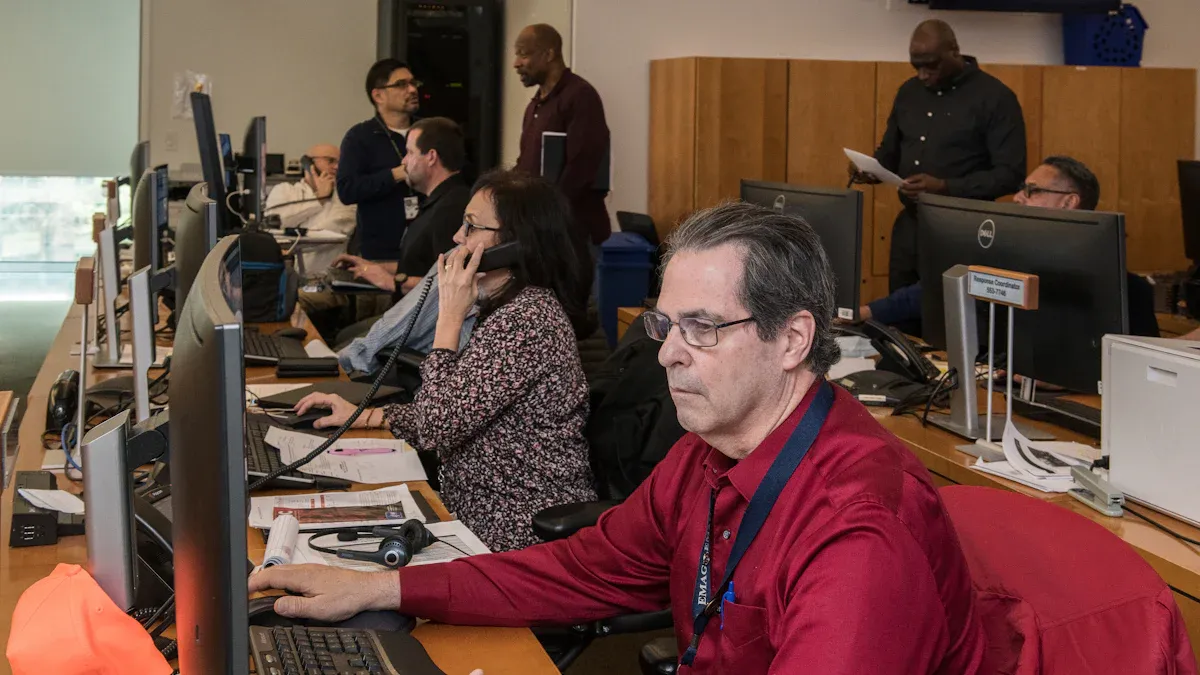
Technology makes your freight brokerage work better. You can use software to track shipments. It helps you manage clients and keep records neat. The right tools save you time. You do less paperwork and can grow your business more.
Transportation Management Software (TMS)
A system like TMS shows all shipments in one spot. You can check delivery status fast. You can update clients quickly. You can fix problems right away. Companies using cargo software make fewer mistakes. They track shipments better. Real-time tracking and updates help you work faster. This helps you deliver shipments on time for your clients.
CRM and Load Boards
You need to keep good relationships with shippers and carriers. CRM and load boards make this easy. Here are some popular choices:
CrmOne helps you track leads and shipments.
Rose Rocket helps you find loads and manage carriers.
Ascend TMS is cheap and simple for new users.
Freightview gives quick quotes and tracks shipments.
Tailwind is easy for small brokerages to use.
Descartes Aljex works for intermodal freight brokerage.
DAT Broker TMS links with load boards and shows real-time rates.
These tools help you find carriers fast. They help your brokerage stay strong.
Accounting and Document Management
You need to keep money and documents organized. Accounting and document software helps brokers, carriers, and shippers talk easily. You can automate billing and collect documents. You can send driver updates fast. This gives customers real-time info and alerts. Automation cuts mistakes and saves time. You track money better and get paid faster. Clear invoices stop arguments and help your brokerage run well.
Tip: Use software to do routine jobs. You will have more time to grow your freight brokerage.
Communication and Problem Solving
Best Practices with Clients
You make strong client relationships by changing how you talk to each customer. Some clients want updates every day. Others like weekly reports. Always ask what your client likes best. Use technology to send GPS tracking and alerts. Set clear times for when you will answer questions. Be open about prices and how you work. This helps build trust.
Change how often you talk to clients to fit their needs.
Use alerts to give shipment updates.
Answer questions and worries quickly.
Share honest info about costs and delivery times.
Ask for feedback to make your service better.
Tip: Shippers like service made just for them. If you focus on the right clients and offer flexible times, you build strong relationships and stand out.
Carrier Communication
You must talk clearly and quickly with carriers to keep freight moving. Make a plan for updates: one at pickup, one during the trip, and one at delivery. Tell carriers about special equipment, deadlines, and rules before the job starts. Use texts, apps, emails, or calls to reach carriers fast.
Give updates at pickup, during transit, and at delivery.
Explain all shipment details before starting the job.
Use quick tools to fix problems fast.
If you translate messages for carriers who speak other languages, you build better relationships. Fast replies to calls and problems show respect and help you give great service.
Internal Team Coordination
Your team works best when everyone shares info. Meet often to talk about rates and market changes. Share ideas for tough shipments to help the team. Working together lets you cover more places and give better service.
Share new ideas to solve shipping problems.
Tell everyone about rate changes.
Work together to cut empty truck trips and be more efficient.
Managing Exceptions and Issues
Problems can happen any time. You might see truck breakdowns, closed roads, bad weather, or customs delays. You need a plan to fix these fast.
Common problems are breakdowns, weather delays, and customs issues. You must act quickly to keep shipments moving.
To fix these problems:
Have backup carriers ready for emergencies.
Use automated billing and records to stop delays.
Keep good records to avoid surprise costs.
Tell clients and carriers about changes right away.
If you fix customer service problems fast and keep everyone updated, you protect your client relationships and keep your business strong. Good communication also helps your marketing because it shows you care about service, not just selling.
Optimizing Freight Broker Operations
Tracking Daily Metrics
You should check important numbers every day. These numbers show how your brokerage is doing. They help you find problems and ways to get better. Use a simple table to look at your top metrics:
Metric | Description | Target | Review Frequency |
|---|---|---|---|
Shows how well you work by dividing accepted loads by all loads offered. | > 85% | Daily |
You also need to check if deliveries are on time. Look at how well carriers do their jobs. See how fast you get and process payments. Watching these numbers helps you handle loads and space better.
Avoiding Common Mistakes
Many brokers make the same mistakes. You can stop these by paying attention:
Inconsistent Service
Hidden Fees & Pricing Surprises
Accountability Issues
Poor Carrier Vetting
Be clear with clients and carriers. Always explain costs. Keep your service steady. Check every carrier before you trust them with freight.
Workflow Checklists and Automation
Checklists and automation tools help you work faster. You can use them to:
Automate rate lookups for quick quotes.
Match carriers fast using old data.
Get alerts when shipments are late.
Answer clients and carriers any time.
Automate bookings and picking carriers.
Make shipments go faster and cut paperwork.
Handle payments with less work.
Workflow AI can do routine jobs for you. This lets you spend more time on marketing and finding the right clients.
Continuous Improvement Strategies
You should always try to get better. Use these ideas:
Learn about industries that need special freight.
Focus on certain lanes to manage loads and space better.
Use digital freight matching to find trucks faster.
Track shipments live to help logistics.
Use mobile apps for drivers and carriers.
Make loyalty programs to keep good carriers.
Check how you are doing often. Ask questions about customer relationships, load planning, and prices. Set goals for your team. Look for training to stay ahead in logistics.
Tip: When you make daily operations better, you get more accurate, make customers happier, and help your freight broker business grow.
You can make your freight brokerage bigger by doing daily tasks well. Using good routines, smart tools, and talking clearly helps you work faster. You also help your clients more. Checking your work often keeps your business strong. Here is a simple daily checklist:
Watch shipments and tell customers what is happening.
Check inventory and look at all documents.
Write down problems and tell someone if it is serious.
Look at your routines often. Try using time blocks and doing similar tasks together to get more done. Tools like automation and AI help you fix problems and make prices better.
FAQ
What is the most important daily task for a freight broker?
You need to check shipment statuses first each day. This helps you find problems early. You can tell clients what is happening. Being organized in the morning helps your day go well.
How can I handle urgent shipments more efficiently?
Make a list of trusted carriers who answer fast. Use tracking tools to watch urgent shipments. Tell everyone about changes right away. This helps you fix problems before they get bigger.
What documents do I need to keep for each shipment?
You should save the Bill of Lading, rate confirmation, proof of delivery, and invoices. Keep these records in a safe digital system. This helps you protect your brokerage and answer client questions quickly.
How does technology help my freight brokerage?
Technology helps you track shipments and manage clients. You can store documents in one place. It saves time and cuts mistakes. Many brokers use software to do routine jobs.
How do I stay compliant with industry rules?
Check carrier insurance and licenses every day. Make sure your brokerage bond and authority are active. Follow all shipping laws. Staying compliant keeps your business safe and builds trust.
See Also
Enhancing Global Operations Through Innovative Logistics Strategies
Maximize Savings with Premier Global Logistics for FTL Shipping
Comprehensive Logistics Solutions for LA: From Import to Delivery
Key Strategies for Effective Management of Global Logistics
Simplifying Cross-Border Freight on the West Coast with Premier Logistics
