Freight Forwarder versus Broker Explained for 2025
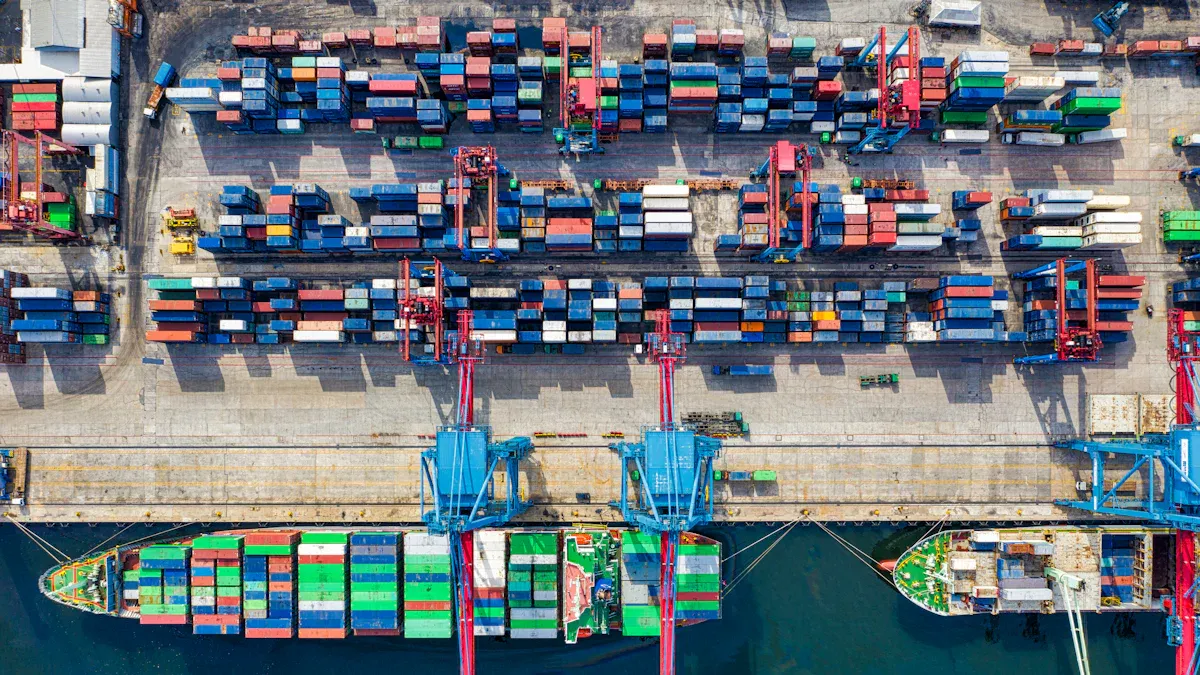
The main difference between a freight forwarder and a broker is that a freight forwarder manages and takes responsibility for your shipment, while a broker connects you with carriers but does not handle your freight directly. You need to know this difference because your choice affects cost, control, and risk in 2025. Many people think brokers only add costs or lack expertise, but they can secure better rates and offer valuable guidance. Freight forwarders often seem expensive, yet they save you time by handling logistics efficiently. Use this freight forwarder vs broker guide to make smart shipping decisions.
Common misconceptions:
Brokers only add costs, but they often save you money.
Forwarders are not worth the cost, but they manage logistics and ensure safety.
Key Takeaways
Freight forwarders manage your entire shipment process, making them ideal for complex or international shipping needs.
Freight brokers connect you with carriers, offering quick solutions for domestic shipments without taking possession of your goods.
Choose a freight forwarder for full logistics support, including customs and documentation, to avoid delays and mistakes.
Select a broker for fast access to carriers and competitive rates, especially for simple, time-sensitive loads.
Always check customer reviews and company experience to ensure you choose a reliable partner for your shipping needs.
What Is a Freight Forwarder?
Definition & Role
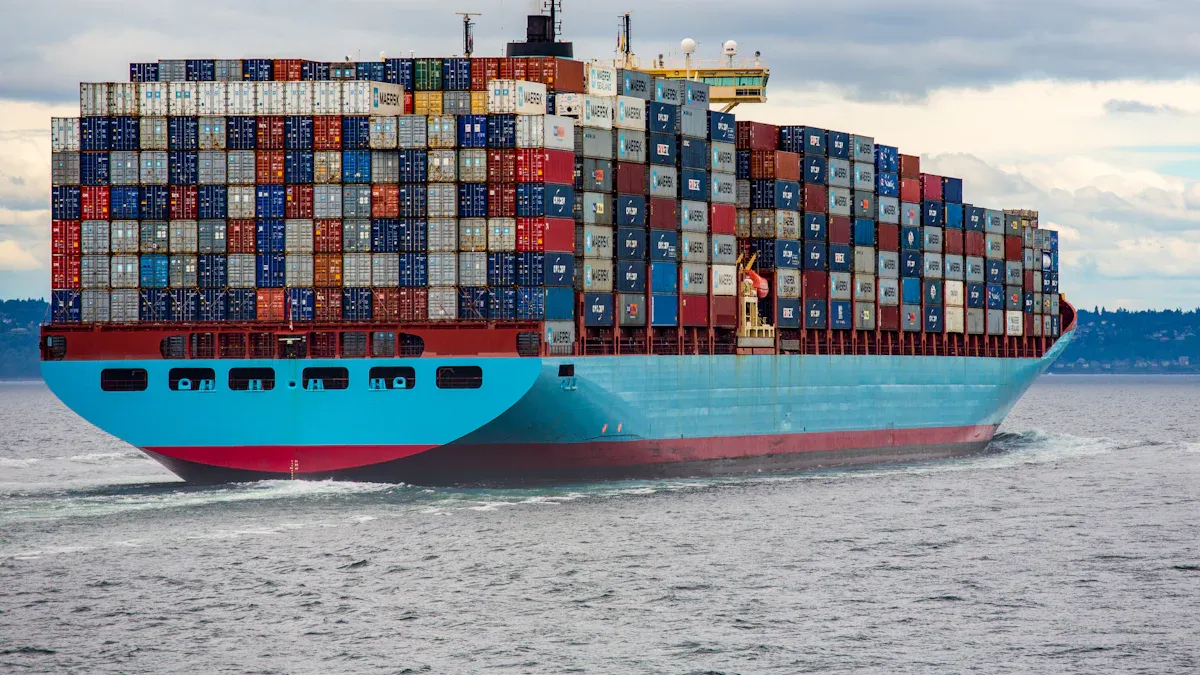
A freight forwarder acts as your logistics partner. You trust them to manage your shipment from start to finish. They do not just connect you with carriers. They take responsibility for your goods and make sure everything moves smoothly. You can think of a freight forwarder as your shipping manager. They plan, organize, and solve problems for your cargo.
Tip: If you want someone to handle all the details of your shipment, a freight forwarder is the right choice.
Core Services
Freight forwarders offer a wide range of services. You get help with transport, paperwork, and even advice on the best shipping methods. Here is a table that shows the main responsibilities of a freight forwarder in 2025:
Responsibility | Description |
|---|---|
Inland Transport | Arrange trucks, trains, or other vehicles for your cargo. |
Cargo Space Booking | Reserve space with shipping lines or airlines. |
Multimodal Transport Coordination | Combine different transport modes if needed. |
Documentation and Compliance | Prepare invoices, bills of lading, and export permits. |
Customs Clearance | Handle customs paperwork and rules. |
Cargo Consolidation | Group small shipments together for efficiency. |
Insurance and Risk Management | Offer insurance and help with claims. |
Route and Carrier Selection | Choose the best routes and carriers. |
Real-Time Tracking | Give you updates and track your shipment. |
Advisory and Consultancy Services | Advise on packaging, costs, and logistics strategies. |
You also get access to different types of freight services. These include sea freight, air freight, rail freight, and both full container and less-than-container options. Many forwarders offer extra services, such as warehousing or packaging.
When to Use a Freight Forwarder
You should use a freight forwarder when your shipment is complex or crosses international borders. If you need help with customs, paperwork, or multiple transport modes, a forwarder can save you time and reduce mistakes. You also benefit from their industry knowledge and support. The freight forwarder vs broker guide can help you decide if you need full logistics management or just a connection to a carrier.
What Is a Freight Broker?
Definition & Role
A freight broker helps you move your goods by connecting you with the right carrier. You do not need to search for trucks or drivers yourself. The broker finds the best match for your shipment. According to U.S. Department of Transportation rules in 2025:
Freight brokers connect shippers and carriers to oversee the movement of freight.
They must register with the FMCSA for brokerage authority.
Brokers do not take possession of the freight and mainly handle shipments within the U.S.
You can rely on a broker to manage the process, but they do not own or handle your cargo. They act as a middleman who makes sure your shipment gets picked up and delivered.
Core Services
Freight brokers offer many services to help you ship your goods. Here is a table that shows their main responsibilities:
Responsibility | Description |
|---|---|
Find shippers | Search for businesses that need to move goods. |
Networking with carriers | Build connections with trucking companies and drivers. |
Build and maintain relationships | Keep good communication with shippers and carriers for future shipments. |
Connect shippers and carriers | Match your shipment with the right carrier and equipment. |
Negotiate rates | Help you and the carrier agree on a fair price. |
Assist with logistics | Give details about pickup and delivery, coordinate schedules, and track your shipment. |
You can also get help with different types of shipments, such as air freight, cross-border, drayage, dry van, expedited, flatbed, heavy haul, intermodal, less-than-truckload (LTL), and specialized loads. The broker tracks your shipment and solves problems if they come up.
When to Use a Freight Broker
You should use a freight broker when you want to save time and find the best carrier for your shipment. Brokers work well for domestic shipments and can handle both simple and complex loads. The best brokers in 2025 know how to manage tough situations, like weather delays or off-hours problems. You should choose a broker if you need someone who can quickly find the right equipment for time-sensitive shipments.
Tip: Use the freight forwarder vs broker guide to decide if you need a broker for fast, flexible shipping or a forwarder for full logistics management.
Freight Forwarder vs Broker Guide: Key Differences
Legal Responsibility & Liability
You need to know who takes responsibility for your shipment. This is one of the biggest differences in the freight forwarder vs broker guide. Freight brokers act as facilitators. They do not take control of your cargo. If something happens to your goods, the carrier or shipper is usually responsible. Freight forwarders, on the other hand, take possession of your shipment. They handle and sometimes store your goods. This means they have higher legal responsibility and liability.
Here is a table to help you compare:
Role | Liability Description | Legal Responsibility Description |
|---|---|---|
Freight Broker | Limited liability, acts as a facilitator. | Does not take possession of cargo. Claims for damage go to the carrier. |
Freight Forwarder | Higher liability, handles and stores goods. | Takes possession and control of goods. Can file claims and issue house bills of lading. Responsible for security. |
Freight brokers do not take title or control of the cargo.
Freight forwarders can assume liability and file claims for you.
Forwarders issue their own house bill of lading, which gives them a bigger legal role.
You should remember that brokers mainly handle domestic shipments. Forwarders manage more logistics and documentation, especially for international moves.
Service Scope & Shipment Control
The freight forwarder vs broker guide shows that service scope and shipment control are not the same. Freight brokers focus on arranging transportation. They negotiate rates and connect you with carriers. Their main job is to make sure your shipment gets picked up and delivered.
Freight forwarders offer a wider range of services. They handle logistics, customs clearance, and even packaging. You get a more consultative relationship with a forwarder. They manage complex shipments and keep you updated at every step.
Freight brokers arrange and coordinate transportation.
Freight forwarders provide logistics services, customs help, and bundled fees.
You get more ongoing communication and support from a forwarder.
If you want someone to control every part of your shipment, choose a freight forwarder. If you only need help finding a carrier, a broker is enough.
Documentation & Compliance
You must deal with paperwork and rules when you ship goods. The freight forwarder vs broker guide explains that forwarders and brokers handle these tasks differently. Freight forwarders manage all documents for you. They prepare bills of lading, export permits, and import declarations. They also make sure your shipment follows international trade laws. This helps you avoid fines and delays.
Freight brokers give you advice on paperwork. They do not manage filings or take responsibility for compliance. They depend on carriers to follow the rules.
Here is a quick comparison:
Role | Documentation | Compliance |
|---|---|---|
Freight Forwarder | Manages all paperwork, including customs and contracts. | Ensures compliance with trade laws and rules. |
Freight Broker | Advises on paperwork, does not manage filings. | Provides guidance, does not assume responsibility. |
Freight forwarders handle all documentation and compliance for international shipments.
Freight brokers provide guidance but do not manage compliance.
Customer Support
You want good support when you ship goods. Freight forwarders and brokers both focus on building trust. They keep communication open and make the process easy for you. Forwarders often give you more personal support. They help with every detail and solve problems quickly. Brokers also value good relationships. They offer perks to carriers and make sure you get updates.
Both forwarders and brokers make communication easy.
Forwarders often provide more hands-on support.
Brokers focus on fairness and value for both shippers and carriers.
In 2025, both groups use new technology like AI and real-time tracking. This helps you get better service and faster answers. The freight forwarder vs broker guide can help you decide which type of support you need for your business.
Freight Forwarder vs Broker: Similarities
Both as Intermediaries
You will find that both freight forwarders and brokers act as important intermediaries in the shipping process. They help you move cargo safely and efficiently from the shipper to the receiver. You do not need to handle every detail yourself. Instead, these professionals step in to manage the process for you.
Both work with carriers and negotiate rates on your behalf. This lets you focus on your main business.
They play a key role in managing logistics and making sure your shipments arrive as planned.
Each must have a license from the Federal Motor Carrier Safety Administration (FMCSA) and show proof of insurance.
Note: The freight forwarder vs broker guide highlights how both roles help you save time and reduce stress by acting as your shipping partner.
Shipping Optimization
You benefit from shipping optimization when you use either a freight forwarder or a broker. In 2025, both use advanced technology to improve your shipping experience.
Artificial intelligence (AI) helps them plan better routes, manage inventory, and track shipments in real time. This leads to faster and more reliable deliveries.
The growth of e-commerce means you need flexible delivery options. Both forwarders and brokers help you meet these demands and follow new sustainability rules.
As global trade grows more complex, you need experts who can keep up with changing regulations and digital tools.
Tip: You can rely on both to help you adapt to new trends and keep your shipping process efficient.
Industry Knowledge & Licensing
Both freight forwarders and brokers must meet strict industry standards. They need deep knowledge of logistics and must follow the latest rules. You can see their shared requirements in the table below:
Requirement | Description |
|---|---|
Financial Responsibility | Both must show they have enough funds to operate and pay carriers. |
Bonding Rules | Each needs a surety bond to prevent fraud and protect your interests. |
Registration Oversight | The FMCSA monitors and can revoke licenses if they do not follow the rules. |
You will notice that the freight-forwarding and brokerage industry keeps growing. In 2025, the U.S. market is worth billions, and digital skills are more important than ever. Companies now hire more specialists to handle complex trade and compliance needs. This means you get better service and more reliable support.
How to Choose: Freight Forwarder or Broker?
Decision Factors for 2025
You face many choices when you ship goods. Picking the right partner matters. If you choose the wrong one, you may see delayed deliveries, higher costs, or even damage to your reputation. You want to avoid service failures and unhappy customers. To make a smart choice, you should look at several key factors.
Here is a table to help you compare what matters most:
Factor | Description |
|---|---|
Service Quality | You need a partner who helps you, even when things go wrong. |
Financial Stability | A strong company pays carriers on time and keeps you safe from extra costs. |
Reputation | Years in business and good reviews show you can trust them. |
Industry Experience | More experience means fewer surprises and smoother shipping. |
Global Partnerships | A wide network helps you reach new markets and get reliable service. |
Full Service Solutions | You save time and money when one company handles customs, warehousing, and more. |
Customer Service | Fast, helpful support is important when you need answers. |
Pricing & Transparency | Clear prices help you plan your budget and avoid hidden fees. |
You should also think about your shipment. Complex, international shipments often need a freight forwarder. Simple, domestic loads may only need a broker. If you want someone to manage every detail, choose a forwarder. If you want fast, flexible options, a broker can help.
Tip: Do not pick a partner just because they are cheap. Low prices can lead to poor service or missed deliveries.
Practical Scenarios
Let’s look at some examples you might face in 2025:
You ship electronics to Europe and need customs help. A freight forwarder can guide you through paperwork and rules.
You need to move a single pallet across the U.S. quickly. A freight broker finds the right truck fast.
Your business grows and you want to enter new markets. A forwarder with global partnerships opens new doors for you.
You want to track your shipment in real time. Both forwarders and brokers now use advanced technology for updates.
You should always research your options. Check reviews and ask about their experience. Make sure they use the latest technology and offer good support. This helps you avoid problems and keeps your business strong.
Quick Comparison Table
You want to make the right choice for your shipping needs. This table gives you a clear side-by-side look at freight forwarders and brokers. Use it to see which partner fits your business best in 2025.
Feature | Freight Forwarder | Freight Broker |
|---|---|---|
Takes Possession of Goods | Yes | No |
Legal Responsibility | High (handles and stores goods) | Low (acts as a connector) |
Service Scope | Full logistics, customs, documentation | Finds carriers, negotiates rates |
Best for | Complex, international shipments | Simple, domestic shipments |
Manages Documentation | Yes (all paperwork and compliance) | No (offers advice only) |
Customer Support | Hands-on, end-to-end | Fast, flexible, focused on connections |
Technology Use | Real-time tracking, AI logistics | Real-time tracking, AI matching |
Licensing | FMCSA registration, surety bond | FMCSA registration, surety bond |
Pricing | Bundled, may be higher | Transparent, often competitive |
Customer Ratings | Not widely published | Some brokers like TLI rate 4.9 stars (2025) |
Note: In 2025, some freight brokers, such as Translogistics Inc. (TLI), earn high customer satisfaction ratings. TLI holds a 4.9-star average on Google, which is much higher than most competitors. Ratings for freight forwarders are not as widely available, so you may want to ask for references or reviews before choosing.
Key Points to Remember:
Choose a freight forwarder if you need help with customs, paperwork, or international shipping.
Pick a broker if you want quick access to carriers for domestic loads.
Both use advanced technology to track your shipments and keep you informed.
Always check customer reviews and ask about support before you decide.
🚚 Tip: The right partner can save you time, money, and stress. Use this table to guide your decision.
You see key differences between freight forwarders and brokers. Freight forwarders manage your full shipping process and often take possession of goods, while brokers connect you with carriers and focus on domestic shipments. The table below highlights these points:
Aspect | Freight Forwarders | Freight Brokers |
|---|---|---|
Function | Manages shipping process | Connects shippers with carriers |
Possession of Freight | Yes | No |
Shipping Type | International | Domestic |
To choose the right partner, look for experience, global networks, and strong service offerings. Always assess your shipping needs, including cargo type, route, and budget. This helps you make smart decisions for your business in 2025.
FAQ
What is the main benefit of using a freight forwarder?
You get full logistics support. A freight forwarder manages your shipment from start to finish. You do not need to worry about customs, paperwork, or finding carriers.
Can a freight broker help with international shipping?
You usually use a freight broker for domestic shipments. Some brokers offer limited international services, but they do not handle customs or compliance. You should choose a forwarder for global moves.
How do I know if a company is licensed?
Tip: You can check the FMCSA website. Search for the company’s name or MC number. You will see their license status and insurance details.
Do I need both a freight forwarder and a broker?
You do not need both for most shipments. You pick one based on your needs. Use a forwarder for complex or international moves. Use a broker for simple, domestic loads.
See Also
Simplifying West Coast Cross-Border Shipping with PGL
Maximize Savings on Cross-Country FTL Shipping with PGL
Versatile Trucking Solutions for West Coast Freight by PGL
