How to Choose Freight Forwarder vs Freight Broker Easily
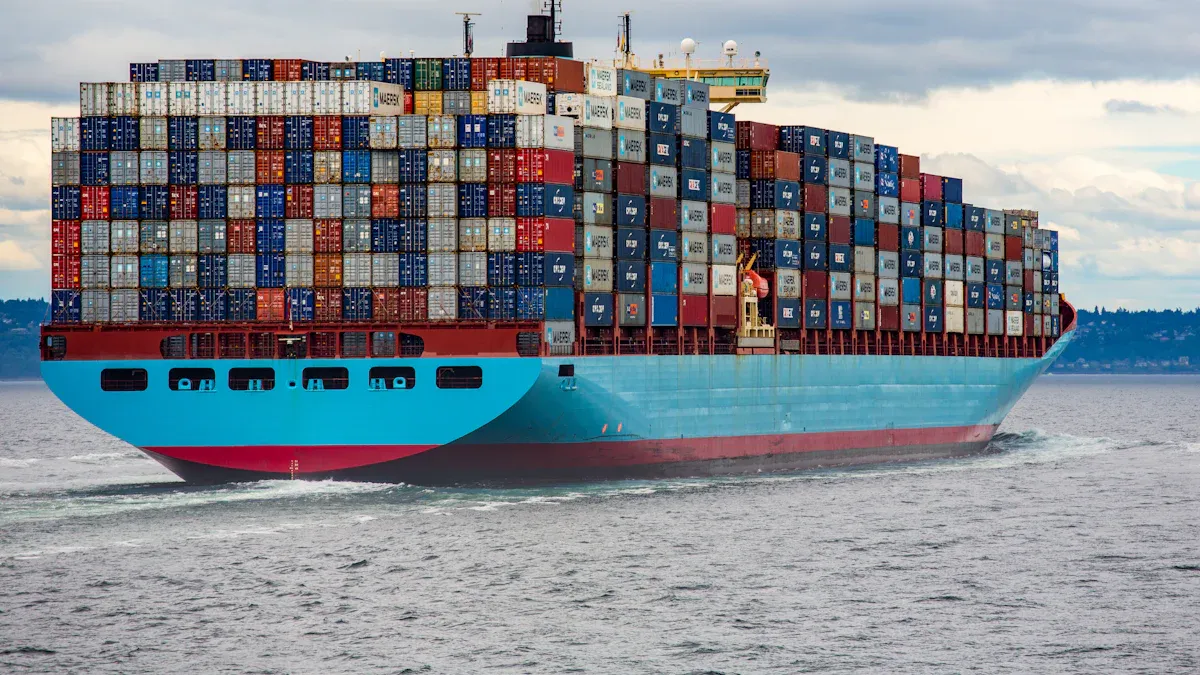
The main difference between a freight forwarder vs freight broker is easy to see. You pick a freight forwarder if you want help with your shipment from beginning to end. They also take care of paperwork and customs for shipping to other countries. You choose a freight broker if you need someone to find good carriers for you, mostly for shipping inside the country. Understanding the freight forwarder vs freight broker distinction helps you avoid mistakes and choose the best option for your cargo.
Tip: Knowing what each provider does helps you make better shipping choices.
Key Takeaways
Freight forwarders take care of your shipment from beginning to end. They handle all the paperwork and customs for you.
Freight brokers help you find carriers for shipping. They do not touch or move your cargo themselves.
Pick a freight forwarder if you ship overseas or have complex needs. They give you full service for your shipment.
Pick a freight broker for easy, local shipments. They help you find good carriers fast.
Always check if your provider has a license and insurance. This keeps your shipment safe.
Freight Forwarder vs Freight Broker Overview
Quick Comparison Table
It is important to know the difference between a freight forwarder and a freight broker before you pick one for your shipment. The table below shows how each one handles different parts of shipping:
Aspect | Freight Forwarder | Freight Broker |
|---|---|---|
Primary Role | Manages end-to-end shipments | Matches shippers with carriers |
Transport Modes | Ocean, air, rail, truck | Primarily trucking |
Possession of Cargo | Takes physical legal possession of the freight | Does not take physical possession of the cargo |
Cargo Control | Manages logistics and cargo | Acts as intermediary, no cargo control |
Documentation | Issues shipping documents, handles customs | Does not issue shipping documents |
Insurance Responsibilities | Primary on cargo liability insurance coverage | Carrier provides cargo insurance |
Licensing Requirements | Freight Forwarder Authority required | Broker Authority (MC Number) required |
Customs Clearance | Yes | No |
International Shipping | Yes | Rare |
Note: Licensing and insurance rules are not the same. You should check these things before you pick a provider.
Main Roles and Responsibilities
Freight forwarders and freight brokers have different jobs in shipping.
Freight forwarders help with every step of shipping. They can pack, store, deliver, and clear customs for your goods. They also fill out all the paperwork and follow the rules. This makes it easier to ship things to other countries.
Freight brokers help you find good carriers. They talk about prices and set up the transport. They do not touch your cargo. You use a broker when you need to ship things inside the country or want more carrier choices.
Pick a freight forwarder if you want someone to handle your shipment from start to finish. Pick a freight broker if you just need help finding a carrier for your goods.
Tip: Always choose the provider that fits your shipping needs best. This helps you avoid problems and keeps your shipment on track.
What Is a Freight Forwarder?
Definition and Services
A freight forwarder helps move goods from one place to another. You can use a freight forwarder if you want help with your shipment from start to finish. This provider sets up transport by ocean, air, rail, or truck. They help with packing, storing, and delivering your cargo. Freight forwarders also handle customs and fill out shipping papers. They often take charge of your goods and make sure rules are followed.
You get help from their knowledge of the shipping business. Freight forwarders know how to stop delays and fix problems fast. They work with carriers to get better prices. You can count on them to handle emergencies and keep your shipment safe.
Tip: Freight forwarders give you full service, so shipping is easier for you.
When to Use a Freight Forwarder
Pick a freight forwarder when your shipment needs special care or goes to another country. Many companies use freight forwarders in these cases:
You ship products for factories, medicine, or online stores.
You send goods to places you do not know and need help with local laws.
You have shipments that use more than one kind of transport.
You want to sell in new places and need help with local contacts.
You ship only at certain times and want service that can change.
Freight forwarders help you lower risks and save money. They know how to plan for problems and keep your shipment moving. When you look at freight forwarder vs freight broker, you see freight forwarders give you more control and help for hard or international shipments.
Note: Freight forwarders are best when you need expert help with customs, paperwork, and using different types of transport.
What Is a Freight Broker?
Definition and Services
A freight broker helps you move goods by finding the right carrier. You do not need to own trucks or know every carrier. Freight brokers use their contacts to match your shipment with a carrier. They mostly help with shipping inside the USA, Canada, and Mexico.
Freight brokers never touch your cargo. They are the middle person between you and the carrier. You send your order to the broker. The broker gathers all the details, like special needs and rules. They check that your shipment follows all the right standards.
Freight brokers save you time by finding good carriers and talking about prices.
Here is a table that shows what freight brokers do:
Service | Description |
|---|---|
Relationship Management | Brokers make strong ties with carriers for smooth shipping. |
Rate Negotiation | They try to get you the lowest price for your load. |
Compliance Assurance | Brokers make sure your shipment follows all the rules. |
Capacity Supply | They find a carrier with enough space for your goods. |
Freight Flow Optimization | Brokers help your shipment arrive on time and avoid delays. |
You can trust a freight broker to handle the details and keep things moving.
When to Use a Freight Broker
Use a freight broker when you need to ship goods in your country or close by. Many companies pick brokers for these reasons:
You want to ship products in the USA, Canada, or Mexico.
You need fast access to many carriers for quick shipments.
You want help getting the best trucking prices.
You have simple shipments from one place to another.
You need someone to handle tricky shipping routes and find space for your freight.
A freight broker is a smart choice if you want quick and flexible shipping in your country. When you look at freight forwarder vs freight broker, you see brokers are better for local and nearby shipments. Forwarders are better for harder or international moves.
Tip: Pick a freight broker if you want easy access to trusted carriers and quick price talks for shipping in your country.
Key Differences: Freight Forwarder vs Freight Broker
Responsibilities and Liability
It is important to know who is responsible for your cargo. This helps you pick the right shipping partner. Freight forwarders and freight brokers have different levels of responsibility.
Freight brokers are middlemen. They help you find a carrier but do not handle your goods. Their responsibility is small. If your cargo is lost or damaged, brokers are not at fault unless they did something wrong.
Freight forwarders are in charge of your shipment. When they get your cargo, they must keep it safe. If your goods are lost, damaged, or late, the forwarder must fix the problem.
Here is a table that shows how liability is different:
Role | Freight Brokers | Freight Forwarders |
|---|---|---|
Legal Responsibility | Work as go-betweens with limited responsibility. | Take full responsibility for cargo during shipping. |
Liability | Not at fault for cargo unless they make a mistake. | Responsible for theft, damage, or late shipments. |
Compliance | Must check carriers follow federal rules. | Must follow international shipping rules. |
If you want someone to be responsible for your shipment, pick a freight forwarder. If you just need help finding a carrier, a broker is enough.
Tip: Always ask about who is responsible before you ship.
Services and Cargo Control
You should see how each provider handles your goods. This helps you choose the best one for your needs.
Freight forwarders take your goods and manage storage and packing. You can trust them to handle your shipment from start to finish. They also set up shipping by ocean, air, rail, or truck.
Freight brokers do not touch your goods. They only help you find a carrier. They do not store or pack your cargo. Their main job is to connect you with someone who can move your goods.
Here is a table that shows the differences in cargo control:
Aspect | Freight Forwarders | Freight Brokers |
|---|---|---|
Cargo Handling | Takes your goods, manages storage and packing | |
Documentation | Handles customs, bills of lading, and rules | Connects shippers with carriers |
Liability | Responsible for cargo during shipping | Not responsible for cargo |
If you want someone to manage every part of your shipment, pick a freight forwarder. If you only need help finding a carrier, a broker is fine.
Note: The biggest difference is who manages your cargo.
Documentation and Compliance
There are many rules when you ship goods, especially to other countries. Each provider handles paperwork and rules in a different way.
Freight forwarders do all the paperwork for your shipment. They fill out bills of lading, customs forms, and other papers. They make sure your cargo follows all the rules. This helps you avoid problems and delays.
Freight brokers do not make shipping documents. They check that the carrier follows the rules, but they do not handle customs or paperwork for you.
If you ship to other countries, you need a freight forwarder. They help with paperwork and keep your shipment legal. If you ship inside your country, a broker can help you find a carrier, but you must do most paperwork yourself.
Callout: Always check who does the paperwork before you pick a provider.
When you compare freight forwarder vs freight broker, you see forwarders give more help with rules and paperwork. This is important for hard or international shipments.
How to Choose the Right Option

Step-by-Step Guide
Picking between a freight forwarder and a freight broker can be tricky. You want your shipment to arrive safe and on time. Follow these steps to help you choose the best provider for your needs.
Identify Your Shipping Route
Think about where your shipment is going. Is it leaving the country or staying here? If it goes overseas, you need a freight forwarder. If it stays in your country, a freight broker is usually better.
Check Your Cargo Requirements
Does your cargo need special care or packing? If you need help with packing, storing, or using different transport types, pick a freight forwarder.
Review Documentation Needs
Will you need customs help or special papers? Freight forwarders handle customs and paperwork for you. Freight brokers do not do this.
Decide on Level of Control
Do you want someone to manage your shipment from start to finish? Freight forwarders take charge and handle your cargo. Freight brokers only help you find carriers and do not touch your goods.
Compare Costs and Services
Get price quotes from both providers. See what each service includes. Freight forwarders may offer more services together. Freight brokers focus on finding good carrier prices.
Check Licensing and Insurance
Make sure your provider has the right license. Freight forwarders need forwarder authority. Freight brokers need broker authority. Ask about insurance for your cargo.
Ask for References
Ask other shippers for feedback. Good providers have strong reviews and deliver shipments safely.
Tip: Write down what you need before you talk to any provider. This helps you explain your needs and get the right service.
Common Mistakes to Avoid
Many people make mistakes when picking between a freight forwarder and a freight broker. You can avoid problems by watching out for these errors.
Confusing Roles
Some think freight brokers and freight forwarders do the same job. They do not. Freight forwarders handle shipments and paperwork. Freight brokers only connect you with carriers.
Ignoring Documentation
If you need customs or international papers, do not pick a broker. Only a freight forwarder can help with these things.
Overlooking Licensing
Always check if your provider has the right license. If they do not, your shipment could be at risk.
Not Asking About Insurance
Some forget to ask about cargo insurance. Make sure you know who covers your goods while they travel.
Choosing Based Only on Price
The cheapest choice is not always the best. Look at service, reliability, and experience too.
Assuming One Provider Fits All Needs
Your shipping needs can change. Sometimes you need a freight forwarder. Other times, a broker is better. Check your needs for each shipment.
Note: The freight forwarder vs freight broker choice depends on your shipment, route, and service needs. Take time to compare and ask questions.
Mistake | How to Avoid It |
|---|---|
Confusing provider roles | Learn what each provider does |
Skipping paperwork | Ask who handles documentation |
Ignoring licenses | Check for proper authority |
Forgetting insurance | Confirm cargo coverage |
Picking by price only | Compare service and reliability |
Using one provider only | Match provider to each shipment |
Callout: Careful planning helps you avoid delays, extra costs, and legal trouble.
You have learned how freight forwarders and freight brokers are different. Freight forwarders help with your shipment from beginning to end. They also take care of all the paperwork. Freight brokers help you find carriers for shipping inside your country. Use the guide to pick the right provider for your needs.
Pick a freight forwarder if your shipment is going to another country or is complicated.
Pick a freight broker if your shipment is simple and stays in your country.
Tip: Always look at licenses, insurance, and what services are offered before you choose your logistics partner.
FAQ
What is the main difference between a freight forwarder and a freight broker?
A freight forwarder helps with your shipment from beginning to end. They also do all the paperwork for you. A freight broker finds carriers for your shipment. They do not take charge of your cargo.
Can a freight broker help with international shipping?
You should pick a freight forwarder for shipping to other countries. Freight brokers mostly help with shipping inside your country. They do not handle customs or papers for other countries.
Who is responsible for cargo insurance during shipping?
Freight forwarders usually give you cargo insurance. They are in charge of your goods. Freight brokers use the carrier’s insurance to cover your shipment.
How do I know if my provider is properly licensed?
Ask your provider for their authority number. Freight forwarders must have forwarder authority. Freight brokers must have broker authority. You can check these numbers with the government.
See Also
Deciding on LTL, FTL, or Drayage with PGL
Simplifying Cross-Border Freight on the West Coast with PGL
Reasons to Select Premier Global Logistics for Exports
