How to Identify and Use Key Services in Freight Management
You want to make informed decisions in freight management. Our freight management services guide highlights key services that can help you save money and ensure faster deliveries. These services are essential for making customers happy. Many business owners face challenges such as higher freight costs and late deliveries. Additionally, it can be difficult to find good carrier partners. To overcome these issues, you need to leverage new technology and enhance your shipping processes. This guide provides you with straightforward steps for improving your logistics operations.
Key Takeaways
Learn about freight management to make shipping better and cheaper.
Pick the best service type for your needs. Use FTL for big shipments. Use LTL for small shipments. This helps you save money and time.
Use technology like transportation management systems. These help you track shipments in real time and make good choices.
Check your freight steps and data often. This helps you find ways to get better and make customers happy.
Freight Management Services Guide
What Is Freight Management?
You need to know what freight management is first. Freight management is a system that helps you plan and watch how goods move. It makes sure products get to the right place safely and on time. This helps you save money and deliver better. Many people in logistics use a freight management services guide to keep things running well.
Main Service Types Overview
There are different types of freight management services. Each one helps with different shipping needs.
Less-than-Truckload (LTL): You put small shipments from many customers on one truck.
Full Truckload (FTL): You use a whole truck for your big shipment.
Air Freight: You send goods by air when you need them fast.
Ocean Freight: You use ships for big or heavy items.
Rail Freight: You move lots of goods by train.
Specialized Freight: You use special tools for dangerous, cold, or big items.
Intermodal Freight: You use more than one way to move goods.
You can also use warehousing, transloading, and consolidation to help your shipping. A freight management services guide helps you pick what works best for your business.
Why Key Services Matter
Key services in freight management help you do better than others. Route optimization helps you find the fastest and cheapest way to ship. Rate negotiation helps you get good prices from carriers. Data collection and business intelligence help you learn and improve your shipping. Claims management helps if your goods get lost or broken. Managing tariffs and international shipping helps you follow the rules. Vendor and carrier management helps you keep good partners.
Tip: Companies that use good freight management often do better and stand out.
Key Findings | Description |
|---|---|
Competitive Advantage | Good supply chain management helps you beat other companies. |
Organizational Performance | Strong freight management makes your business do better. |
A good freight management services guide helps you find and use these key services. This can make your shipping and logistics work better.
Transportation and Logistics Services
FTL, LTL, and Trucking
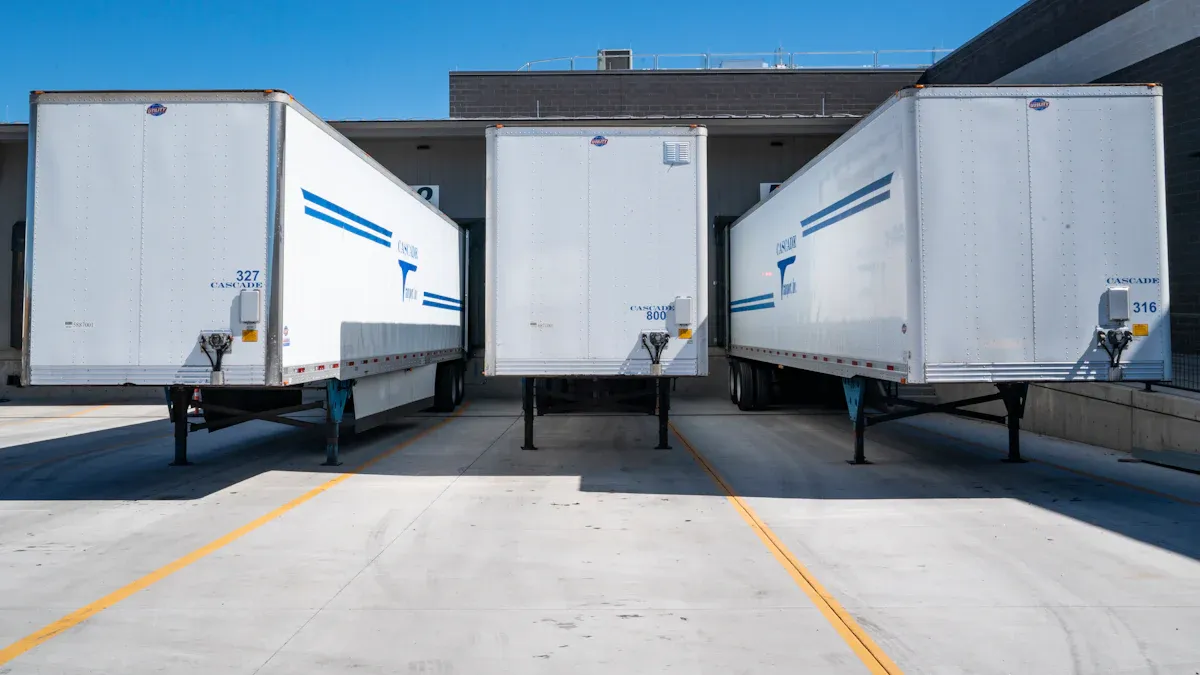
You must pick the best trucking service for your shipment. Full Truckload is good when you have a big load that fills a truck. Less-than-Truckload works better for smaller shipments. Full Truckload gives you a direct route and quick delivery. Less-than-Truckload puts many shipments together, which saves money but can take longer.
Tip: Pick Full Truckload if your shipment is over 15,000 pounds. Use Less-than-Truckload for smaller loads to save money.
Here is a simple comparison:
Service Type | Cost Structure | Efficiency | Delivery Time |
|---|---|---|---|
FTL | Flat rate per mile | High, direct route | Fastest |
LTL | Pay for space used | Less predictable |
Full Truckload is best for big or urgent shipments. Less-than-Truckload helps you save money when you do not need a whole truck.
Ocean Freight: FCL and LCL
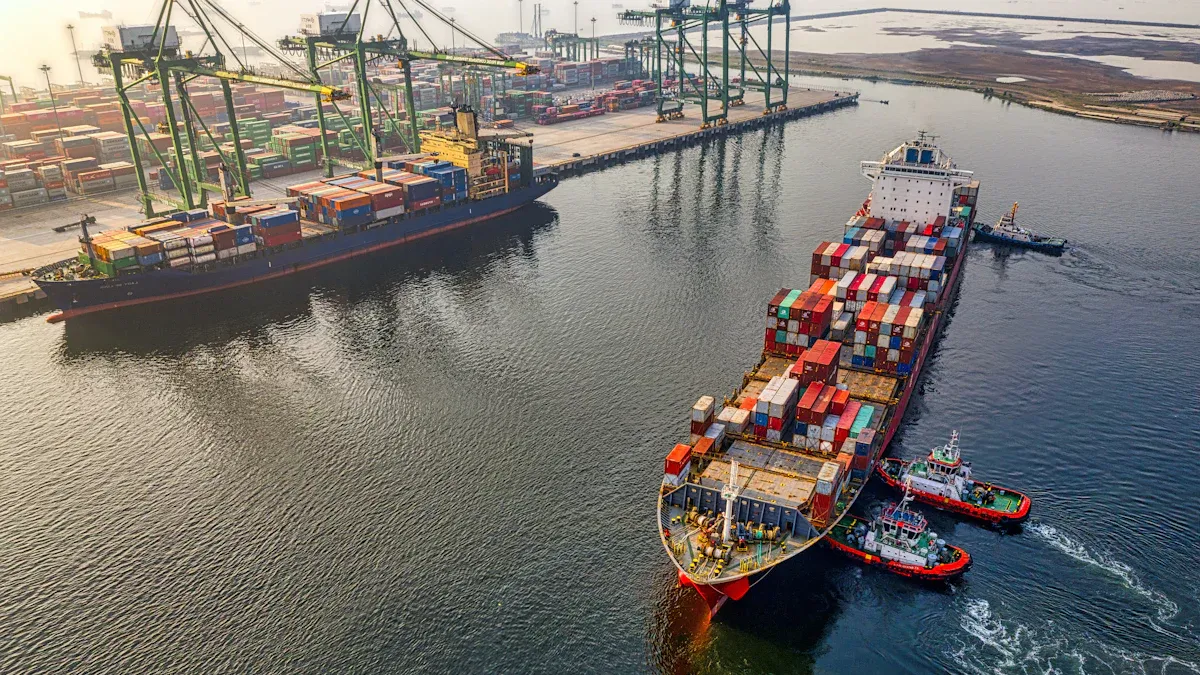
Ocean freight is important for moving goods worldwide. You can choose Full Container Load or Less than Container Load. Full Container Load means your goods fill the whole container. Less than Container Load mixes your goods with others. Full Container Load is usually 1–2 weeks faster than Less than Container Load. Less than Container Load can take longer because of extra steps.
Aspect | FCL | LCL |
|---|---|---|
Transit Time | Faster | Slower, extra steps |
Cost | Fixed per container | Higher per unit (CBM) |
Pick Full Container Load for speed and big shipments. Use Less than Container Load for small loads and if you can wait.
Air Freight and Intermodal
Air freight moves goods fast over long distances. You should use air freight for important or expensive shipments. Intermodal uses trucks, trains, and ships together. This way gives you more choices and can save money. Air freight is quick and dependable. Intermodal helps you use different routes and shipment sizes.
Warehousing and Transloading
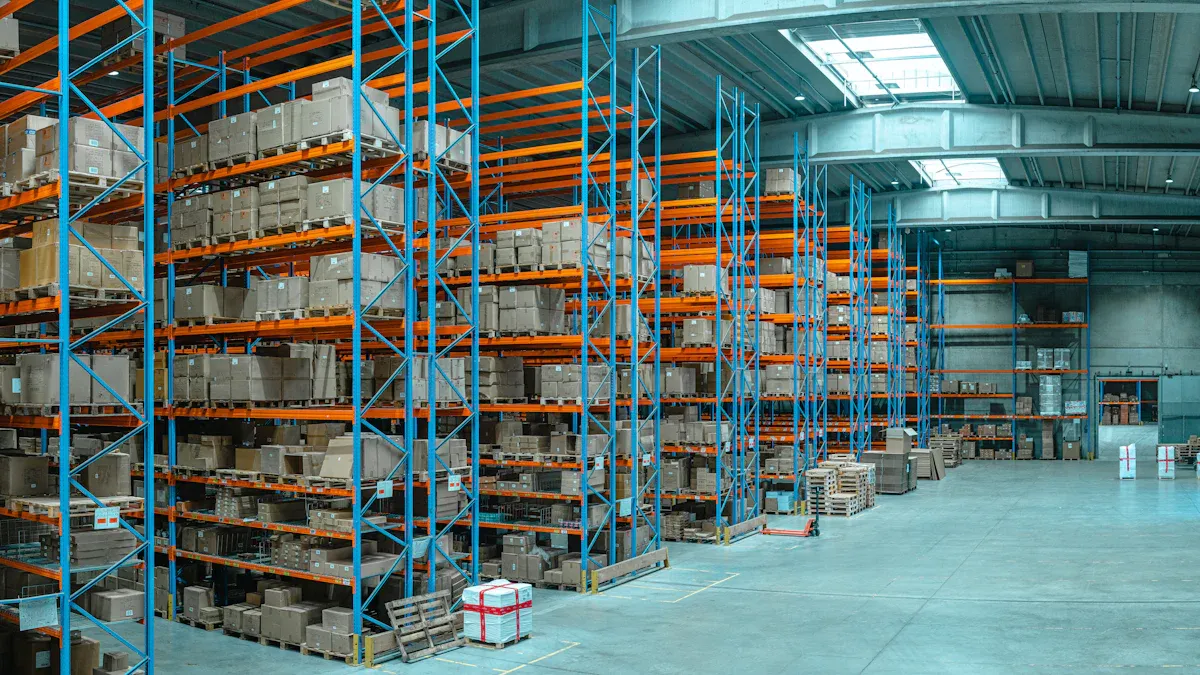
Warehousing keeps your goods safe until you need them. Transloading moves goods between different types of transport. This helps you work faster and spend less. You can use transloading if there are delays or not enough equipment. Using both warehousing and transloading helps you control your inventory and need less storage.
Note: Transloading gives you more ways to deliver and helps you fix shipping problems.
Freight management uses these services to make shipping better and improve your supply chain.
Freight Management Workflow
A strong freight management workflow helps you move goods easily. You need to follow each step to stop mistakes and delays. This guide will help you understand and use every part of the process.
Step Number | Step Name | Description |
|---|---|---|
1 | Order Processing | Check order details, look at inventory, and get items ready to ship. |
2 | Packaging | Pack items carefully so they arrive safely. |
3 | Labeling | Put address, tracking number, and special notes on labels. |
4 | Carrier Selection | Pick carriers by looking at price, speed, and trust. |
5 | Shipment Tracking | Give tracking info to customers and watch shipment progress. |
6 | Delivery | Make sure delivery is on time and correct for happy customers. |
Order Processing and Documentation
Order processing is the first step in the freight management workflow. You check all order details and make sure inventory is ready. You get goods ready by checking, packing, and labeling them. You also handle important documents at this time.
Bill of Lading: This is a contract and receipt for your goods.
Packing List: This tells what is inside each package, with weights and sizes.
Commercial Invoice: This shows product details, values, and taxes.
Delivery Order: This lets the receiver get the cargo.
Freight Invoice: This lists all transport charges.
Tip: Always check your documents twice. Missing or wrong papers can slow things down at customs.
Order processing steps:
Check and pack goods.
Tell about dangerous or cold items.
Get a Delivery Order for picking up containers.
Load and seal containers.
Move containers to the port.
Clear customs at the start.
Give cargo to the carrier and get the Bill of Lading.
Put containers on the ship.
Watch shipment leave and travel.
Unload at the new port.
Clear customs when importing.
Pay import taxes.
Get the Delivery Order from the carrier.
Pick up goods at the last stop.
Carrier Selection and Route Planning
You need to pick the right carrier and plan the best route. This choice changes cost, speed, and trust. You should think about many things before you choose.
Best practices for carrier selection:
Know what you need, like delivery time or special services.
Check if the carrier is trusted and reliable.
Make sure carriers follow safety rules.
Look at how fast they deliver and where they go.
Pick carriers with good tracking systems.
Compare costs, but look for value, not just price.
Choose carriers with good customer service.
Think about carriers that care for the environment.
Note: Good route planning helps you avoid delays and save money. Use technology to compare routes and pick the best one.
Shipment Execution and Tracking
Now you start shipment execution. This means you follow your plan. You give goods to the carrier, watch the process, and keep everyone updated.
To make shipment execution better:
Use technology to connect all parts of your shipping.
Automate jobs to stop mistakes.
Give real-time tracking updates to customers.
Use data to find problems and make things better.
Work with all partners on one platform for better talking.
Tip: Real-time tracking helps build trust and lets you fix problems early.
Delivery and Performance Review
The last step is delivery and checking how things went. You make sure goods get to the customer on time and in good shape. After delivery, you see how well everything worked.
Key metrics for performance review:
Metric | Description |
|---|---|
How many deliveries were made on time. | |
Delivery Lead Time | Time from order to delivery. |
Order Accuracy | How many orders were delivered correctly. |
Cost per Delivery | Delivery costs to help you watch your budget. |
Customer Feedback and Satisfaction Scores | What customers think so you can get better. |
You should ask for feedback and check these numbers often. This helps you find ways to work better and keep customers happy.
Tip: Checking your work often helps you see problems and fix them before they get big.
If you follow each step in the freight management workflow, you can work faster, spend less, and give better service.
Technology and Freight Management System
TMS and Real-Time Tracking
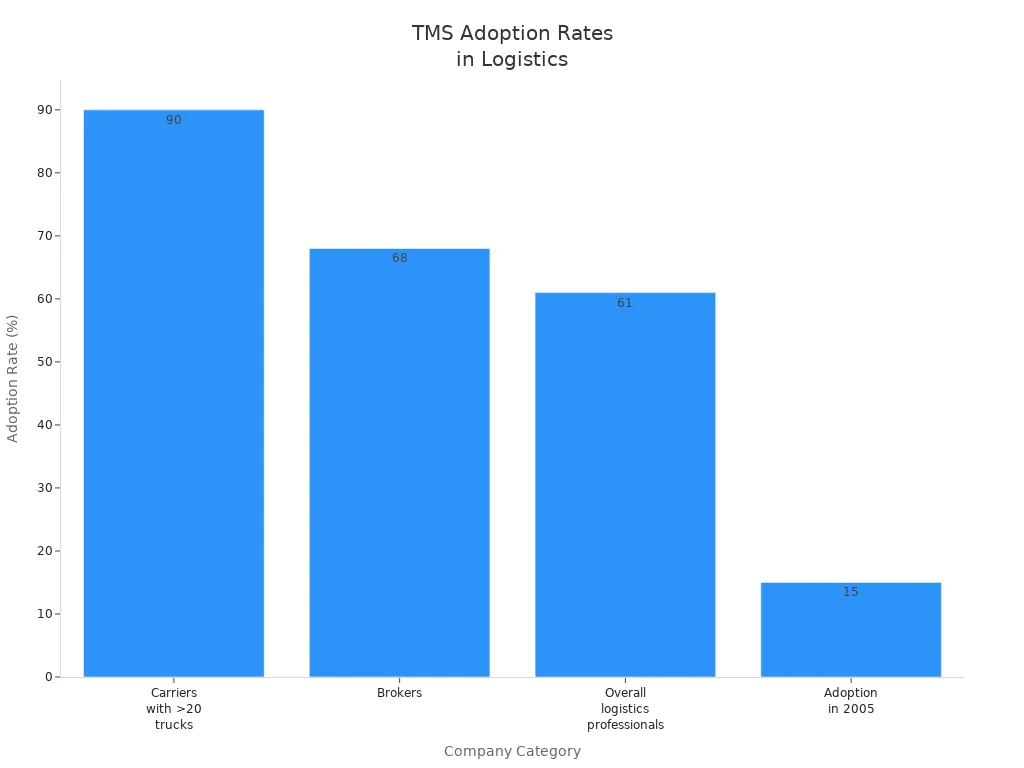
You can use a transportation management system to help with freight management. This system lets you plan, book, and track shipments from start to finish. Most big carriers and brokers use this technology now. More companies are using it every year.
Category | Adoption Rate |
|---|---|
Carriers with >20 trucks | |
Brokers | 68% |
Overall logistics professionals | 61% |
Adoption in 2005 | 15% |
Real-time tracking gives you updates right away about your shipments. You get alerts if something is late. This helps you change plans fast if needed. Customers know where their shipment is at all times. This makes them trust you more. Tracking also helps you save money by cutting down on wasted time and making things work better.
Tip: Use tracking tools so you always know where your cargo is.
Data Analysis and Reporting
A freight management system collects data from each shipment. You can use this data to make your work better. Different types of analytics help you see what happened and guess what might happen next.
Type of Analytics | Purpose | Example |
|---|---|---|
Descriptive Analytics | Shows what happened before | Look at delivery times to find patterns. |
Diagnostic Analytics | Tells why something happened | Find out why there were delays on a route. |
Predictive Analytics | Tells what could happen soon | Guess how busy it will be during certain times. |
Prescriptive Analytics | Suggests what you should do | Choose the best shipping route for today. |
You can use these reports to make smarter choices and save money.
Exception Handling and Visibility
Exception handling tools help you find problems early. You can set up alerts for delays or customs holds. The system tells you who should fix the problem and when. This keeps your shipments moving and helps you spend less.
Spot and fix problems quickly.
Cut down on delays and control costs.
Make choices faster in tricky supply chains.
Help shippers, brokers, and carriers talk better.
Good freight management software lets you see all your shipments. You can react fast if something goes wrong. This helps you run your shipping better and give good service to customers.
Note: Pick a freight management system with strong tracking, clear reports, and easy ways to handle problems.
Cost and Partner Optimization
Cost Structure and Control
You need to know what makes up your freight costs. Every step in shipping adds to your total costs. The table below shows the main cost parts:
Cost Component | Description |
|---|---|
Transportation Costs | Charges for moving goods from one place to another. |
Handling Fees | Costs for loading and unloading cargo. |
Fuel | Money spent on fuel during transport. |
Cargo Specifications | Costs based on the type of cargo shipped. |
Customs Duties | Taxes paid when goods cross borders. |
Surcharges | Extra fees for special conditions or needs. |
To control costs, check your costs often. Set clear freight rates with your logistics provider. Pick the best transportation service for each route. Build strong relationships to get better rates. You can save money by combining shipments and planning ahead. Many businesses face problems like high fuel costs and bad logistics planning. Rules can also make things harder. You can fix these by updating your systems and working closely with your logistics provider.
Risk Management Strategies
You must protect your supply chain from risks. Technology helps you do this. The Internet of Things lets you watch goods in real time. Artificial intelligence predicts risks and helps you make better choices. Blockchain keeps your transactions safe and tracks shipments. Cloud computing gives you flexible data and quick decisions.
You should also try these strategies:
Ask your logistics provider for solutions made just for you.
Request clear pricing so you do not get surprised.
Pick a provider with 24/7 support for fast help.
You can lower costs and avoid delays by using these tools and strategies. Good risk management keeps your international shipping safe and reliable.
Choosing the Right Freight Partner
You need the right logistics provider for good supply chain management. Follow these steps to pick the best partner:
Check the provider’s experience and skills.
Look at their history of success.
Make sure they can grow and change with your needs.
Look for new technology and ideas.
Confirm they have a strong network and good equipment.
Test how reliable they are and if they deliver on time.
Ask about their care for the environment.
Check their customer service and how they talk to you.
Ask for references and check their reputation.
You should build a relationship with your provider based on respect and honesty. Negotiate contracts with discounts, fuel changes, and performance rules. This helps you get better rates and long-term value. When you control costs and pick the right partner, you get faster deliveries, more profit, and help your sustainability goals in logistics.
Tip: Check your logistics provider’s work often to keep your supply chain strong and efficient.
You can make your freight management better by taking simple steps. Pick carriers you can trust. Use tracking tools to watch your shipments. Keep your documents neat and correct. Choose the best service for each shipment to save money. This also helps things move faster. Look at your shipping data to see how you can do better. You might want to ask experts like SC Solutions or TCB Group for help. They can give you advice that fits your needs. Try these ideas to make your supply chain work smoother and get better results.
Key Aspect | Benefit |
|---|---|
Carrier Selection | Efficient operations |
Technology | Enhanced visibility |
Data Analytics | Smarter decisions |
Tip: Check your freight plan often. This helps you find new ways to improve.
FAQ
What is the difference between FTL and LTL shipping?
FTL means you use a whole truck for your goods. LTL lets you share space with other shipments. FTL works best for large loads. LTL saves money for smaller shipments.
How can I track my freight shipments?
You can use a transportation management system (TMS) or online tracking tools. These systems show real-time updates. You see where your shipment is and get alerts for delays.
What documents do I need for international freight?
You need a Bill of Lading, Packing List, Commercial Invoice, and Delivery Order. These papers help customs clear your goods. Always check your documents before shipping.
How do I choose the right freight partner?
Look for experience, reliable service, and strong technology. Ask for references. Compare costs and check their network. Good partners help you ship faster and safer.
Can technology help reduce freight costs?
Yes! Technology helps you plan routes, track shipments, and manage data. You find cheaper options and avoid delays. Use analytics to spot savings and improve your supply chain.
See Also
Key Strategies for Effective Management of Global Logistics
Enhancing International Operations Through Innovative Logistics Solutions
PGL's Knowledge in LTL and FTL Freight Shipping Services
Boosting Global Efficiency with Point-to-Point Logistics Systems
