Freight Manager Responsibilities in Ocean Shipping: Complete Guide
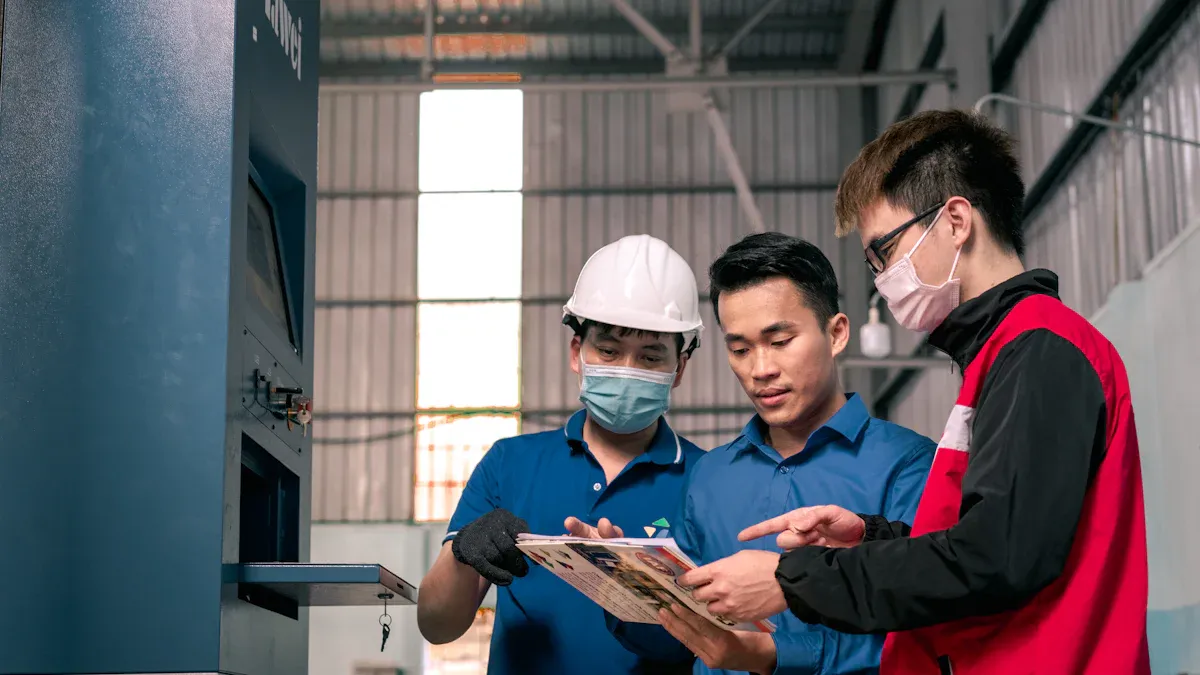
Freight manager responsibilities in ocean shipping cover a wide range of essential tasks that ensure the smooth flow of global trade. As a freight manager, your responsibilities in ocean shipping include making sure goods are transported safely and delivered on schedule across international waters. With over 80% of world trade relying on ocean shipping, your decisions directly impact business efficiency and supply chain success. By handling freight manager responsibilities in ocean shipping, you help companies reduce costs, maintain compliance with international regulations, and leverage technology for streamlined operations. Understanding these freight manager responsibilities in ocean shipping not only supports your professional growth but also enhances your company’s overall performance.
Key Takeaways
Freight managers make sure goods move safely and quickly. This helps global trade work well.
It is important to have good relationships with carriers and stakeholders. This makes shipping go smoothly.
Good cost control and negotiation can lower shipping costs by 10% to 25%.
Following international rules and keeping documents correct stops delays and fines.
Using technology for tracking and data helps freight managers. It also helps them make better choices.
What Is a Freight Manager in Ocean Shipping?
Freight Manager Responsibilities Ocean Shipping
You are important in ocean freight. As a freight manager, you plan and organize how goods move. You make sure shipments travel safely and quickly. You pick carriers, set up routes, and check shipments. You also handle paperwork. These freight manager responsibilities ocean shipping help products arrive on time and in good shape.
Making sure goods move well and cost less
Getting products delivered fast and in good shape
Working with suppliers, carriers, and your team to fix problems
You also handle freight manager responsibilities ocean shipping by following rules and using technology to track shipments. You need to know how to talk about prices and control spending. You work with many people to keep the supply chain working.
Tip: Learning freight manager responsibilities ocean shipping can help you get better at your job and make your company’s logistics stronger.
Key Stakeholders in Ocean Freight
You work with many important people in ocean freight. Each person has a special job in shipping. The table below shows the main stakeholders and what they do:
Stakeholder Type | Role Description |
|---|---|
Carriers | Own ships and give logistics services with containers or bulk ships. |
Shippers | Move products for makers, suppliers, and exporters by using carrier services. |
You need to keep good relationships with steamship lines and carriers. You also work with customs agents and insurance providers. Your freight manager responsibilities ocean shipping include making deals and following rules.
Here is how your job in ocean freight is different from other transport jobs:
Aspect | Ocean Freight | Carrier Management |
|---|---|---|
Scope of Operations | Focuses on moving goods by sea | Handles relationships for all transport types |
Primary Objective | Moves lots of goods for less money | Makes carriers work better and saves money |
Regulatory Compliance | Follows sea rules and trade agreements | Follows rules for all kinds of transport |
Technology Integration | Uses special tools to track ships | Uses software to manage carriers |
Cost Structure | Has shipping fees, port charges, and insurance | Costs come from deals and technology |
You can see that freight manager responsibilities ocean shipping need special skills and knowledge. You must know the challenges of ocean freight and how to use technology for logistics. By learning these skills, you help your company do well in global shipping.
Core Responsibilities in Freight Management
Freight managers have a big job in ocean freight. They do many things to keep everything working well. They work with carriers, watch over containers, control costs, and try to stop problems before they happen. Each job needs careful attention and good planning. Let’s look at these main jobs and see how you can use them every day.
Carrier and Shipping Line Coordination
You need to work with carriers and shipping lines to keep goods moving. This part of the job has many steps:
Watch shipments in real-time to see where they are.
Talk with carriers and drivers to fix problems fast.
Work out prices to save money for your company.
Tell customers how their deliveries are going.
Fill out shipping papers for each shipment.
Fix delays or problems that happen on the way.
Keep good records in the transportation system.
Work with warehouses for pickups and deliveries.
Make sure you follow all transport rules.
Look at shipping data to find ways to save money.
Build good relationships with transport companies.
You plan how cargo moves by picking the best way and booking space. You take care of export and import steps at both ends. You can put small shipments together or split big ones if needed. You give updates right away and handle the first and last parts of the trip. You always look for the best prices and arrange insurance for claims.
Tip: Try using route planning tools to pick the best shipping paths. This can help you save time and money.
Container and Cargo Management
You need to take care of containers and cargo. This part of the job is about planning loads and picking the right container. Here are some good tips:
Use smart loading to fill containers well.
Pick the right container size, like 20-foot, 40-foot, or cold containers.
Always follow the rules and fill out the right papers.
Try to use green practices when handling containers.
You should know the basics of handling cargo. Use container stations to make work easier. Use new technology to track and report shipments. Always follow safety and environmental rules. Good planning helps you save money and work better. Using resources well helps you plan loads and cut down on waste.
Note: When you plan loads well, you can fit more goods in containers and pay less for shipping.
Cost Control and Freight Rate Negotiation
You need to watch costs to keep the business making money. Freight managers must work out prices and watch spending. Here are some ways to do this:
Check bills closely to find mistakes or extra charges.
Use route planning and software to pick the best delivery paths.
Use transport systems to track shipments and study data.
Hire outside experts for transport if you need help.
Good price talks can cut shipping costs by 10% to 25%. You should compare long deals with short-term prices and change as the market changes. Planning your budget and checking reports helps you watch spending. Use route planning to cut travel time and fuel use. Always look for ways to make freight management better and help the supply chain.
Callout: Checking your bills and using smart route planning can help you find hidden savings in your shipping work.
Risk Management in Ocean Freight
You need to manage risks to keep your company safe. Ocean freight has many risks, like storms, hackers, and pirates. Here are some things you can do:
Make sure your insurance says how much you can get back.
Pick insurance helpers who know international shipping.
Work with logistics teams that have risk experts.
Use more than one supplier so you don’t depend on just one.
Make backup plans for quick changes if problems happen.
Work with nearby suppliers to lower transport risks.
Make your routes and supply choices flexible.
Set up strong contracts and insurance deals.
Use data to guess and stop future risks.
You need to be ready for business stops, new rules, or world events. Planning for different situations helps you act fast when things go wrong. Use technology to watch for risks and make reports. By focusing on risk, you keep shipping steady and safe.
Workflow Example | Description | Optimization Benefit |
|---|---|---|
Automated Document Routing | Sends papers from carriers to accounting automatically | Faster approvals and fewer mistakes |
Automated Data Extraction | Pulls key info from shipping papers | Less manual work and better speed |
Triggering Workflows | Uses info to start things like bill approvals | Makes work faster and more responsive |
Streamlining Carrier Contracts | Handles contracts and rate sheets automatically | Speeds up approvals and keeps things right |
Accelerating Freight Claims | Collects papers for claims quickly | Fixes problems faster and helps cash flow |
Managing Delivery Discrepancy Reports | Sends reports for quick review | Makes sure problems are fixed fast |
You can use these steps to make daily work easier and better. Automation helps you work smarter and lets you focus on big decisions.
Tip: Check your risk plan often. Change it when new risks show up in ocean shipping.
When you learn these main jobs, you can lead freight management in ocean shipping. You will make shipping better, save money, and keep your supply chain strong.
Documentation and Compliance in Ocean Freight
When you manage ocean freight, you need to focus on paperwork and following rules. These two things help you move containers across borders without trouble. You must know which documents to get ready and how to follow all the rules. This part will show you how to do these jobs step by step.
Key Shipping Documents
You have to collect and check many papers for every ocean freight shipment. Each paper has its own job. If you miss a paper or make a mistake, your containers can get stuck or cost more money. Here are the main papers you need:
Bill of Lading (B/L): This is a receipt, contract, and proof you own the freight. You use it to show you own the containers and to move them.
Packing List: This tells what is inside each container. It helps with loading and customs checks.
Commercial Invoice: You use this to show how much the goods are worth and give details for customs. Customs uses it to set taxes and duties.
Certificate of Origin: This proves where your goods were made. It helps you get trade deals and pay less in tariffs.
Insurance Certificate: This shows your cargo has insurance. It protects you if something bad happens during shipping.
Customs Documentation: You need forms like Importer Security Filing (ISF) and Electronic Export Information (EEI) to follow the rules.
Freight Forwarder Documentation: You get booking papers and cargo receipts to keep track of your containers.
Tip: Always check your paperwork before you ship. Even small mistakes can cause delays, fines, or lost trade deals.
Compliance with International Regulations
You have to follow many rules when you ship containers by sea. These rules keep your business safe and your freight moving. You need to know about safety, security, and rules that protect the environment. You also have to handle tariffs and rules for each country.
Regulation Type | Description | Consequences of Non-Compliance |
|---|---|---|
Keep ships and containers safe while moving. | Fines, penalties, and losing business. | |
Security Regulations | Stop pirates and keep ships safe; follow ISPS rules. | Fines, penalties, and losing business. |
Environmental Regulations | Protect the ocean from trash and dangerous stuff. | Fines, penalties, and losing business. |
You also have to deal with tariffs and rules for customs, product safety, and trade deals. These rules are different in each place and for each product. You need to check for new rules often. If you do not follow the rules, your shipments can be late, you can get checked, or you can get in trouble with the law.
To follow the rules, you should:
Keep good records for every shipment.
Teach your team about paperwork and rules.
Check your process to find and fix mistakes.
Work with partners who know ocean freight rules.
Watch for changes in tariffs and rules.
Note: Following the rules keeps your containers moving and saves your company from big mistakes.
When you get good at paperwork and following rules, your ocean freight shipments arrive on time and do not get stuck at the border. You build trust with customers and partners by showing you are in control of these important jobs.
Technology and Tracking in Freight Management
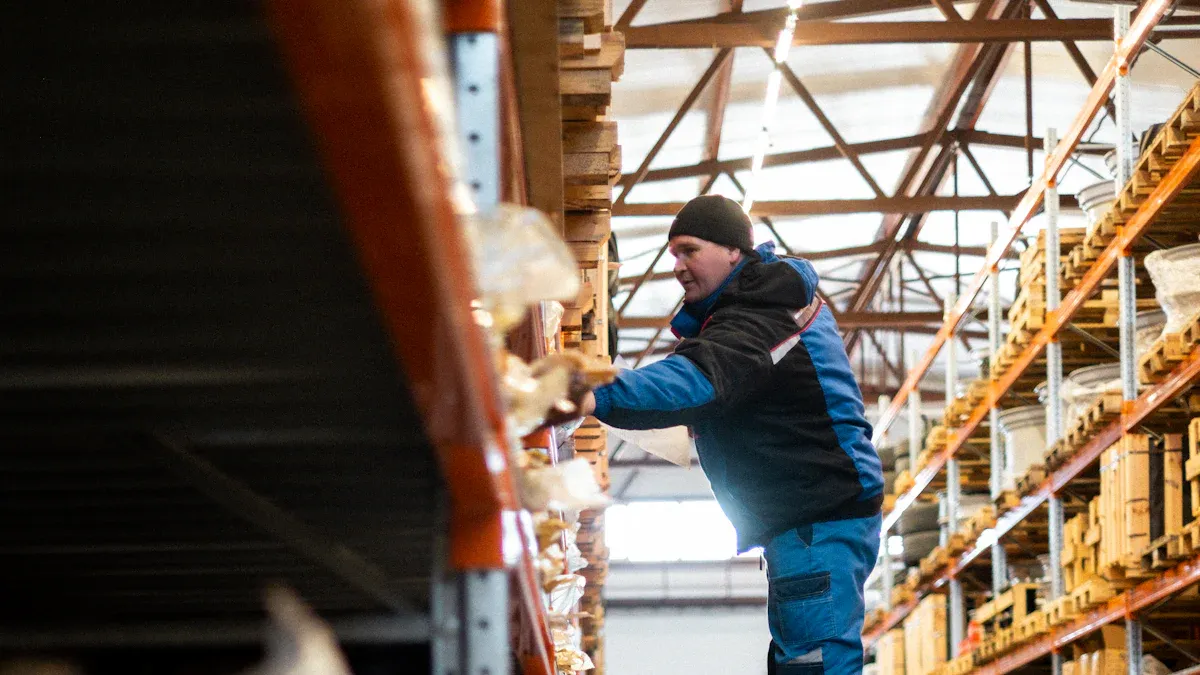
Today, freight management uses technology to make ocean shipping easier. Digital tools help you track and monitor shipments. They also help you manage paperwork and plan logistics. These systems let you handle containers better. They cut down mistakes and help you make good choices every day.
Ocean Freight Tracking Systems
You need tracking systems to follow containers around the world. Real-time tracking gives updates about your freight. You can act quickly if something changes. Many companies use smart containers and digital platforms. These tools watch shipments from port to port. Tracking and monitoring shipments help you always know where your freight is.
Here is a table showing how tracking systems help you:
Feature | Benefit |
|---|---|
Real-time updates | Minimize disruptions and delays by allowing proactive measures. |
Geofencing | Automatic tracking of vessels entering or leaving mapped areas. |
Actionable insights | Helps in identifying bottlenecks and optimizing routes. |
Exception management | Provides alerts for issues like ETA delays and late departures. |
Predicted ETA Insights | Offers accurate ETAs to coordinate timely deliveries. |
API Integration | Enhances operational efficiency by integrating tracking data into systems. |
These features help you manage freight better. Real-time tracking and monitoring shipments help you avoid delays. You can fix problems fast. Smart containers send data about location and condition. This helps you optimize your shipping.
Data Analysis and KPI Reporting
You use data analysis to make freight management smarter. Transportation management systems and electronic data interchange automate paperwork and tracking. These tools cut down manual work and make data more accurate. You can track shipments, manage documents, and tell your team about changes.
Here is how TMS and EDI improve your work:
Benefit | Impact on Operational Efficiency |
|---|---|
Automation of Document Exchange | Reduces manual intervention, streamlining operations. |
Improvement in Data Accuracy | Ensures correct and up-to-date information is communicated. |
Cost Savings | Reduces labor costs by minimizing manual processes. |
You also track key performance indicators to see how well freight management works. KPIs help you find ways to optimize and make better choices. Common KPIs include:
Inventory velocity: How fast inventory moves through your supply chain.
Inventory turnover: How often you buy new inventory in a set time.
Customer backorder rate: How many orders you cannot fill right away.
A table below shows more KPIs you should track:
KPI Category | Description |
|---|---|
Procurement | Tracks processes and costs like inventory cost and material arrival time, aiding in inventory management. |
Logistics | Monitors picking and packing processes, order accuracy, and warehouse performance. |
Transportation | Measures freight pick-ups, delivery times, and overall cost efficiency in the delivery process. |
Tracking and monitoring shipments and using system data helps you spot trends. You can improve optimization and justify new technology. This helps your logistics team get better. Real-time tracking, smart containers, and automated paperwork keep ocean freight moving smoothly.
Tip: Check your tracking and monitoring shipments data often. Use it to find new ways to optimize your freight management and logistics.
Skills and Challenges for Ocean Freight Managers
Essential Skills for Freight Management
You need many skills to do well in freight management. These skills help you with daily jobs in ocean freight. They make your logistics work better. Here are the main skills you should learn:
Strategic planning helps you set goals for freight management.
Networking lets you build strong relationships in shipping.
Knowing a foreign language makes global talks easier.
Financial management helps you control freight costs.
Logistics expertise helps you organize and move freight well.
Knowing shipping laws helps you follow all rules.
Sales and marketing skills help you get better freight deals.
Good customer service builds trust with clients in ocean freight.
Being good with technology helps you use tracking systems and logistics software.
Risk management skills help you handle problems in shipping.
You also need to build both analytical and people skills. The table below shows how these skills help you in freight management:
Skill Type | Description |
|---|---|
Analytical Skills | Use data analysis, problem-solving, and decision-making to make freight management better. |
Interpersonal Skills | Talk clearly and lead teams to cut mistakes and improve logistics teamwork. |
Tip: Try using tracking tools and logistics software every day. This will help you stay ahead in ocean freight.
Common Challenges in Ocean Shipping
You will face many problems in ocean freight management. These problems can slow down your logistics and affect your freight delivery. Here are some of the most common issues:
Visibility problems make tracking containers hard when ports close or schedules change.
Port congestion causes delays and makes freight management harder.
Blank sailings and changing container volumes mess up your shipping plans.
New rules, like changes in billing for demurrage and detention, make compliance tougher.
Giving motor carriers chassis choice can change your logistics process.
Rule changes may cause payment disputes and harder negotiations.
To beat these challenges, you can follow these steps:
Use real-time tracking to always know where your containers are.
Watch shipment status with dashboards to fix problems fast.
Check congestion data to change your freight plans based on live port wait times.
Note: Keep up with new rules and compliance changes. This will help you avoid delays and keep your ocean freight moving.
You can make your freight management better by building your skills and using the right tracking tools. Focus on compliance, keep learning about logistics, and adjust to new shipping rules. This will help you solve problems and do well in ocean freight.
You help logistics work well by managing freight and tracking shipments. You make sure everything runs smoothly. You need to be good at tracking and know a lot about logistics. You also need to follow rules and handle risks. If you want to get better in logistics, try these steps:
Take logistics classes from FreightPath or get a CSCMP SCPro™ certificate.
Learn about international trade, customs, and tracking technology.
To get better results in logistics, do these things:
Use tracking tools to plan better.
Compare freight rates to make smart choices.
Talk with carriers and watch logistics costs.
Keep learning new tracking ways and build your freight skills to stay up-to-date in logistics.
FAQ
What does freight management mean in ocean shipping?
Freight management is about planning how goods move by sea. You pick carriers, fill out papers, and watch shipments. This helps cargo arrive safely, on time, and for less money.
How can you improve freight management for ocean shipments?
You can make freight management better by using tracking tools. Check shipment data and work with carriers often. Review your process to find delays and save money. This keeps shipments moving without problems.
Why is compliance important in freight management?
You need to follow rules in freight management. This stops fines and delays. Compliance keeps shipments legal and safe. Check documents and follow customs laws. Stay updated on shipping rules.
What technology helps with freight management?
You can use transportation management systems and real-time tracking. Electronic data exchange helps too. These tools help you track shipments and keep records. Technology makes your work faster and more correct.
How do you handle risks in freight management?
You handle risks by buying insurance and making backup plans. Watch for problems and check routes. Review contracts and use data to spot risks early. This keeps shipments safe and on time.
See Also
Key Strategies for Effective Global Logistics Operations
Nationwide Shipping Solutions – PGL Ocean Freight Services
Transport More, Spend Less – Premier FTL Solutions Nationwide
